Legislative Activity
Track Mike's sponsored bills, co-sponsored legislation, and voting record
The Fair and Open Competition Act of 2025 prohibits the federal government from requiring or penalizing bidders or contractors on federally funded construction projects based on their agreement or non-agreement with labor unions.
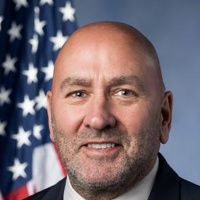
Clay Higgins
Representative
LA
Clay Higgins
Representative
LA
The Fair and Open Competition Act of 2025 ensures fair competition on federally funded construction projects by prohibiting the government from requiring or penalizing bidders based on union agreements. This legislation aims to keep federal agencies neutral in labor relations while promoting cost savings and opening opportunities for all businesses. Exceptions to this neutrality rule are strictly limited to specific public health, safety, or national security emergencies.
Recognizes and celebrates Delta Air Lines' 100th anniversary, acknowledging its global impact and commitment to community.
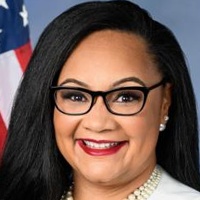
Nikema Williams
Representative
GA
Nikema Williams
Representative
GA
This bill recognizes and celebrates the 100th anniversary of Delta Air Lines, acknowledging its historical significance as the first U.S. airline to reach this milestone. It highlights Delta's growth, global connectivity, commitment to community, and industry leadership.
The Major Richard Star Act ensures that military retirees with combat-related disabilities can concurrently receive their full military retirement pay and VA disability compensation without reduction.

Gus Bilirakis
Representative
FL
Gus Bilirakis
Representative
FL
The Major Richard Star Act ensures that military retirees with combat-related disabilities can receive both their military retirement pay and VA disability compensation concurrently without reduction. This law removes previous restrictions that caused military retirement pay to be offset by VA disability payments for these specific cases. The changes take effect on the first day of the month following the Act's enactment.
The Veterans First Act of 2025 redirects \$2 billion from foreign aid to fund the construction and renovation of state-run veterans' homes.
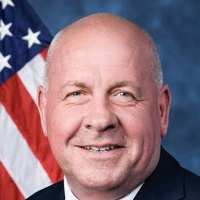
David Taylor
Representative
OH
David Taylor
Representative
OH
The Veterans First Act of 2025 redirects $2 billion from foreign aid to the Department of Veterans Affairs (VA). This funding is specifically allocated to provide grants for the construction, renovation, and improvement of state-run veterans' homes and facilities. The bill ensures these funds remain available until fully utilized for veteran care infrastructure projects.
This Act prevents the President and the Secretary of HHS from using emergency declarations to impose gun control measures and prohibits federal disaster rules from restricting the possession or transfer of firearms, ammunition, and related accessories.
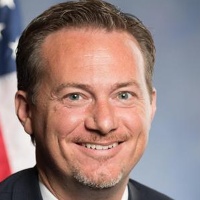
Michael Cloud
Representative
TX
Michael Cloud
Representative
TX
The Protecting the Right to Keep and Bear Arms Act of 2025 restricts the President and the Secretary of Health and Human Services from using emergency declarations to enact gun control measures. This bill specifically prevents the use of the National Emergencies Act and the Public Health Service Act for imposing new firearm restrictions. Furthermore, it amends disaster relief law to prohibit federal disaster declarations from banning the possession, sale, or transfer of firearms, ammunition, or related accessories.
The BITCOIN Act of 2025 establishes a Strategic Bitcoin Reserve, mandates the U.S. government to purchase and hold one million Bitcoins over five years, and protects private property rights related to digital assets.
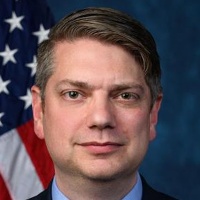
Nicholas Begich
Representative
AK
Nicholas Begich
Representative
AK
The BITCOIN Act of 2025 establishes a Strategic Bitcoin Reserve to secure and manage government-held Bitcoin, viewing it as a national asset for financial stability. The Act mandates the Secretary of the Treasury to initiate a five-year program to purchase 1,000,000 Bitcoins for long-term holding. Furthermore, it institutes strict public proof-of-reserve requirements and explicitly protects the private property rights of individuals to own and control their own Bitcoin.
This bill censures Representative Al Green for disrupting the President's address to Congress and requires him to receive a formal reprimand before the House.
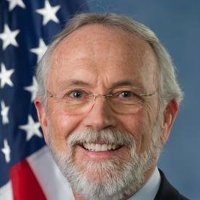
Dan Newhouse
Representative
WA
Dan Newhouse
Representative
WA
This bill censures Representative Al Green of Texas for disrupting the President's address to Congress on March 4, 2025. It condemns his actions and orders him to appear before the House of Representatives to receive a formal reprimand. During this time the Speaker of the House will publicly read the resolution of censure.
The "Pay Our Troops Act of 2025" ensures continued pay and allowances for members of the Armed Forces, essential DOD civilians, and contractors during funding gaps until January 1, 2026, or when regular appropriations are enacted.
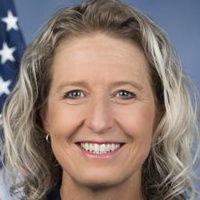
Jennifer Kiggans
Representative
VA
Jennifer Kiggans
Representative
VA
The "Pay Our Troops Act of 2025" ensures that members of the Armed Forces, essential Department of Defense civilians, and contractors continue to receive pay and allowances during periods when regular funding is disrupted. This act provides necessary appropriations to cover these costs for fiscal year 2025. The Act's provisions will terminate upon the enactment of regular appropriations, a continuing resolution that provides funding for the same purpose, or on January 1, 2026.
Censures Representative Al Green for disrupting President Trump's address to Congress, violating decorum, and bringing disrepute to the House.
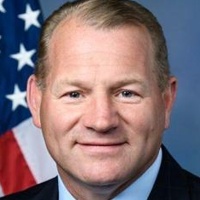
Troy Nehls
Representative
TX
Troy Nehls
Representative
TX
This resolution censures Representative Al Green for disrupting President Trump's address to Congress, violating decorum, and bringing disrepute to the House. It mandates that Representative Green present himself to the House for a public reading of the censure resolution by the Speaker.
This resolution formally censures Representative Al Green of Texas for disrupting the 2024 State of the Union address and violating House decorum.
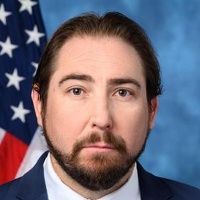
Eli Crane
Representative
AZ
Eli Crane
Representative
AZ
This resolution formally censures Representative Al Green of Texas for disrupting the 2024 State of the Union address. The measure asserts that his actions breached congressional decorum and undermined the dignity of the House. As part of the censure, Representative Green is required to appear in the well of the House to have the resolution read aloud.
The English Language Unity Act of 2025 establishes English as the official language of the United States government, sets new naturalization requirements, and encourages states to adopt English as their official language.
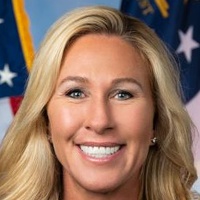
Marjorie Greene
Representative
GA
Marjorie Greene
Representative
GA
The English Language Unity Act of 2025 officially declares English as the official language of the United States, requiring federal government business to be conducted in English, with specific exceptions. It also mandates that states encourage English as the official language for state government functions and updates naturalization requirements to ensure new citizens can read key U.S. documents in English. Furthermore, the Act establishes a National English Language Day and sets rules for interpreting federal laws written in English.
This bill aims to enhance border security, address environmental damage on federal lands, and restrict housing options for undocumented non-citizens on federally managed lands.
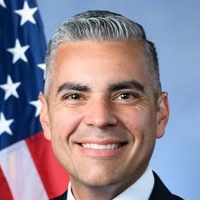
Juan Ciscomani
Representative
AZ
Juan Ciscomani
Representative
AZ
This bill aims to enhance security along the southern border by constructing roads, increasing access for U.S. Customs and Border Protection, and allowing temporary placement of structures by border states. It also seeks to mitigate environmental damage on federal lands caused by illegal activities through initiatives focused on reducing trash, preventing wildfires, and remediating contamination. Additionally, the bill restricts housing options for non-citizens who have not been formally admitted into the country by preventing the use of federal funds to house these individuals on federally managed lands.
This resolution expresses formal condolences to the families and loved ones of the 67 victims of the January 2025 collision between American Eagle Flight 5342 and a U.S. Army flight, while honoring the victims and commending the first responders.
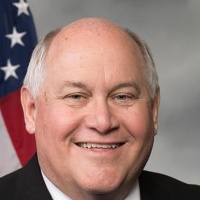
Ron Estes
Representative
KS
Ron Estes
Representative
KS
This resolution expresses the House of Representatives' deepest condolences to the families and loved ones of the 67 individuals who lost their lives in the January 29, 2025, collision of American Eagle Flight 5342 and a U.S. Army flight. It honors the victims, many of whom had strong ties to Wichita, Kansas, and commends the heroic efforts of the first responders and emergency personnel who managed the recovery.
This bill designates English as the official language of the United States, standardizing its use in government functions and naturalization processes, while allowing exceptions for certain circumstances.
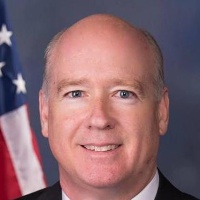
Robert Aderholt
Representative
AL
Robert Aderholt
Representative
AL
The "Designation of English as the Official Language of the United States Act of 2025" establishes English as the official language of the U.S., requiring the government to conduct official business in English and encouraging English language learning. It mandates a uniform English language standard for naturalization, ensuring new citizens can understand core American documents, while also providing exceptions for certain situations like language teaching, national security, and protection of rights. The bill also sets rules for interpreting U.S. laws, favoring interpretations that protect individual rights and state powers, and directs the Secretary of Homeland Security to develop uniform English language testing for citizenship applicants.
The "Federal Firearms Licensee Protection Act of 2025" increases penalties for stealing firearms from licensed dealers, manufacturers, or importers, especially during burglaries or robberies, and clarifies related definitions.
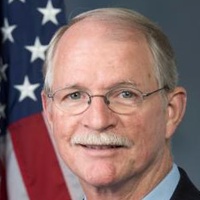
John Rutherford
Representative
FL
John Rutherford
Representative
FL
The "Federal Firearms Licensee Protection Act of 2025" increases penalties for stealing firearms from licensed dealers. It sets stricter punishments, including up to 20 years in prison, for violating laws related to firearm theft. The act also mandates minimum prison sentences of 3 years for burglaries and 5 years for robberies targeting licensed firearm businesses.
The Law Enforcement Protection and Privacy Act of 2025 protects law enforcement and firearm licensee information by amending FOIA, penalizing unauthorized disclosures, and allowing private lawsuits for damages.
Clay Higgins
Representative
LA
Clay Higgins
Representative
LA
The Law Enforcement Protection and Privacy Act of 2025 amends FOIA to protect sensitive firearms data, penalizes unauthorized disclosures of protected information by non-federal entities, and grants licensees the right to sue for damages resulting from such disclosures. It establishes financial penalties for improper disclosures and allows harmed parties to seek compensation in court. The act defines key terms and ensures that other legal remedies remain available.
The SAFER Voter Act lowers the minimum age to purchase a handgun or handgun ammunition from a Federal firearms licensee to 18 years old.
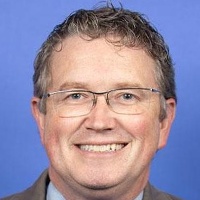
Thomas Massie
Representative
KY
Thomas Massie
Representative
KY
The SAFER Voter Act seeks to eliminate the age restriction that prevents individuals under 21 from purchasing handguns and handgun ammunition from licensed federal firearms dealers. This bill would amend title 18 of the United States Code, specifically sections 922(b)(1) and 922(c)(1), to allow adults 18 and over to purchase handguns.
This bill renames the U.S. National Poultry Research Center in Athens, Georgia, to the "Abit Massey Poultry Research Center".
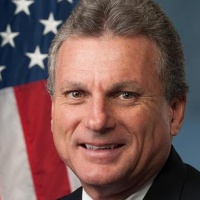
Earl Carter
Representative
GA
Earl Carter
Representative
GA
This bill renames the U.S. National Poultry Research Center in Athens, Georgia, as the "Abit Massey Poultry Research Center." Any reference to the U.S. National Poultry Research Center will now refer to the Abit Massey Poultry Research Center.
To award a Congressional Gold Medal to the 761st Tank Battalion, the first Black soldiers to serve in an American armored unit, for their valor and crucial contributions to the Allied victory in Europe.
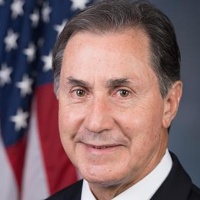
Gary Palmer
Representative
AL
Gary Palmer
Representative
AL
This bill authorizes the Speaker of the House and the President pro tempore of the Senate to award a Congressional Gold Medal to the 761st Tank Battalion, also known as the "Black Panthers," in recognition of their courageous service and crucial contributions during World War II. The medal will be given to the National Museum of African American History and Culture for display, honoring the 761st as the first Black soldiers to serve in an American armored unit and their significant role in the Allied victory in Europe. The bill also allows for the creation and sale of bronze duplicates of the medal to support the United States Mint Public Enterprise Fund.
Prohibits the purchase of real estate near U.S. federal lands by agents or businesses associated with the government of the People's Republic of China with 25% or more equity interest.
Dan Newhouse
Representative
WA
Dan Newhouse
Representative
WA
The "No American Land for Communist China Act" prohibits the President from allowing individuals or entities associated with the Chinese government from purchasing real estate near covered federal lands. Covered lands include those managed by the Departments of Interior, Defense, Agriculture (Forest Service), and Energy, as well as Indian country. This restriction applies to entities with at least 25% equity interest held by Chinese government-affiliated individuals or businesses. The Act defines "United States" broadly to include states, territories, and other U.S. possessions.