This bill authorizes state and local law enforcement to utilize Byrne Justice Assistance Grant (JAG) funds for programs specifically designed to combat human trafficking.
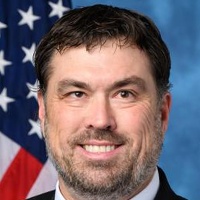
Morgan Luttrell
Representative
TX-8
The Empowering Law Enforcement To Fight Sex Trafficking Demand Act of 2025 expands the authorized use of federal Byrne Justice Assistance Grant (Byrne JAG) funds. This legislation allows state and local agencies to specifically allocate these grants toward programs designed to combat human trafficking.
Empowering Law Enforcement To Fight Sex Trafficking Demand Act of 2025: Federal Grant Rules Shift to Fund Anti-Trafficking Programs
This bill updates the rules for one of the largest federal grant programs in the country, the Byrne Justice Assistance Grant (Byrne JAG). By amending Section 501(a)(1) of the Omnibus Crime Control and Safe Streets Act, the legislation specifically adds 'programs that combat human trafficking' to the list of approved ways states and local police departments can spend this federal money. Essentially, it takes an existing pool of criminal justice funding and gives local officials the green light to use it for specialized anti-trafficking units and victim support services.
Opening the Federal Vault
Currently, Byrne JAG funds are the 'Swiss Army Knife' of criminal justice grants, used for everything from body cameras and drug treatment to courtroom technology. By explicitly adding human trafficking to the list of authorized uses, the bill ensures that a police chief in a mid-sized city or a county prosecutor doesn't have to choose between upgrading their radio system and launching a trafficking sting. For example, a local task force that previously struggled to find room in the municipal budget for undercover operations or digital forensics to track trafficking rings can now apply for these federal dollars to cover those costs directly under Section 2 of the act.
Local Impact and Practical Shifts
For the average person, this means your local law enforcement might soon have more resources to tackle the 'demand' side of the sex trade without needing a local tax hike. Because the bill is straightforward and lacks high levels of technical vagueness, the rollout is expected to be relatively seamless for agencies already familiar with the Byrne JAG application process. While the bill doesn't create new money out of thin air, it reshuffles the priority list, allowing communities to pivot their focus toward protecting vulnerable individuals and dismantling trafficking networks as part of their standard crime-prevention strategy.