Legislative Activity
Track Troy's sponsored bills, co-sponsored legislation, and voting record
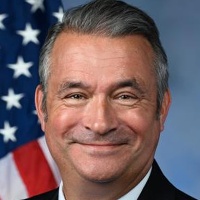
The Fighter Force Preservation and Recapitalization Act of 2025 aims to increase and modernize the Air Force's fighter aircraft fleet, ensuring a strong national defense through the year 2030.
Don Bacon
Representative
NE
Don Bacon
Representative
NE
The Fighter Force Preservation and Recapitalization Act of 2025 aims to modernize and maintain the Air Force's fighter aircraft fleet by increasing the minimum number of fighter aircraft, requiring detailed reports on the fleet's status, prioritizing the assignment of new aircraft to existing squadrons, and preserving the Air National Guard's fighter capabilities. The act mandates the Air Force to assign at least three out of every four new advanced fighter aircraft to existing Air Force fighter squadrons and maintain at least 25 Air National Guard fighter aircraft squadrons. Additionally, it requires the Secretary of the Air Force to develop and submit an annual modernization plan for the Air National Guard's fighter fleet to Congress. The Act defines specific categories of fighter aircraft to clarify modernization efforts.
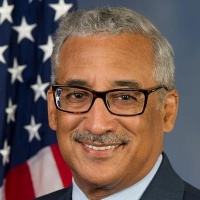
The Richard L. Trumka Protecting the Right to Organize Act of 2025 strengthens protections for workers' rights to organize and collectively bargain by modernizing labor laws, addressing unfair labor practices, and enhancing enforcement mechanisms.
Robert Scott
Representative
VA
Robert Scott
Representative
VA
This bill, the Richard L. Trumka Protecting the Right to Organize Act of 2025, seeks to amend the National Labor Relations Act and other labor laws to strengthen protections for workers' rights to organize and collectively bargain. It aims to modernize labor regulations by clarifying definitions, addressing unfair labor practices, enhancing enforcement, and increasing transparency in labor-management relations. The bill introduces measures such as electronic voting in union elections, strengthens whistleblower protections, and mandates studies on collective bargaining practices. Ultimately, the goal is to ensure fair treatment of workers and promote equitable labor practices.
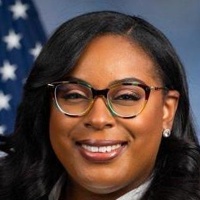
The MERIT Act mandates the reinstatement of federal probationary employees affected by mass terminations occurring between January 20, 2025, and the Act's enactment, providing back pay and benefits.
LaMonica McIver
Representative
NJ
LaMonica McIver
Representative
NJ
The MERIT Act requires federal agencies to reinstate probationary employees who were terminated as part of a mass termination event between January 20, 2025, and the Act's enactment date, providing them with back pay and benefits. The Act also mandates reports on government employee terminations and the reinstatement process. It defines key terms such as "affected probationary employee" and "mass termination" to clarify the scope and applicability of the Act. This act ensures that affected employees are treated as involuntarily separated without cause and outlines the process for determining back pay and providing notice to eligible employees.
This bill amends the Public Health Service Act to enhance and expand funding for the treatment, prevention, and research of sickle cell disease and other heritable blood disorders.
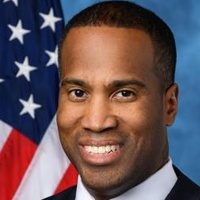
John James
Representative
MI
John James
Representative
MI
The "Sickle Cell Disease and Other Heritable Blood Disorders Research, Surveillance, Prevention, and Treatment Act of 2025" aims to improve the treatment and prevention of sickle cell disease and its complications. It amends the Public Health Service Act to broaden the scope of activities and increase funding for these efforts through grants, contracts, or cooperative agreements. The Act authorizes $8,205,000 annually from 2025 to 2029 and emphasizes the need for further research into heritable blood disorders.
The Original Black History Month Resolution of 2025 recognizes February as Black History Month, honoring the theme "African Americans and Labor" and the essential contributions of Black workers throughout U.S. history.
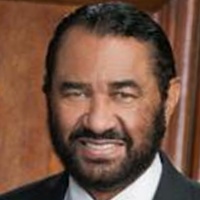
Al Green
Representative
TX
Al Green
Representative
TX
The "Original Black History Month Resolution of 2025" officially recognizes February 2025 as Black History Month with the theme "African Americans and Labor." The resolution honors the essential contributions of Black workers to the U.S. economy from enslavement to the present day while highlighting the ongoing struggle for labor equality. It encourages all Americans to celebrate these achievements and acknowledge the historical and systemic challenges still faced by Black workers today.
The "Safe Schools Improvement Act" amends the Elementary and Secondary Education Act of 1965, requiring states to establish policies that prevent and prohibit bullying and harassment in schools based on protected characteristics, ensuring a safe and inclusive learning environment for all students.

Linda Sánchez
Representative
CA
Linda Sánchez
Representative
CA
The Safe Schools Improvement Act aims to reduce bullying and harassment in schools by requiring states to establish policies prohibiting such conduct based on various characteristics, including race, sex, religion, and disability. It mandates annual notifications, data collection on incidents, biennial evaluations of programs, and regular reports to Congress to ensure accountability and effectiveness. This act does not infringe on existing nondiscrimination laws or freedom of speech but seeks to create a safer, more inclusive learning environment for all students.
The "Roberto Clemente Commemorative Coin Act" directs the Treasury to mint coins in 2027 honoring Roberto Clemente, with surcharges benefiting the Roberto Clemente Foundation.
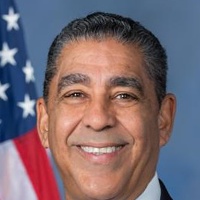
Adriano Espaillat
Representative
NY
Adriano Espaillat
Representative
NY
The Roberto Clemente Commemorative Coin Act directs the Department of Treasury to mint and issue gold, silver, and half-dollar coins in 2027 to commemorate the life and legacy of Roberto Clemente. The coins' designs will represent Clemente's life, including his baseball achievements and humanitarian work. Surcharges from the coin sales will benefit the Roberto Clemente Foundation, supporting their educational programs, youth sports initiatives, disaster relief efforts, and historic preservation projects. The Act ensures that the coin program will not incur any net cost to the United States government.
The Triple-Negative Breast Cancer Research and Education Act of 2025 aims to improve research, public education, and healthcare provider awareness regarding triple-negative breast cancer, particularly concerning its prevalence and impact on minority women.
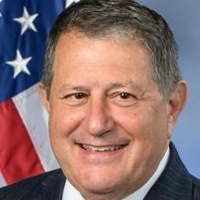
Joseph Morelle
Representative
NY
Joseph Morelle
Representative
NY
The Triple-Negative Breast Cancer Research and Education Act of 2025 aims to improve outcomes for individuals with triple-negative breast cancer by expanding research, increasing public education, and informing healthcare providers about the disease, particularly its prevalence and risk factors among minority women. The Act directs the National Institutes of Health (NIH) to expand and coordinate research programs, the Centers for Disease Control and Prevention (CDC) to develop and distribute public information, and the Health Resources and Services Administration to inform healthcare providers. It authorizes appropriations for these activities from fiscal years 2026-2031.
The "Keep America's Waterfronts Working Act of 2025" establishes programs and funding to preserve and improve working waterfronts through grants, loans, and a collaborative task force.

Chellie Pingree
Representative
ME
Chellie Pingree
Representative
ME
The "Keep America's Waterfronts Working Act of 2025" establishes a task force and grant program to support the preservation and improvement of working waterfronts. It enables covered entities to submit working waterfront plans for approval and receive financial assistance for implementation. The act also authorizes capitalization grants to coastal states for establishing working waterfront preservation loan funds. It allocates $50 million annually from 2025-2029 for both the grant and loan programs.
The "Access to Reproductive Care for Servicemembers Act" ensures that members of the Armed Forces and their dependents can access leave and travel reimbursement for reproductive health care services, including abortion and fertility treatments, not covered by the Department of Defense, while safeguarding their privacy and prohibiting adverse actions.
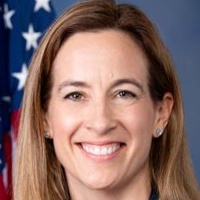
Mikie Sherrill
Representative
NJ
Mikie Sherrill
Representative
NJ
The "Access to Reproductive Care for Servicemembers Act" ensures that members of the Armed Forces and their dependents can access leave and reimbursement for travel expenses related to abortion services and assisted reproductive technology, such as in vitro fertilization, when these services are not available nearby. It protects the privacy of service members seeking such care and prohibits any adverse actions against them for utilizing these provisions. The bill aims to address barriers to reproductive healthcare created by state abortion restrictions and logistical challenges faced by military personnel.
The SAFE Act of 2025 amends existing law to include equines (horses) in the prohibition of slaughtering animals for human consumption.
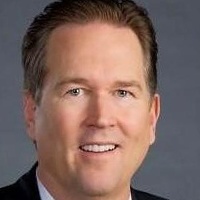
Vern Buchanan
Representative
FL
Vern Buchanan
Representative
FL
The SAFE Act of 2025 amends existing legislation to explicitly prohibit the slaughter of horses for human consumption, reinforcing protections for these animals. This bill seeks to prevent the inhumane treatment of American equines by closing loopholes that allow their slaughter and export for human consumption.
This resolution expresses support for the American Black workforce by calling for legislative action to eliminate systemic discrimination, close economic disparities, and ensure fair labor protections for all.
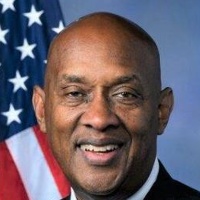
Dwight Evans
Representative
PA
Dwight Evans
Representative
PA
This resolution affirms the vital role of Black workers in the U.S. economy while acknowledging the systemic inequalities and discrimination that continue to hinder their professional advancement. It calls for urgent legislative action to close persistent wage and unemployment gaps, improve workplace safety, and strengthen protections for collective bargaining. Ultimately, the bill advocates for expanded access to education and job training to ensure equitable economic opportunity for all American workers.
This bill allows the National Guard Bureau to accept funds from states as reimbursement for the use of military property by National Guard units operating under state active duty, and directs how the Department of Defense can use these funds.
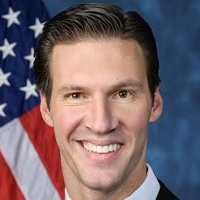
Pat Harrigan
Representative
NC
Pat Harrigan
Representative
NC
The Guarding Readiness Resources Act allows the National Guard Bureau to accept funds from states and territories as reimbursement for the use of military property. These funds will be used by the Department of Defense for the repair, maintenance, and replacement of assets used by National Guard units on state active duty.
This act reinstates criminal penalties for individuals who charge unauthorized fees to veterans for assisting with claims for VA benefits.
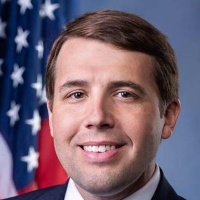
Chris Pappas
Representative
NH
Chris Pappas
Representative
NH
The GUARD VA Benefits Act establishes criminal penalties for individuals who charge veterans unauthorized fees for assisting with claims for benefits administered by the Department of Veterans Affairs. This legislation amends existing law to prohibit soliciting, contracting for, or receiving compensation for preparing or prosecuting VA benefit claims, except where explicitly authorized by other statutes.
The Truck Parking Safety Improvement Act establishes a grant program to expand commercial truck parking and improve safety on Federal-aid highways.
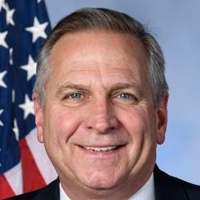
Mike Bost
Representative
IL
Mike Bost
Representative
IL
The Truck Parking Safety Improvement Act establishes a grant program to expand commercial truck parking and improve safety. The program provides funds to states, local governments, and tribal entities for projects that increase parking availability, improve existing facilities, and use technology to manage parking. The Act also requires a biennial report to Congress on the availability of truck parking and the effectiveness of funded projects. It authorizes $151 million per fiscal year from 2025 through 2029 for these initiatives.
This bill officially renames the Robert E. Lee Memorial as the Arlington House National Historic Site.
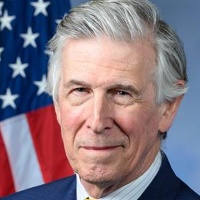
Donald Beyer
Representative
VA
Donald Beyer
Representative
VA
This bill officially redesignates the site currently known as the Robert E. Lee Memorial as the "Arlington House National Historic Site." It mandates that all official U.S. records, maps, and documents be updated to reflect this new name and repeals the previous joint resolutions that established the former designation.
The Humane Cosmetics Act of 2025 bans cosmetic animal testing in the U.S., restricts the use of animal testing data, and sets penalties for violations, while also preventing states from enacting conflicting regulations.
Donald Beyer
Representative
VA
Donald Beyer
Representative
VA
The Humane Cosmetics Act of 2025 bans cosmetic animal testing in the U.S. and restricts the use of animal testing data for cosmetic safety, with certain exceptions. It authorizes the Secretary of Health and Human Services to impose civil penalties for non-compliance and preempts states from enacting conflicting regulations. The Act defines key terms related to cosmetic animal testing and cosmetics.
The PAST Act of 2025 significantly strengthens the Horse Protection Act by increasing penalties, banning specific action devices, and mandating licensed inspectors to combat the practice of horse soring.
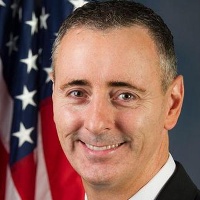
Brian Fitzpatrick
Representative
PA
Brian Fitzpatrick
Representative
PA
The PAST Act of 2025 significantly strengthens the Horse Protection Act to combat the painful practice of soring in specific horse breeds. This bill increases penalties for violations, establishes stricter licensing and oversight for inspectors, and explicitly bans the use of "action devices" designed to cause unnatural gaits. The legislation aims to enhance enforcement, ensure fairer competition, and hold violators accountable through increased fines and disqualifications.
The Social Security Expansion Act aims to increase Social Security benefits, change cost-of-living adjustments, extend eligibility, adjust payroll and self-employment taxes, tax investment gains, and establish a new Social Security Trust Fund.
Valerie Hoyle
Representative
OR
Valerie Hoyle
Representative
OR
The Social Security Expansion Act aims to increase Social Security benefits, change cost-of-living adjustments to better reflect elderly consumers, and extend eligibility to student children. It also adjusts payroll and self-employment taxes for earnings above $250,000, increases taxes on investment gains, and establishes a new Social Security Trust Fund. These changes are intended to provide greater financial security for beneficiaries and ensure the long-term solvency of the Social Security system.
The Sgt. Isaac Woodard, Jr. and Sgt. Joseph H. Maddox GI Bill Restoration Act of 2025 aims to restore GI Bill benefits to Black World War II veterans and their direct descendants who were denied them due to racial discrimination, and to address inequalities in benefits for female and minority veterans.
Seth Moulton
Representative
MA
Seth Moulton
Representative
MA
The Sgt. Isaac Woodard, Jr. and Sgt. Joseph H. Maddox GI Bill Restoration Act of 2025 aims to address historical inequities by extending housing and educational benefits to Black World War II veterans and their direct descendants who were previously denied these benefits due to racial discrimination. The bill amends Title 38 of the U.S. Code to include these veterans and their families in housing loan and educational assistance programs. It also establishes a panel to identify and recommend additional support for female and minority veterans.