Legislative Activity
Track Troy's sponsored bills, co-sponsored legislation, and voting record
The Keep Kids Covered Act extends continuous Medicaid and CHIP coverage for children and former foster youth to ensure longer periods without re-enrollment.
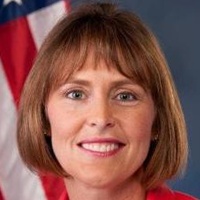
Kathy Castor
Representative
FL
Kathy Castor
Representative
FL
The Keep Kids Covered Act aims to ensure children maintain continuous health coverage under Medicaid and CHIP for longer periods. This legislation extends continuous eligibility for children under age 19, significantly increasing the duration they remain covered without needing to re-enroll. Furthermore, it grants former foster youth continuous Medicaid eligibility until they turn 26.
The Hands Off Our Social Security Act prohibits unauthorized tampering with benefits, data mining, privatization, workforce reductions, and office closures without explicit Congressional approval.
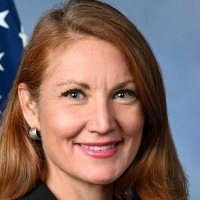
Melanie Stansbury
Representative
NM
Melanie Stansbury
Representative
NM
The Hands Off Our Social Security Act is designed to safeguard the functionality and integrity of the Social Security Administration (SSA). This bill prohibits the SSA from tampering with benefits, engaging in unauthorized data mining, or privatizing services. Furthermore, it prevents the agency from closing local offices or reducing staff without explicit approval from Congress. Ultimately, the Act ensures that essential services and communication channels remain accessible to beneficiaries.
This act establishes a new, potentially transferable, refundable tax credit of up to $15,000 for first-time homebuyers, subject to income, price limits, and a four-year recapture provision.
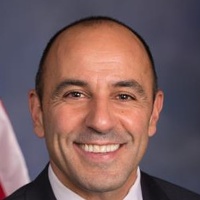
Jimmy Panetta
Representative
CA
Jimmy Panetta
Representative
CA
The First-Time Homebuyer Tax Credit Act of 2025 establishes a new, refundable tax credit for eligible first-time homebuyers, equal to 10% of the purchase price, up to a maximum of $15,000. This credit is subject to income and home price phase-outs based on local median figures. Homebuyers may elect to transfer this credit directly to their mortgage lender at closing in exchange for immediate cash. The bill also includes recapture provisions requiring repayment if the home is sold within four years.
Ally's Act mandates that certain private health insurance plans must cover auditory implant devices, related services, and upgrades for qualifying individuals without imposing stricter cost-sharing or treatment limitations than other medical benefits.
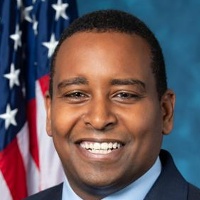
Joe Neguse
Representative
CO
Joe Neguse
Representative
CO
The Ally's Act mandates that certain private health insurance plans must cover auditory implant devices, related supplies, and necessary services for qualifying individuals. This coverage must be comparable to other medical and surgical benefits regarding cost-sharing and treatment limitations. Furthermore, plans cannot deny coverage if a physician or qualified audiologist determines the required hearing items or services are medically necessary. These new requirements take effect for plan years beginning on or after January 1, 2026.
This bill authorizes the presentation of a Congressional Gold Medal to the 320th Barrage Balloon Battalion for their crucial and heroic service during the D-Day invasion.
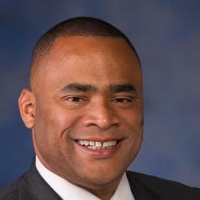
Marc Veasey
Representative
TX
Marc Veasey
Representative
TX
This bill authorizes the presentation of a Congressional Gold Medal to the 320th Barrage Balloon Battalion to recognize their crucial and heroic service as the only all-Black unit defending the D-Day invasion in Normandy. The medal will be struck by the Treasury and ultimately deposited with the Smithsonian Institution for public display. The Act also permits the sale of bronze duplicates to cover production costs, with proceeds returning to the U.S. Mint fund.
The EACH Act of 2025 mandates that all federally funded health programs and facilities must cover and provide abortion services, while also prohibiting federal interference with private insurance coverage.
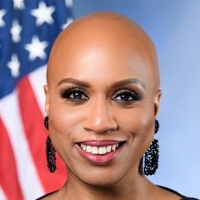
Ayanna Pressley
Representative
MA
Ayanna Pressley
Representative
MA
The EACH Act of 2025 aims to ensure equal access to abortion coverage by requiring all federally funded health programs and facilities to cover abortion services. This legislation prohibits federal interference with state or private insurance coverage of abortion and repeals Section 1303 of the Affordable Care Act. Ultimately, the bill seeks to eliminate financial and insurance barriers to abortion care, particularly for low-income individuals relying on programs like Medicaid.
This constitutional amendment prohibits immunity from criminal prosecution for federal officials based on their official duties and bars the President from self-pardoning.
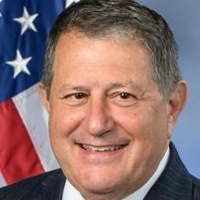
Joseph Morelle
Representative
NY
Joseph Morelle
Representative
NY
This proposed constitutional amendment would eliminate immunity from criminal prosecution for federal officials, including the President, based on their official duties. It also explicitly prohibits the President from issuing a self-pardon for any federal crimes. If ratified, these changes would take effect immediately.
This bill amends the Family and Medical Leave Act to explicitly qualify time taken for an employee's own organ donation surgery as a serious health condition.
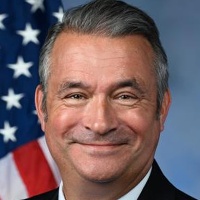
Don Bacon
Representative
NE
Don Bacon
Representative
NE
This bill amends the Family and Medical Leave Act (FMLA) to explicitly clarify that time taken off for an employee's own organ donation surgery qualifies as a serious health condition. This ensures both private and federal sector workers receive FMLA protection for recovery from organ donation. The legislation also specifies how federal employees must substitute existing paid leave when taking FMLA time for this purpose.
This Act prohibits insurance companies from discriminating against living organ donors when issuing life, disability, or long-term care policies and mandates the updating of educational materials regarding donation risks and insurance implications.
Don Bacon
Representative
NE
Don Bacon
Representative
NE
The Living Donor Protection Act of 2025 prohibits life, disability, and long-term care insurance companies from denying coverage or increasing premiums solely because an individual is a living organ donor. This legislation ensures that living donors are not financially penalized for their altruistic act. Additionally, the bill requires the Secretary of HHS to update educational materials to accurately reflect the insurance protections afforded to living donors.
This Act mandates that the Energy Information Administration (EIA) begin collecting and reporting detailed data on the feedstock, production, and imports of sustainable aviation fuel (SAF).
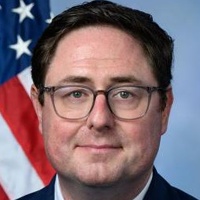
Mike Flood
Representative
NE
Mike Flood
Representative
NE
The Sustainable Aviation Fuel Information Act mandates that the Energy Information Administration (EIA) begin collecting and reporting detailed data on sustainable aviation fuel (SAF). This new reporting will cover the feedstock sources, production volumes by state, and import statistics for SAF. The goal is to provide transparent, accurate information on the growing sustainable aviation fuel supply chain.
This bill establishes grants for food hubs to increase market access for socially disadvantaged farmers, creates a tax credit to support food hub purchases, mandates civil rights accountability for USDA employees, shifts the burden of proof in appeals, and creates an independent Office of the Civil Rights Ombudsperson.
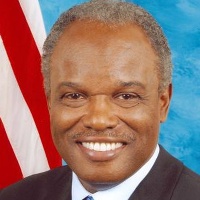
David Scott
Representative
GA
David Scott
Representative
GA
The Black Farmers and Socially Disadvantaged Farmers Increased Market Share Act establishes a new grant program to help food hubs increase market access for socially disadvantaged farmers and ranchers. The bill also introduces an "Agriculture Hub Credit" tax incentive to encourage related spending. Furthermore, it strengthens civil rights accountability for USDA employees, grants new equitable relief powers to the Assistant Secretary for Civil Rights, shifts the burden of proof in agency appeals, and creates an independent Office of the Civil Rights Ombudsperson.
This Act amends federal disaster relief law to explicitly include extreme heat and drought as qualifying events for major disaster declarations.
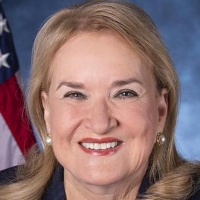
Sylvia Garcia
Representative
TX
Sylvia Garcia
Representative
TX
The Extreme Heat Emergency Act of 2025 amends federal law to formally recognize extreme heat and drought as qualifying events for major disaster declarations. This change ensures that regions suffering from severe heatwaves or droughts can access the same level of federal disaster relief assistance previously reserved for events like hurricanes or earthquakes.
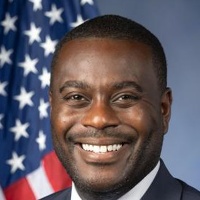
This bill places a temporary moratorium on the closure or restriction of access to National Oceanic and Atmospheric Administration (NOAA) facilities until 180 days after a required justification report is submitted to Congress.
Gabe Amo
Representative
RI
Gabe Amo
Representative
RI
The Stop NOAA Closures Act places a temporary moratorium on the closure or restriction of access to any National Oceanic and Atmospheric Administration (NOAA) facilities. This freeze remains in effect until 180 days after key officials submit a required report to Congress detailing the criteria and process for any future facility changes. After the moratorium lifts, any major facility action will still require a 30-day advance notice and justification report to Congress, except in cases of immediate emergency threatening staff safety.
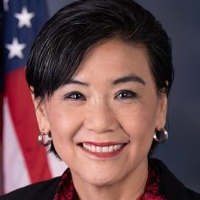
This Act mandates federal standards requiring employers to implement comprehensive heat illness and injury prevention programs to protect workers from dangerous heat stress.
Judy Chu
Representative
CA
Judy Chu
Representative
CA
The Asunción Valdivia Heat Illness, Injury, and Fatality Prevention Act of 2025 mandates that employers protect workers from dangerous heat stress by establishing comprehensive safety standards. This Act requires the Secretary of Labor to create evidence-based rules covering engineering controls, administrative procedures, required training, and paid rest breaks to prevent heat-related illness. Furthermore, the law establishes strict enforcement mechanisms, whistleblower protections, and specific timelines for the implementation of these new federal heat protection standards.
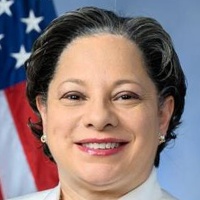
This resolution urges Congress to prioritize the rapid and equitable development of solutions that address the unique health vulnerabilities of children facing extreme weather and poor air quality.
Jennifer McClellan
Representative
VA
Jennifer McClellan
Representative
VA
This resolution expresses the sense of Congress that extreme weather poses unique and severe threats to the health and well-being of children. It urges that solutions to address these escalating dangers must be rapidly and equitably developed and deployed with children's specific vulnerabilities in mind. The bill calls for prioritizing the physical and mental health needs of children in all future climate adaptation and air quality planning efforts.
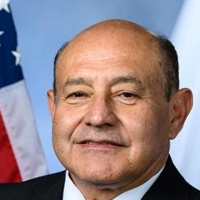
This Act amends bankruptcy law to make it easier for struggling student loan borrowers to discharge their debt by removing the "undue hardship" standard.
J. Correa
Representative
CA
J. Correa
Representative
CA
The Student Loan Bankruptcy Improvement Act of 2025 aims to reform the bankruptcy process for student loan borrowers. This bill seeks to lower the current, overly difficult standard required to discharge student loan debt in bankruptcy proceedings. By making these changes, Congress intends to provide struggling borrowers with a genuine opportunity for a financial fresh start.
This comprehensive act establishes federal entitlements and grants to ensure access to affordable, high-quality child care and universal preschool for young children while significantly increasing compensation for early childhood educators.
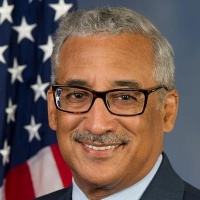
Robert Scott
Representative
VA
Robert Scott
Representative
VA
The Child Care for Working Families Act establishes comprehensive federal programs to ensure access to high-quality, affordable child care and universal preschool for young children. The legislation creates an entitlement program for child care, mandates that provider reimbursement rates cover actual costs and ensure living wages for staff, and establishes free, universal preschool for 3- and 4-year-olds. Additionally, it provides dedicated funding to stabilize childcare providers and extend the operating hours and compensation for Head Start staff.
This Act establishes increased federal research, public education, and provider information dissemination regarding uterine fibroids, with a focus on addressing racial disparities and non-hysterectomy treatment options.
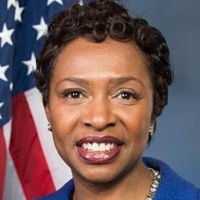
Yvette Clarke
Representative
NY
Yvette Clarke
Representative
NY
The Stephanie Tubbs Jones Uterine Fibroid Research and Education Act of 2025 aims to significantly increase federal research, public education, and provider awareness regarding uterine fibroids. The bill mandates expanded research coordination across federal agencies and authorizes funding to study the condition, which disproportionately affects minority women. It also requires the creation of public awareness campaigns detailing non-hysterectomy treatment options and mandates data collection on Medicaid/CHIP spending for fibroid treatments.
This Act mandates a comprehensive federal study to investigate the potential link between the use of chemical hair straighteners and the incidence of uterine cancer, with a specific focus on disparities among women of color.
Yvette Clarke
Representative
NY
Yvette Clarke
Representative
NY
The Uterine Cancer Study Act of 2025 mandates a comprehensive federal study to investigate the potential link between the use of chemical hair straighteners and the risk of developing uterine cancer. This research must specifically examine disparities in cancer rates among women of color. The study will ultimately recommend whether the FDA should require additional safety testing for these hair products.
This Act extends funding allocation rules for sport fish restoration, removes spending caps for the Interstate Fisheries Commission, prioritizes alternative fuel infrastructure for recreational boating, and reduces the excise tax on portable, electronically-aerated bait containers.
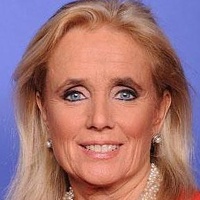
Debbie Dingell
Representative
MI
Debbie Dingell
Representative
MI
The Sport Fish Restoration, Recreational Boating Safety, and Wildlife Restoration Act of 2025 extends the timeline for current Sport Fish Restoration funding allocation rules until 2031 and removes the spending cap for Interstate Fisheries Commission activities. The bill also updates boating infrastructure priorities to specifically include funding for alternative marine fuel facilities for larger vessels. Finally, it significantly reduces the federal excise tax rate on portable, electronically-aerated bait containers from 10 percent to 3 percent.