Legislative Activity
Track Troy's sponsored bills, co-sponsored legislation, and voting record
This resolution recognizes the right to peaceful protest while condemning violence and criticizing the federal government's controversial deployment of military forces during recent Los Angeles demonstrations.
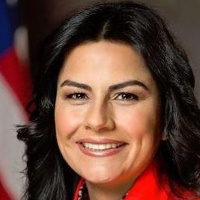
Nanette Barragán
Representative
CA
Nanette Barragán
Representative
CA
This resolution formally recognizes the constitutional right to peaceful protest while strongly condemning violence and illegal acts committed during demonstrations. It criticizes the federal government's deployment of military forces during recent events, arguing the actions were an overreach that bypassed proper legal and state authority. Ultimately, the bill asserts the importance of transparency in law enforcement and denounces rhetoric that escalates community tensions.
This resolution encourages members of Congress to conduct unannounced oversight visits to ICE detention facilities within their states to assess conditions following perceived lapses in DHS oversight.
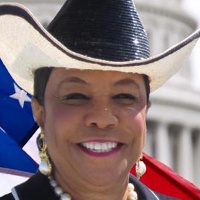
Frederica Wilson
Representative
FL
Frederica Wilson
Representative
FL
This resolution encourages Members of Congress to conduct unannounced visits to Immigration and Customs Enforcement (ICE) detention facilities within their states. Congress feels this direct oversight is necessary due to perceived failures in internal Department of Homeland Security (DHS) monitoring. The goal is for members to gain firsthand knowledge of detention conditions to inform necessary reforms.
This act modifies federal charter school grants to provide targeted support, technical assistance, and pre-planning funds for educator-led charter school development.

Julia Letlow
Representative
LA
Julia Letlow
Representative
LA
The Empower Charter School Educators to Lead Act modifies federal Charter School Program grants to strengthen state oversight and support for high-quality charter schools. It prioritizes funding for educator-led groups planning to open new schools by offering pre-charter planning subgrants. The bill also refines how states allocate grant funds, ensuring the majority supports the opening and expansion of charter schools.
The Women’s Health Protection Act of 2025 establishes a federal right to access abortion services before fetal viability and protects the right to travel for care, overriding state restrictions that place burdens on abortion access not imposed on comparable medical procedures.
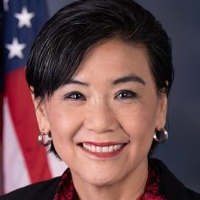
Judy Chu
Representative
CA
Judy Chu
Representative
CA
The Women’s Health Protection Act of 2025 establishes a federal statutory right to access abortion services, prohibiting medically unnecessary restrictions that impede care before fetal viability. This Act protects the right of patients to travel across state lines to receive reproductive healthcare and allows providers to offer services free from state interference that conflicts with established medical standards. It preempts conflicting state and local laws and provides robust enforcement mechanisms for individuals and the Attorney General to challenge violations.
This Act expands healthcare access by ensuring lawfully present immigrants are eligible for federal health programs, treating federally authorized presence as lawful presence for coverage, and giving states the option to cover undocumented individuals under Medicaid and CHIP.
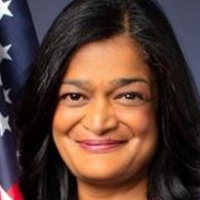
Pramila Jayapal
Representative
WA
Pramila Jayapal
Representative
WA
The Health Equity and Access under the Law for Immigrant Families Act of 2025 aims to significantly expand healthcare access for immigrants legally residing in the U.S. by ensuring eligibility for federal health programs like Medicaid and CHIP, removing state restrictions for permanent residents, and treating federally authorized presence as lawful presence for coverage purposes. The bill also provides states the option to extend Medicaid and CHIP coverage to individuals without lawful status. Furthermore, it removes citizenship barriers preventing certain non-citizens from accessing ACA marketplace subsidies and updates Medicare eligibility rules.
The Break the Cycle of Violence Act establishes federal frameworks within HHS and the Department of Labor to fund community-based violence intervention programs and provide job training for opportunity youth in high-violence areas.
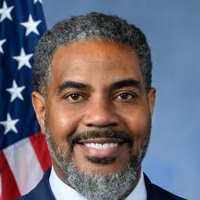
Steven Horsford
Representative
NV
Steven Horsford
Representative
NV
The Break the Cycle of Violence Act establishes federal frameworks within HHS and the Department of Labor to address community violence through prevention and economic opportunity. Title I creates grants for community-based violence intervention programs focused on evidence-based, trauma-responsive care, while Title II funds job training for opportunity youth in high-violence areas. Overall, the bill aims to reduce violence by investing in local services and creating pathways to employment rather than relying solely on incarceration.
This act establishes reporting requirements for national recycling and composting infrastructure, tracks federal agency waste efforts, and studies materials diverted from the circular economy.
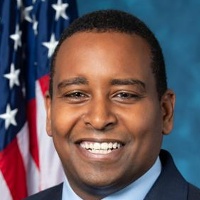
Joe Neguse
Representative
CO
Joe Neguse
Representative
CO
The Recycling and Composting Accountability Act aims to improve national recycling and composting efforts by requiring the EPA to gather comprehensive data on current infrastructure capabilities and material flows. This legislation mandates detailed reports on composting facilities, materials recovery facilities (MRFs), and the development of standardized national recycling rates. Furthermore, it directs studies to measure how much recyclable material is lost from the circular market and ensures federal agencies report on their own waste diversion activities.
This Act prohibits states from interfering with or penalizing individuals who provide, receive, or facilitate abortion services that are legal in the state where the service occurs, including interstate travel for such care.

Lizzie Fletcher
Representative
TX
Lizzie Fletcher
Representative
TX
The Ensuring Women’s Right to Reproductive Freedom Act prohibits states from interfering with or retaliating against individuals who provide or receive abortion services that are legal in the state where the service occurs. This protection extends to interstate travel for legal abortion care and the movement of FDA-approved abortion-related drugs across state lines. Individuals harmed by violations can sue in federal court for damages and legal fees.
This Act posthumously awards a Congressional Gold Medal to pioneering, barrier-breaking cyclist Marshall "Major" Taylor and authorizes the sale of duplicate bronze medals.
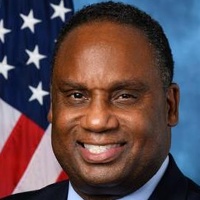
Jonathan Jackson
Representative
IL
Jonathan Jackson
Representative
IL
This bill posthumously awards a Congressional Gold Medal to Marshall "Major" Taylor, recognizing the pioneering Black cyclist for his historic achievements and his fight against racial prejudice. The medal will be struck by the Secretary of the Treasury and presented to Taylor's great-granddaughter. The Act also authorizes the sale of bronze duplicates to cover production costs.
This Act mandates that pharmacies must promptly provide or facilitate access to FDA-approved contraception and related medications, prohibiting discrimination and interference in dispensing these products.
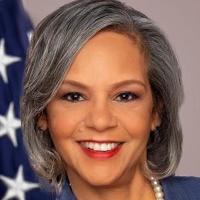
Robin Kelly
Representative
IL
Robin Kelly
Representative
IL
The Access to Birth Control Act establishes federal requirements for pharmacies to ensure timely and non-discriminatory access to FDA-approved contraception and related medications. Pharmacies must immediately dispense in-stock items or promptly refer customers or order out-of-stock products. This law prohibits employee interference, misinformation, or harassment, while also setting penalties for non-compliance.
This resolution reaffirms the importance of U.S. leadership in promoting the safety and well-being of refugees globally while criticizing recent administrative actions that restricted refugee admissions and asylum access.
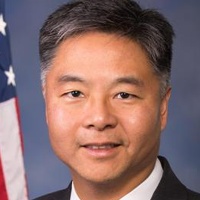
Ted Lieu
Representative
CA
Ted Lieu
Representative
CA
This resolution strongly reaffirms the United States' commitment to promoting the safety and well-being of refugees globally. It criticizes recent administrative actions that suspended refugee admissions and travel bans, arguing they violate U.S. and international law. The bill calls for the immediate restoration of the U.S. Refugee Admissions Program and demands federal agencies uphold due process for asylum seekers. Ultimately, it asserts that welcoming oppressed people is central to American values and legal obligations.
This bill prohibits the Secretary of the Navy from changing the names of naval vessels currently honoring Cesar Chavez, Medgar Evers, Ruth Bader Ginsburg, Dolores Huerta, Thurgood Marshall, Harvey Milk, Lucy Stone, or Harriet Tubman.
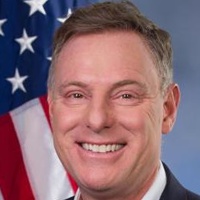
Scott Peters
Representative
CA
Scott Peters
Representative
CA
The Preserving Great Americans’ Legacies Act of 2025 prohibits the Secretary of the Navy from changing the names of naval vessels currently honoring eight specific individuals. This legislation ensures that ships named after figures like Cesar Chavez, Ruth Bader Ginsburg, and Harriet Tubman retain their designations. The act immediately prevents any renaming of these protected vessels.
The Nuclear REFUEL Act amends the definition of a "production facility" under the Atomic Energy Act to exempt spent nuclear fuel reprocessing that does not separate plutonium from other transuranic elements.
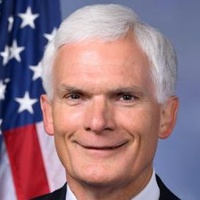
Robert Latta
Representative
OH
Robert Latta
Representative
OH
The Nuclear REFUEL Act amends the Atomic Energy Act to clarify regulations surrounding nuclear fuel processing. Specifically, it excludes the reprocessing of spent nuclear fuel from the definition of a "production facility" if the process does not separate plutonium from other transuranic elements. This change aims to streamline regulatory oversight for certain fuel recycling activities.
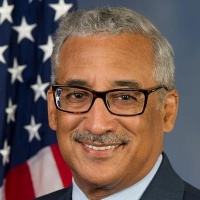
This bill significantly increases penalties for child labor and safety violations, establishes dedicated funding and advisory bodies for enforcement, modernizes hazardous work standards, and mandates expanded research and public education on youth worker safety.
Robert Scott
Representative
VA
Robert Scott
Representative
VA
The Protecting Children Act significantly increases financial penalties and criminal consequences for employers who violate child labor and workplace safety laws, including potential life imprisonment for endangerment resulting in death. It establishes a dedicated fund, financed by these penalties, to support enforcement, education, and research initiatives aimed at protecting young workers. Furthermore, the bill mandates regular reviews of hazardous occupation standards and requires increased federal research and public reporting on child labor issues and enforcement capacity.
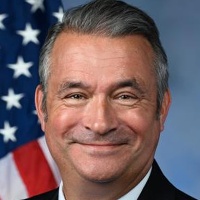
The FIGHT Act of 2025 strengthens federal prohibitions against animal fighting, enhances enforcement mechanisms, and allows citizens to sue violators of animal fighting provisions.
Don Bacon
Representative
NE
Don Bacon
Representative
NE
The FIGHT Act of 2025 significantly strengthens federal prohibitions against animal fighting ventures, specifically targeting the sponsorship, exhibition, and gambling associated with these events. This legislation clarifies the definition of a rooster for legal purposes and bans the interstate transport of roosters for fighting. Furthermore, it empowers private citizens to file lawsuits against violators, allowing for civil penalties and the potential seizure of property used to facilitate illegal animal fighting.
This resolution urges the establishment of a United States Commission on Truth, Racial Healing, and Transformation to acknowledge historical racial injustices and promote national healing and equity.

Jasmine Crockett
Representative
TX
Jasmine Crockett
Representative
TX
This resolution urges the establishment of a United States Commission on Truth, Racial Healing, and Transformation to formally acknowledge the nation's history of systemic racial injustice. The proposed commission would memorialize this history and serve as a catalyst for eliminating persistent racial inequities. It is intended to complement, not replace, efforts focused on reparations.
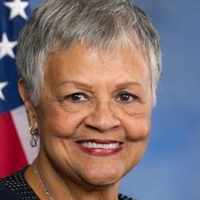
The PHARA Act of 2025 mandates the immediate release of existing NIH grant funding, requires termination clauses in future agreements, and prohibits the NIH from ending funding solely due to shifting agency priorities.
Bonnie Watson Coleman
Representative
NJ
Bonnie Watson Coleman
Representative
NJ
The PHARA Act of 2025 mandates the immediate release of all existing National Institutes of Health (NIH) grant funding and prohibits the cancellation of active research agreements. Moving forward, all new NIH grant agreements must include specific termination clauses requiring a 90-day notice and good-faith negotiation before ending the funding. Furthermore, this Act explicitly prevents the NIH from terminating agreements solely because the research no longer aligns with current agency goals or priorities.
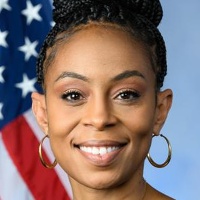
This resolution expresses Congressional support for designating June 2025 as "Black Music Month" to recognize the profound cultural impact and historical significance of music created by Black Americans.
Shontel Brown
Representative
OH
Shontel Brown
Representative
OH
This resolution formally expresses Congressional support for designating June 2025 as "Black Music Month." It recognizes the profound and foundational cultural impact of Black artists across all American music genres, from spirituals to hip-hop. The bill encourages the nation to actively celebrate this rich heritage through educational programs and public acknowledgment. Ultimately, it honors the creators whose work reflects the American experience and promotes diversity through music.
This bill establishes a comprehensive "Domestic Workers Bill of Rights" to extend federal labor protections, including overtime, paid sick leave, and anti-discrimination coverage, to domestic employees while creating a standards board to advise on future working conditions.
Pramila Jayapal
Representative
WA
Pramila Jayapal
Representative
WA
The Domestic Workers Bill of Rights Act seeks to significantly expand labor protections for domestic employees by bringing them under standard federal laws, including eligibility for overtime pay and mandated paid sick leave. The bill establishes written employment agreements, sets clear privacy boundaries for workers in private homes, and creates a Standards Board to recommend ongoing improvements to wages and benefits. Furthermore, it establishes enforcement mechanisms and temporarily increases federal Medicaid funding for in-home care services to help offset compliance costs.
This act ensures that time spent receiving outpatient observation services in a hospital counts toward the required 3-day inpatient stay for Medicare coverage of skilled nursing facility services.
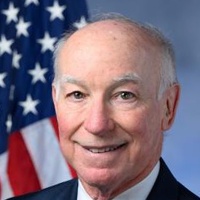
Joe Courtney
Representative
CT
Joe Courtney
Representative
CT
The Improving Access to Medicare Coverage Act of 2025 ensures that time spent receiving outpatient observation services in a hospital counts toward the required 3-day inpatient stay needed to qualify for Medicare coverage of skilled nursing facility (SNF) services. This change effectively removes a significant barrier to accessing post-hospital care for many Medicare beneficiaries. The Secretary of HHS is authorized to implement this rule immediately.