
Legislative Activity
Track Steve's sponsored bills, co-sponsored legislation, and voting record
The Appalachian Communities Health Equity (ACHE) Act of 2025 immediately halts new mountaintop removal coal mining permits pending a federal health study while mandating increased pollution monitoring at existing sites.
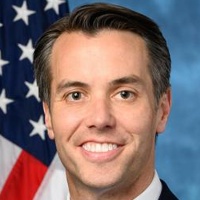
Morgan McGarvey
Representative
KY
Morgan McGarvey
Representative
KY
The Appalachian Communities Health Equity (ACHE) Act of 2025 addresses health concerns linked to mountaintop removal coal mining by immediately halting new federal permits for these operations. The bill mandates a comprehensive health study led by the NIEHS to investigate potential risks to nearby communities. Furthermore, it requires enhanced, publicly accessible pollution monitoring at active sites until the Secretary of Health and Human Services determines the practice poses no health risk.
This bill amends the Foreign Assistance Act of 1961 to officially reclassify the provision of HIV pre-exposure prophylaxis (PrEP) and related prevention services as "core life-saving humanitarian assistance."
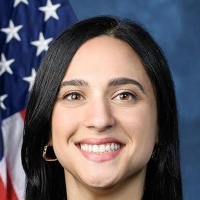
Yassamin Ansari
Representative
AZ
Yassamin Ansari
Representative
AZ
This bill amends the Foreign Assistance Act of 1961 to reclassify certain activities combating HIV/AIDS. Specifically, it mandates that providing HIV pre-exposure prophylaxis (PrEP) and related prevention services be formally recognized as "core life-saving humanitarian assistance." This change ensures these critical risk-reduction efforts are categorized as essential aid within U.S. foreign assistance programs.
The End Polluter Welfare Act of 2025 systematically eliminates federal subsidies, tax breaks, and financial support for the fossil fuel industry while increasing royalties and tightening environmental liability.

Ilhan Omar
Representative
MN
Ilhan Omar
Representative
MN
The End Polluter Welfare Act of 2025 is a comprehensive bill designed to eliminate financial support for the fossil fuel industry across the federal government. It achieves this by terminating numerous tax incentives, increasing royalties on federal energy leases, and blocking federal funding for fossil fuel projects through various agencies. Ultimately, the Act aims to shift financial burdens onto polluters while redirecting federal support toward cleaner energy initiatives.
This bill establishes a new system for distributing up to 2,000 additional Medicare-funded residency positions annually from 2026 through 2032, prioritizing hospitals serving underserved areas, and mandates a study on strategies to increase workforce diversity.
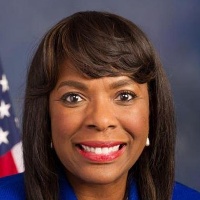
Terri Sewell
Representative
AL
Terri Sewell
Representative
AL
The Resident Physician Shortage Reduction Act of 2025 establishes a structured process for distributing up to 2,000 additional, federally funded residency positions annually between fiscal years 2026 and 2032. This distribution prioritizes hospitals serving in underserved areas, those already training above their limit, and those committed to primary care and general surgery training. The bill also mandates a study and report by the Comptroller General on effective strategies to increase diversity within the health professional workforce.
This bill establishes programs for proactive mental health outreach to underserved veterans and mandates annual mental health consultations for veterans receiving disability compensation for service-connected mental health conditions, while also extending the expiration date for certain VA housing loan fee structures.
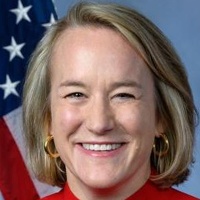
Nicole (Nikki) Budzinski
Representative
IL
Nicole (Nikki) Budzinski
Representative
IL
The VA Mental Health Outreach and Engagement Act establishes new programs to proactively connect veterans not currently receiving care with necessary mental health services, especially those at risk of suicide or homelessness. It also mandates annual mental health outreach and consultation offers for veterans already receiving disability compensation for a mental health condition. Finally, the bill extends the current fee structure for certain VA housing loans.
This Act expands Medicare coverage for hereditary cancer genetic testing, preventative surgeries, and evidence-based cancer screenings for at-risk individuals.
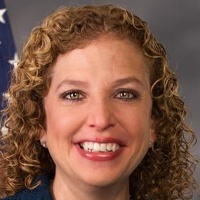
Debbie Wasserman Schultz
Representative
FL
Debbie Wasserman Schultz
Representative
FL
The Reducing Hereditary Cancer Act expands Medicare coverage for individuals with a family or personal history suggestive of hereditary cancer. This legislation mandates Medicare coverage for appropriate genetic testing and risk-reducing preventive surgeries. Furthermore, it allows for expanded, evidence-based cancer screenings for individuals already diagnosed with a hereditary cancer gene mutation.
This bill prohibits the VA from collecting retroactive healthcare copayments from veterans if proper notice wasn't given within two years and allows the Secretary to waive copayments.
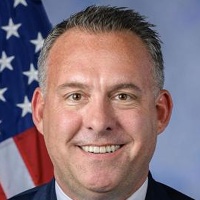
Adam Gray
Representative
CA
Adam Gray
Representative
CA
The Stop Troubling Retroactive Invoices for Veteran Expenses Act of 2025 (STRIVE Act) prevents the VA from collecting health care copayments if the veteran was not properly notified within two years of receiving care, or if the total owed exceeds an inflation-adjusted threshold (starting at \$2,000). The bill also grants the Secretary of Veterans Affairs broad authority to waive any veteran copayment deemed appropriate. Finally, it extends the date for certain pension payment limits.
The COOL OFF Act establishes a mandatory 3-day waiting period for handgun transfers, with specific exceptions for law enforcement, family loans, emergencies, and certain target practice or hunting scenarios.
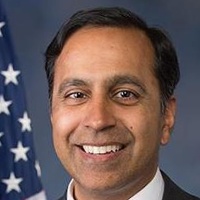
Raja Krishnamoorthi
Representative
IL
Raja Krishnamoorthi
Representative
IL
The Choosing Our Own Lives Over Fast Firearms Act, or COOL OFF Act, establishes a mandatory 3-business-day waiting period before an individual can receive a handgun, whether through a private sale or from a licensed dealer. This waiting period is waived for specific exceptions, such as transfers involving law enforcement, temporary family loans, or emergency situations to prevent serious harm. The law includes penalties for violations and will take effect 90 days after enactment.
This Concurrent Resolution affirms Congress's commitment to ensuring equal physical access to federally funded facilities for all people, especially those with disabilities, by supporting existing laws and pledging to use universal design principles in future projects.
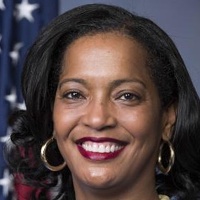
Jahana Hayes
Representative
CT
Jahana Hayes
Representative
CT
This Concurrent Resolution affirms the importance of equal physical access to federally funded facilities for all Americans, especially people with disabilities. It recognizes that current infrastructure often fails to meet the needs of the growing population of people with disabilities. The resolution reaffirms support for existing accessibility laws like the ADA and pledges to use universal design principles in future federal projects. Ultimately, it calls for the removal of existing barriers to ensure full societal participation.
The VISIBLE Act mandates that federal immigration officers clearly display their agency and identifying information when conducting public-facing enforcement activities.
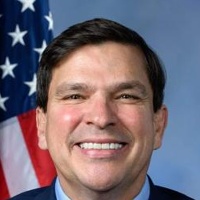
Vicente Gonzalez
Representative
TX
Vicente Gonzalez
Representative
TX
The VISIBLE Act mandates that federal immigration enforcement officers, such as those from CBP and ICE, must clearly display their agency name and either their last name or badge number during all public-facing civil immigration enforcement activities. This requirement ensures officers are easily identifiable to the public from a distance, promoting transparency and public trust. The law also establishes disciplinary procedures for non-compliance and requires annual reporting to Congress on enforcement activities and violations.
The SAVES Act establishes a VA pilot program to award grants to nonprofits providing service dogs and veterinary insurance to eligible veterans managing specific service-connected conditions.
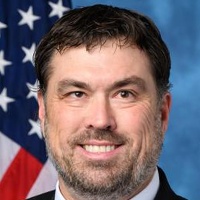
Morgan Luttrell
Representative
TX
Morgan Luttrell
Representative
TX
The SAVES Act establishes a Department of Veterans Affairs (VA) pilot program to award grants to nonprofit organizations that provide service dogs to eligible veterans. These grants, up to $\$2,000,000$ each, will fund the training and provision of service dogs for veterans with qualifying conditions like PTSD or TBI. The bill also extends the expiration date for certain limits on veterans' pension payments until February 2033.
This Act prohibits insurance companies from discriminating against living organ donors when issuing life, disability, or long-term care policies and mandates the updating of educational materials regarding donation risks and insurance implications.
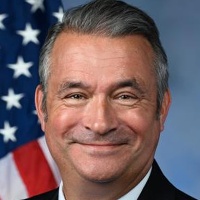
Don Bacon
Representative
NE
Don Bacon
Representative
NE
The Living Donor Protection Act of 2025 prohibits life, disability, and long-term care insurance companies from denying coverage or increasing premiums solely because an individual is a living organ donor. This legislation ensures that living donors are not financially penalized for their altruistic act. Additionally, the bill requires the Secretary of HHS to update educational materials to accurately reflect the insurance protections afforded to living donors.
This constitutional amendment prohibits immunity from criminal prosecution for federal officials based on their official duties and bars the President from self-pardoning.
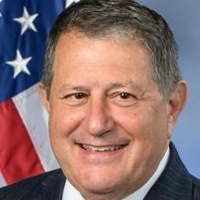
Joseph Morelle
Representative
NY
Joseph Morelle
Representative
NY
This proposed constitutional amendment would eliminate immunity from criminal prosecution for federal officials, including the President, based on their official duties. It also explicitly prohibits the President from issuing a self-pardon for any federal crimes. If ratified, these changes would take effect immediately.
Ally's Act mandates that certain private health insurance plans must cover auditory implant devices, related services, and upgrades for qualifying individuals without imposing stricter cost-sharing or treatment limitations than other medical benefits.
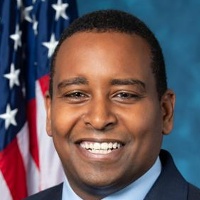
Joe Neguse
Representative
CO
Joe Neguse
Representative
CO
The Ally's Act mandates that certain private health insurance plans must cover auditory implant devices, related supplies, and necessary services for qualifying individuals. This coverage must be comparable to other medical and surgical benefits regarding cost-sharing and treatment limitations. Furthermore, plans cannot deny coverage if a physician or qualified audiologist determines the required hearing items or services are medically necessary. These new requirements take effect for plan years beginning on or after January 1, 2026.
The EACH Act of 2025 mandates that all federally funded health programs and facilities must cover and provide abortion services, while also prohibiting federal interference with private insurance coverage.
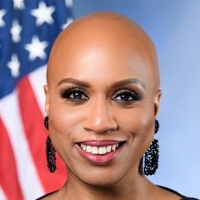
Ayanna Pressley
Representative
MA
Ayanna Pressley
Representative
MA
The EACH Act of 2025 aims to ensure equal access to abortion coverage by requiring all federally funded health programs and facilities to cover abortion services. This legislation prohibits federal interference with state or private insurance coverage of abortion and repeals Section 1303 of the Affordable Care Act. Ultimately, the bill seeks to eliminate financial and insurance barriers to abortion care, particularly for low-income individuals relying on programs like Medicaid.
This bill amends the Family and Medical Leave Act to explicitly qualify time taken for an employee's own organ donation surgery as a serious health condition.
Don Bacon
Representative
NE
Don Bacon
Representative
NE
This bill amends the Family and Medical Leave Act (FMLA) to explicitly clarify that time taken off for an employee's own organ donation surgery qualifies as a serious health condition. This ensures both private and federal sector workers receive FMLA protection for recovery from organ donation. The legislation also specifies how federal employees must substitute existing paid leave when taking FMLA time for this purpose.
This act enhances protections for Medicare beneficiaries receiving orthotic and prosthetic care by ensuring required training accompanies direct shipments and expanding exemptions within competitive acquisition programs.
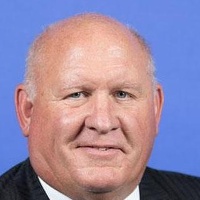
Glenn Thompson
Representative
PA
Glenn Thompson
Representative
PA
The Medicare Orthotics and Prosthetics Patient-Centered Care Act aims to enhance protections for Medicare beneficiaries receiving custom braces and artificial limbs. This bill ensures that payment will not be made for certain devices shipped directly to a patient without required training from a qualified practitioner. Additionally, it expands exemptions from competitive bidding for certain providers and clarifies access to replacement custom orthotic devices.
This bill establishes grants for food hubs to increase market access for socially disadvantaged farmers, creates a tax credit to support food hub purchases, mandates civil rights accountability for USDA employees, shifts the burden of proof in appeals, and creates an independent Office of the Civil Rights Ombudsperson.
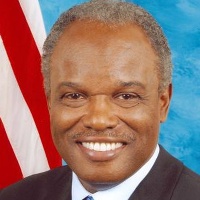
David Scott
Representative
GA
David Scott
Representative
GA
The Black Farmers and Socially Disadvantaged Farmers Increased Market Share Act establishes a new grant program to help food hubs increase market access for socially disadvantaged farmers and ranchers. The bill also introduces an "Agriculture Hub Credit" tax incentive to encourage related spending. Furthermore, it strengthens civil rights accountability for USDA employees, grants new equitable relief powers to the Assistant Secretary for Civil Rights, shifts the burden of proof in agency appeals, and creates an independent Office of the Civil Rights Ombudsperson.
This bill places a temporary moratorium on the closure or restriction of access to National Oceanic and Atmospheric Administration (NOAA) facilities until 180 days after a required justification report is submitted to Congress.
Gabe Amo
Representative
RI
Gabe Amo
Representative
RI
The Stop NOAA Closures Act places a temporary moratorium on the closure or restriction of access to any National Oceanic and Atmospheric Administration (NOAA) facilities. This freeze remains in effect until 180 days after key officials submit a required report to Congress detailing the criteria and process for any future facility changes. After the moratorium lifts, any major facility action will still require a 30-day advance notice and justification report to Congress, except in cases of immediate emergency threatening staff safety.
This bill requires suppliers to inform Medicare beneficiaries undergoing a medically necessary mastectomy that breast reconstruction surgery is covered before performing the procedure, or face non-payment for the mastectomy.

Maxine Waters
Representative
CA
Maxine Waters
Representative
CA
The Medicare Breast Reconstruction Access and Information Act mandates that suppliers performing medically necessary mastectomies must inform patients about their Medicare coverage for post-mastectomy breast reconstruction. This information must be provided and documented in the patient's medical file before the surgery takes place. Failure to comply will result in Medicare withholding payment for the mastectomy procedure.