
Legislative Activity
Track Susan's sponsored bills, co-sponsored legislation, and voting record
This bill streamlines the Public Safety Officers' Benefits program by establishing stricter processing timelines, mandating interim payments for delayed claims, and simplifying the approval process for 9/11-related benefits.

Kirsten Gillibrand
Senator
NY
Kirsten Gillibrand
Senator
NY
The Officer John Barnes and Chief Michael Ansbro Public Safety Officers' Benefit Program Expansion Act of 2026 streamlines the federal benefits process for public safety officers and their families by establishing strict processing timelines and mandatory interim payments for delayed claims. The bill improves transparency through enhanced reporting and annual audits, while simplifying eligibility for 9/11-related claims by leveraging existing certifications from the VCF and WTCHP. Additionally, it mandates proactive outreach and requires the Bureau of Justice Assistance to implement key GAO recommendations to improve overall program management.
This bill establishes a new occupational category for Direct Support Professionals and provides federal grants to states for establishing or expanding paid family and medical leave programs.
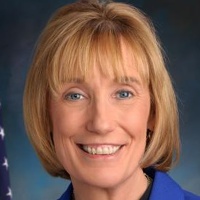
Margaret Hassan
Senator
NH
Margaret Hassan
Senator
NH
This bill establishes the Recognizing the Role of Direct Support Professionals Act, aiming to formally recognize Direct Support Professionals (DSPs) by requiring the Office of Management and Budget to consider creating a distinct occupational category for them in the federal classification system. The legislation also authorizes significant federal grants to states to establish or expand paid family and medical leave programs. If a separate DSP classification is not created, a report explaining the decision must be submitted to Congress.
This resolution celebrates the 35th anniversary of Ukraine’s independence while reaffirming the United States' commitment to Ukraine's sovereignty, democratic development, and security against Russian aggression.

Jeanne Shaheen
Senator
NH
Jeanne Shaheen
Senator
NH
This resolution commemorates the 35th anniversary of Ukraine’s independence, honoring the nation's democratic journey and its resilience against Russian aggression. It reaffirms the United States' commitment to Ukraine’s sovereignty and territorial integrity while advocating for continued diplomatic support and security cooperation. Additionally, the resolution encourages ongoing democratic reforms in Ukraine and the integration of lessons learned from the conflict to strengthen trans-Atlantic security.
This resolution designates August 22–30, 2026, as "National Park Week" to celebrate the history, economic impact, and preservation of the National Park System.
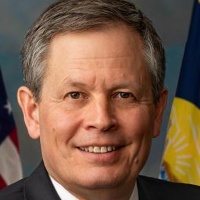
Steve Daines
Senator
MT
Steve Daines
Senator
MT
This resolution designates August 22 through August 30, 2026, as "National Park Week" to honor the National Park Service’s history and ongoing contributions. It recognizes the vital role these parks play in recreation, education, and the economy while encouraging the public to celebrate and support the preservation of our national treasures.
This bill authorizes the Commandant of the Coast Guard to enter into intergovernmental support agreements to improve operational efficiency and community collaboration.

Christopher Murphy
Senator
CT
Christopher Murphy
Senator
CT
The Strengthening Coast Guard Communities Act of 2026 authorizes the Commandant of the Coast Guard to enter into intergovernmental support agreements to improve operational efficiency. This legislation streamlines administrative processes while ensuring congressional oversight by requiring notification to relevant committees whenever this authority is exercised.
This bill mandates updated threat analyses, revised security strategies, and new performance metrics for air and marine operations to enhance oversight and security along the U.S. northern border.
Margaret Hassan
Senator
NH
Margaret Hassan
Senator
NH
The Northern Border Security Enhancement and Review Act mandates regular, updated threat analyses and strategic planning to strengthen security along the U.S.-Canada border. It requires the Department of Homeland Security to establish new performance measures for air and marine operations and provide periodic classified briefings to Congress. The bill is designed to be implemented using existing departmental budgets without additional federal funding.
This bill establishes a federal duty of care and safety requirements for online platforms regarding minors, mandates algorithmic transparency and user choice regarding content personalization, and sets enforcement mechanisms.

Marsha Blackburn
Senator
TN
Marsha Blackburn
Senator
TN
The Kids Online Safety Act establishes a comprehensive "duty of care" requiring online platforms to design features that mitigate specific harms to minors, such as those related to mental health and exploitation. It mandates that platforms provide minors with default, restrictive safety settings and robust parental controls over data sharing and recommendations. Furthermore, the legislation demands significant transparency regarding algorithmic ranking systems and grants the FTC enforcement authority.
The National Plan for Epilepsy Act directs the Secretary of Health and Human Services to review and improve federal epilepsy research, prevention, and care programs to enhance health outcomes for those affected by the condition.
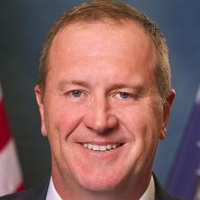
Eric Schmitt
Senator
MO
Eric Schmitt
Senator
MO
The National Plan for Epilepsy Act directs the Secretary of Health and Human Services to conduct a comprehensive review of federal epilepsy programs, research, and care strategies. By collaborating with stakeholders and identifying knowledge gaps, the Act aims to improve health outcomes, enhance treatment, and better support individuals living with epilepsy. The resulting report will provide Congress with actionable recommendations to strengthen federal efforts and coordination in epilepsy prevention and care.
The Rural Residency Planning and Development Act of 2026 establishes grant programs to support the creation of physician residency programs and provide technical assistance to expand medical training in rural communities.

Tina Smith
Senator
MN
Tina Smith
Senator
MN
The Rural Residency Planning and Development Act of 2026 establishes grant programs to support the creation and expansion of physician residency programs in rural areas. By providing funding for both program development and technical assistance, this legislation aims to increase the number of medical professionals practicing in underserved rural communities. The bill authorizes $12.7 million annually from 2027 through 2031 to improve access to primary, specialty, and maternal healthcare.
This legislation reauthorizes and strengthens federal programs dedicated to accelerating research and expanding patient access to promising treatments for amyotrophic lateral sclerosis (ALS) through 2031.

Lisa Murkowski
Senator
AK
Lisa Murkowski
Senator
AK
The Accelerating Access to Critical Therapies for ALS Reauthorization Act of 2026 extends vital funding and support for ALS research and treatment access through 2031. This legislation strengthens grant application requirements, enhances FDA reporting on rare neurodegenerative disease action plans, and mandates new assessments to improve the effectiveness of ongoing programs. These updates ensure continued momentum in the development of life-saving therapies for patients living with ALS.
This bill prohibits the transfer of specific Department of Education offices and functions to other federal agencies while mandating quarterly public reporting on the costs of all interagency agreements.
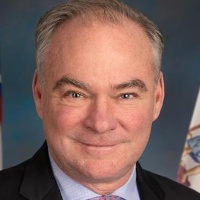
Timothy Kaine
Senator
VA
Timothy Kaine
Senator
VA
This bill prohibits the Secretary of Education from transferring the functions or responsibilities of four key offices—including those overseeing special, postsecondary, Indian, and elementary/secondary education—to other federal agencies. It also mandates rigorous quarterly reporting on the costs of any interagency agreements and restricts the Secretary’s travel funding if these reporting requirements are not met.
This resolution designates August 1, 2026, as "Gold Star Children’s Day" to honor the sacrifices of children who lost a parent while serving in the U.S. Armed Forces.

Roger Wicker
Senator
MS
Roger Wicker
Senator
MS
This resolution designates August 1, 2026, as "Gold Star Children’s Day" to honor the sacrifices and unique hardships faced by children who have lost a parent in military service. It serves as a formal expression of national gratitude, encouraging Americans to recognize and support these children.
This resolution designates July 30, 2026, as "National Whistleblower Appreciation Day" to honor the vital role whistleblowers play in promoting government accountability and protecting the public interest.

Charles Grassley
Senator
IA
Charles Grassley
Senator
IA
This resolution designates July 30, 2026, as "National Whistleblower Appreciation Day" to honor the historical importance of whistleblowers in protecting the public interest. It reaffirms the federal government's commitment to encouraging the reporting of waste, fraud, and abuse while recognizing the vital contributions whistleblowers make to government accountability.
The RISE Act streamlines the disability documentation process for college students, increases transparency in accommodation policies, and mandates institutional reporting on student disability services.
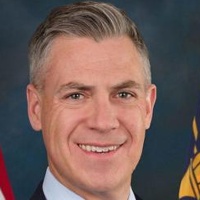
Jim Banks
Senator
IN
Jim Banks
Senator
IN
The Respond, Innovate, Succeed, and Empower (RISE) Act aims to improve college accessibility for students with disabilities by streamlining the documentation process for accommodations. The bill also mandates that colleges report data on students with disabilities and authorizes $10 million in funding for a national technical support center. These measures ensure greater transparency and support for students navigating the transition to postsecondary education.
This resolution condemns the Iranian government for its systematic human rights abuses, including the use of politically motivated espionage charges to justify the detention and execution of peaceful dissidents.
Marsha Blackburn
Senator
TN
Marsha Blackburn
Senator
TN
This resolution condemns the Iranian government for its systematic human rights abuses, including the use of arbitrary detention, coerced confessions, and executions to suppress political dissent. It demands that Iran uphold due process and release individuals imprisoned for exercising their fundamental freedoms. Furthermore, the resolution affirms U.S. support for the Iranian people and calls for continued international accountability for the regime’s actions.
This bill strengthens the CFTC whistleblower program by increasing the Customer Protection Fund cap, expanding whistleblower definitions and anti-retaliation protections, and establishing mandatory deadlines for the timely processing of award claims.
Charles Grassley
Senator
IA
Charles Grassley
Senator
IA
The CFTC Whistleblower Protection and Program Improvement Act of 2026 strengthens the agency’s whistleblower program by increasing the Customer Protection Fund cap and expanding the scope of eligible whistleblower awards. The bill enhances anti-retaliation protections for employees, mandates whistleblower rights training for registered entities, and establishes strict deadlines for the timely processing of award claims. These measures aim to provide more robust support for individuals who report misconduct in the commodities and futures markets.
This bill mandates a six-year extension for the sale of the Alzheimer’s semipostal stamp, with all proceeds dedicated to funding medical research at the National Institutes of Health.
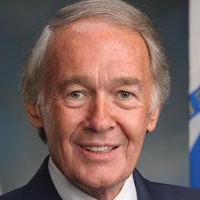
Edward Markey
Senator
MA
Edward Markey
Senator
MA
This bill mandates that the United States Postal Service continue selling the Alzheimer’s semipostal stamp for an additional six years. Proceeds from these sales will be transferred to the National Institutes of Health to support ongoing medical research into Alzheimer’s disease.
The Rural Obstetrics Readiness Act establishes grant programs and teleconsultation services to improve emergency obstetric training, equipment, and maternal care access in rural health facilities.
Margaret Hassan
Senator
NH
Margaret Hassan
Senator
NH
The Rural Obstetrics Readiness Act aims to improve maternal health outcomes in rural areas by providing grants for emergency obstetric training, essential medical equipment, and staffing at facilities without dedicated obstetric units. The legislation also establishes a telehealth pilot program to connect rural providers with maternal health specialists for urgent consultations. Additionally, it mandates a comprehensive study on rural maternity ward closures to better inform future regional care strategies.
The Wildfire Reduction Market Expansion Act of 2026 updates the Clean Air Act to expand the definition of "renewable biomass," incentivizing the use of forest management and wildfire risk reduction materials in federal renewable fuel programs.

Jeff Merkley
Senator
OR
Jeff Merkley
Senator
OR
The Wildfire Reduction Market Expansion Act of 2026 updates the Clean Air Act to broaden the definition of "renewable biomass" eligible for federal renewable fuel programs. By including a wider range of forest residuals and vegetation sourced from wildfire risk reduction and restoration activities, the bill incentivizes the removal of hazardous fuels from both public and private lands. This legislation streamlines the certification process to encourage the use of forest materials in renewable energy production.
This bill prohibits the sale or importation of connected vehicles, software, and hardware originating from or controlled by North Korea, China, Russia, or Iran due to national security risks.
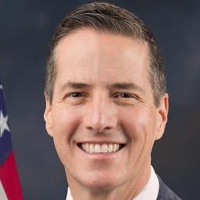
Bernie Moreno
Senator
OH
Bernie Moreno
Senator
OH
The Connected Vehicle Security Act of 2026 prohibits the sale or importation of connected vehicles, their parts, and related software originating from or controlled by covered adversarial countries (North Korea, China, Russia, or Iran). Enforced by the Secretary of Commerce, this law aims to mitigate national security risks associated with foreign adversary access to sensitive vehicle data and control systems. The Act establishes phased bans starting in 2027 for vehicles and software, and 2030 for hardware, while setting up processes for compliance, authorization, and enforcement.