Legislative Activity
Track Nicholas's sponsored bills, co-sponsored legislation, and voting record
This resolution disapproves an EPA rule that authorized California to enforce its own pollution control standards for ocean-going vessels while docked at port.
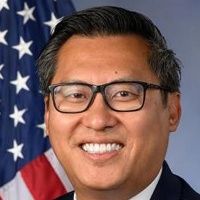
Vince Fong
Representative
CA
Vince Fong
Representative
CA
This resolution invokes the Congressional Review Act to disapprove an EPA rule that authorized California to enforce its own emissions standards for ocean-going vessels docked at state ports. By nullifying this decision, the resolution renders the EPA’s approval of these specific pollution control standards without legal force or effect.
This bill restricts stock trading by Members of Congress and their families while establishing new federal requirements for voters to provide photo identification in federal elections.
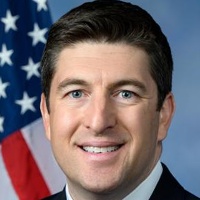
Bryan Steil
Representative
WI
Bryan Steil
Representative
WI
The Stop Insider Trading Act restricts Members of Congress, their spouses, and dependent children from purchasing or selling individual stocks to prevent conflicts of interest. Additionally, the bill mandates that voters provide valid photo identification when voting in person or by mail in federal elections.
This bill clarifies that a franchisor is only considered a joint employer of a franchisee's workers if it exercises substantial, direct, and immediate control over essential terms of employment.
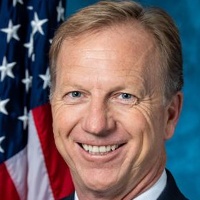
Kevin Hern
Representative
OK
Kevin Hern
Representative
OK
The American Franchise Act aims to protect the traditional franchise business model by clarifying the definition of a "joint employer." This legislation establishes that a franchisor is only considered a joint employer if it exercises "substantial direct and immediate control" over the essential terms of employment for a franchisee's workers. This change specifically targets liability risks associated with maintaining brand standards, ensuring franchisors are not automatically held responsible for local labor practices. The new standard applies prospectively to future legal proceedings.
The PRIVACY Act mandates that federal law enforcement obtain a warrant to access state and local surveillance data, establishes strict retention and minimization standards, and prohibits the use of federal funds for certain invasive surveillance technologies.
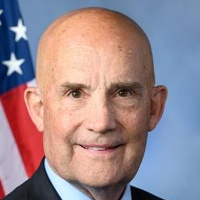
Keith Self
Representative
TX
Keith Self
Representative
TX
The PRIVACY Act establishes strict federal oversight for the use of state and local surveillance data, requiring federal law enforcement to obtain a warrant before accessing information from technologies like license plate readers and facial recognition cameras. The bill mandates strict data retention limits, prohibits the use of federal funds for certain surveillance technologies, and provides legal recourse for individuals whose privacy rights are violated. By increasing transparency and accountability, the Act ensures that federal agencies cannot bypass constitutional protections when utilizing local surveillance tools.
This Act prohibits payment card networks and processors from assigning specific merchant category codes to identify firearms retailers, protecting the privacy of firearm and ammunition purchases.
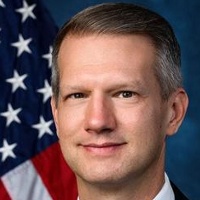
Riley Moore
Representative
WV
Riley Moore
Representative
WV
The Protecting Privacy in Purchases Act prohibits payment card networks and processors from assigning specific merchant category codes to firearms retailers. This legislation aims to protect consumer privacy by preventing the tracking of firearm and ammunition purchases through specialized financial classification. The Attorney General is tasked with enforcing these provisions and reporting annually on compliance.
The NSF AI Education Act of 2025 expands National Science Foundation support for AI education through new scholarships, industry fellowships, community college centers of excellence, and research awards for K-12 AI integration.
Vince Fong
Representative
CA
Vince Fong
Representative
CA
The NSF AI Education Act of 2025 significantly expands the National Science Foundation's role in bolstering the AI workforce through education and training. It establishes new scholarships and fellowships for students and professionals in AI-related fields, while also creating Centers of AI Excellence at community colleges and technical schools. Furthermore, the bill funds research awards to develop effective AI teaching methods and materials for K-12 education. Overall, this legislation aims to build a robust, skilled, and diverse AI talent pipeline across all educational levels.
This bill renames and revises the Great American Outdoors Act's maintenance fund, increases dedicated funding through new, higher fees for foreign visitors, and sets spending priorities for deferred maintenance across public lands agencies.
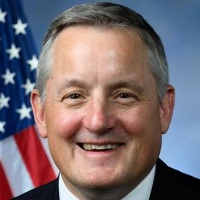
Bruce Westerman
Representative
AR
Bruce Westerman
Representative
AR
This bill, the Great American Outdoors Act 250, significantly reforms and renames the existing public lands restoration fund to the America’s Legacy Restoration Fund. It secures dedicated funding streams, primarily from energy revenues and new fees on foreign visitors, to address critical deferred maintenance across the National Park Service, Forest Service, and other public land agencies. The legislation establishes strict spending priorities for infrastructure repair while also creating pilot programs for enhancing outdoor recreation and sportsmen's access. Finally, it mandates increased transparency and accountability through standardized metrics and public reporting on all funded projects.
This Act mandates updated threat analyses, strategy revisions, and performance metrics for enhancing security along the northern border.
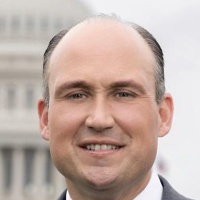
Nicholas Langworthy
Representative
NY
Nicholas Langworthy
Representative
NY
The Northern Border Security Enhancement and Review Act mandates updated threat analyses of the northern border every two years, with the first due by September 2, 2026. Following each analysis, the Department of Homeland Security must update its border strategy or formally explain why an update is unnecessary. The bill also requires classified briefings for Congress and the development of performance measures for Air and Marine Operations along the northern border.
This Act enhances accountability and transparency for Small Business Administration (SBA) disaster loans through expanded reporting requirements, detailed budget submissions, low-funding notifications, and independent GAO reviews.
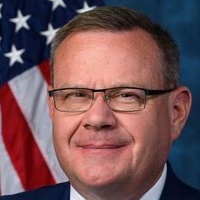
Tim Moore
Representative
NC
Tim Moore
Representative
NC
The Disaster Loan Accountability and Reform Act (DLARA) aims to increase transparency and oversight of Small Business Administration (SBA) disaster loan programs. It mandates expanded monthly reporting on loan funding levels, requires detailed breakdowns in future Presidential budget requests, and imposes new notification requirements when disaster loan funds become critically low. Additionally, the bill directs the GAO to report on loan disbursement rates and the financial impact of recent program changes.
This Act prohibits sex offenders from participating in surrogacy arrangements and imposes severe criminal penalties on agencies, employees, and offenders who violate this prohibition.
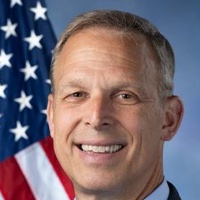
Scott Perry
Representative
PA
Scott Perry
Representative
PA
The Protecting Kids from Creeps Act prohibits sex offenders from participating in surrogacy arrangements. This bill imposes severe criminal penalties, including lengthy prison sentences, for sex offenders, surrogacy agencies, and their employees who knowingly facilitate such agreements. Furthermore, convicted agencies lose tax-exempt status and eligibility for federal funding, and any resulting surrogacy agreements are void.
This Act voids surrogacy agreements between U.S. surrogates and foreign national prospective parents and penalizes brokers who facilitate them to prevent exploitation and national security risks.
Scott Perry
Representative
PA
Scott Perry
Representative
PA
This Act invalidates surrogacy agreements between foreign national prospective parents and U.S. surrogate mothers, voiding such contracts. It imposes criminal penalties on surrogacy brokers who facilitate these arrangements for foreign nationals. Furthermore, the bill limits the ability of foreign national parents to gain immigration benefits through a child born under these voided agreements.
This joint resolution disapproves the D.C. Council's temporary amendment regarding body-worn camera transparency for use of force incidents.
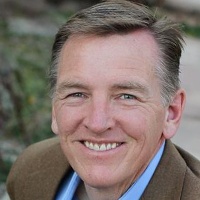
Paul Gosar
Representative
AZ
Paul Gosar
Representative
AZ
This joint resolution disapproves the District of Columbia Council's approval of the Body-Worn Camera Transparency for Use of Force Temporary Amendment Act of 2026. By disapproving this local D.C. legislation, Congress prevents the temporary amendment from taking effect.
The CLEAN Act mandates annual geothermal lease sales and establishes strict timelines for the review and issuance of geothermal drilling permits.
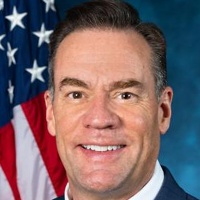
Russ Fulcher
Representative
ID
Russ Fulcher
Representative
ID
The CLEAN Act aims to accelerate geothermal energy development by requiring the Department of the Interior to hold annual geothermal lease sales, ensuring a minimum of 75% of nominated parcels are offered. It also establishes strict, expedited timelines for the review and issuance of geothermal drilling permits. This legislation seeks to streamline the leasing and permitting process to boost domestic clean energy production.
This bill establishes the Smithsonian American Women's History Museum, designates its site on the National Mall, and sets requirements for its mission, construction, and diverse representation of viewpoints.
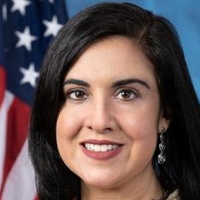
Nicole Malliotakis
Representative
NY
Nicole Malliotakis
Representative
NY
This act officially establishes the Smithsonian American Women’s History Museum and designates its location on the National Mall, requiring the transfer of land jurisdiction to the Smithsonian Institution. The museum is mandated to preserve and present the history and achievements of biological women in the United States. Furthermore, the legislation requires that exhibits and programs reflect diverse political viewpoints and authentic experiences of women, as guided by a broad array of knowledgeable sources.
This bill extends the Rural Community Hospital Demonstration Program for an additional five years and modifies extension criteria for participating hospitals.
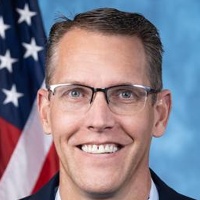
Randy Feenstra
Representative
IA
Randy Feenstra
Representative
IA
This bill, the "Rural Community Hospital Demonstration Program Reauthorization," extends the existing rural community hospital demonstration program for an additional five years, making it a 20-year program. It also updates the criteria for an additional extension period to cover certain hospitals that join the program between late 2024 and early 2027.
This bill expands Medicare Part B coverage to reimburse for specific pharmacist services related to testing and treatment for certain public health threats, effective January 1, 2026.
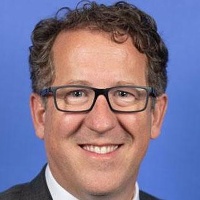
Adrian Smith
Representative
NE
Adrian Smith
Representative
NE
The Ensuring Community Access to Pharmacist Services Act expands Medicare Part B coverage to include services provided by pharmacists starting January 1, 2026. This coverage is specifically for testing or treatment related to COVID-19, the flu, RSV, strep throat, or during a declared public health emergency. The bill outlines payment structures, generally covering 80% of the cost, and prohibits pharmacists from balance billing Medicare patients for these covered services.
This bill reauthorizes and expands federal research and development programs for both hydropower and marine energy technologies through 2030.
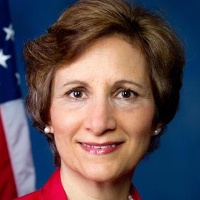
Suzanne Bonamici
Representative
OR
Suzanne Bonamici
Representative
OR
This bill reauthorizes and expands federal research and development programs for both hydropower and marine energy. It updates research goals to focus on improving environmental impacts, modernizing grid integration, and fostering domestic manufacturing and supply chains. The legislation also increases funding authorization for these water power technologies through fiscal year 2030.
This bill establishes a VA Task Force to research, improve healthcare, and set baselines for veterans and service members affected by blast overpressure exposure.
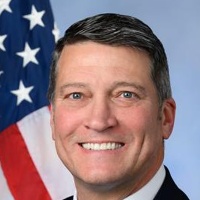
Ronny Jackson
Representative
TX
Ronny Jackson
Representative
TX
This Act establishes the Blast Overpressure Research and Mitigation Task Force within the Department of Veterans Affairs. The Task Force will improve healthcare, align research, and establish baselines for service members and veterans affected by blast overpressure exposure. It is charged with prioritizing research on related conditions and submitting annual reports with recommendations for evaluating service-connected neurological injuries.
This bill directs key federal agencies to report annually on strategies to defend U.S. interests against financial crimes facilitated by adversarial actors using artificial intelligence.
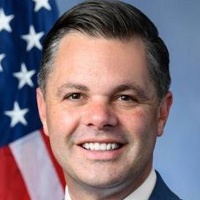
Zachary (Zach) Nunn
Representative
IA
Zachary (Zach) Nunn
Representative
IA
The AI PLAN Act directs key federal agencies to develop a strategy to counter the national and economic security risks posed by adversarial actors using artificial intelligence for financial crimes. This involves submitting annual reports detailing current and needed resources, interagency coordination, and public-private partnerships. The bill also mandates follow-up recommendations for legislative action and best practices to mitigate these evolving AI-driven threats.
This bill establishes the Combating Organized Retail Crime Act of 2025 to enhance federal prosecution tools against organized retail and supply chain crime and create a DHS-led coordination center to align law enforcement efforts.
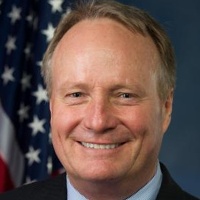
David Joyce
Representative
OH
David Joyce
Representative
OH
The Combating Organized Retail Crime Act of 2025 aims to combat sophisticated, cross-jurisdictional organized retail and supply chain theft. It achieves this by strengthening federal laws regarding money laundering and stolen property offenses, including lowering monetary thresholds for prosecution. Furthermore, the bill establishes a dedicated Center within the Department of Homeland Security to coordinate federal, state, and local enforcement efforts against these criminal organizations.