This resolution recognizes National Native American Heritage Month to celebrate the diverse heritages, cultures, and significant contributions of Native Americans to the United States.
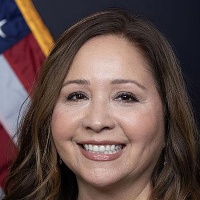
Adelita Grijalva
Representative
AZ-7
This resolution officially recognizes November as National Native American Heritage Month to celebrate the rich heritages, cultures, and vital contributions of Native Americans to the United States. It highlights their historical influence on American governance, their significant achievements in various fields, and their distinguished military service. Furthermore, the resolution reaffirms Congress's commitment to supporting Tribal self-governance and improving resources for Native American communities.
New Resolution Reaffirms Commitment to Tribal Sovereignty and Native American Heritage Month
This resolution is all about making it official: November is National Native American Heritage Month, and Congress is taking a moment to acknowledge the massive, often overlooked, contributions of Native Americans to the U.S. It formally recognizes the period from November 1 through November 30 for this celebration and urges the public to observe it, including Native American Heritage Day.
The Long History of Influence
This isn't just a symbolic calendar marker; the resolution highlights specific, profound impacts Native Americans have had on the country. For instance, it points out that concepts central to the U.S. Constitution—like freedom of speech, separation of governmental powers, and checks and balances—actually originated from Tribal Nations. Think about that: the foundational structure of our government owes a debt to indigenous political systems. The resolution also recognizes significant contributions across agriculture, medicine, music, and language, showing that their heritage is deeply woven into the fabric of American life.
Service and Self-Governance
For those who focus on national security or military service, the resolution makes a point of recognizing that Native Americans serve in the Armed Forces at a higher rate per capita than any other group. It specifically calls out the critical role of Native American code talkers in World War I and World War II, whose use of indigenous languages created unbreakable military codes—a tactical advantage that literally helped win wars. Beyond history, the resolution reaffirms Congress's commitment to supporting Tribal self-governance and self-determination. This is the government-to-government relationship that matters most for Tribal sovereignty.
Improving Real-World Resources
While this is a resolution and not a bill that allocates new money, it does include a commitment to improving the lives of Native Americans by enhancing resources for critical services. Specifically, it mentions health care, law enforcement, housing, and socioeconomic status. For someone living in a Tribal community, this commitment means Congress is theoretically focused on strengthening the infrastructure that affects daily life—from getting timely medical care to ensuring adequate policing and stable housing. The resolution acts as an official statement that these issues remain a priority for the federal government, backing up the government-to-government relationship with a promise of improving tangible resources. Essentially, it puts Congress on record supporting cultural recognition and practical improvements.