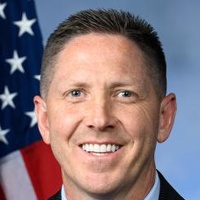
Legislative Activity
Track Josh's sponsored bills, co-sponsored legislation, and voting record
This act repeals an exception to terrorism-related grounds for inadmissibility and allows for the deportation of individuals admitted under that now-removed exception.
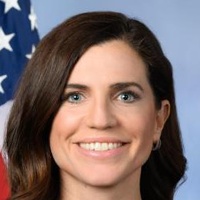
Nancy Mace
Representative
SC
Nancy Mace
Representative
SC
The Stop Importing Terrorism Act repeals a specific exception in immigration law that previously allowed certain individuals with terrorism-related connections to enter the United States. This change makes individuals admitted under that now-removed exception potentially subject to deportation. The bill aims to strengthen inadmissibility standards related to terrorism.
This Act permits 501(c)(3) organizations to make political campaign statements within the ordinary course of their tax-exempt activities, provided the cost is de minimis.
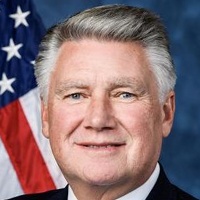
Mark Harris
Representative
NC
Mark Harris
Representative
NC
The Free Speech Fairness Act amends tax law to allow 501(c)(3) organizations to make political campaign statements without jeopardizing their tax-exempt status. This protection applies only if the statement is made as part of the organization's ordinary course of activities and incurs only a de minimis (trivial) cost. This ensures non-profits can speak on political matters related to their mission without penalty, provided spending remains minimal.
This bill prohibits states from offering in-state tuition rates to undocumented immigrants or risk losing federal student aid funding the following fiscal year.
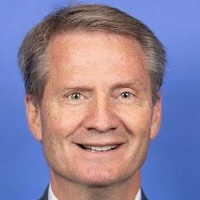
Tim Burchett
Representative
TN
Tim Burchett
Representative
TN
This bill, the "No In-State Tuition for Illegal Immigrants Act," penalizes states that offer in-state tuition rates to undocumented students. If a state provides these lower rates, it risks losing all federal student financial assistance, such as Pell Grants, in the following fiscal year. The legislation ties state tuition policies directly to the receipt of federal education funding.
This bill completely repeals the Renewable Fuel Standard program established under the Clean Air Act and makes necessary conforming amendments to related laws.
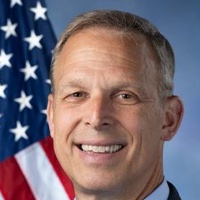
Scott Perry
Representative
PA
Scott Perry
Representative
PA
The Eliminating the RFS and Its Destructive Outcomes Act completely repeals the Renewable Fuel Standard (RFS) program established under Section 211(o) of the Clean Air Act. This legislation removes all references to the repealed standard throughout related environmental and petroleum marketing laws. In essence, the bill eliminates the federal renewable fuel mandate.
The SHORT Act redefines "firearm" to exclude certain collector's items, eliminates disparate federal treatment of short-barreled rifles and shotguns, preempts state and local registration/tax burdens on these items, and mandates the destruction of certain existing NFA records.
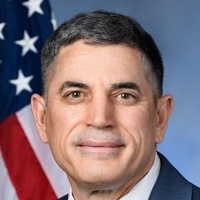
Andrew Clyde
Representative
GA
Andrew Clyde
Representative
GA
The SHORT Act aims to reform federal firearms regulations by redefining what constitutes a "firearm" for tax purposes, largely excluding antique or collector's items. It eliminates disparate federal treatment for short-barreled rifles and shotguns used lawfully and preempts state and local governments from imposing special taxes or registration requirements on these specific weapons. Furthermore, the bill mandates the destruction of certain existing federal registration and transfer records related to defined firearms.
This Act permanently bars individuals who enter the United States unlawfully from becoming naturalized U.S. citizens.
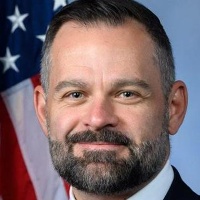
Cory Mills
Representative
FL
Cory Mills
Representative
FL
The "No Citizenship for Alien Invaders Act of 2025" amends naturalization requirements to explicitly bar any individual who entered the United States unlawfully from becoming a naturalized U.S. citizen. This new restriction overrides any other provision of immigration law that might otherwise allow for naturalization. In short, unlawful entry permanently disqualifies a person from becoming a citizen.
This act prohibits public institutions of higher education from receiving federal funding if they offer in-state tuition or state-based financial aid to undocumented students.
Nancy Mace
Representative
SC
Nancy Mace
Representative
SC
The American Students First Act penalizes public colleges that offer in-state tuition rates or state financial aid to undocumented students. If a college is found to violate these provisions, it will lose all federal financial assistance for the following fiscal year. This measure aims to restrict benefits for non-lawfully present aliens at the expense of federal funding for the institution.
This Act mandates that colleges receiving federal student aid must use E-Verify and face loss of funding if they hire unauthorized workers.
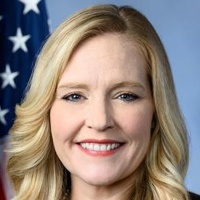
Erin Houchin
Representative
IN
Erin Houchin
Representative
IN
The College Employment Accountability Act ties federal student aid eligibility to institutional hiring practices. This bill mandates that all institutions receiving federal student aid must participate in the E-Verify program. Furthermore, colleges found employing unauthorized aliens will immediately lose access to federal student assistance and institutional aid. The Department of Homeland Security is required to monitor compliance and report non-participating or non-compliant schools to the Department of Education.
This bill establishes national reciprocity for concealed carry permits, allowing individuals legally permitted to carry in their home state to carry a handgun in any other state that allows concealed carry.
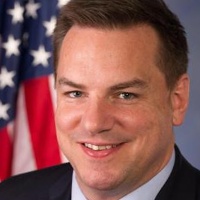
Richard Hudson
Representative
NC
Richard Hudson
Representative
NC
The Constitutional Concealed Carry Reciprocity Act of 2025 establishes a national standard for carrying concealed handguns across state lines. This act allows individuals legally permitted to carry in their home state to carry concealed in any other state that allows its residents to carry concealed firearms. The law does not override private property restrictions or prohibitions on government property, but it provides protections and legal recourse for those traveling in compliance with the new federal standard.
This act eliminates the Optional Practical Training (OPT) program, ending work authorization for F-1 visa students unless explicitly authorized by future Congressional action.

Paul Gosar
Representative
AZ
Paul Gosar
Representative
AZ
The Fairness for High-Skilled Americans Act of 2025 aims to eliminate the Optional Practical Training (OPT) program, which currently allows F-1 student visa holders to gain temporary work authorization after completing their studies. This bill removes the government's authority to grant such work permission unless explicitly authorized by a future Act of Congress.
The PARENT Act of 2025 redefines automatic birthright citizenship, requiring at least one parent to be a U.S. citizen or lawful permanent resident for a child born in the U.S. to automatically acquire citizenship.
Cory Mills
Representative
FL
Cory Mills
Representative
FL
The PARENT Act of 2025 seeks to amend the definition of birthright citizenship under U.S. law. This legislation specifies that a child born in the U.S. is only automatically granted citizenship if at least one parent is a U.S. citizen or a lawful permanent resident at the time of birth. These changes would only apply to individuals born after the Act is officially enacted.
This bill formally impeaches Chief Judge John James McConnell Jr. of the U.S. District Court for Rhode Island for high crimes and misdemeanors based on allegations of political bias and conflicts of interest.
Andrew Clyde
Representative
GA
Andrew Clyde
Representative
GA
This bill constitutes the Articles of Impeachment filed by the House of Representatives against Chief Judge John James McConnell Jr. of the U.S. District Court for Rhode Island. The articles charge the Judge with high crimes and misdemeanors based on allegations of political bias and significant conflicts of interest. Specifically, the accusations cite his political donations, public statements regarding former President Trump, and his leadership role in a non-profit organization funded by a party in a case he presided over. The resolution formally seeks his removal from the federal bench.
This bill mandates the revocation of student and exchange visitor visas and initiates deportation proceedings for individuals convicted of assaulting a police officer or engaging in riot-related activities.
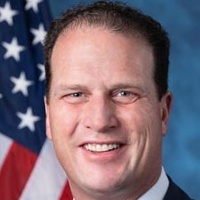
August Pfluger
Representative
TX
August Pfluger
Representative
TX
The UPRISERS Act mandates the revocation of student and exchange visitor visas for individuals convicted of assaulting a police officer or engaging in riot-related offenses. Furthermore, this bill makes conviction for these specific crimes grounds for deportation for those holding F, J, or M visas. This legislation targets non-immigrant visa holders involved in violent civil unrest or attacks on law enforcement.
This bill impeaches Chief Judge James E. Boasberg for allegedly abusing his power to obstruct the President's enforcement of immigration laws related to a designated terrorist organization.
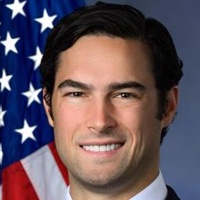
Brandon Gill
Representative
TX
Brandon Gill
Representative
TX
This bill impeaches Judge James E. Boasberg, Chief Judge for the District of Columbia, for high crimes and misdemeanors. The impeachment accuses Boasberg of abusing judicial power for political gain by obstructing the President's authority to remove aliens associated with a designated Foreign Terrorist Organization. Boasberg is accused of interfering with the President's enforcement of laws, jeopardizing national safety, and undermining the separation of powers. The bill seeks his removal from office.
The Fair and Open Competition Act of 2025 prohibits the federal government from requiring or penalizing bidders or contractors on federally funded construction projects based on their agreement or non-agreement with labor unions.
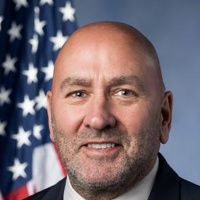
Clay Higgins
Representative
LA
Clay Higgins
Representative
LA
The Fair and Open Competition Act of 2025 ensures fair competition on federally funded construction projects by prohibiting the government from requiring or penalizing bidders based on union agreements. This legislation aims to keep federal agencies neutral in labor relations while promoting cost savings and opening opportunities for all businesses. Exceptions to this neutrality rule are strictly limited to specific public health, safety, or national security emergencies.
The Major Richard Star Act ensures that military retirees with combat-related disabilities can concurrently receive their full military retirement pay and VA disability compensation without reduction.

Gus Bilirakis
Representative
FL
Gus Bilirakis
Representative
FL
The Major Richard Star Act ensures that military retirees with combat-related disabilities can receive both their military retirement pay and VA disability compensation concurrently without reduction. This law removes previous restrictions that caused military retirement pay to be offset by VA disability payments for these specific cases. The changes take effect on the first day of the month following the Act's enactment.
The LAND Act restricts foreign purchases of U.S. agricultural land by applying reciprocal ownership rules based on the buyer's home country and establishes a Task Force to monitor and report on these transactions.
Brandon Gill
Representative
TX
Brandon Gill
Representative
TX
The Land And National Defense Act (LAND Act) imposes strict reciprocal restrictions on foreign entities purchasing U.S. agricultural land, mirroring the limitations a U.S. citizen would face when buying land in the purchaser's home country. It establishes a new Task Force, chaired by the Secretary of Agriculture, to monitor and report on foreign ownership compliance. Furthermore, sellers are required to report all agricultural land sales to foreign purchasers to the Secretary of Agriculture.
The VOTE Act would prohibit states from receiving federal election funds for any year they provide federal election ballots in languages other than English, while also eliminating existing federal requirements for bilingual voting materials in certain jurisdictions.
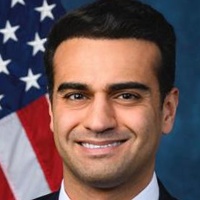
Abraham Hamadeh
Representative
AZ
Abraham Hamadeh
Representative
AZ
The VOTE Act, or Voting Only Through English Act, restricts federal election funding for any state that provides ballots in languages other than English for federal elections. This bill eliminates existing federal requirements that mandate bilingual ballots or assistance in certain jurisdictions. Consequently, states choosing to offer multilingual ballots risk losing federal election administration funds for the entire fiscal year.
The Deportation Compliance Act prohibits U.S. foreign assistance to countries penalized for delaying or refusing to accept their deported citizens.
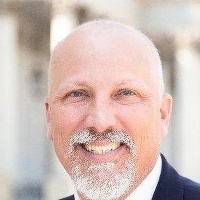
Chip Roy
Representative
TX
Chip Roy
Representative
TX
The Deportation Compliance Act prohibits U.S. foreign assistance to countries that have been penalized by the Secretary of State for delaying or refusing to accept their own citizens, subjects, nationals, or residents for longer than 180 days. This prohibition remains in effect as long as the country continues to delay or refuse acceptance.
This act allows U.S. citizens to sue local governments defined as "sanctuary jurisdictions" for crimes committed by undocumented aliens due to failures in immigration enforcement.
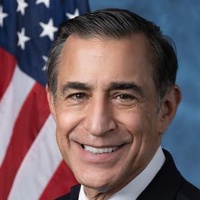
Darrell Issa
Representative
CA
Darrell Issa
Representative
CA
The Sanctuary City Accountability Act establishes a new private right of action allowing U.S. citizens to sue local governments defined as "sanctuary jurisdictions" for crimes committed against them by undocumented aliens. This allows citizens to seek injunctive relief or compensatory damages in federal court if local policies obstruct federal immigration enforcement. A local government is protected from these lawsuits if its actions are mandated by state law.