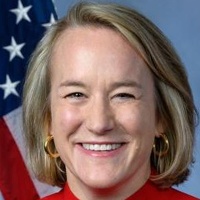
Legislative Activity
Track Nicole's sponsored bills, co-sponsored legislation, and voting record
The Essential Caregivers Act of 2025 guarantees nursing home and long-term care residents the right to designate an essential caregiver who maintains access to them even during public health emergencies.
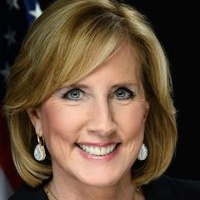
Claudia Tenney
Representative
NY
Claudia Tenney
Representative
NY
The Essential Caregivers Act of 2025 protects the rights of residents in long-term care facilities to designate an essential caregiver who can provide support and companionship. This legislation ensures that these caregivers maintain in-person access to residents even during public health emergencies when general visitation is restricted. By establishing clear protocols and an appeals process, the bill aims to prevent the harmful effects of isolation and ensure residents continue to receive vital care and advocacy.
This bill authorizes Congress to award Congressional Gold Medals to the 1980 U.S. Men's Olympic Ice Hockey team for their historic "Miracle on Ice" victory.
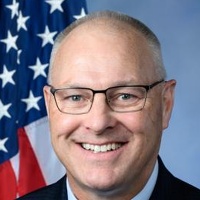
Pete Stauber
Representative
MN
Pete Stauber
Representative
MN
This bill, the Miracle on Ice Congressional Gold Medal Act, officially authorizes Congress to award Congressional Gold Medals to the 1980 U.S. Men's Olympic Ice Hockey Team for their historic "Miracle on Ice" victory. The medals will be struck by the Treasury and permanently displayed at specific national sports museums. The Act also permits the sale of duplicate bronze medals to cover production costs.
This act nullifies a recent Executive Order regarding federal labor relations and ensures existing collective bargaining agreements remain in effect.
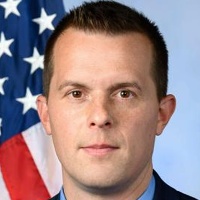
Jared Golden
Representative
ME
Jared Golden
Representative
ME
The Protect America's Workforce Act nullifies a specific Executive Order issued in March 2025 concerning exclusions from federal labor-management relations programs. This legislation ensures that any existing collective bargaining agreements between federal agencies and employee unions remain fully in effect until their stated expiration dates. The Act also prohibits the use of federal funds to implement the overturned Executive Order.
This act restores access to professional degrees by amending the Higher Education Act to remove specific annual and aggregate loan limits for graduate and professional students.
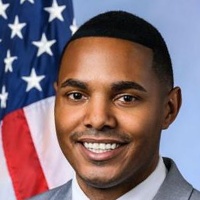
Ritchie Torres
Representative
NY
Ritchie Torres
Representative
NY
The Professional Degree Access Restoration Act amends the Higher Education Act to eliminate specific annual and aggregate loan limits for Federal Direct PLUS Loans made to graduate and professional students. This action removes previous restrictions on the maximum amount graduate students can borrow through these federal loan programs.
This bill establishes a federal student loan repayment program to incentivize mental health professionals to work in designated shortage areas for up to six years.
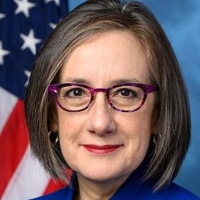
Andrea Salinas
Representative
OR
Andrea Salinas
Representative
OR
This bill establishes the Mental Health Professionals Workforce Shortage Loan Repayment Act of 2025 to address critical shortages in mental health care. It creates a federal program administered by HRSA to repay student loans for eligible mental health professionals. In exchange, participants must commit to up to six years of full-time service in designated mental health professional shortage areas. The program aims to incentivize practitioners to serve in underserved communities through significant loan forgiveness, capped at $250,000 per individual.
This act mandates protective barriers for new fixed-route bus operator workstations purchased with federal funds, unless waived by the relevant labor union.
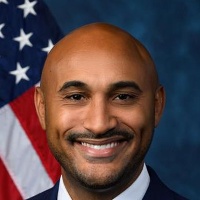
Shomari Figures
Representative
AL
Shomari Figures
Representative
AL
The Bus Operator Safety and Security Act mandates that new fixed-route buses purchased with federal funds, meeting specific size and lifespan criteria, must be equipped with a protective barrier around the operator's workstation. This barrier must fully enclose the area without obstructing the driver's line of sight. This requirement can be waived if the relevant labor union agrees to the waiver for the specific bus purchase.
This bill establishes new payment standards, rebate requirements, and anti-steering rules for Pharmacy Benefit Managers in Medicare and Medicaid while increasing transparency in Medicaid drug price reporting.
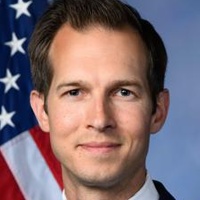
Jake Auchincloss
Representative
MA
Jake Auchincloss
Representative
MA
This bill establishes new federal requirements for Pharmacy Benefit Managers (PBMs) contracting with Medicare Part D and Medicaid plans, effective in 2027. It mandates specific payment standards for pharmacies, requires PBMs to pass manufacturer rebates directly to patients and plan sponsors, and strictly prohibits steering patients toward specific pharmacies. Additionally, the legislation enhances transparency by expanding drug price reporting requirements for all types of pharmacies within the Medicaid program.
This resolution commends state and local governments for championing reproductive rights as human rights while condemning abortion restrictions and criminalization following the *Dobbs* decision.
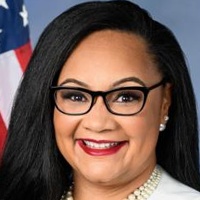
Nikema Williams
Representative
GA
Nikema Williams
Representative
GA
This concurrent resolution commends state and local governments for championing reproductive rights as human rights following the overturning of *Roe v. Wade*. It declares that denying abortion care leads to severe health risks and highlights the criminalization of pregnancy outcomes across the U.S. The resolution urges states to repeal abortion restrictions and affirm that reproductive rights are fundamental human rights.
The Computer Science for All Act of 2025 establishes a grant program to fund states, local agencies, and tribal schools in expanding universal, equitable computer science education from pre-K through high school.
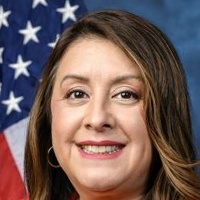
Luz Rivas
Representative
CA
Luz Rivas
Representative
CA
The Computer Science for All Act of 2025 establishes a grant program to dramatically expand computer science education across all grade levels in states, local districts, and Tribal schools. These grants aim to ensure universal access to rigorous computer science and STEAM learning, focusing specifically on closing equity gaps for underrepresented students. The Act mandates teacher training, curriculum development, and detailed reporting to track progress toward these national goals.
This bill significantly increases civil penalties across various federal labor laws, strengthens enforcement for health plan compliance, establishes penalties for employer unfair labor practices, and treats certain recordkeeping failures as continuing violations.
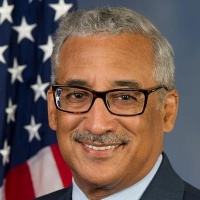
Robert Scott
Representative
VA
Robert Scott
Representative
VA
The Labor Enforcement to Securely Protect Workers (LETS Protect Workers) Act significantly increases civil penalties for violations across major federal labor laws, including child labor, wage and hour, and workplace safety standards. It strengthens enforcement mechanisms for mine safety violations and retaliation against miners, while also establishing new penalties for employer unfair labor practices under the National Labor Relations Act. Furthermore, the bill enhances enforcement for health plan parity and makes certain recordkeeping failures under OSHA and FLSA continuing violations.
This bill officially renames the United States Postal Service facility at 5225 Harrison Avenue in Rockford, Illinois, as the Jay P. Larson Post Office Building.
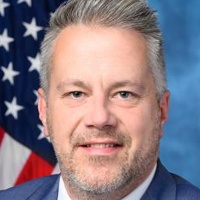
Eric Sorensen
Representative
IL
Eric Sorensen
Representative
IL
This bill officially designates the United States Postal Service facility located at 5225 Harrison Avenue in Rockford, Illinois, as the **Jay P. Larson Post Office Building**. The legislation ensures that all future official references to this specific location will use the newly established name.
This bill officially names the World War II Women's Memorial at Arlington National Cemetery and adjusts location restrictions for a related commemorative work in Washington, D.C.

Debbie Dingell
Representative
MI
Debbie Dingell
Representative
MI
This Act officially names the memorial at the entrance to Arlington National Cemetery as the "World War II Women's Memorial." It also designates this memorial as a "commemorative work" under existing federal law. Furthermore, the bill allows a specific World War II home front women's commemorative work to be placed in designated areas within Washington, D.C., overriding standard location restrictions.
The Right to Read Act of 2025 establishes definitions for effective school libraries and the right to read, amends federal education law to require state and local plans supporting these rights, authorizes funding for literacy programs, and mandates data collection on school libraries.
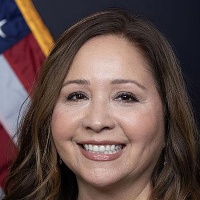
Adelita Grijalva
Representative
AZ
Adelita Grijalva
Representative
AZ
The Right to Read Act of 2025 amends federal education law to establish a comprehensive "right to read" for all students, ensuring access to evidence-based instruction, effective school libraries, and diverse reading materials. The bill defines key terms like "effective school library" and mandates that states and local agencies detail plans to support these resources and protect students' First Amendment rights regarding information access. Furthermore, it authorizes significant new funding to improve literacy programs, support school librarians, and mandates national data collection on school library resources.
This Act officially recognizes the installation of mechanical insulation in federal buildings as a qualifying energy or water efficiency measure.
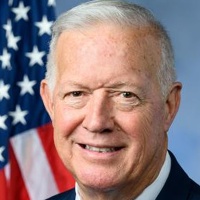
Randy Weber
Representative
TX
Randy Weber
Representative
TX
The Federal Mechanical Insulation Act officially recognizes the installation of mechanical insulation in federal buildings as a qualifying energy or water efficiency measure. This legislation defines compliant mechanical insulation as meeting or exceeding ASHRAE Standard 90.1 requirements and resulting in energy loss reduction. Furthermore, the Act mandates that comprehensive evaluations of federal buildings must identify these specific energy and water-saving insulation opportunities.
This act establishes a grant program to help colleges and universities create and operate dedicated Student Veteran Centers to support the academic and transitional success of student veterans.
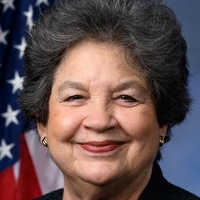
Lois Frankel
Representative
FL
Lois Frankel
Representative
FL
The Veteran Education Empowerment Act establishes a grant program to help colleges and universities create and operate dedicated Student Veteran Centers. These centers will serve as centralized hubs to coordinate academic support, transition services, and community building for student veterans. The bill authorizes funding for these grants, which can be used for establishing and operating the centers, with specific reporting requirements to track effectiveness.
The Mikaela Naylon Give Kids a Chance Act primarily focuses on enhancing pediatric drug research, ensuring completion of pediatric study requirements, extending incentives for rare pediatric disease treatments, and making targeted updates to FDA and organ transplant network operations.
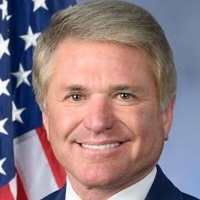
Michael McCaul
Representative
TX
Michael McCaul
Representative
TX
The Mikaela Naylon Give Kids a Chance Act focuses primarily on improving pediatric drug development and ensuring patient access to necessary treatments. This legislation mandates new research requirements for molecularly targeted pediatric cancer drugs, strengthens FDA enforcement of pediatric study completion, and extends incentives for developing drugs for rare pediatric diseases. Additionally, the bill updates organ transplant network functions and establishes an Abraham Accords Office within the FDA to enhance international regulatory cooperation.
This bill expands disaster assistance programs to specifically include crisis counseling and training for substance use and alcohol use disorders following a major disaster.
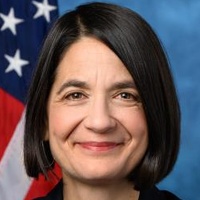
Becca Balint
Representative
VT
Becca Balint
Representative
VT
The Addressing Addiction After Disasters Act expands federal disaster assistance to explicitly include support for substance use and alcohol use issues resulting from major disasters. It broadens the scope of crisis counseling and training programs to address these needs alongside existing mental health services. Furthermore, the bill mandates FEMA to update its application processes and requires a GAO report on the program's effectiveness and compliance.
This bill mandates the Secretary of Agriculture to publish a comprehensive report analyzing the U.S. fertilizer industry, market trends, supply chain, and pricing transparency.
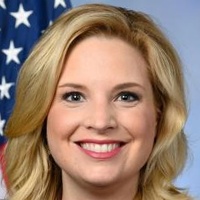
Ashley Hinson
Representative
IA
Ashley Hinson
Representative
IA
This bill, the Fertilizer Research Act of 2025, mandates that the Secretary of Agriculture produce a comprehensive report on the U.S. fertilizer industry. The report must analyze market size, pricing trends over 25 years, import data, and supply chain dynamics. It will also evaluate industry concentration, compare emerging versus conventional fertilizers, and assess the need for mandatory public price reporting.
This bill expands Medicare drug price negotiation to private insurance, applies inflation rebates to commercial drugs, and establishes annual out-of-pocket limits for prescription drugs under private health insurance.
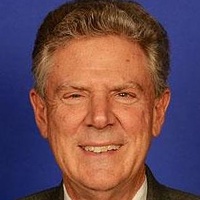
Frank Pallone
Representative
NJ
Frank Pallone
Representative
NJ
The Lowering Drug Costs for American Families Act aims to significantly reduce prescription drug expenses for consumers. It expands the federal drug price negotiation program to cover more drugs and extends negotiated prices to most private health insurance plans. Furthermore, the bill applies inflation rebates to the commercial market and establishes new annual out-of-pocket spending caps for prescription drugs under private insurance starting in 2027. It also sets specific, lower cost-sharing requirements for covered insulin products.
This Act establishes a competitive grant program to fund local projects focused on eliminating blight and revitalizing low-income neighborhoods through demolition, renovation, and affordable housing construction.
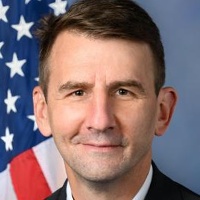
Frank Mrvan
Representative
IN
Frank Mrvan
Representative
IN
The Revitalize Our Neighborhoods Act of 2025 establishes a competitive grant program through HUD to fund projects that eliminate blight and revitalize low-income communities. Eligible entities can apply for funds to demolish blighted structures, renovate abandoned properties, and construct or preserve affordable housing. Grantees must submit a five-year plan and contribute matching funds for eligible activities.