Legislative Activity
Track Nicole's sponsored bills, co-sponsored legislation, and voting record
This act permanently establishes the structure and staffing of the Office of Head Start to ensure continued comprehensive support for eligible children and families.

Teresa Leger Fernandez
Representative
NM
Teresa Leger Fernandez
Representative
NM
The Every Child Deserves a Head Start Act of 2025 aims to solidify the foundational support for the Head Start program, recognizing its vital role in early childhood development. This bill permanently establishes the structure and staffing levels of the Office of Head Start, including its 12 regional offices, as they existed before January 20, 2025. The legislation strictly limits the Secretary of Health and Human Services from altering this established structure or reducing staff without specific Congressional notification procedures. Ultimately, the Act ensures the consistent delivery of essential educational and support services to eligible children and families nationwide.
The Fair Warning Act of 2025 significantly updates the WARN Act by clarifying definitions, strengthening notice requirements, increasing penalties for non-compliance, and creating a public database of layoff notices.

Emilia Sykes
Representative
OH
Emilia Sykes
Representative
OH
The Fair Warning Act of 2025 significantly updates the federal Worker Adjustment and Retraining Notification (WARN) Act to strengthen advance notice requirements for employers facing site closings or mass layoffs. It clarifies key definitions, establishes a mandatory 90-day notice period, and mandates the creation of a public database for all layoff notices. Furthermore, the bill clarifies enforcement mechanisms, increases potential penalties for violations, and ensures employees cannot easily waive their WARN Act rights.
This resolution honors the memory of Wadee Alfayoumi, a young Palestinian-American murder victim of a hate crime, and condemns all acts of discrimination and violence based on ethnicity or religion in Illinois.
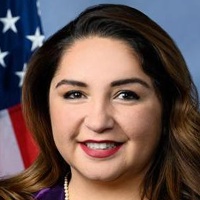
Delia Ramirez
Representative
IL
Delia Ramirez
Representative
IL
This resolution honors the memory of Wadee Alfayoumi, a 6-year-old Palestinian-American boy murdered in a hate crime in Illinois. It strongly condemns all hate crimes and discrimination based on ethnicity or religion. The measure also recognizes the significant contributions of the Palestinian community to the United States. Finally, it calls for an end to hateful rhetoric and violence against all children globally.
This Act mandates that all states must operate the WIC program and guarantees necessary funding through permanent appropriation starting in fiscal year 2026.
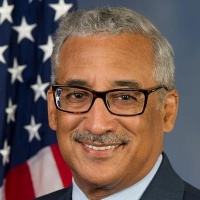
Robert Scott
Representative
VA
Robert Scott
Representative
VA
The WIC Benefits Protection Act mandates that all states must operate the Special Supplemental Nutrition Program for Women, Infants, and Children (WIC). This legislation also guarantees permanent, mandatory funding for WIC starting in fiscal year 2026, ensuring the program has the necessary resources annually. Furthermore, it clarifies eligibility language within the program's governing statute.
This resolution condemns the October 7th Hamas attacks, demands the immediate and unconditional surrender of Hamas and the release of all hostages, and reaffirms support for Israel's right to self-defense while condemning global antisemitism.
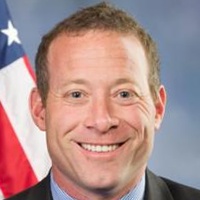
Josh Gottheimer
Representative
NJ
Josh Gottheimer
Representative
NJ
This resolution strongly condemns the brutal October 7th attacks by Hamas, demanding the immediate and unconditional surrender of the terrorist group and the release of all hostages, including Americans. It reaffirms Israel's right to self-defense while urging international action against Hamas and condemning the global surge in antisemitism. The measure serves as a formal statement of U.S. policy and support following the attacks.
This Act establishes a grant program to fund community alternatives for mental health crisis response, focusing on health-centered dispatch and specialized response teams.
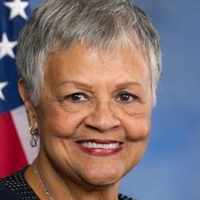
Bonnie Watson Coleman
Representative
NJ
Bonnie Watson Coleman
Representative
NJ
The Mental Health Crisis Response Act of 2025 establishes a new federal grant program to help local governments create health-centered alternatives for responding to mental health emergencies. These funds will support initiatives like integrating mental health professionals into 911 dispatch and streamlining transfers to crisis hotlines. Grantees must report annually on response times, use of force, and diversion to treatment, while the law explicitly preserves existing law enforcement roles.
This bill authorizes the Federal Government to reimburse states for using their own funds to maintain WIC program operations during a lapse in federal appropriations.
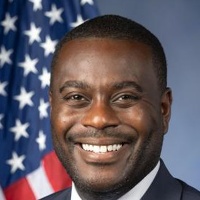
Gabe Amo
Representative
RI
Gabe Amo
Representative
RI
This bill ensures that states are reimbursed by the Federal Government for any state funds they use to maintain essential operations of the Special Supplemental Nutrition Program for Women, Infants, and Children (WIC) during a lapse in federal appropriations. It provides a mechanism for the Federal Government to pay back states that cover WIC costs during a government shutdown. This protects state budgets while keeping vital nutrition assistance running.
This resolution expresses support for designating October 2025 as National Learning Disabilities Awareness Month while urging action to address the significant achievement gaps faced by students with Specific Learning Disabilities.
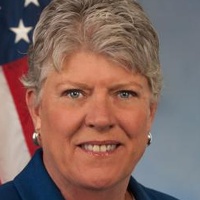
Julia Brownley
Representative
CA
Julia Brownley
Representative
CA
This resolution expresses support for designating October 2025 as National Learning Disabilities Awareness Month to highlight the significant academic challenges faced by students with Specific Learning Disabilities (SLD). It emphasizes that SLDs are the most common disability category under IDEA, yet these students show alarmingly low proficiency rates in reading and math. The bill urges early screening and calls on educational agencies to ensure these students receive the required specialized instruction and support to achieve success.
This Act provides appropriations and mandates contract price adjustments to compensate federal contractor employees for losses incurred due to funding lapses or government shutdowns.

Ayanna Pressley
Representative
MA
Ayanna Pressley
Representative
MA
The Fair Pay for Federal Contractors Act of 2025 ensures that employees of federal contractors are compensated for losses incurred due to government funding lapses or shutdowns. It requires federal agencies to adjust existing contracts to cover reasonable costs associated with furloughs, pay cuts, or mandatory leave taken by contractor employees. The bill appropriates necessary funds to cover these contract price adjustments and mandates public reporting on the compensation provided.
This Act ensures that members of the Armed Forces, DoD civilian employees, and necessary contractors receive pay and allowances for fiscal year 2026 if a full budget has not been enacted by October 1, 2025.
Emilia Sykes
Representative
OH
Emilia Sykes
Representative
OH
The Pay Our Military Act ensures that members of the Armed Forces continue to receive their pay and allowances if a full budget for fiscal year 2026 has not been enacted. This continuing appropriation provides necessary funds for active duty, reserves, and essential civilian support staff. This automatic funding remains in effect until a full appropriation is passed or until January 1, 2027.
This resolution officially designates the week of September 22 through September 28, 2025, as National Falls Prevention Awareness Week to raise public awareness and encourage the prevention of falls among older adults.
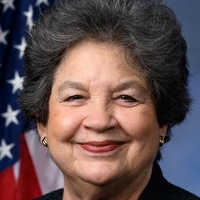
Lois Frankel
Representative
FL
Lois Frankel
Representative
FL
This resolution officially designates the week of September 22 through September 28, 2025, as "National Falls Prevention Awareness Week." The goal is to raise public awareness about the significant dangers of falls among older adults. By highlighting this issue, the measure encourages widespread efforts to promote proven, cost-effective prevention strategies.
This resolution expresses strong support for Military Sexual Trauma Awareness Day while urging improved care, prevention, and accountability for survivors of sexual trauma in the armed forces.
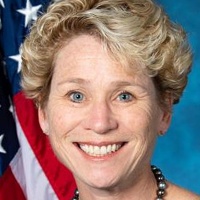
Chrissy Houlahan
Representative
PA
Chrissy Houlahan
Representative
PA
This resolution expresses strong Congressional support for Military Sexual Trauma Awareness Day. It recognizes the severe, long-term impact of military sexual trauma (MST) on service members and veterans. The bill urges the Department of Defense and the Department of Veterans Affairs to improve survivor care, reduce stigma, and enhance prevention efforts. Ultimately, it commits to ensuring survivors receive compassionate support and that accountability measures are strengthened.
This act mandates a one-time update to farm commodity base acres starting in 2025, basing the calculation on actual planting history from the 2020 through 2024 crop years.
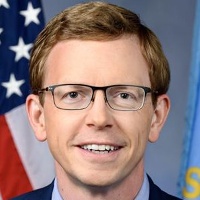
Dusty Johnson
Representative
SD
Dusty Johnson
Representative
SD
The Balanced Agricultural Support and Efficiency Act mandates a one-time update to farm base acres for covered commodities starting with the 2025 crop year. This update will use a five-year average of actual planted or prevented-planting history from 2020 through 2024. The bill also removes outdated references to "generic base acres" in existing agricultural law.
This Act establishes federal grants to fund comprehensive, trauma-informed mental health services and support programs in schools for students facing significant challenges.
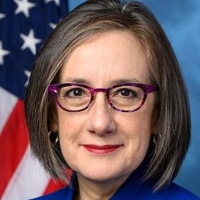
Andrea Salinas
Representative
OR
Andrea Salinas
Representative
OR
The Mental Health Services for Students Act of 2025 establishes a new federal program to provide comprehensive, trauma-informed mental health services and supports in schools through grants and contracts. These funds will support partnerships to implement awareness campaigns, staff training on trauma and suicide risk, and direct student and family treatment. The Secretary must ensure equitable distribution of funding, which is capped at \$2 million per award, with Congress authorized to appropriate \$300 million annually for the initial years.
The HEADACHE Act establishes a National Headache Disorders Initiative, an advisory council, and mandates annual reporting to Congress to improve research, care, and data collection for headache disorders.
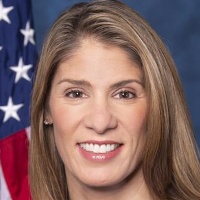
Lori Trahan
Representative
MA
Lori Trahan
Representative
MA
The HEADACHE Act establishes a comprehensive National Headache Disorders Initiative to improve research, workforce development, and care coordination for all headache disorders. It mandates the creation of an Advisory Council to guide federal efforts and requires the Secretary of Health and Human Services to submit annual reports to Congress detailing progress and recommending actions. This legislation aims to address disparities and reduce the societal and financial burden of these conditions before the Act automatically expires five years after enactment.
The Safe Step Act mandates that group health plans using medication step therapy establish clear, timely exception processes for patients and doctors when required drugs are medically inappropriate or ineffective.

Rick Allen
Representative
GA
Rick Allen
Representative
GA
The Safe Step Act establishes mandatory, transparent exception processes for health plans that use "step therapy" protocols for prescription drugs. This ensures patients or their doctors can quickly request coverage for a prescribed medication when specific clinical criteria are met, such as previous treatment failure or risk of harm. Plans must decide on standard requests within 72 hours and urgent requests within 24 hours, and approved exceptions must last for at least one year. Furthermore, insurers must report detailed data annually on exception requests, approvals, and denials to the Secretary of Health and Human Services.
The SHINE for Autumn Act of 2025 establishes federal grants for states to improve stillbirth surveillance, data collection, and risk factor research while mandating the development of standardized educational guidelines on stillbirth.

Young Kim
Representative
CA
Young Kim
Representative
CA
The SHINE for Autumn Act of 2025 aims to significantly improve federal support for state-level stillbirth research and data collection. It authorizes grants for states to enhance surveillance, track risk factors, and build local capacity for analyzing stillbirth data, provided the information remains de-identified. Furthermore, the bill mandates the development of standardized guidelines and educational materials regarding stillbirth awareness and risk factors, developed in consultation with experts and bereaved families.
This bill officially designates the historic alignment of US Highway 66 as the Route 66 National Historic Trail, managed by the National Park Service without the use of eminent domain.
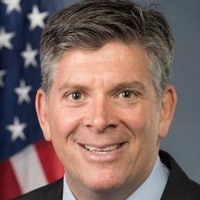
Darin LaHood
Representative
IL
Darin LaHood
Representative
IL
This bill officially designates the historic path of US Highway 66, stretching from Chicago to Santa Monica, as the Route 66 National Historic Trail. The National Park Service will manage the trail while preserving its unique character and consulting with affected Indian Tribes. Crucially, the designation prohibits the use of eminent domain for land acquisition and ensures it does not interfere with existing or future energy projects.
This bill establishes a mechanism to ensure the Federal Aviation Administration remains funded and operational during a lapse in appropriations.

Steve Cohen
Representative
TN
Steve Cohen
Representative
TN
The Aviation Funding Stability Act of 2025 establishes an automatic mechanism to ensure the Federal Aviation Administration (FAA) remains funded during a lapse in appropriations. This allows the FAA to continue essential operations using existing funds from the Airport and Airway Trust Fund until a new budget or continuing resolution is enacted. Funding will cease after 30 days if no new appropriations are passed. This ensures continuity for core FAA programs, including operations, infrastructure, and grants.
The Preparing And Retaining All (PARA) Educators Act establishes a federal grant program to help states fund local efforts aimed at recruiting, retaining, and credentialing school paraprofessionals, prioritizing high-need and low-income districts.
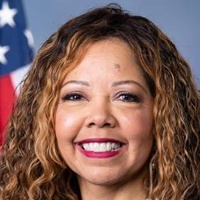
Lucy McBath
Representative
GA
Lucy McBath
Representative
GA
The Preparing And Retaining All (PARA) Educators Act establishes a new federal grant program to help states recruit and retain school paraprofessionals. Funds will be distributed to states based on their existing Title I allocations to support local districts. States must use these competitive subgrants to improve paraprofessional wages, offer professional development, and support credentialing, prioritizing high-need and rural schools. The law requires annual reporting on compensation improvements and retention efforts.