
Legislative Activity
Track Tim's sponsored bills, co-sponsored legislation, and voting record
This bill mandates that funeral honors details recite the "13 Folds of Honor" during the flag folding ceremony for deceased service members or veterans, unless the next of kin opts out.
Mario Diaz-Balart
Representative
FL
Mario Diaz-Balart
Representative
FL
This bill mandates that funeral honors details recite a specific statement detailing the symbolism of the 13 Folds of Honor during the presentation of the U.S. flag for a deceased service member or veteran. This ceremony is dedicated to the 13 service members killed in Kabul in 2021. However, the next of kin retains the right to opt out of this specific recitation.
This resolution strongly condemns the rise of antisemitism in the United States and honors the memory of Yaron Lischinsky and Sarah Milgrim, who were murdered while promoting peace.
Addison McDowell
Representative
NC
Addison McDowell
Representative
NC
This resolution strongly condemns the rise of antisemitism in the United States and around the world. It specifically honors the memory of Yaron Lischinsky and Sarah Milgrim, who were tragically murdered while promoting peace. Ultimately, Congress reaffirms its commitment to combating all forms of hate and ensuring the vigorous enforcement of laws protecting religious freedom.
This Act establishes a pilot program for law enforcement to test drones equipped only with non-lethal tools for responding to active shooter situations.
Troy Nehls
Representative
TX
Troy Nehls
Representative
TX
The Deescalation Drone Pilot Program Act of 2025 establishes a pilot program managed by the FAA for law enforcement to test drones equipped only with non-lethal tools during active shooter events. This initiative aims to assess the safety, training, and effectiveness of using these specialized drones to keep officers at a safer distance. Following the testing phase, the FAA must create a formal rulemaking process to allow agencies nationwide to seek approval for using these domestically manufactured, non-lethal drones.
This Act establishes an optional block grant program allowing states to receive a lump sum of federal funds for post-disaster temporary housing instead of the standard individual application process.
Jared Moskowitz
Representative
FL
Jared Moskowitz
Representative
FL
The Disaster Housing Flexibility Act of 2025 establishes an optional Alternative Block Grant Program allowing states to receive a lump sum of federal funds for temporary disaster housing instead of the standard individual application process. This program requires FEMA to estimate the total assistance cost, which states can then manage directly. If funds remain after recovery, states may repurpose the surplus for eligible preparedness or mitigation activities. States accepting the grant must adhere to strict reporting requirements detailing fund usage and effectiveness.
This act establishes an optional Alternative Block Grant Program allowing states to receive a lump-sum payment for public assistance costs following a major disaster instead of traditional direct aid.
Jared Moskowitz
Representative
FL
Jared Moskowitz
Representative
FL
The Disaster Response Flexibility Act of 2025 establishes an optional Alternative Block Grant Program allowing states impacted by a major disaster to receive a lump-sum payment instead of traditional direct public assistance from FEMA. This program provides states with upfront funding to manage recovery costs, requiring them to forgo other direct Stafford Act aid for that specific event. States accepting the grant must submit recovery plans and regular progress reports to FEMA.
The American Privacy Restoration Act completely repeals the USA PATRIOT Act and restores the original text of the laws it amended as they existed before October 25, 2001.
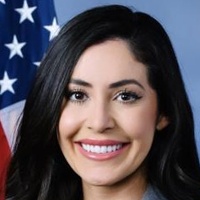
Anna Luna
Representative
FL
Anna Luna
Representative
FL
The American Privacy Restoration Act is a straightforward bill designed to completely repeal the USA PATRIOT Act. This action will erase all amendments made by the PATRIOT Act, reverting relevant sections of law to their original text as it existed before October 26, 2001. In essence, this legislation seeks to undo the legal changes enacted by the PATRIOT Act.
The CHOICE for Veterans Act of 2025 establishes new federal standards, oversight, and penalties for agents and attorneys who assist veterans in filing Department of Veterans Affairs benefit claims while extending certain pension payment limitations.
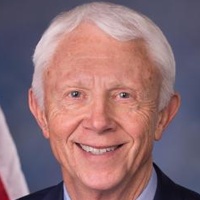
Jack Bergman
Representative
MI
Jack Bergman
Representative
MI
The CHOICE for Veterans Act of 2025 aims to overhaul how veterans receive assistance with their Department of Veterans Affairs (VA) benefit claims. It establishes new rules for the recognition, fees, and conduct of agents and attorneys who represent veterans. The bill also mandates increased transparency regarding available assistance and requires a review of the entire representative recognition process.
This bill temporarily exempts certain physician practices from Stark Law restrictions to allow them to dispense designated Medicare Part D prescription drugs directly to their patients while mandating a GAO study on in-office dispensing trends.
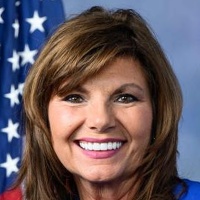
Diana Harshbarger
Representative
TN
Diana Harshbarger
Representative
TN
The Seniors’ Access to Critical Medications Act of 2025 temporarily modifies the physician self-referral prohibition (Stark Law) to allow physician practices to dispense certain Medicare Part D prescription drugs directly to their patients between 2026 and 2030. This exception is subject to specific conditions regarding prescribing, patient history, and dispensing location. The bill also mandates a GAO study to examine trends in physician office drug dispensing and makes a minor adjustment to the allocation for the Medicare Improvement Fund.
This Act clarifies the duty treatment of whiskies by updating the Harmonized Tariff Schedule and requiring the USITC to add statistical tracking codes for imported whiskies.
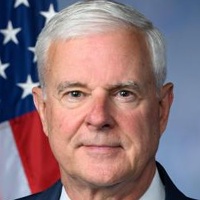
Steve Womack
Representative
AR
Steve Womack
Representative
AR
The Duty Drawback Clarification Act updates the U.S. tariff schedule to standardize the classification of whiskies under Chapter 22. This legislation removes an outdated whiskey classification code and requires the U.S. International Trade Commission to add new statistical tracking codes for imports. These changes will take effect 15 days after the Act is officially enacted.
This bill mandates that tax-exempt organizations receiving any federal funding must publicly disclose their full contributor lists from IRS Form 990 Schedule B, or risk losing their tax-exempt status.

Paul Gosar
Representative
AZ
Paul Gosar
Representative
AZ
The Putting Trust in Transparency Act mandates that any tax-exempt organization receiving federal funding must publicly disclose the names, zip codes, and donation amounts of its major contributors listed on IRS Form 990 Schedule B. This is intended to increase oversight of organizations acting as government agents using taxpayer money. Failure to comply with this new public disclosure requirement can result in the revocation of the organization's tax-exempt status.
This bill prohibits the use of any United States weapon or military equipment against Christian properties and civilians in foreign countries.
Anna Luna
Representative
FL
Anna Luna
Representative
FL
The Civilians Resisting Unlawful Strikes Against Divine Establishments Act (CRUSADE Act) prohibits the use of any United States weapon, weapon system, or military implement against Christian civilians or Christian property in foreign countries. This measure ensures that American-supplied military equipment cannot be utilized in actions targeting these groups abroad.
This Act mandates the review of real estate purchases near military sites by foreign entities linked to adversarial nations and pauses related energy project approvals pending national security clearance.
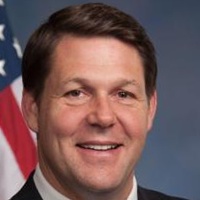
Jodey Arrington
Representative
TX
Jodey Arrington
Representative
TX
The Protecting Military Installations and Ranges Act of 2025 expands the Committee on Foreign Investment in the United States (CFIUS) review of real estate purchases near sensitive military sites by foreign persons linked to China, Russia, Iran, or North Korea. This bill mandates automatic CFIUS review for these specific transactions and requires notification to local members of Congress. Furthermore, it pauses Department of Defense and Department of Transportation reviews and approvals for energy projects situated on land currently under CFIUS scrutiny for national security risks.
This Act ensures over-the-road buses receive fair and equal access, rates, and terms when using toll facilities and HOV lanes, and mandates public transparency regarding these rules.
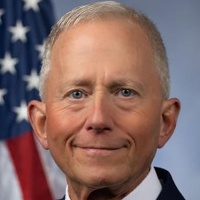
Jefferson Van Drew
Representative
NJ
Jefferson Van Drew
Representative
NJ
The Bus Parity and Clarity Act ensures fair and equal access for over-the-road buses, including scheduled and charter services, on federally regulated toll facilities and in HOV lanes. This legislation mandates that these buses receive the same rates and conditions as standard public transportation vehicles, especially in value pricing programs. Furthermore, the Federal Highway Administration must maintain a public database detailing these access terms.
This bill establishes new requirements for Medicare contractors and private Medicare plans to base prior authorization decisions strictly on medical necessity, involve practicing physicians in setting criteria, and increase transparency regarding their utilization review processes.
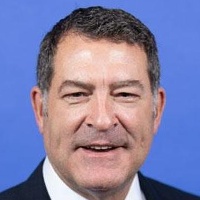
Mark Green
Representative
TN
Mark Green
Representative
TN
The Reducing Medically Unnecessary Delays in Care Act of 2025 aims to establish stricter federal standards for prior authorization decisions made by Medicare contractors and private Medicare plans. This bill mandates that coverage denials must be based on clear, evidence-based clinical criteria developed with input from practicing physicians. Furthermore, it requires plans to post their authorization rules online, provide advance notice of changes, and publicly report approval and denial statistics. Finally, all final denials of care must be reviewed and issued by a qualified, board-certified physician.
The SHORT Act redefines "firearm" to exclude certain collector's items, eliminates disparate federal treatment of short-barreled rifles and shotguns, preempts state and local registration/tax burdens on these items, and mandates the destruction of certain existing NFA records.
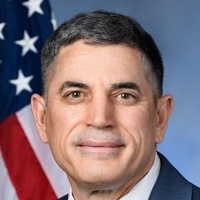
Andrew Clyde
Representative
GA
Andrew Clyde
Representative
GA
The SHORT Act aims to reform federal firearms regulations by redefining what constitutes a "firearm" for tax purposes, largely excluding antique or collector's items. It eliminates disparate federal treatment for short-barreled rifles and shotguns used lawfully and preempts state and local governments from imposing special taxes or registration requirements on these specific weapons. Furthermore, the bill mandates the destruction of certain existing federal registration and transfer records related to defined firearms.
The Keep Our Girls Safe Act of 2025 prohibits individuals of one sex from accessing school or federally funded program locker rooms while individuals of the opposite sex are actively using them.
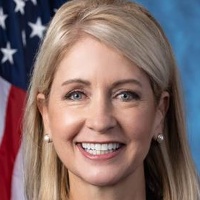
Mary Miller
Representative
IL
Mary Miller
Representative
IL
The Keep Our Girls Safe Act of 2025 amends Title IX to prohibit individuals of one sex from entering locker rooms while individuals of the opposite sex are actively using them during school or educational activities. This legislation establishes clear boundaries for sex-segregated facilities in federally funded educational settings. The provisions of the Act will take effect 30 days after becoming law.
This Act prohibits state and local governments from imposing excise taxes on the sale of firearms, ammunition, or related parts in interstate or foreign commerce.
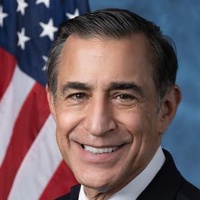
Darrell Issa
Representative
CA
Darrell Issa
Representative
CA
The Freedom from Unfair Gun Taxes Act of 2025 prohibits state and local governments from imposing excise taxes on the sale of firearms, ammunition, or firearm parts. This restriction specifically targets taxes levied on sales that involve interstate or foreign commerce. The Act explicitly preserves existing federal laws, such as the Pittman-Robertson Wildlife Restoration Act.
This act prohibits all federal funding for the National Public Radio (NPR) and the Public Broadcasting Service (PBS).
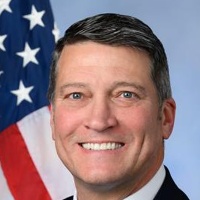
Ronny Jackson
Representative
TX
Ronny Jackson
Representative
TX
The No Partisan Radio and Partisan Broadcasting Services Act (NPR and PBS Act) prohibits all federal funding, direct or indirect, for the National Public Radio (NPR) and the Public Broadcasting Service (PBS). This measure immediately ends government financial support for these two national broadcasting entities. The restriction also applies to any successor organizations.
The FAIR Act of 2025 mandates that Medicare-funded residency programs report data on the application and acceptance rates of osteopathic and allopathic medical school graduates to ensure equitable treatment, with non-compliance resulting in Medicare payment penalties.
Diana Harshbarger
Representative
TN
Diana Harshbarger
Representative
TN
The Fair Access In Residency (FAIR) Act of 2025 aims to ensure equitable treatment of osteopathic (D.O.) and allopathic (M.D.) medical school graduates in residency applications. It requires hospitals receiving Medicare funds to report detailed data on D.O. and M.D. applicants and acceptances for each residency program. Hospitals failing to submit this required data will face a 2% reduction in their Medicare payments. This collected data will also be made publicly available to promote transparency in the residency recruitment process.
This act eliminates the Optional Practical Training (OPT) program, ending work authorization for F-1 visa students unless explicitly authorized by future Congressional action.
Paul Gosar
Representative
AZ
Paul Gosar
Representative
AZ
The Fairness for High-Skilled Americans Act of 2025 aims to eliminate the Optional Practical Training (OPT) program, which currently allows F-1 student visa holders to gain temporary work authorization after completing their studies. This bill removes the government's authority to grant such work permission unless explicitly authorized by a future Act of Congress.