Legislative Activity
Track Tim's sponsored bills, co-sponsored legislation, and voting record
This act establishes a new two-part test under the Fair Labor Standards Act and the National Labor Relations Act to determine when an individual is classified as an independent contractor rather than an employee.
Kevin Kiley
Representative
CA
Kevin Kiley
Representative
CA
The Modern Worker Empowerment Act establishes a new, two-part test under federal law to determine if a worker is an independent contractor rather than an employee. This test focuses on the degree of control exercised over the work's details and whether the worker has the risks and opportunities of entrepreneurship. The Act applies this updated classification standard to both the Fair Labor Standards Act and the National Labor Relations Act.
This Act modernizes seasonal agricultural CDLs by allowing online renewal for eligible employees and clarifying that implements of husbandry are not considered commercial motor vehicles.
Tracey Mann
Representative
KS
Tracey Mann
Representative
KS
The Seasonal Agriculture CDL Modernization Act streamlines the process for farm workers by allowing states to establish online systems for renewing seasonal, restricted Commercial Driver's Licenses (CDLs). This legislation also clarifies that implements of husbandry (farm equipment) are not classified as commercial motor vehicles for licensing purposes. Overall, the bill aims to modernize and simplify CDL requirements for those in the farm-related service industries.
This Act prohibits U.S. commerce and services for vessels associated with ports in Western Hemisphere trade partners that have illegally seized access-controlling land belonging to American entities since 2024.
August Pfluger
Representative
TX
August Pfluger
Representative
TX
The Defending American Property Abroad Act of 2025 targets foreign governments in the Western Hemisphere that have seized or unfairly controlled port infrastructure essential to U.S. trade access since early 2024. The bill requires the executive branch to identify this "prohibited property" and subsequently ban any associated vessels from accessing U.S. ports or receiving services. Furthermore, the Act expands the definition of unfair trade practices to explicitly include the nationalization or discriminatory treatment of U.S. assets by foreign nations.
The TRANS MICE Act prohibits federal funding for research on non-human vertebrates that involves interventions designed to alter the animal's body to not match its biological sex.
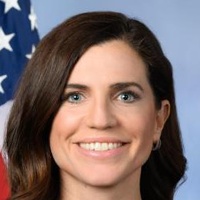
Nancy Mace
Representative
SC
Nancy Mace
Representative
SC
The TRANS MICE Act prohibits the use of federal funds for animal research that involves interventions like drugs or surgery intended to alter a non-human vertebrate animal's body to change its biological sex characteristics. This ban specifically targets research that disrupts natural development or physical appearance, while exempting animals that naturally change sex or possess both reproductive organs.
This bill mandates the Attorney General to release nearly all unclassified Department of Justice records related to Jeffrey Epstein within 30 days, with limited exceptions for victim privacy or active investigations.
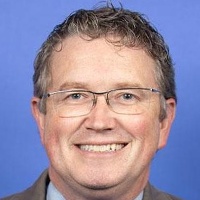
Thomas Massie
Representative
KY
Thomas Massie
Representative
KY
This bill, titled the Epstein Files Transparency Act, mandates the Attorney General to release nearly all unclassified Department of Justice records related to Jeffrey Epstein within 30 days of enactment. The legislation strictly limits the justifications for withholding or redacting documents, prohibiting secrecy based on political sensitivity or potential embarrassment. The only permissible redactions involve victim privacy, child sexual abuse material, or narrowly defined threats to active investigations or national security classifications. Upon completion, the Attorney General must submit a detailed report to Congress listing all released and withheld materials, including an unredacted list of all named government officials.
The Clear Skies Act prohibits unauthorized weather modification activities that affect interstate commerce, establishes a public reporting and investigation system, and repeals all existing federal authority for such activities.
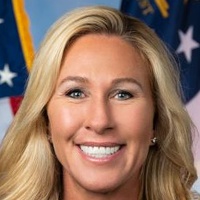
Marjorie Greene
Representative
GA
Marjorie Greene
Representative
GA
The Clear Skies Act establishes a strict prohibition on knowingly engaging in weather modification activities that involve interstate commerce, imposing severe criminal and civil penalties for violations. This legislation also mandates the creation of a public reporting and investigation system managed by the EPA for suspected breaches. Furthermore, the Act repeals all existing federal laws, rules, and orders that previously authorized or regulated weather modification efforts.
The SAMS Act of 2025 codifies several existing Executive Orders related to critical minerals into permanent federal law.
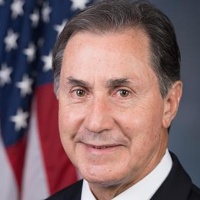
Gary Palmer
Representative
AL
Gary Palmer
Representative
AL
The SAMS Act of 2025 codifies several previous Executive Orders into permanent law, specifically focusing on policies related to critical minerals. This action elevates existing presidential directives concerning these vital resources to the full force and effect of statutory law. The bill ensures the long-term legal standing of established critical mineral supply chain strategies.
This bill authorizes the creation and sale of commemorative coins for the 2028 Los Angeles and 2034 Salt Lake City Olympic and Paralympic Games to help fund the events, with all surcharges going to the respective organizing committees after covering production costs.
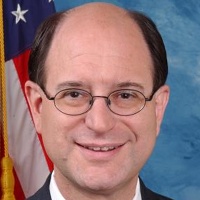
Brad Sherman
Representative
CA
Brad Sherman
Representative
CA
This Act authorizes the Secretary of the Treasury to mint and sell special commemorative coins for the 2028 Los Angeles Olympic and Paralympic Games and the 2034 Salt Lake City Winter Olympic and Paralympic Games. The coins will feature designs celebrating American athletes and the Games themselves. All surcharges collected from the sale of these coins will be directed to the respective organizing committees to help fund the events and related youth sports programs. The entire program must be conducted at no cost to the U.S. Government.
The 123 GO Act directs the Secretary of State to lead negotiations for at least 20 new international nuclear cooperation agreements and establishes a program to enhance U.S. competitiveness in the global nuclear energy market.
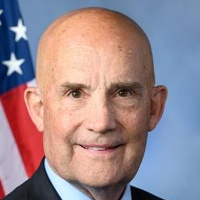
Keith Self
Representative
TX
Keith Self
Representative
TX
The 123 GO Act directs the Secretary of State to lead negotiations for international nuclear cooperation agreements, setting a goal to sign at least 20 new agreements by 2029. The bill also establishes a program to enhance the global competitiveness of U.S. nuclear energy companies by streamlining regulatory hurdles and promoting U.S. technology abroad. This legislation aims to strengthen U.S. leadership in international nuclear diplomacy and commerce.
This resolution officially honors the life, achievements, and legacy of FedEx founder Frederick W. Smith.
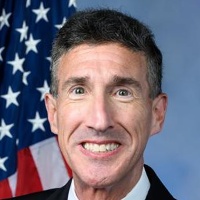
David Kustoff
Representative
TN
David Kustoff
Representative
TN
This resolution serves as a formal tribute honoring the life, achievements, and enduring legacy of Frederick W. Smith, the visionary founder of FedEx. It officially recognizes his pioneering role in revolutionizing the global logistics industry and his deep commitment to the Memphis community. The bill does not enact any new laws but instead places his biography and contributions into the official Congressional record.
This act establishes reporting requirements for national recycling and composting infrastructure, tracks federal agency waste efforts, and studies materials diverted from the circular economy.
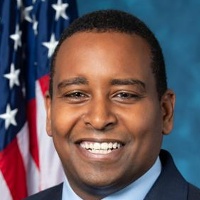
Joe Neguse
Representative
CO
Joe Neguse
Representative
CO
The Recycling and Composting Accountability Act aims to improve national recycling and composting efforts by requiring the EPA to gather comprehensive data on current infrastructure capabilities and material flows. This legislation mandates detailed reports on composting facilities, materials recovery facilities (MRFs), and the development of standardized national recycling rates. Furthermore, it directs studies to measure how much recyclable material is lost from the circular market and ensures federal agencies report on their own waste diversion activities.
The Protect RAIL Act makes non-citizens inadmissible to the U.S. and deportable if they commit or conspire to commit crimes involving theft or tampering with goods shipped across state or international lines.

Paul Gosar
Representative
AZ
Paul Gosar
Representative
AZ
The Protect RAIL Act amends immigration law to prevent non-citizens convicted of or admitting to crimes involving the theft or tampering of goods shipped across state or international lines from entering the United States. Furthermore, this bill makes non-citizens already in the U.S. deportable if they have committed such offenses related to interstate or foreign shipments.
This Act invalidates Somalia's claims over Somaliland and authorizes the U.S. President to formally recognize the Republic of Somaliland as an independent nation.
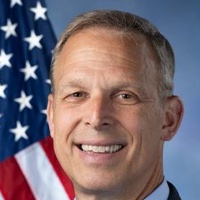
Scott Perry
Representative
PA
Scott Perry
Representative
PA
The Republic of Somaliland Independence Act establishes the official U.S. policy invalidating any claims by the Federal Republic of Somalia over the region of Somaliland. This legislation grants the President the authority to formally recognize Somaliland as an independent nation based on this stated policy.
The FIGHT Act of 2025 strengthens federal prohibitions against animal fighting, enhances enforcement mechanisms, and allows citizens to sue violators of animal fighting provisions.
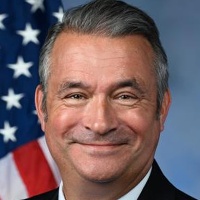
Don Bacon
Representative
NE
Don Bacon
Representative
NE
The FIGHT Act of 2025 significantly strengthens federal prohibitions against animal fighting ventures, specifically targeting the sponsorship, exhibition, and gambling associated with these events. This legislation clarifies the definition of a rooster for legal purposes and bans the interstate transport of roosters for fighting. Furthermore, it empowers private citizens to file lawsuits against violators, allowing for civil penalties and the potential seizure of property used to facilitate illegal animal fighting.
The STOP CSAM Act of 2025 strengthens protections for child victims in federal court, mandates technology companies to report suspected child sexual exploitation, and expands civil remedies for victims against perpetrators and online platforms.
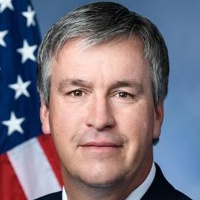
Barry Moore
Representative
AL
Barry Moore
Representative
AL
The STOP CSAM Act of 2025 significantly strengthens protections for child victims and witnesses in federal court by expanding definitions of harm and restricting the public disclosure of their identities. It mandates new, strict reporting duties for tech providers regarding child sexual exploitation material, backed by substantial criminal and civil penalties for non-compliance. Furthermore, the Act creates broad new civil remedies allowing victims to sue responsible online platforms and app stores for damages related to exploitation that occurred during their childhood. Finally, it improves restitution procedures, particularly for vulnerable victims, while ensuring existing state and tribal protections remain intact.
This bill mandates the deportation and permanent inadmissibility of non-citizens who commit acts of violence against law enforcement or public property during civil unrest, with enhanced enforcement during declared emergencies.

Dan Crenshaw
Representative
TX
Dan Crenshaw
Representative
TX
The Returning Illegals over Turmoil Act establishes new grounds for the deportation and permanent inadmissibility of non-citizens who incite or participate in violent acts against law enforcement or public property during civil unrest. This legislation mandates strict enforcement during declared emergencies and grants the Secretary of Homeland Security expedited removal authority under those conditions. Furthermore, individuals removed under these provisions are permanently barred from receiving any form of immigration relief or future DACA eligibility.
This resolution strongly condemns the rise in ideologically motivated attacks against Jewish individuals in the U.S., including the recent Boulder assault, and reaffirms the House's commitment to combating antisemitism and political violence.
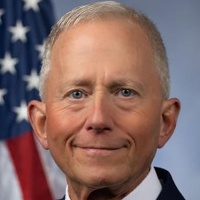
Jefferson Van Drew
Representative
NJ
Jefferson Van Drew
Representative
NJ
This resolution strongly condemns the recent rise in ideologically motivated attacks targeting Jewish individuals and institutions across the United States, including the violent assault in Boulder, Colorado. The House of Representatives reaffirms its commitment to combating antisemitism and politically motivated violence in all its forms. It calls for thorough investigation and prosecution of such incidents and urges all sectors of society to speak out against hate.
This act mandates the creation of a real-time, exclusive online portal for Members of Congress to access detailed federal award and spending information, including payments to individuals.
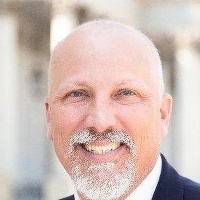
Chip Roy
Representative
TX
Chip Roy
Representative
TX
The Make DOGE Permanent Act mandates the creation of a special, real-time access portal for members of Congress to view federal award spending data. This exclusive access will provide Congress with the latest information, including details on payments made to individuals and federal employees, which may be restricted on the public website. The Office of Management and Budget (OMB) must establish this dedicated link within six months of the bill's enactment.
This Act prohibits the State Department and its funded entities from censoring the free speech of United States citizens and mandates notification if such censorship occurs.
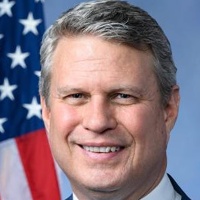
Bill Huizenga
Representative
MI
Bill Huizenga
Representative
MI
The Restoring American Freedom Act prohibits the State Department, its employees, and its funded entities from censoring the free speech of United States citizens. This legislation strictly forbids the use of federal funds to support or facilitate such censorship activities, including the creation or use of advertising blacklists. Furthermore, the Secretary of State must promptly notify Congress and the affected citizen if any censorship is discovered.
This resolution expresses support for designating the week of June 1 through June 7, 2025, as National Trailer Safety Week to promote education on proper towing techniques and trailer maintenance.
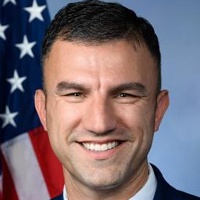
Rudy Yakym
Representative
IN
Rudy Yakym
Representative
IN
This resolution expresses strong support for designating the week of June 1 through June 7, 2025, as "National Trailer Safety Week." The goal is to educate American motorists on the critical importance of proper trailer maintenance and safe towing techniques. By officially recognizing this week, the measure encourages national participation in safety awareness efforts to reduce trailer-related accidents.