Legislative Activity
Track Ted's sponsored bills, co-sponsored legislation, and voting record
This resolution supports the goals of National Public Safety Telecommunicators Week by recognizing the critical, life-saving work performed by 911 dispatchers and other public safety telecommunications professionals.

Amy Klobuchar
Senator
MN
Amy Klobuchar
Senator
MN
This resolution supports the goals of National Public Safety Telecommunicators Week by formally recognizing the critical, life-saving work performed by 911 dispatchers and other public safety telecommunications professionals. It highlights the immense emotional toll of their round-the-clock shifts, where their initial actions often set the entire emergency response in motion. The bill encourages all Americans to acknowledge the vital role these professionals play in public safety and emergency situations.
This bill revises physician self-referral exemptions and lifts restrictions on the expansion of physician-owned hospitals located in rural areas.
James Lankford
Senator
OK
James Lankford
Senator
OK
The Physician Led and Rural Access to Quality Care Act revises federal physician self-referral rules to create specific exemptions for certain physician-owned hospitals located in rural areas. This legislation allows these designated "covered rural hospitals" to be exempt from general referral prohibitions. Furthermore, the bill eliminates the existing ban that prevented these physician-owned hospitals from expanding their operations.
This Act prohibits states and localities from imposing agricultural production standards on products grown in other states and establishes a federal right to sue over such regulations that interfere with interstate commerce.

Joni Ernst
Senator
IA
Joni Ernst
Senator
IA
The Food Security and Farm Protection Act prohibits state and local governments from imposing new regulations on how agricultural products are grown in other states for interstate commerce. It establishes a federal right for affected parties to sue governments over such regulations that interfere with the flow of agricultural goods across state lines. Successful plaintiffs can seek to overturn the regulation and recover economic damages.
This resolution honors the life, distinguished public service, and significant legislative contributions of the late former Louisiana Senator, John Bennett Johnston, Jr.
Bill Cassidy
Senator
LA
Bill Cassidy
Senator
LA
This resolution formally honors the life and extensive public service of the late Honorable John Bennett Johnston, Jr., former U.S. Senator for Louisiana. It details his career, highlighting his significant tenure on key Senate committees, particularly his leadership on energy policy. The resolution recognizes his legislative achievements benefiting Louisiana, including flood control and conservation efforts. Finally, the Senate adjourns immediately in his memory as a final tribute to his service.
This bill mandates stricter, lower-threshold semiannual reporting of foreign gifts and contracts by colleges and immediately shares that information with the FBI and DNI to safeguard American education from foreign influence.
Jim Banks
Senator
IN
Jim Banks
Senator
IN
The Safeguarding American Education From Foreign Control Act strengthens reporting requirements for colleges and universities regarding gifts and contracts received from foreign sources. It mandates stricter, more frequent disclosures, especially for institutions connected to "covered nations," where any amount must be reported. The Secretary of Education must then promptly share all received information with the FBI and the Director of National Intelligence.
The Veterans Education and Technical Skills Opportunity Act of 2025 updates the requirements for independent study programs to qualify for VA educational assistance, mandating regular instructor interaction for eligibility starting August 1, 2025.
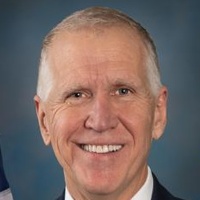
Thom Tillis
Senator
NC
Thom Tillis
Senator
NC
The Veterans Education and Technical Skills Opportunity Act of 2025 (VETS Opportunity Act of 2025) updates how independent study programs qualify for VA educational assistance. This legislation mandates that eligible programs must feature regular and meaningful communication between students and instructors after the course begins. This clarification applies to institutions already participating in federal student financial aid programs, with the changes taking effect for terms starting on or after August 1, 2025.
This joint resolution expresses Congress's disapproval of the EPA's rule concerning California's Advanced Clean Cars II pollution control standards.

Shelley Capito
Senator
WV
Shelley Capito
Senator
WV
This joint resolution expresses Congress's disapproval of a specific Environmental Protection Agency (EPA) rule concerning California's "Advanced Clean Cars II" pollution control standards. By invoking the Congressional Review Act, Congress is effectively vetoing this EPA regulation. This action prevents the EPA's rule regarding California's vehicle emission standards from taking effect.
The DETERRENT Act mandates increased federal and institutional transparency regarding foreign gifts and contracts for colleges, bans certain contracts with "countries of concern," and establishes strict enforcement penalties for non-compliance.
Thom Tillis
Senator
NC
Thom Tillis
Senator
NC
The DETERRENT Act significantly tightens reporting requirements for colleges and universities regarding foreign gifts and contracts, mandating public disclosure databases and imposing strict new prohibitions on agreements with "foreign countries or entities of concern." It establishes severe financial penalties and potential ineligibility for federal aid for institutions that knowingly violate these transparency and compliance rules. The bill also requires institutions to implement internal policies and designate compliance officers to manage risks associated with foreign influence.
This bill authorizes the minting and sale of special commemorative gold and silver coins to mark the 25th anniversary of the September 11th attacks, with all surcharges benefiting the National September 11 Memorial and Museum.

Kirsten Gillibrand
Senator
NY
Kirsten Gillibrand
Senator
NY
This Act authorizes the minting and issuance of special commemorative gold and silver coins to mark the 25th anniversary of the September 11, 2001, terrorist attacks. The coins will honor the victims, first responders, and the National September 11 Memorial and Museum. All surcharges collected from the sale of these coins must be paid directly to the National September 11 Memorial and Museum to support its operations.
The Down East Remembrance Act officially designates several specific creeks by name based on their geographic coordinates for use in all federal records.
Thom Tillis
Senator
NC
Thom Tillis
Senator
NC
The Down East Remembrance Act officially designates six specific creeks in the region with new names, such as Noah Styron Creek and Hunter Parks Creek, based on their precise geographic coordinates. This legislation ensures that all federal laws, maps, and official records must use these newly assigned names for these waterways.
This Act establishes FEMA as an independent, cabinet-level agency separate from the Department of Homeland Security and details the transfer of its functions, personnel, and related statutory changes.
Thom Tillis
Senator
NC
Thom Tillis
Senator
NC
The FEMA Independence Act of 2025 establishes the Federal Emergency Management Agency (FEMA) as an independent, cabinet-level agency reporting directly to the President. This act separates FEMA from the Department of Homeland Security (DHS) and outlines the transfer of all existing FEMA functions, staff, and assets to the newly independent agency. It also updates leadership titles and makes conforming amendments across various federal laws to reflect FEMA's new status.
The CONNECT for Health Act of 2025 permanently removes geographic barriers to Medicare telehealth, enhances program integrity through targeted oversight, and establishes new supports to improve quality and access for beneficiaries.
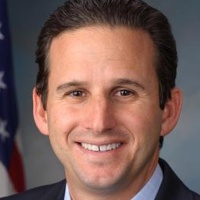
Brian Schatz
Senator
HI
Brian Schatz
Senator
HI
The CONNECT for Health Act of 2025 aims to significantly expand access to telehealth services under Medicare by permanently removing outdated geographic restrictions and broadening provider eligibility. The bill also enhances program integrity by dedicating new funding to oversight and establishing educational outreach for providers with unusual billing patterns. Finally, it mandates new resources, training, and public data reporting to ensure the quality and accessibility of virtual care for all beneficiaries.
This bill establishes an independent watchdog office to investigate and penalize colleges receiving federal funding that violate the Supreme Court's ruling against race-based admissions practices.
Jim Banks
Senator
IN
Jim Banks
Senator
IN
The College Admissions Accountability Act of 2025 establishes an independent Special Inspector General within the Department of Education to investigate complaints of unlawful racial discrimination in college admissions and financial aid. This office will enforce compliance with the Supreme Court's ruling against race-based preferences and Title VI of the Civil Rights Act. Institutions found to violate these standards face potential ineligibility for federal funding.
This Act repeals the federal transfer tax on certain firearms and clarifies that it does not grant the Consumer Product Safety Commission authority over firearms.
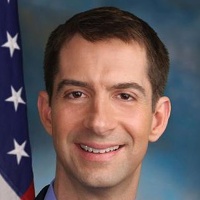
Tom Cotton
Senator
AR
Tom Cotton
Senator
AR
The Repealing Illegal Freedom and Liberty Excises (RIFLE) Act eliminates the federal transfer tax previously imposed on certain firearms. This legislation repeals Section 5811 of the Internal Revenue Code and updates related tax provisions accordingly. The Act explicitly clarifies that it does not grant the Consumer Product Safety Commission any new oversight authority over firearms.
This bill establishes federally funded Military Education Savings Accounts to cover private educational expenses for eligible dependent children of active-duty service members.
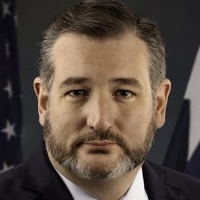
Ted Cruz
Senator
TX
Ted Cruz
Senator
TX
The Education Savings Accounts for Military Families Act of 2025 establishes a new federal program allowing parents of eligible military dependents to receive funds for private educational expenses. These Military Education Savings Accounts can be used for tuition, tutoring, materials, and other approved educational services. The program is federally funded, tax-exempt, and designed to support educational choice without government control over private providers.
The Sanctioning Russia Act of 2025 imposes sweeping economic and financial penalties on the Russian Federation and its affiliates, contingent upon Russia's failure to negotiate peace with Ukraine.
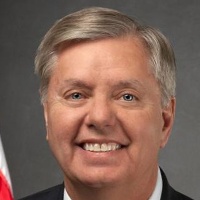
Lindsey Graham
Senator
SC
Lindsey Graham
Senator
SC
The Sanctioning Russia Act of 2025 mandates sweeping economic penalties against the Russian Federation and its affiliates for actions against Ukraine. This legislation requires the President and Treasury Secretary to impose escalating sanctions on Russian officials, financial institutions, and energy sector entities. Furthermore, the Act prohibits U.S. persons from investing in Russian debt, bans the trading of Russian securities on U.S. exchanges, and imposes a massive 500% import duty on Russian goods. Sanctions can only be terminated if Russia agrees to a verifiable peace deal with Ukraine.
The Judicial Relief Clarification Act of 2025 restricts federal courts from issuing orders that affect non-parties to a lawsuit and limits their power to grant emergency relief in certain diversity jurisdiction cases.
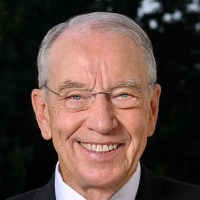
Charles Grassley
Senator
IA
Charles Grassley
Senator
IA
The Judicial Relief Clarification Act of 2025 generally restricts federal courts from issuing orders that affect non-parties to a lawsuit or granting emergency relief in certain state/federal disputes under diversity jurisdiction. The bill also clarifies language regarding who can seek declaratory judgments and limits the scope of judicial review over agency actions. Overall, this legislation aims to narrow the scope of judicial authority in issuing certain types of relief and clarifying participation in specific legal challenges.
This Act restores protections to ensure private health insurance plans do not unfairly shift the cost of End-Stage Renal Disease care onto Medicare by discriminating against dialysis treatments.
Bill Cassidy
Senator
LA
Bill Cassidy
Senator
LA
The Restore Protections for Dialysis Patients Act aims to prevent private health insurance plans from unfairly shifting the cost of End-Stage Renal Disease (ESRD) care onto Medicare. This legislation clarifies existing rules to ensure group health plans provide equal benefits for dialysis treatments compared to other medical services. It specifically prohibits plans from imposing discriminatory limits or restrictions solely because a patient has ESRD. The bill preserves a plan's ability to manage its provider network while mandating equitable coverage terms.
This Act updates the tax deduction rate for volunteer drivers by requiring the charitable mileage rate to match the general business mileage rate when applicable.
Amy Klobuchar
Senator
MN
Amy Klobuchar
Senator
MN
The Volunteer Driver Tax Appreciation Act of 2025 updates the tax deduction available for volunteer driving. This bill requires the charitable mileage rate to be set at a minimum equal to the standard business mileage rate, ensuring volunteer drivers receive fair compensation for vehicle use. This change applies to tax years beginning after December 31, 2024.
This resolution honors the life, distinguished public service, and enduring legacy of former Wyoming Senator Alan K. Simpson.
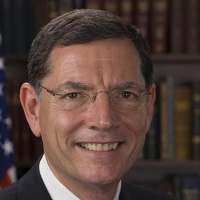
John Barrasso
Senator
WY
John Barrasso
Senator
WY
This resolution formally honors the life and distinguished public service career of the Honorable Alan K. Simpson, former U.S. Senator for Wyoming. It celebrates his extensive tenure in both state and federal government, highlighting his focus on fiscal responsibility and support for veterans. The Senate expresses its deep sorrow at his passing and directs that the day's adjournment serve as a final tribute to his memory.