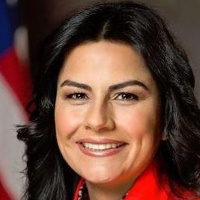
Legislative Activity
Track Nanette's sponsored bills, co-sponsored legislation, and voting record
This bill strengthens democracy by banning foreign spending in U.S. elections, increasing transparency for "dark money" in politics, and mandating clear disclosure of funders in political advertising.
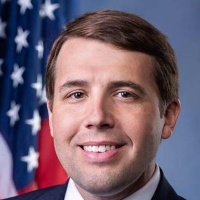
Chris Pappas
Representative
NH
Chris Pappas
Representative
NH
The Democracy Is Strengthened by Casting Light On Spending in Elections Act of 2026 aims to increase transparency and security in U.S. elections. It closes loopholes to ban foreign national spending in elections, mandates disclosure for "dark money" political spending, and requires clear funding disclosures on political ads. The bill also centralizes legal challenges to campaign finance laws in Washington, D.C., for faster resolution.
The Direct File Act of 2026 establishes a permanent, free, government-owned online tax filing system within the IRS while prohibiting agreements that restrict the government from providing tax preparation services.
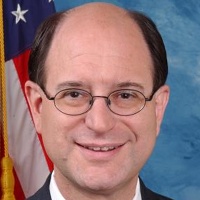
Brad Sherman
Representative
CA
Brad Sherman
Representative
CA
The Direct File Act of 2026 establishes a permanent, free, government-owned online tax filing system within the IRS, ensuring taxpayers have a simplified and accessible way to file their returns. The bill prohibits the Treasury from entering into agreements that restrict the government's ability to provide these services and mandates the integration of state tax filing options. Additionally, it streamlines the tax process by setting new filing deadlines for employer information returns to improve efficiency for all taxpayers.
This resolution honors the life, legacy, and enduring commitment to civil rights and equality of Reverend Jesse Louis Jackson, Sr.
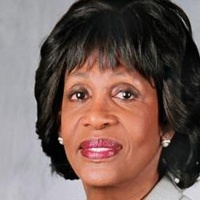
Maxine Waters
Representative
CA
Maxine Waters
Representative
CA
This resolution honors the life, leadership, and enduring legacy of Reverend Jesse Louis Jackson, Sr. It recognizes his pivotal role as a civil rights leader, his groundbreaking political campaigns, and his global advocacy for human rights and equality. The measure encourages all Americans to continue his work by moving forward with hope rather than fear and division.
The HEALTHY BRAINS Act of 2026 establishes a federal research program and a network of collaborative centers to investigate environmental risk factors contributing to neurodegenerative diseases.
Suhas Subramanyam
Representative
VA
Suhas Subramanyam
Representative
VA
The HEALTHY BRAINS Act of 2026 establishes a comprehensive federal research program to investigate how environmental factors contribute to neurodegenerative diseases like Alzheimer’s and Parkinson’s. The bill creates a network of Collaborative Centers for Neurodegenerative Disease Environmental Research to advance scientific understanding, improve prevention strategies, and develop new treatments. This initiative is supported by $50 million in annual funding through 2031 to foster interdisciplinary research and public health education.
The Parks to People Active Transportation Act establishes a federal grant program to fund the construction and improvement of regionally and nationally significant multi-jurisdictional walking and biking greenways.
LaMonica McIver
Representative
NJ
LaMonica McIver
Representative
NJ
The Parks to People Active Transportation Act establishes a competitive grant program to fund the construction and improvement of regionally and nationally significant greenway paths for walking and biking. By connecting communities and transit hubs, this initiative aims to reduce traffic congestion, improve public safety, and enhance accessibility in underserved areas. The program authorizes $300 million annually to support these multi-jurisdictional projects through 2031.
The RELIEF Act mandates the refunding of certain tariffs collected by U.S. Customs and Border Protection under the International Emergency Economic Powers Act starting January 1, 2025.
Steven Horsford
Representative
NV
Steven Horsford
Representative
NV
The RELIEF Act establishes a mandatory refund process for certain tariffs collected by U.S. Customs and Border Protection starting January 1, 2025, specifically those imposed under the International Emergency Economic Powers Act. This legislation requires the Commissioner of Customs and Border Protection to automatically issue refunds to importers within 90 days of enactment. Importers will receive these refunds without needing to file an application or protest.
The African American History Act of 2026 authorizes the National Museum of African American History and Culture to develop and support educational programs, resources, and curricula to enhance the teaching of African American history nationwide.
Kweisi Mfume
Representative
MD
Kweisi Mfume
Representative
MD
The African American History Act of 2026 authorizes the National Museum of African American History and Culture to develop and expand educational resources, curricula, and digital programming for students and educators nationwide. By providing $10 million in annual funding through 2030, the Act aims to promote a deeper understanding of African American history through a social justice and anti-bias lens. Additionally, the legislation encourages the development of similar educational initiatives across other Smithsonian museums dedicated to diverse American histories.
This bill recognizes community water fluoridation as a safe, effective, and cost-saving public health measure to prevent tooth decay and encourages its implementation nationwide.
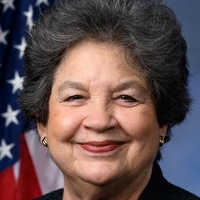
Lois Frankel
Representative
FL
Lois Frankel
Representative
FL
This bill recognizes community water fluoridation as a safe and effective public health measure proven to prevent tooth decay. It highlights the significant oral and overall health benefits, as well as the substantial cost savings associated with this intervention. The resolution encourages states and localities to adopt or continue fluoridating community water systems at optimal levels.
The RELIEF Act mandates that U.S. Customs and Border Protection automatically refund all tariffs collected under the International Emergency Economic Powers Act since January 1, 2025.
Steven Horsford
Representative
NV
Steven Horsford
Representative
NV
The RELIEF Act mandates that U.S. Customs and Border Protection refund all tariffs collected under the International Emergency Economic Powers Act since January 1, 2025. These refunds will be processed automatically for importers of record without the need for a formal application or protest. The agency is required to complete all disbursements within 90 days of the bill's enactment.
The Head Start for America’s Children Act updates and expands the Head Start program by increasing funding, enhancing staff compensation and mental health support, and improving services for children with disabilities, English learners, and Native American communities.
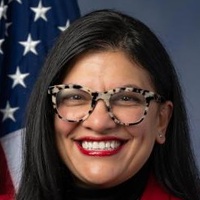
Rashida Tlaib
Representative
MI
Rashida Tlaib
Representative
MI
The "Head Start for America’s Children Act" updates and expands the federal Head Start program to better support the developmental, mental health, and educational needs of infants, toddlers, and children. The bill increases funding for core operations and specialized initiatives, establishes new requirements for staff compensation and professional development, and introduces pilot programs to improve access in high-poverty areas and on college campuses. Additionally, it strengthens support for Native American and migrant/seasonal programs, enhances services for children with disabilities, and mandates new standards to prevent the use of seclusion and restraint.
The **BE HEARD in the Workplace Act** comprehensively overhauls federal workplace protections by strengthening anti-discrimination laws, phasing out the tipped minimum wage, expanding worker rights against silencing agreements, and establishing new federal grant programs for prevention and legal aid.
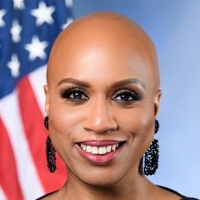
Ayanna Pressley
Representative
MA
Ayanna Pressley
Representative
MA
The **BE HEARD in the Workplace Act** comprehensively reforms workplace protections by mandating new anti-discrimination policies and training, while strengthening federal laws to explicitly protect LGBTQ+ individuals and expand filing deadlines for all workers. The bill also phases out the lower federal minimum wage for tipped employees and restricts employers' use of mandatory arbitration and non-disclosure agreements. Finally, it establishes federal grant programs to fund education, legal assistance, and state-level advocacy systems to combat workplace discrimination.
Jaime's Law mandates federal background checks for most private ammunition transfers through licensed dealers to prevent prohibited persons from acquiring ammunition.
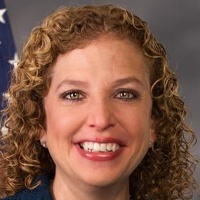
Debbie Wasserman Schultz
Representative
FL
Debbie Wasserman Schultz
Representative
FL
Jaime's Law aims to improve the background check system by requiring licensed dealers to conduct background checks for most private ammunition transfers. This legislation makes it illegal for unlicensed individuals to transfer ammunition unless a licensed dealer first processes the transaction. The Act includes specific exceptions, such as transfers between immediate family members or for law enforcement use.
This Act prohibits the discharge of plastic pellets and pre-production plastic materials into U.S. waters from industrial facilities through EPA regulations and permitting requirements.
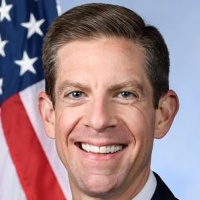
Mike Levin
Representative
CA
Mike Levin
Representative
CA
The Plastic Pellet Free Waters Act prohibits the discharge of plastic pellets and other pre-production plastic materials into U.S. waters from industrial facilities. This requires the EPA to swiftly issue a rule banning these discharges from facilities involved in the manufacturing, use, packaging, or transport of these plastics. The prohibition will be enforced through existing permitting and regulatory systems under the Federal Water Pollution Control Act.
This bill officially recognizes the cultural and historical significance of Lunar New Year in 2026 and expresses respect for those who celebrate it.
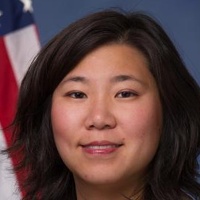
Grace Meng
Representative
NY
Grace Meng
Representative
NY
This bill officially recognizes the cultural and historical significance of Lunar New Year, specifically in 2026, the Year of the Horse. It expresses deep respect for Asian American communities and all who celebrate this important occasion. The resolution concludes by offering wishes for a happy and prosperous new year to all observers.
The Healthy Families Act establishes a national standard requiring most employers to provide employees with earned paid sick leave for personal or family health needs and related safety issues.
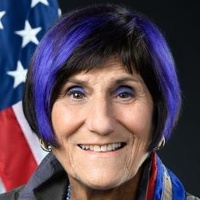
Rosa DeLauro
Representative
CT
Rosa DeLauro
Representative
CT
The Healthy Families Act establishes a national standard requiring most employers to provide employees with earned paid sick leave. Employees will accrue a minimum of one hour of paid time for every 30 hours worked, usable for personal or family health needs, domestic violence, sexual assault, or stalking. The Act prohibits employer retaliation for using this leave and ensures existing, more generous leave policies are not diminished.
This bill establishes a comprehensive Transgender Bill of Rights to codify and protect the rights of transgender and nonbinary people across healthcare, employment, legal recognition, and safety.
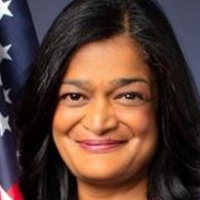
Pramila Jayapal
Representative
WA
Pramila Jayapal
Representative
WA
This resolution establishes a comprehensive Transgender Bill of Rights to codify and protect the rights of transgender and nonbinary people across the United States. It mandates federal action to ensure equal access to healthcare, employment, housing, legal recognition, and safety. The bill aims to eliminate discrimination and affirm bodily autonomy by amending existing federal civil rights laws.
This Act establishes new financial assistance and debt collection standards for Medicare hospitals while creating a federal grant program for nonprofits to purchase and eliminate eligible medical debt.
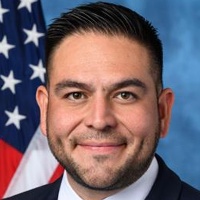
Gabriel (Gabe) Vasquez
Representative
NM
Gabriel (Gabe) Vasquez
Representative
NM
The Patient Debt Relief Act establishes new standards for hospitals participating in Medicare regarding financial assistance and medical debt collection practices, including limits on liens and wage garnishment. It also creates a grant program for eligible nonprofits to purchase and eliminate the medical debt of low-income individuals. These provisions aim to protect patients from aggressive debt collection and provide avenues for debt relief.
The FAIR Act establishes a 3.1% pay increase for most federal employees in 2027, along with a 1% adjustment to locality pay.
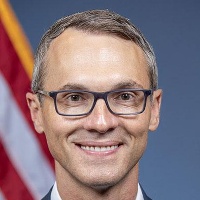
James Walkinshaw
Representative
VA
James Walkinshaw
Representative
VA
The FAIR Act establishes a 3.1% pay increase for General Schedule and prevailing rate federal employees in 2027. Additionally, the bill mandates a 1% increase to federal locality pay rates for the same year.
This bill prohibits the use of hydrofluoric acid in all petroleum refineries, requiring existing facilities to convert to safer alternatives within five years.
Maxine Waters
Representative
CA
Maxine Waters
Representative
CA
This bill prohibits the use of hydrofluoric acid (hydrogen fluoride) in all petroleum refineries, citing its extreme danger to surrounding communities. It immediately bans its use in any new refinery and mandates that existing refineries phase out its use within five years. The legislation aims to prevent mass casualty events by requiring the adoption of safer, commercially available alternative technologies.
This resolution supports the goals of National Black HIV/AIDS Awareness Day by encouraging testing, commending service organizations, and advocating for strategies to reduce HIV disparities in Black communities.
Maxine Waters
Representative
CA
Maxine Waters
Representative
CA
This resolution supports the goals of National Black HIV/AIDS Awareness Day by recognizing the disproportionate impact of HIV on Black Americans. It encourages testing, commends organizations providing culturally competent care, and supports the implementation of the National HIV/AIDS Strategy to reduce disparities. The bill also calls for prioritizing funding for minority-led agencies and addressing systemic barriers to care.