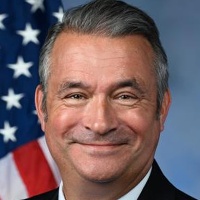
Legislative Activity
Track Don's sponsored bills, co-sponsored legislation, and voting record
The American Families United Act grants immigration judges and the Secretary of Homeland Security greater discretion to prevent the removal of family members of U.S. citizens when separation would cause hardship, while also allowing for the reopening of certain prior cases.
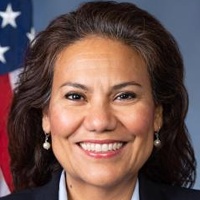
Veronica Escobar
Representative
TX
Veronica Escobar
Representative
TX
The American Families United Act grants immigration officials increased discretion to halt removal proceedings or grant immigration benefits for family members of U.S. citizens when separation would cause hardship. This discretion is presumed to be met if the action results in family separation, though certain serious criminal grounds remain disqualifying. The Act also allows individuals to file motions to reopen or reconsider past immigration decisions if the outcome would have been different under these new provisions, subject to a two-year filing deadline.
The SCREENS for Cancer Act of 2025 reauthorizes and updates the National Breast and Cervical Cancer Early Detection Program to enhance cancer prevention, reduce disparities, and ensure equitable access to screening services through increased funding and new reporting requirements.
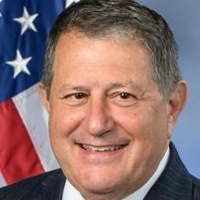
Joseph Morelle
Representative
NY
Joseph Morelle
Representative
NY
The **SCREENS for Cancer Act of 2025** seeks to reauthorize and update the National Breast and Cervical Cancer Early Detection Program (NBCCEDP). This legislation expands the program's focus to include cancer prevention and aims to reduce health disparities in screening access. The bill authorizes $235 million annually for fiscal years 2026 through 2030 and mandates a GAO study on program eligibility and service trends.
The Safer Skies Act of 2025 mandates that certain smaller charter and commuter air carriers currently exempt from TSA checkpoints must adopt the same security screening standards as larger airlines.
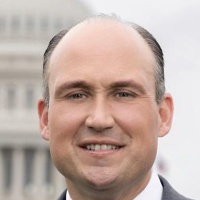
Nicholas Langworthy
Representative
NY
Nicholas Langworthy
Representative
NY
The Safer Skies Act of 2025 mandates enhanced security screening for certain smaller charter and commuter air carriers that sell individual passenger seats publicly. This legislation requires these specific operations, currently exempt from TSA checkpoints, to adopt the security standards applied to larger commercial airlines. The goal is to raise the baseline security level across a broader segment of air travel operations.
The Dietary Guidelines Reform Act of 2025 overhauls the development of official dietary guidelines, shifting the update cycle to every 10 years, mandating evidence-based review procedures, and establishing an independent advisory board for early updates.
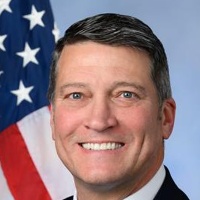
Ronny Jackson
Representative
TX
Ronny Jackson
Representative
TX
The Dietary Guidelines Reform Act of 2025 changes the required update cycle for official dietary guidelines from every five years to at least every ten years, requiring adherence to formal rulemaking procedures. The bill mandates that future guidelines must be based on rigorous, evidence-based scientific review and address accessibility and affordability for all populations. If updates occur sooner than the ten-year cycle, an independent, temporary advisory board must be established to submit guiding scientific questions. The Act also strictly limits the scope of the guidelines, excluding topics like taxation, social welfare, and food production methods.
This bill establishes national reciprocity for concealed carry permits, allowing individuals legally permitted to carry in their home state to carry a handgun in any other state that allows concealed carry.
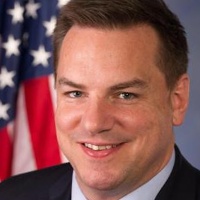
Richard Hudson
Representative
NC
Richard Hudson
Representative
NC
The Constitutional Concealed Carry Reciprocity Act of 2025 establishes a national standard for carrying concealed handguns across state lines. This act allows individuals legally permitted to carry in their home state to carry concealed in any other state that allows its residents to carry concealed firearms. The law does not override private property restrictions or prohibitions on government property, but it provides protections and legal recourse for those traveling in compliance with the new federal standard.
The FAIR Act of 2025 mandates that Medicare-funded residency programs report data on the application and acceptance rates of osteopathic and allopathic medical school graduates to ensure equitable treatment, with non-compliance resulting in Medicare payment penalties.
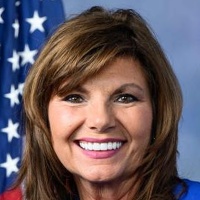
Diana Harshbarger
Representative
TN
Diana Harshbarger
Representative
TN
The Fair Access In Residency (FAIR) Act of 2025 aims to ensure equitable treatment of osteopathic (D.O.) and allopathic (M.D.) medical school graduates in residency applications. It requires hospitals receiving Medicare funds to report detailed data on D.O. and M.D. applicants and acceptances for each residency program. Hospitals failing to submit this required data will face a 2% reduction in their Medicare payments. This collected data will also be made publicly available to promote transparency in the residency recruitment process.
This bill expands Medicare coverage under Part B to pay qualified home infusion suppliers for augmentation therapy kits and nursing services for Medicare beneficiaries with Alpha-1 Antitrypsin Deficiency Disorder who require emphysema treatment in their homes.

Maria Salazar
Representative
FL
Maria Salazar
Representative
FL
The John W. Walsh Alpha-1 Home Infusion Act of 2025 amends Medicare to specifically cover augmentation therapy for individuals with severe Alpha-1 Antitrypsin Deficiency Disorder when administered in the home. This legislation establishes new payment rules under Medicare Part B for the necessary intravenous kits and associated nursing services. The goal is to ensure qualified home infusion suppliers are reimbursed directly for providing this essential, ongoing maintenance treatment.
The Unity through Service Act of 2025 establishes an Interagency Council to unify and expand recruitment efforts across military, national, and public service sectors while improving transition opportunities for participants.
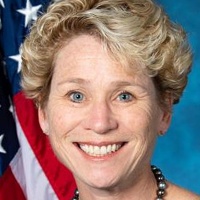
Chrissy Houlahan
Representative
PA
Chrissy Houlahan
Representative
PA
The Unity through Service Act of 2025 establishes an Interagency Council on Service to advise the President on strengthening recruitment across military, national, and public service opportunities. The bill mandates joint market research between defense and national service agencies and improves transition assistance for separating service members into public sector jobs. Ultimately, the Act aims to foster civic duty by coordinating federal efforts to promote and measure the impact of all forms of national service.
This Act establishes federal grant programs and mandates for the Bureau of Prisons to implement mandatory, confidential mental health screenings and dedicated outreach teams for corrections officers to connect them with necessary care.
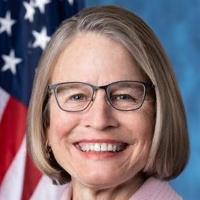
Mariannette Miller-Meeks
Representative
IA
Mariannette Miller-Meeks
Representative
IA
The Corrections Officer Blake Schwarz Suicide Prevention Act of 2025 establishes federal grant programs to help states and local governments implement mandatory, confidential mental health screenings for corrections officers. The bill also directs the Bureau of Prisons to create a similar internal mental health survey and outreach program for federal staff. An Advisory Board will be created to oversee the implementation of these programs and ensure officers identified as needing care are connected with local mental health providers. Funding is authorized through Fiscal Year 2030 to support these critical suicide prevention and support initiatives.
This resolution officially recognizes the cultural and historical significance of Nowruz, celebrating the Iranian New Year while supporting the human rights and freedoms of the Iranian people.
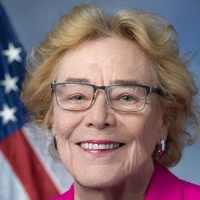
Zoe Lofgren
Representative
CA
Zoe Lofgren
Representative
CA
This resolution officially recognizes the cultural and historical significance of Nowruz, the traditional Iranian New Year celebrated by millions worldwide. Congress acknowledges the enduring contributions of Persian civilization and Iranian Americans to the United States. Furthermore, the resolution supports the Iranian people's pursuit of fundamental human rights, including freedom of expression and internet access.
This bill revokes federal student aid eligibility and converts existing grants into non-dischargeable loans for individuals convicted of assaulting a police officer or participating in violent riots.
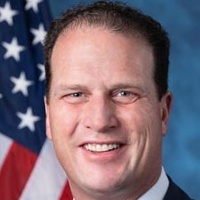
August Pfluger
Representative
TX
August Pfluger
Representative
TX
The FAFSA Act of 2025 revokes federal student aid eligibility, including grants and loans, for individuals convicted of assaulting a police officer or certain riot-related crimes. Any federal grants received prior to the conviction will be immediately converted into Federal Direct Unsubsidized Stafford Loans that must be repaid with interest. These converted loans will not be eligible for any existing federal forgiveness or discharge programs.
This bill mandates the revocation of student and exchange visitor visas and initiates deportation proceedings for individuals convicted of assaulting a police officer or engaging in riot-related activities.
August Pfluger
Representative
TX
August Pfluger
Representative
TX
The UPRISERS Act mandates the revocation of student and exchange visitor visas for individuals convicted of assaulting a police officer or engaging in riot-related offenses. Furthermore, this bill makes conviction for these specific crimes grounds for deportation for those holding F, J, or M visas. This legislation targets non-immigrant visa holders involved in violent civil unrest or attacks on law enforcement.
Urges Congress and the administration to collaborate on food and agricultural trade policies that expand market access, eliminate trade barriers, and ensure global competitiveness for U.S. farmers and ranchers.
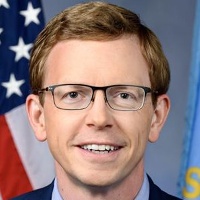
Dusty Johnson
Representative
SD
Dusty Johnson
Representative
SD
This resolution urges Congress and the administration to work together to address the decline in U.S. food and agricultural exports by expanding market access, reducing trade barriers, and supporting domestic trade promotion programs. It emphasizes the importance of trade agreements and the enforcement of existing commitments to ensure global competitiveness for U.S. farmers and ranchers. The resolution seeks a global trading system grounded in scientific principles to bolster the U.S. agricultural sector.
Supports the designation of March 18, 2025, as "National Agriculture Day" and recognizes the importance of agriculture in the United States.
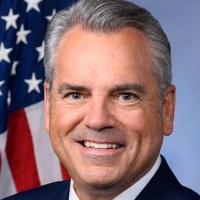
Mark Alford
Representative
MO
Mark Alford
Representative
MO
This resolution expresses support for designating March 18, 2025, as "National Agriculture Day." It recognizes and celebrates the significant impact of agriculture as a leading industry in the United States.
Formally establishes U.S. policy to recognize Ukraine's sovereignty and territorial integrity within its 1991 internationally recognized borders, while condemning Russia's occupation of Ukrainian territories.
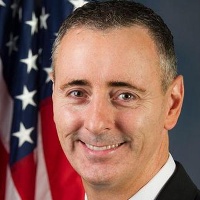
Brian Fitzpatrick
Representative
PA
Brian Fitzpatrick
Representative
PA
This bill affirms the U.S. government's recognition of Ukraine's sovereignty, independence, and territorial integrity within its internationally recognized 1991 borders. It condemns Russia's occupation and annexation of Ukrainian territories as violations of international law. The bill also establishes the official policy of the U.S. government to reject Russia's claims over occupied Ukrainian territories.
The Major Richard Star Act ensures that military retirees with combat-related disabilities can concurrently receive their full military retirement pay and VA disability compensation without reduction.

Gus Bilirakis
Representative
FL
Gus Bilirakis
Representative
FL
The Major Richard Star Act ensures that military retirees with combat-related disabilities can receive both their military retirement pay and VA disability compensation concurrently without reduction. This law removes previous restrictions that caused military retirement pay to be offset by VA disability payments for these specific cases. The changes take effect on the first day of the month following the Act's enactment.
This Act extends the eligibility period for beginning and veteran farmers and ranchers to receive enhanced crop insurance premium assistance.
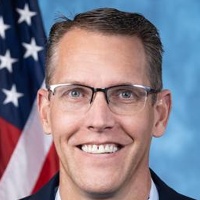
Randy Feenstra
Representative
IA
Randy Feenstra
Representative
IA
The Crop Insurance for Future Farmers Act expands eligibility for enhanced crop insurance support by increasing the definition of a "beginning farmer or rancher" from five to ten crop years. This legislation also extends the qualifying period for "veteran farmers and ranchers" under the same terms. Furthermore, it restructures the premium assistance structure for these groups, providing tiered, decreasing levels of extra financial help over their first ten years of participation.
This bill establishes a new federal tax credit to incentivize investments in maintaining and improving existing hydroelectric facilities and restoring rivers through approved environmental and safety upgrades.

Adrian Smith
Representative
NE
Adrian Smith
Representative
NE
The Maintaining and Enhancing Hydroelectricity and River Restoration Act establishes a new federal tax credit to incentivize investments in improving existing hydroelectric facilities. This credit covers 30% of the cost for property that enhances fish passage, water quality, dam safety, or facilitates the removal of obsolete river obstructions. Furthermore, the bill allows taxpayers to elect direct payment or transferability for this new credit.
This act officially designates Postal Service police officers as federal agents with authority over Postal Service property and establishes penalties for violating property rules set by the Postmaster General.
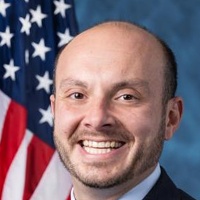
Andrew Garbarino
Representative
NY
Andrew Garbarino
Representative
NY
The Postal Police Reform Act of 2025 officially designates Postal Service police officers as federal law enforcement agents under Title 18 of the U.S. Code. This legislation grants the Postmaster General the authority to establish and enforce rules for protecting Postal Service property. Violations of these new rules may result in federal fines or imprisonment up to 30 days.
This bill mandates a study and report on the effectiveness of home cardiorespiratory monitors for preventing sudden unexpected infant death (SUID) and provides recommendations for insurance coverage.
Rudy Yakym
Representative
IN
Rudy Yakym
Representative
IN
The Baby Observation Act mandates that the Secretary of Health and Human Services conduct a comprehensive study on the effectiveness of home cardiorespiratory monitors in preventing sudden unexpected infant death (SUID). The resulting report must detail the monitors' performance, suggest new infant care practices, and provide recommendations on criteria for insurance coverage. This aims to determine if these vital sign monitors warrant broader health insurance reimbursement.