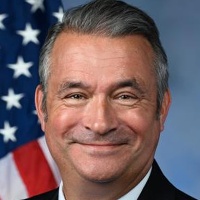
Legislative Activity
Track Don's sponsored bills, co-sponsored legislation, and voting record
The SPARC Act establishes a new six-year federal loan repayment program to incentivize specialty medical providers to work in underserved rural communities.
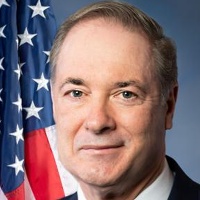
John Joyce
Representative
PA
John Joyce
Representative
PA
The SPARC Act establishes a new federal loan repayment program to incentivize specialty medical providers to practice in underserved rural communities. This program offers to repay up to $250,000 of eligible education loans in exchange for a six-year service commitment in a designated rural shortage area. The Secretary of Health and Human Services will administer the program through HRSA, prioritizing loan repayment for both physicians and non-physician specialists.
This bill mandates a comprehensive study to investigate potential links between military rotary-wing operations and increased cancer prevalence or mortality among pilots and support personnel.
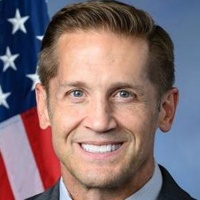
Rich McCormick
Representative
GA
Rich McCormick
Representative
GA
The ROTOR Act mandates a comprehensive study to investigate cancer prevalence and mortality rates among military rotary-wing pilots and aviation support personnel. This research, conducted by the Defense Health Agency in partnership with the NIH and NCI, will first compare cancer rates in these service members against the general population. If elevated rates are found, a second phase will seek to identify potential toxic exposures or environmental factors linked to helicopter operations that may be causing the increased risk.
This bill establishes a State judicial threat intelligence and resource center to monitor threats, coordinate security, and report on incidents targeting state and local judges and court staff.
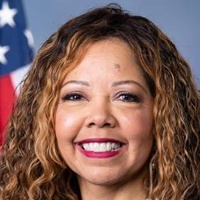
Lucy McBath
Representative
GA
Lucy McBath
Representative
GA
This bill establishes a new State judicial threat intelligence and resource center to enhance the security of state and local judges and court staff. The center will provide training, monitor threats, standardize reporting, and create a national database for incidents against the judiciary. It also requires annual reporting to Congress on the number and severity of threats received.
The SEEK HELP Act provides federal Good Samaritan protections for individuals who administer overdose reversal drugs or seek medical assistance during a drug overdose, while also funding public awareness campaigns and mandating a GAO study on the effectiveness of these protections.
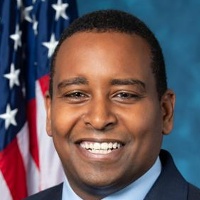
Joe Neguse
Representative
CO
Joe Neguse
Representative
CO
The Samaritan Efforts to Ensure Key Health Emergency and Life-saving Protections Act (SEEK HELP Act) establishes federal Good Samaritan protections for individuals who administer opioid overdose reversal drugs or seek medical help during an overdose. It shields these individuals from civil liability and certain criminal prosecution related to controlled substance possession when seeking aid. Furthermore, the Act mandates public awareness campaigns and a comprehensive GAO study to evaluate the effectiveness of these overdose protection laws across the states.
This Act modernizes seasonal agricultural CDLs by allowing online renewal for eligible employees and clarifying that implements of husbandry are not considered commercial motor vehicles.
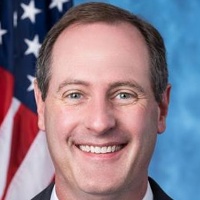
Tracey Mann
Representative
KS
Tracey Mann
Representative
KS
The Seasonal Agriculture CDL Modernization Act streamlines the process for farm workers by allowing states to establish online systems for renewing seasonal, restricted Commercial Driver's Licenses (CDLs). This legislation also clarifies that implements of husbandry (farm equipment) are not classified as commercial motor vehicles for licensing purposes. Overall, the bill aims to modernize and simplify CDL requirements for those in the farm-related service industries.
This bill expedites security assistance to Middle Eastern and North African partners who normalize relations with Israel and cooperate against Iranian threats, while safeguarding Israel's qualitative military edge.
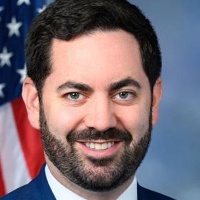
Michael Lawler
Representative
NY
Michael Lawler
Representative
NY
The Abraham Accords Defense Against Terror Act expedites security assistance and defense sales to Middle Eastern and North African countries that have normalized relations with Israel and cooperate against Iranian threats. This process requires a shortened 15-day congressional notification period from the President for approved transfers. Furthermore, the State Department must submit regular, public reports detailing the security strategy, threat assessments, and progress in countering Iranian proxies. Crucially, the Act ensures that these provisions do not undermine Israel's qualitative military edge.
This Act mandates that television advertisements for prescription drugs and biologics covered by Medicare or Medicaid must clearly display the list price for a standard supply.
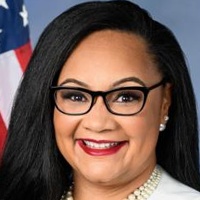
Nikema Williams
Representative
GA
Nikema Williams
Representative
GA
The Plain Prescription Prices Act mandates that television advertisements for prescription drugs and biologics covered by Medicare or Medicaid must clearly display the list price for a standard supply. This aims to increase transparency by ensuring consumers see the cost information directly in drug advertisements. The Secretary of Health and Human Services will establish the specific rules and enforcement mechanisms for this price disclosure.
Dillon's Law updates federal guidelines to grant preference points to states that allow any trained personnel, not just school employees, to administer epinephrine delivery systems in schools.
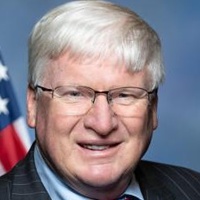
Glenn Grothman
Representative
WI
Glenn Grothman
Representative
WI
Dillon's Law amends federal guidelines to grant preference points to states that allow trained, non-school personnel to administer epinephrine in schools. This change broadens the definition of who can provide life-saving medication beyond just school employees. The law also updates terminology to cover a wider range of epinephrine delivery systems.
This bill incentivizes federal transit grants for areas that adopt local policies removing barriers to building more housing, especially affordable housing, near transit facilities.
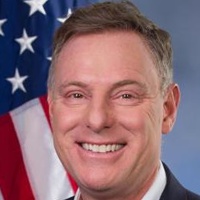
Scott Peters
Representative
CA
Scott Peters
Representative
CA
The Build More Housing Near Transit Act of 2025 incentivizes the construction of new housing near public transit by awarding extra points on federal capital investment grants. These extra points are given to applicants whose jurisdictions have adopted "pro-housing policies," such as reducing parking minimums or streamlining approval processes for multi-family housing. The Secretary must consult with HUD to ensure these local policies are expected to result in measurable increases in housing, particularly for low-income residents.
The Innovate to Save Lives Act establishes a new 10% tax credit for small businesses conducting qualified research to mitigate threats from specified drugs like fentanyl and methamphetamine.
Joe Neguse
Representative
CO
Joe Neguse
Representative
CO
The Innovate to Save Lives Act creates a new 10% tax credit for small businesses conducting qualified research aimed at mitigating threats from specified drugs like fentanyl and methamphetamine. This incentive targets research focused on preventing the use of or treating the effects of these dangerous substances. The provision is designed to encourage private sector innovation in combating the ongoing drug crisis.
This bill directs the Government Accountability Office to report on the effectiveness of current systems for military and overseas voting and to study ways to improve voter registration assistance for service members and their families.
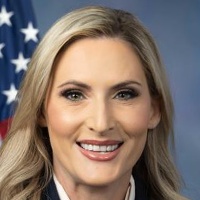
Laurel Lee
Representative
FL
Laurel Lee
Representative
FL
The Supporting Military Voters Act mandates that the Government Accountability Office (GAO) conduct a comprehensive review of how effectively the government supports voting access for absent uniformed services members and their families. This review will analyze current ballot delivery and counting processes under existing law. Furthermore, the GAO must study actionable steps the military departments can take to improve voter registration assistance for service members. The final report detailing these findings and recommendations is due by September 30, 2027.
This Act prohibits the Federal Reserve from directly or indirectly issuing a Central Bank Digital Currency (CBDC) and bars the Fed from developing or using one for monetary policy without explicit Congressional authorization.
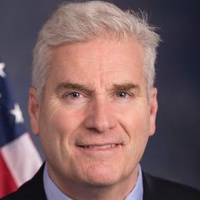
Tom Emmer
Representative
MN
Tom Emmer
Representative
MN
The Anti-CBDC Surveillance State Act strictly prohibits the Federal Reserve from directly or indirectly issuing a Central Bank Digital Currency (CBDC) to individuals. This legislation prevents the Fed from developing, testing, or implementing any digital currency that functions as a direct liability of the Federal Reserve. Furthermore, Congress asserts that any authority to create such a digital asset must explicitly come from Congress itself.
The PRICE Act establishes a competitive grant program to fund improvements, resident services, and community enhancements in low- and moderate-income manufactured housing communities.
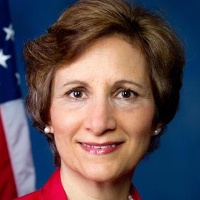
Suzanne Bonamici
Representative
OR
Suzanne Bonamici
Representative
OR
The Preservation and Reinvestment Initiative for Community Enhancement Act (PRICE Act) establishes a new competitive grant program to improve manufactured housing communities serving low- and moderate-income residents. These funds can be used for essential infrastructure repairs, resident health and safety upgrades, and community enhancement projects. Priority will be given to projects that ensure the long-term affordability and stability of the housing.
The CARE for Kids Act of 2025 expands automatic enrollment and extends eligibility for free and reduced-price school meals for children in foster care, kinship guardianship, adoption assistance, and specific low-income housing situations.
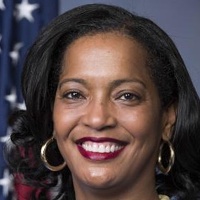
Jahana Hayes
Representative
CT
Jahana Hayes
Representative
CT
The CARE for Kids Act of 2025 streamlines access to free and reduced-price school meals for vulnerable children. It expands automatic direct certification eligibility for children in foster care, kinship guardianship, or receiving adoption assistance. The bill also ensures that a child's meal eligibility status is maintained when transferring between school districts or when entering the care of a relative. These changes aim to reduce administrative burdens and ensure consistent food access for children facing housing or custody instability.
This bill reauthorizes the Public Health and Bio-Preparedness Workforce Loan Repayment Program through fiscal year 2030.
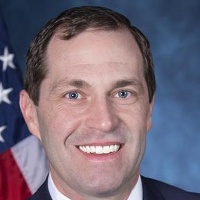
Jason Crow
Representative
CO
Jason Crow
Representative
CO
This bill reauthorizes the Public Health and Bio-Preparedness Workforce Loan Repayment Program through fiscal year 2030. It ensures continued support for professionals working in public health and bio-preparedness by extending their eligibility for loan repayment. This action secures the program for five additional years.
The DIGNIDAD Act of 2025 comprehensively overhauls U.S. immigration policy by simultaneously increasing border security, establishing new pathways to legal status for certain long-term residents, mandating E-Verify for all employers, and reforming asylum and employment visa processes.

Maria Salazar
Representative
FL
Maria Salazar
Representative
FL
The DIGNIDAD Act of 2025 is a comprehensive bill that significantly overhauls U.S. immigration policy across five major divisions. Division A focuses on aggressive border security enhancements, infrastructure modernization, and increased criminal penalties for immigration offenses, while Division B establishes pathways to legal status for long-term residents who entered as children and creates a temporary protection program for others. Finally, Division C aims to improve legal immigration by reducing green card backlogs, streamlining employment and student visas, and providing new discretionary relief for family separation cases.
This Act establishes a pilot program to fund state-level nursing workforce centers to collect data, analyze workforce needs, and develop strategies to address nursing shortages.

Young Kim
Representative
CA
Young Kim
Representative
CA
The National Nursing Workforce Center Act of 2025 establishes a new two-year pilot program to fund and evaluate state-based nursing workforce centers through competitive grants. These centers will focus on critical statewide activities like data analysis, studying nursing education capacity, and developing strategies to recruit and retain nurses. The bill also expands existing health workforce analysis grants to ensure dedicated funding and technical assistance for nursing-focused research and evaluation.
This Act mandates that VA medical staff promptly certify the deaths of veterans who died from natural causes within 48 hours to expedite burial and survivor benefits.
Tom Emmer
Representative
MN
Tom Emmer
Representative
MN
The Veteran Burial Timeliness and Death Certificate Accountability Act addresses significant delays in obtaining death certificates for veterans who die from natural causes, often due to VA medical staff delays. This bill mandates that VA medical providers must certify a veteran's death within 48 hours or allow the local medical examiner to step in. Furthermore, the VA must annually report on its compliance with this new timely certification requirement.
This resolution formally condemns the violent attack on the U.S. Border Patrol facility in McAllen, Texas, on July 7, 2025, while expressing support for law enforcement personnel.
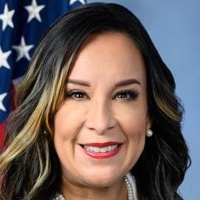
Mónica De La Cruz
Representative
TX
Mónica De La Cruz
Representative
TX
This resolution formally condemns the violent attack on the U.S. Border Patrol facility in McAllen, Texas, on July 7, 2025. It expresses support for the injured agents and reaffirms Congress's strong backing for the dedicated men and women of the Border Patrol. The bill emphasizes that such violence against law enforcement is unacceptable and undermines national security efforts.
This Act extends funding allocation rules for sport fish restoration, removes spending caps for the Interstate Fisheries Commission, prioritizes alternative fuel infrastructure for recreational boating, and reduces the excise tax on portable, electronically-aerated bait containers.

Debbie Dingell
Representative
MI
Debbie Dingell
Representative
MI
The Sport Fish Restoration, Recreational Boating Safety, and Wildlife Restoration Act of 2025 extends the timeline for current Sport Fish Restoration funding allocation rules until 2031 and removes the spending cap for Interstate Fisheries Commission activities. The bill also updates boating infrastructure priorities to specifically include funding for alternative marine fuel facilities for larger vessels. Finally, it significantly reduces the federal excise tax rate on portable, electronically-aerated bait containers from 10 percent to 3 percent.