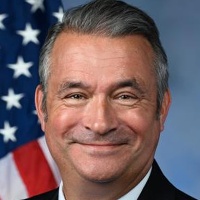
Legislative Activity
Track Don's sponsored bills, co-sponsored legislation, and voting record
This Act prohibits discrimination against qualified individuals with disabilities in all aspects of the organ transplant process, requiring reasonable accommodations and support structures.
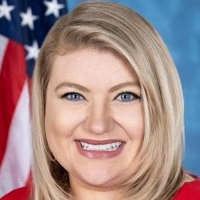
Katherine Cammack
Representative
FL
Katherine Cammack
Representative
FL
The Charlotte Woodward Organ Transplant Discrimination Prevention Act prohibits discrimination against qualified individuals with disabilities in all aspects of the organ transplant process. This legislation ensures that a disability alone cannot be a basis for denying a transplant, referral, or listing. It mandates reasonable modifications and the provision of necessary support, including recognizing support networks, unless the disability presents a medically significant barrier to the transplant itself. The Act ensures these protections apply from initial evaluation through post-transplant care and does not diminish existing state or local protections.
This bill establishes a pilot program to provide grants for training family caregivers of young children with autism or developmental disabilities in essential skills to improve child well-being and community involvement.
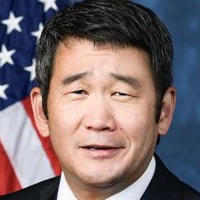
Dave Min
Representative
CA
Dave Min
Representative
CA
The Autism Family Caregivers Act of 2025 establishes a new pilot program to award grants for evidence-based skills training to family caregivers of children with autism or developmental disabilities. This training aims to improve child well-being and community engagement by focusing on communication, daily living skills, and caregiver self-care. The Secretary of Health and Human Services will oversee the program, which requires grantees to establish diverse advisory committees and report annually on program effectiveness. Funding is authorized through fiscal year 2030 to support at least 25 entities across multiple states.
This resolution expresses support for designating June 2025 as "National Dairy Month" to recognize the dairy industry's vital contributions to American health, family farming, and the national economy.
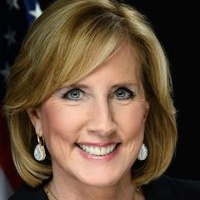
Claudia Tenney
Representative
NY
Claudia Tenney
Representative
NY
This resolution expresses support for designating June 2025 as "National Dairy Month" to recognize the vital role of the dairy industry. It highlights the industry's significant contributions to American health, noting that dairy is a key source of essential nutrients like calcium and Vitamin D. Furthermore, the resolution commends the nation's family-owned dairy farms for their economic impact and agricultural heritage. It also strongly opposes unfair regulations that hinder dairy farmers.
This Act mandates that major internet content and service providers (edge providers) must help fund the Universal Service Fund alongside broadband providers to lower consumer costs and support service in high-cost areas.
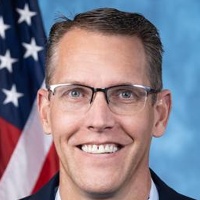
Randy Feenstra
Representative
IA
Randy Feenstra
Representative
IA
The Lowering Broadband Costs for Consumers Act of 2025 reforms the Universal Service Fund (USF) contribution system by requiring large internet content and service providers ("Edge Providers") to contribute alongside traditional broadband providers. This aims to shift the financial burden away from solely relying on phone companies to ensure continued support for universal service. The bill also directs the FCC to establish new, predictable funding mechanisms to support broadband providers serving high-cost areas.
This resolution affirms U.S. support for Israel's actions to dismantle Iran's nuclear capabilities and condemns Iran's retaliatory attacks on Israeli civilians.
Claudia Tenney
Representative
NY
Claudia Tenney
Representative
NY
This resolution expresses the strong support of the U.S. Congress for Israel's recent military actions aimed at dismantling Iran's nuclear enrichment capabilities. It condemns Iran's advancement toward nuclear weapons and its retaliatory attacks against Israeli civilians. Furthermore, the bill urges Iran to immediately cease all nuclear activities and reaffirms the United States' commitment to Israel's security.
This resolution recognizes the life, achievements, and public service of former First Lady Barbara Pierce Bush on the occasion of her 100th birthday.
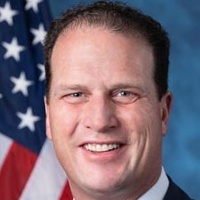
August Pfluger
Representative
TX
August Pfluger
Representative
TX
This resolution formally recognizes and celebrates the life, achievements, and distinguished public service of former First Lady Barbara Pierce Bush on the occasion of her 100th birthday. It highlights her dedication to family, her support of her husband's career, and her crucial advocacy for national literacy initiatives. The House of Representatives commends her enduring legacy as a model citizen and public servant.
This Act appropriates \$162 million to help local agencies hire new law enforcement officers, contingent upon mandatory background checks and psychological evaluations for those hires.
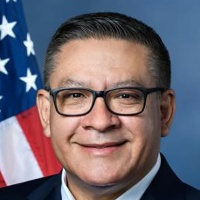
Salud Carbajal
Representative
CA
Salud Carbajal
Representative
CA
The Filling Public Safety Vacancies Act allocates \$162 million in federal funding to assist local agencies in hiring or rehiring career law enforcement officers. This funding is designated as an emergency requirement, bypassing standard budget caps. Any agency utilizing these funds must ensure new hires undergo mandatory background checks and psychological evaluations, with the agency covering the costs of these requirements.
This Act allows Medicaid to cover treatment in Institutions for Mental Diseases (IMDs) if the state submits a plan to enhance community-based outpatient care and crisis response services.
Salud Carbajal
Representative
CA
Salud Carbajal
Representative
CA
The Increasing Behavioral Health Treatment Act removes the long-standing Medicaid exclusion for services provided in Institutions for Mental Diseases (IMDs). To qualify for this coverage, states must submit a comprehensive plan detailing how they will increase access to community-based outpatient care and improve crisis response services for these patients. This legislation aims to ensure better coordination of physical and behavioral health care while requiring states to demonstrate policies that support the least restrictive, most clinically appropriate level of treatment.
This act clarifies Medicare coverage and payment rules for occupational therapy services when used to treat mental health or substance use disorders.
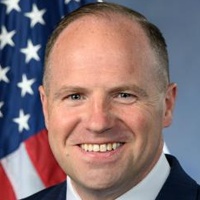
Timothy Kennedy
Representative
NY
Timothy Kennedy
Representative
NY
The Occupational Therapy Mental Health Parity Act aims to clarify and ensure proper coverage of occupational therapy services under Medicare for treating mental health and substance use disorders. It mandates the Secretary of Health and Human Services to educate stakeholders on billing and payment rules within the Medicare Benefit Policy Manual. This ensures providers are correctly reimbursed when using occupational therapy for mental health treatment.
This proposed constitutional amendment grants Congress the explicit power to prohibit the physical desecration of the United States flag.
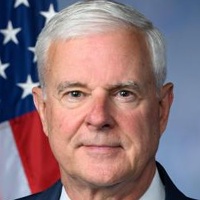
Steve Womack
Representative
AR
Steve Womack
Representative
AR
This proposed constitutional amendment seeks to grant Congress the explicit power to prohibit the physical desecration of the United States flag. If ratified by three-fourths of the states within seven years, this would allow Congress to enact federal laws protecting the flag from physical damage or destruction.
This act ensures that time spent receiving outpatient observation services in a hospital counts toward the required 3-day inpatient stay for Medicare coverage of skilled nursing facility services.
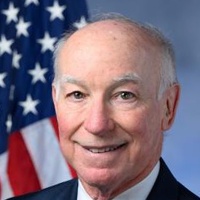
Joe Courtney
Representative
CT
Joe Courtney
Representative
CT
The Improving Access to Medicare Coverage Act of 2025 ensures that time spent receiving outpatient observation services in a hospital counts toward the required 3-day inpatient stay needed to qualify for Medicare coverage of skilled nursing facility (SNF) services. This change effectively removes a significant barrier to accessing post-hospital care for many Medicare beneficiaries. The Secretary of HHS is authorized to implement this rule immediately.
The Respond, Innovate, Succeed, and Empower (RISE) Act streamlines disability documentation requirements for college students, clarifies funding for disability support centers, and mandates improved data collection on students with disabilities in higher education.
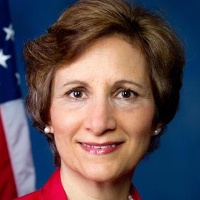
Suzanne Bonamici
Representative
OR
Suzanne Bonamici
Representative
OR
The Respond, Innovate, Succeed, and Empower (RISE) Act aims to improve support for postsecondary students with disabilities. It standardizes the types of documentation colleges must accept to verify a disability, ensuring clearer access to necessary accommodations. The bill also authorizes increased funding for national technical support centers and requires colleges to report essential data on enrolled students with disabilities. Finally, it clarifies that these changes do not alter existing rights under the Americans with Disabilities Act.
This Act removes barriers preventing students formerly in foster care from receiving housing assistance and allows the Secretary to waive certain requirements for their campus housing.
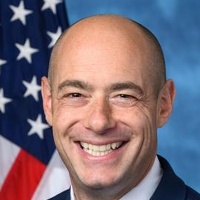
Greg Landsman
Representative
OH
Greg Landsman
Representative
OH
The Campus Housing Affordability for Foster Youth Act removes a long-standing federal prohibition that prevented students from receiving certain housing assistance. This legislation allows the Secretary to waive specific requirements for Section 8 housing assistance for college students who live in campus housing and have a history in foster care or are emancipated minors. Crucially, any assistance received through this waiver will not negatively impact a student's eligibility for federal financial aid or other support programs.
This resolution supports designating the second Friday of June as "National Service and Conservation Corps Day" to recognize the vital work of existing service programs.
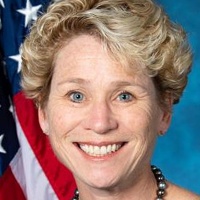
Chrissy Houlahan
Representative
PA
Chrissy Houlahan
Representative
PA
This resolution supports designating the second Friday of June as "National Service and Conservation Corps Day" to recognize the vital work of existing Service and Conservation Corps programs. It highlights how these corps train thousands of young adults and veterans annually while addressing critical environmental and community needs. The bill encourages public recognition of these efforts and supports the continued operation and expansion of the national service network.
This Act ensures certain Bureau of Prisons employees currently receiving the "Rest of US" locality pay rate are instead paid based on the nearest established locality pay rate, potentially increasing their compensation.
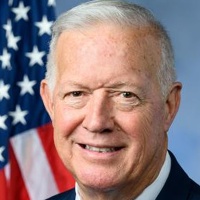
Randy Weber
Representative
TX
Randy Weber
Representative
TX
The Pay Our Correctional Officers Fairly Act aims to increase the pay for certain Bureau of Prisons (BOP) employees currently receiving the "Rest of US" locality pay rate. This bill mandates that their pay locality be adjusted to the nearest established locality offering a higher rate, provided it is within 200 miles of their worksite. This change is designed to ensure fairer compensation for these federal correctional staff.
This Act mandates the collection of comprehensive federal data on student parents in higher education and requires a study on effective support strategies, particularly regarding on-campus childcare.
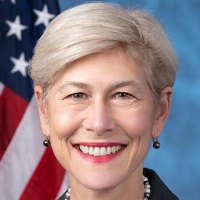
Deborah Ross
Representative
NC
Deborah Ross
Representative
NC
The Understanding Student Parent Outcomes Act of 2025 aims to improve support for students who are also parents by requiring the federal government to establish a clear definition for "parenting student" and mandate the collection of detailed, disaggregated data on their enrollment, costs, and outcomes. The bill further directs the Secretary of Education to conduct a comprehensive study analyzing the impact of campus childcare and support services on student parent success. Ultimately, this legislation seeks to provide the necessary data and research to better inform policies that help student parents achieve higher education degrees.
This Act mandates that colleges receiving federal aid establish and clearly communicate policies and resources regarding leave, accommodations, financial aid, and support services for expectant and parenting students.
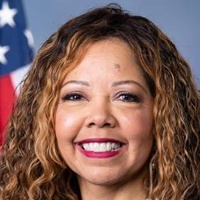
Lucy McBath
Representative
GA
Lucy McBath
Representative
GA
The Helping Student Parents Succeed Act requires colleges receiving federal aid to establish clear policies supporting expectant and parenting students. These institutions must provide comprehensive information regarding academic accommodations, financial aid adjustments like dependent care allowances, and available support services. The bill ensures these students are fully informed of their rights, available resources, and complaint procedures related to pregnancy and parental status.
The BUDS Resolution allows legislation in the House of Representatives to have two primary sponsors, one from the majority and one from the minority party, to encourage bipartisan introduction of bills.
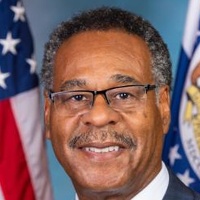
Emanuel Cleaver
Representative
MO
Emanuel Cleaver
Representative
MO
The Building Unity through Dual Sponsors (BUDS) Resolution amends House rules to allow public bills and resolutions to have two primary sponsors, provided one is from the majority party and the other from the minority party. This formalizes bipartisan introduction of legislation from the outset. The resolution also adjusts related rules concerning cosponsorship and required submission statements for these jointly sponsored measures.
This act reauthorizes and updates mandatory funding levels for federal programs aimed at preventing, surveilling, and rapidly responding to foreign animal diseases in the United States through 2031.
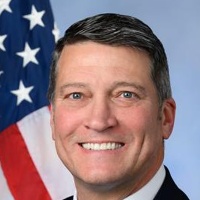
Ronny Jackson
Representative
TX
Ronny Jackson
Representative
TX
The Foreign Animal Disease Prevention, Surveillance, and Rapid Response Act of 2025 reauthorizes and significantly increases mandatory funding levels for critical animal disease prevention and management programs through 2031. This legislation ensures sustained financial support for national animal health laboratories, surveillance efforts, and preparedness initiatives. The bill updates funding allocations to enhance the nation's ability to rapidly respond to potential foreign animal disease outbreaks.
The Runaway and Homeless Youth and Trafficking Prevention Act of 2025 updates federal programs to enhance support, prevention, and data collection for runaway, homeless, and trafficked youth through updated grant requirements and service mandates.
Suzanne Bonamici
Representative
OR
Suzanne Bonamici
Representative
OR
The Runaway and Homeless Youth and Trafficking Prevention Act of 2025 updates federal programs to better support and protect runaway, homeless, and trafficked youth. This legislation modernizes grant programs to ensure services are trauma-informed, culturally sensitive, and address critical needs like housing, education, and mental health. It also expands communication channels to include online outreach and strengthens coordination across federal agencies to combat youth homelessness and exploitation.