Legislative Activity
Track Mike's sponsored bills, co-sponsored legislation, and voting record
This bill establishes a non-legislative Select Committee in the House of Representatives to investigate the operations and networks of Mexican drug cartels and report findings and policy suggestions.

Dan Crenshaw
Representative
TX
Dan Crenshaw
Representative
TX
This bill establishes the Select Committee to Defeat the Mexican Drug Cartels, a non-legislative investigative body within the House of Representatives. The committee will be composed of up to 21 members tasked with investigating the operations and networks of Mexican drug cartels and the government responses to them. While it cannot pass laws, the committee must report its findings and policy suggestions to the House and relevant committees by specific deadlines, with final reports made public by the end of 2026.
This resolution disapproves the District of Columbia Council's Insurance Regulation Amendment Act of 2024, effectively vetoing the local law.
Christopher Smith
Representative
NJ
Christopher Smith
Representative
NJ
This resolution expresses the formal disapproval by Congress of the "Insurance Regulation Amendment Act of 2024," a law recently passed by the District of Columbia Council. By passing this measure, Congress is effectively vetoing the D.C. Council's insurance regulation change, preventing it from taking effect.
This Act establishes a competitive grant program, administered by the Secretary of Energy, to strengthen domestic mining education and training programs at specialized institutions.
Clarence Owens
Representative
UT
Clarence Owens
Representative
UT
The Mining Schools Act of 2025 establishes a competitive grant program, administered by the Secretary of Energy, to strengthen domestic mining education at specialized institutions. These grants aim to train the next generation of professionals needed for the nation's energy and mineral supply by focusing on modern extraction, critical minerals, and environmental responsibility. The Act also creates the Mining Professional Development Advisory Board to guide the grant selection process and repeals the older Mining and Mineral Resources Research Institute Act of 1984.
This Act prohibits state and local governments from imposing excise taxes on the sale of firearms, ammunition, or related parts in interstate or foreign commerce.
Darrell Issa
Representative
CA
Darrell Issa
Representative
CA
The Freedom from Unfair Gun Taxes Act of 2025 prohibits state and local governments from imposing excise taxes on the sale of firearms, ammunition, or firearm parts. This restriction specifically targets taxes levied on sales that involve interstate or foreign commerce. The Act explicitly preserves existing federal laws, such as the Pittman-Robertson Wildlife Restoration Act.
The SCREENS for Cancer Act of 2025 reauthorizes and updates the National Breast and Cervical Cancer Early Detection Program to enhance cancer prevention, reduce disparities, and ensure equitable access to screening services through increased funding and new reporting requirements.
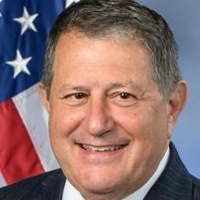
Joseph Morelle
Representative
NY
Joseph Morelle
Representative
NY
The **SCREENS for Cancer Act of 2025** seeks to reauthorize and update the National Breast and Cervical Cancer Early Detection Program (NBCCEDP). This legislation expands the program's focus to include cancer prevention and aims to reduce health disparities in screening access. The bill authorizes $235 million annually for fiscal years 2026 through 2030 and mandates a GAO study on program eligibility and service trends.
The Safer Skies Act of 2025 mandates that certain smaller charter and commuter air carriers currently exempt from TSA checkpoints must adopt the same security screening standards as larger airlines.
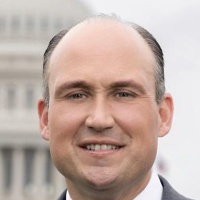
Nicholas Langworthy
Representative
NY
Nicholas Langworthy
Representative
NY
The Safer Skies Act of 2025 mandates enhanced security screening for certain smaller charter and commuter air carriers that sell individual passenger seats publicly. This legislation requires these specific operations, currently exempt from TSA checkpoints, to adopt the security standards applied to larger commercial airlines. The goal is to raise the baseline security level across a broader segment of air travel operations.
This resolution formally recognizes the 250th anniversary of the United States Marine Corps, honoring its legacy, service, and core values.
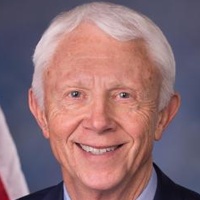
Jack Bergman
Representative
MI
Jack Bergman
Representative
MI
This resolution formally recognizes the upcoming 250th anniversary of the United States Marine Corps in 2025. Congress is honoring the Corps' long history, core values of honor, courage, and commitment, and its consistent readiness to defend the nation. The bill encourages the public to join in celebrating this significant milestone and acknowledging the service and sacrifice of all Marines.
This bill establishes national reciprocity for concealed carry permits, allowing individuals legally permitted to carry in their home state to carry a handgun in any other state that allows concealed carry.
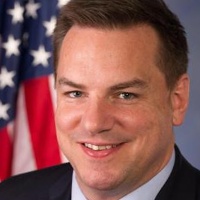
Richard Hudson
Representative
NC
Richard Hudson
Representative
NC
The Constitutional Concealed Carry Reciprocity Act of 2025 establishes a national standard for carrying concealed handguns across state lines. This act allows individuals legally permitted to carry in their home state to carry concealed in any other state that allows its residents to carry concealed firearms. The law does not override private property restrictions or prohibitions on government property, but it provides protections and legal recourse for those traveling in compliance with the new federal standard.
This act establishes expedited judicial review and shifts the burden of proof to the government when individuals challenge NICS denials, while also mandating annual reporting on record challenges.
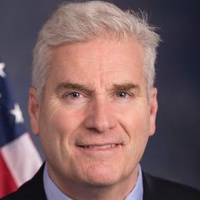
Tom Emmer
Representative
MN
Tom Emmer
Representative
MN
The Firearm Due Process Protection Act of 2025 aims to strengthen due process rights for individuals challenging denials in the National Instant Criminal Background Check System (NICS). It mandates expedited court hearings for record correction lawsuits and shifts the burden of proof onto the government to demonstrate why a person should be ineligible to own a firearm. Additionally, the bill requires the FBI to submit annual reports detailing the outcomes and timelines of all NICS record challenges.
This Act authorizes the Treasury to mint and sell commemorative gold, silver, and clad coins honoring the National Fallen Firefighters Memorial, with surcharges benefiting the National Fallen Firefighters Foundation.
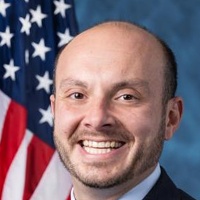
Andrew Garbarino
Representative
NY
Andrew Garbarino
Representative
NY
The National Fallen Firefighters Memorial Coin Act authorizes the Secretary of the Treasury to mint and issue special commemorative gold, silver, and clad coins honoring the National Fallen Firefighters Memorial. These coins will be sold to the public, with surcharges from the sales benefiting the National Fallen Firefighters Foundation. The Treasury must ensure that the production and issuance of these coins result in no net cost to the U.S. Government.
This Act prohibits performing an abortion solely because an unborn child has been diagnosed with Down syndrome and establishes penalties and civil actions for violations.
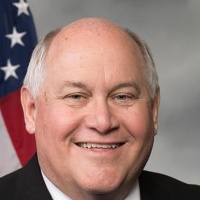
Ron Estes
Representative
KS
Ron Estes
Representative
KS
The Protecting Individuals with Down Syndrome Act prohibits performing an abortion solely because an unborn child has been diagnosed with Down syndrome. This law establishes criminal penalties for providers who violate the prohibition and allows civil lawsuits to be brought by qualified relatives. It also requires medical professionals to report suspected violations.
This bill prohibits discrimination against pregnancy centers that offer life-affirming alternatives to abortion and strengthens enforcement mechanisms for related conscience protections.
Christopher Smith
Representative
NJ
Christopher Smith
Representative
NJ
The Let Pregnancy Centers Serve Act of 2025 aims to protect pregnancy resource centers from discrimination by federal and state entities due to their commitment to offering life-affirming alternatives to abortion. This bill prohibits government agencies receiving federal funds from penalizing organizations that do not perform, refer for, or counsel in favor of abortion. Furthermore, it strengthens enforcement by allowing qualified parties to directly sue government entities for violating these conscience protections.
The Innovative FEED Act of 2025 establishes a new regulatory pathway under the FDA for substances added to animal food intended to modify digestive byproducts, reduce foodborne pathogens, or alter gut function without providing nutrition.
Nicholas Langworthy
Representative
NY
Nicholas Langworthy
Representative
NY
The Innovative FEED Act of 2025 establishes a new regulatory category for "zootechnical animal food substances" intended to modify animal digestive byproducts or reduce foodborne pathogens without treating disease. This bill mandates that these new substances must undergo the standard food additive approval process with the FDA, requiring petitioners to provide extensive data on their intended effects. Approval is contingent upon proving the substance achieves its claimed function under proposed use conditions, and all resulting animal food must carry a specific disclaimer stating it is not for disease treatment.
Supports the designation of March 18, 2025, as "National Agriculture Day" and recognizes the importance of agriculture in the United States.
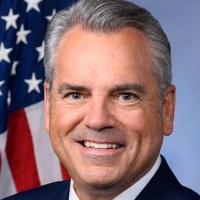
Mark Alford
Representative
MO
Mark Alford
Representative
MO
This resolution expresses support for designating March 18, 2025, as "National Agriculture Day." It recognizes and celebrates the significant impact of agriculture as a leading industry in the United States.
This bill eliminates the authority for states to set their own emission standards for nonroad engines and vehicles and repeals the provision allowing states to adopt California's new motor vehicle emission standards.
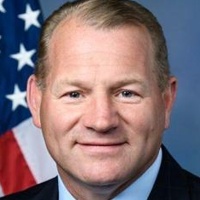
Troy Nehls
Representative
TX
Troy Nehls
Representative
TX
The Stop CARB Act of 2025 centralizes federal control over emission standards for nonroad engines and vehicles, immediately revoking any state authority or existing waivers to set stricter rules. This bill specifically prohibits states from creating or enforcing their own emission standards for equipment like construction and farm machinery. Furthermore, it repeals the provision of the Clean Air Act that allowed other states to adopt California's stricter new motor vehicle emission standards.
This bill prohibits the use of federal taxpayer funds for gender transition procedures and bars federal health plans and ACA premium credits from covering such care.
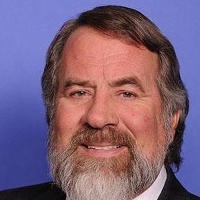
Doug LaMalfa
Representative
CA
Doug LaMalfa
Representative
CA
The End Taxpayer Funding of Gender Experimentation Act of 2025 prohibits the use of any federal funds for gender transition procedures, including those provided through federal health plans or facilities. This ban also extends to the Affordable Care Act, preventing individuals from using federal premium tax credits or cost-sharing reductions to cover plans that include such procedures. The legislation broadly defines gender transition procedures while excluding care for certain disorders of sex development and life-threatening emergencies.
The Air America Act of 2025 authorizes one-time monetary awards to former Air America employees or their survivors for service supporting the CIA between 1950 and 1976.
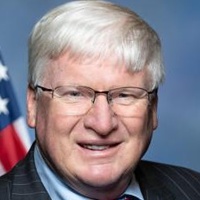
Glenn Grothman
Representative
WI
Glenn Grothman
Representative
WI
The Air America Act of 2025 recognizes the sacrifices of former Air America employees who served the U.S. Government between 1950 and 1976. This Act authorizes a one-time monetary award, up to $40,000 plus potential additional amounts, for qualifying service members or their survivors. The CIA Director is responsible for administering these payments, which are capped at a total of $60 million, and establishing the application procedures. Decisions made by the Director regarding these awards are final and not subject to judicial review.
This act officially designates Postal Service police officers as federal agents with authority over Postal Service property and establishes penalties for violating property rules set by the Postmaster General.
Andrew Garbarino
Representative
NY
Andrew Garbarino
Representative
NY
The Postal Police Reform Act of 2025 officially designates Postal Service police officers as federal law enforcement agents under Title 18 of the U.S. Code. This legislation grants the Postmaster General the authority to establish and enforce rules for protecting Postal Service property. Violations of these new rules may result in federal fines or imprisonment up to 30 days.
This act prohibits the EPA from issuing tailpipe emission regulations that mandate specific vehicle technologies or limit the availability of new motor vehicles based on engine type.
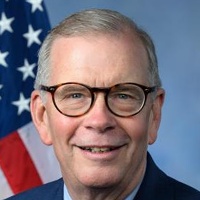
Tim Walberg
Representative
MI
Tim Walberg
Representative
MI
The Choice in Automobile Retail Sales Act of 2025 restricts the Environmental Protection Agency (EPA) from issuing tailpipe emission regulations that mandate specific vehicle technologies or limit the availability of new motor vehicles based on engine type. This ensures manufacturers maintain flexibility in meeting performance standards set by the EPA. The Act requires the EPA to update existing rules within two years to comply with these new limitations.
This Act eliminates the waiting periods for Social Security disability benefits and Medicare coverage for individuals diagnosed with metastatic breast cancer.
Andrew Garbarino
Representative
NY
Andrew Garbarino
Representative
NY
The Metastatic Breast Cancer Access to Care Act aims to improve support for individuals diagnosed with metastatic breast cancer. This bill eliminates the standard waiting period for receiving Social Security disability insurance benefits and waives the 24-month waiting period for Medicare coverage. These changes ensure immediate access to crucial financial and healthcare support upon diagnosis.