Legislative Activity
Track Mike's sponsored bills, co-sponsored legislation, and voting record
This act expands the Work Opportunity Tax Credit to include employers who hire qualified military spouses.
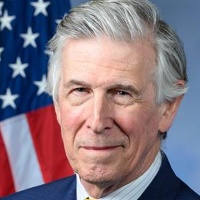
Donald Beyer
Representative
VA
Donald Beyer
Representative
VA
The Military Spouse Hiring Act amends the Internal Revenue Code to expand eligibility for the Work Opportunity Tax Credit (WOTC). This change allows employers to claim the tax credit for hiring qualified military spouses. A qualified military spouse is defined as someone certified as being married to a member of the U.S. Armed Forces.
This Act mandates the development and dissemination of a high school curriculum focused on the history, dangers, and human rights violations associated with communism, alongside oral history resources contrasting these regimes with American democratic principles.

Maria Salazar
Representative
FL
Maria Salazar
Representative
FL
The Crucial Communism Teaching Act mandates the development of a high school civic education curriculum focused on the history and dangers of communism. This curriculum must detail the death toll caused by communist regimes and highlight ongoing human rights abuses. The Act also requires the creation of "Portraits in Patriotism" oral history resources featuring victims of oppressive political systems.
This bill prohibits federal funding or support for research using human fetal tissue obtained from induced abortions while permitting research using tissue from miscarriages or stillbirths under updated guidelines.
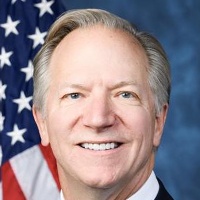
Robert Onder
Representative
MO
Robert Onder
Representative
MO
The Protecting Life and Integrity in Research Act of 2025 bans all federal funding or support for research utilizing human fetal tissue obtained specifically from an induced abortion. The bill permits federal research on tissue derived from miscarriages or stillbirths, provided it adheres to updated Public Health Service Act guidelines. Furthermore, it prohibits the solicitation or knowing acceptance of human fetal tissue donations if the donor knows the tissue resulted from an induced abortion or was procured for that purpose. This legislation also repeals an existing law concerning NIH revitalization.
This bill allows investors to defer taxes on capital gain dividends from mutual funds when those dividends are automatically reinvested until the shares are sold or the investor passes away.
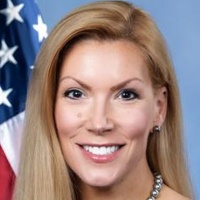
Beth Van Duyne
Representative
TX
Beth Van Duyne
Representative
TX
This bill, the Generating Retirement Ownership through Long-Term Holding Act, allows individual investors to defer paying taxes on capital gain dividends from mutual funds if those dividends are automatically reinvested into more fund shares. Taxes on these deferred gains are only due when the investor sells the shares or upon death. This provision aims to encourage long-term investment in mutual funds by providing immediate tax relief on reinvested earnings.
This bill updates federal firearms laws to allow spouses of active-duty service members stationed overseas to receive firearms and ammunition, and ensures a spouse's residency for federal gun laws mirrors that of the service member.
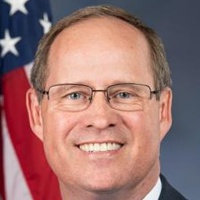
Gregory Murphy
Representative
NC
Gregory Murphy
Representative
NC
The Protect Our Military Families’ 2nd Amendment Rights Act updates federal firearms laws to better support military families stationed overseas. It allows spouses of service members stationed abroad to receive firearms and ammunition at that duty station. Furthermore, the bill ensures that a service member's spouse is considered a resident for federal firearms laws based on the service member's official residency or duty station. These changes will take effect six months after the Act is signed into law.
This act extends the current Medicare transition payment rates for durable medical equipment in non-competitive bidding areas until the end of 2025.
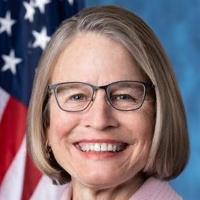
Mariannette Miller-Meeks
Representative
IA
Mariannette Miller-Meeks
Representative
IA
The DMEPOS Relief Act of 2025 extends the current Medicare transition payment rates for durable medical equipment in non-competitive bidding areas through the end of 2025. This action delays the implementation of new payment regulations until January 1, 2026. The Secretary of Health and Human Services is directed to maintain existing payment structures in these specific areas for the remainder of the year.
This bill repeals the excise tax on indoor tanning services, effective after the date of enactment.
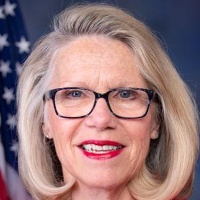
Carol Miller
Representative
WV
Carol Miller
Representative
WV
The "Tanning Tax Repeal Act of 2025" eliminates the federal excise tax on indoor tanning services. This bill removes Chapter 49 from the Internal Revenue Code, effectively repealing the tax. The repeal is applicable for services provided after the bill's enactment.
This bill reinstates the pre-American Rescue Plan Act threshold for third-party payment networks to report gig economy earnings to the IRS, requiring both over $20,000 in payments and over 200 transactions.
Carol Miller
Representative
WV
Carol Miller
Representative
WV
The Saving Gig Economy Taxpayers Act seeks to reinstate the previous, higher reporting thresholds for third-party payment processors issuing Form 1099-K. This means payment networks will only be required to report earnings to the IRS if a user exceeds both a \$20,000 total payment amount and 200 separate transactions in a calendar year. Furthermore, the bill applies this "de minimis" standard to backup withholding rules for these network payments starting in 2025.
This Act excludes certain federal grants received for deploying broadband infrastructure from gross income for federal tax purposes.
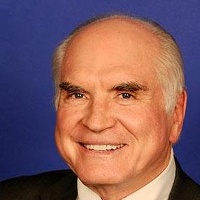
Mike Kelly
Representative
PA
Mike Kelly
Representative
PA
The Broadband Grant Tax Treatment Act excludes certain federal grants received for deploying broadband infrastructure from gross income, making those funds tax-free. This exclusion prevents taxpayers from claiming a deduction or credit for expenses covered by these grants. The bill ensures that the basis of property purchased with these tax-free funds is appropriately adjusted. This provision applies to grants received in taxable years ending after March 11, 2023.
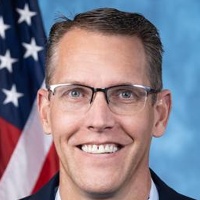
The ACRE Act of 2025 creates a federal tax exemption for qualified lenders on interest earned from loans secured by rural or agricultural real property, excluding loans to foreign adversary entities.
Randy Feenstra
Representative
IA
Randy Feenstra
Representative
IA
The Access to Credit for our Rural Economy Act of 2025 (ACRE Act) creates a new federal tax incentive for qualified lenders. This incentive excludes income earned from interest on loans secured by rural or agricultural real property from taxation. The goal is to encourage lending for agricultural, forestry, and certain rural home improvement purposes while prohibiting loans to foreign adversary entities.
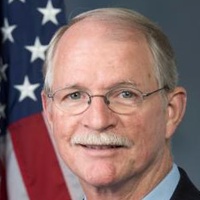
The "Federal Firearms Licensee Protection Act of 2025" increases penalties for stealing firearms from licensed dealers, manufacturers, or importers, especially during burglaries or robberies, and clarifies related definitions.
John Rutherford
Representative
FL
John Rutherford
Representative
FL
The "Federal Firearms Licensee Protection Act of 2025" increases penalties for stealing firearms from licensed dealers. It sets stricter punishments, including up to 20 years in prison, for violating laws related to firearm theft. The act also mandates minimum prison sentences of 3 years for burglaries and 5 years for robberies targeting licensed firearm businesses.
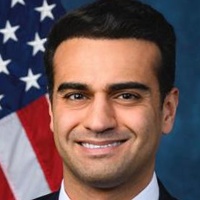
The Veterans Readiness and Employment Transparency Act of 2025 improves outreach and transparency for VA training and rehabilitation programs for veterans with service-connected disabilities.
Abraham Hamadeh
Representative
AZ
Abraham Hamadeh
Representative
AZ
The Veterans Readiness and Employment Transparency Act of 2025 aims to improve outreach by the Department of Veterans Affairs (VA) for training and rehabilitation programs for veterans with service-connected disabilities by establishing a dedicated phone number and contact information on regional office websites. It also mandates monthly Q&A sessions between VA employees and school certifying officials, as well as in-person briefings at educational institutions. The Act requires the Secretary to submit an annual report on vocational rehabilitation program extensions and approve or reject extension requests within 30 days.
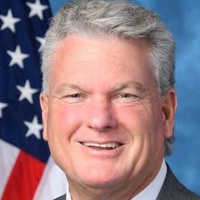
This bill expands the use of qualified tuition program funds to cover aviation maintenance and commercial pilot courses.
Mike Collins
Representative
GA
Mike Collins
Representative
GA
The Aviation Workforce Development Act amends the Internal Revenue Code to allow expenses for aviation maintenance and commercial pilot courses to be considered qualified higher education expenses for qualified tuition programs. This change applies to distributions made after the enactment of this law, aiming to support workforce development in the aviation sector.
The "Farm to Fly Act of 2025" aims to boost sustainable aviation fuel production and usage by including it in USDA bioenergy programs, supporting farmers, and promoting rural economic development.

Max Miller
Representative
OH
Max Miller
Representative
OH
The "Farm to Fly Act of 2025" aims to boost the production and use of sustainable aviation fuels by including them in Department of Agriculture bio-energy programs. It amends existing definitions to recognize sustainable aviation fuel and directs the Secretary of Agriculture to promote its development through collaborative initiatives and manufacturing assistance. This act supports U.S. agriculture, enhances energy security, and promotes clean energy in the aviation sector by utilizing sustainable biomass resources.
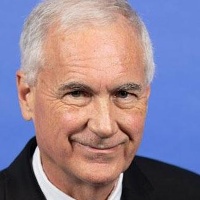
This resolution condemns the Iranian regime’s terrorism and human rights abuses while affirming support for the Iranian people’s right to establish a democratic, secular, and non-nuclear republic.
Tom McClintock
Representative
CA
Tom McClintock
Representative
CA
This resolution condemns the Iranian regime for its ongoing human rights abuses, state-sponsored terrorism, and regional instability. It expresses strong support for the Iranian people's struggle for a democratic, secular, and non-nuclear republic. Furthermore, the bill advocates for international accountability for the regime's crimes and calls for the protection of Iranian political refugees.
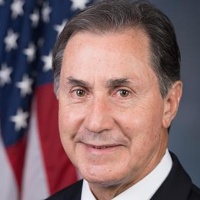
To award a Congressional Gold Medal to the 761st Tank Battalion, the first Black soldiers to serve in an American armored unit, for their valor and crucial contributions to the Allied victory in Europe.
Gary Palmer
Representative
AL
Gary Palmer
Representative
AL
This bill authorizes the Speaker of the House and the President pro tempore of the Senate to award a Congressional Gold Medal to the 761st Tank Battalion, also known as the "Black Panthers," in recognition of their courageous service and crucial contributions during World War II. The medal will be given to the National Museum of African American History and Culture for display, honoring the 761st as the first Black soldiers to serve in an American armored unit and their significant role in the Allied victory in Europe. The bill also allows for the creation and sale of bronze duplicates of the medal to support the United States Mint Public Enterprise Fund.
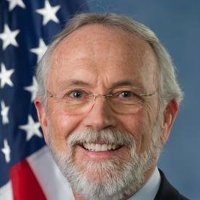
This bill adds the Secretary of Agriculture to the Committee on Foreign Investment in the United States (CFIUS) and requires CFIUS to review agricultural land transactions, especially those involving entities from China, North Korea, Russia, or Iran.
Dan Newhouse
Representative
WA
Dan Newhouse
Representative
WA
The "Protecting American Agriculture from Foreign Adversaries Act of 2025" adds the Secretary of Agriculture to the Committee on Foreign Investment in the United States (CFIUS) for agricultural matters. It mandates CFIUS review of agricultural land transactions, particularly those involving entities from China, North Korea, Russia, or Iran, to safeguard American agriculture. This ensures scrutiny of foreign investments in agricultural land and related industries, addressing potential threats to national security. The requirements for a specific country will end if that country is removed from the list of foreign adversaries in section 791.4 of title 15, Code of Federal Regulations.
The "Protect and Serve Act of 2025" establishes federal penalties for intentionally causing serious harm or death to law enforcement officers because of their position, under certain circumstances, and requires Attorney General certification for federal prosecution in many cases.
John Rutherford
Representative
FL
John Rutherford
Representative
FL
The "Protect and Serve Act of 2025" creates federal offenses for intentionally causing serious injury or death to law enforcement officers because of their status as officers. It sets penalties including imprisonment and fines, with increased penalties if death results or if kidnapping or attempted killing is involved. Federal prosecution requires certification from the Attorney General, based on a request from the state or if it is in the public interest to ensure substantial justice. The act defines "law enforcement officer" and "State" for the purposes of the new offenses.
The "Postal Supervisors and Managers Fairness Act of 2025" amends Title 39 to modify procedures for negotiating pay and benefits of supervisory and other managerial personnel of the USPS, requiring the USPS to present written proposals to the supervisors' organization regarding pay and benefit changes, and mandates a binding determination by a dispute resolution panel within 15 days of its recommendation.

Gerald Connolly
Representative
VA
Gerald Connolly
Representative
VA
The "Postal Supervisors and Managers Fairness Act of 2025" amends Title 39 of the U.S. Code to modify the procedures for negotiating pay and benefits of supervisory and managerial personnel within the Postal Service. It requires the Postal Service to provide advance notice of proposed changes to pay and benefits and mandates a binding determination by a dispute resolution panel within 15 days of its recommendation. This aims to streamline the negotiation process and ensure fair resolution of disagreements.
Prohibits the purchase of real estate near U.S. federal lands by agents or businesses associated with the government of the People's Republic of China with 25% or more equity interest.
Dan Newhouse
Representative
WA
Dan Newhouse
Representative
WA
The "No American Land for Communist China Act" prohibits the President from allowing individuals or entities associated with the Chinese government from purchasing real estate near covered federal lands. Covered lands include those managed by the Departments of Interior, Defense, Agriculture (Forest Service), and Energy, as well as Indian country. This restriction applies to entities with at least 25% equity interest held by Chinese government-affiliated individuals or businesses. The Act defines "United States" broadly to include states, territories, and other U.S. possessions.