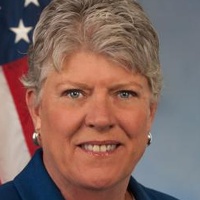
Legislative Activity
Track Julia's sponsored bills, co-sponsored legislation, and voting record
This Act permanently prohibits new oil and gas exploration, development, and production on the Outer Continental Shelf off the coasts of California, Oregon, and Washington.
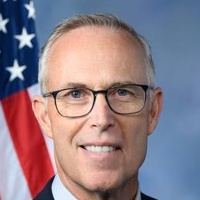
Jared Huffman
Representative
CA
Jared Huffman
Representative
CA
The West Coast Ocean Protection Act of 2025 permanently prohibits all new oil and gas exploration, development, and production on the Outer Continental Shelf off the coasts of California, Oregon, and Washington. This legislation specifically bans the Secretary of the Interior from issuing any new leases or permissions for drilling activities in designated planning areas. The goal is to secure long-term protection for these vital West Coast marine environments.
The California Clean Coast Act of 2025 permanently prohibits new oil and gas leasing and related activities on the Outer Continental Shelf off the coast of California while preserving existing leases.
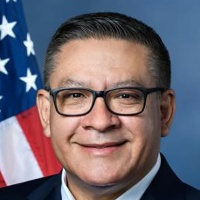
Salud Carbajal
Representative
CA
Salud Carbajal
Representative
CA
The California Clean Coast Act of 2025 permanently prohibits all new federal oil and gas leasing and related activities on the outer Continental Shelf off the coast of California. This measure ensures no future drilling permits can be issued in these sensitive waters. However, the Act explicitly preserves the rights of any existing oil and gas leases already in effect.
This resolution supports designating April 10th as "Dolores Huerta Day" to honor the lifelong accomplishments and legacy of the trailblazing labor and civil rights leader.
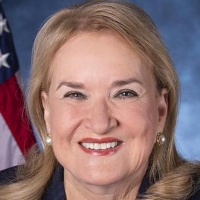
Sylvia Garcia
Representative
TX
Sylvia Garcia
Representative
TX
This resolution supports the designation of April 10th as "Dolores Huerta Day" to honor her legacy as a trailblazing labor and civil rights leader. It recognizes her foundational work co-founding the United Farm Workers and her lifelong fight for economic justice, workers' rights, and equality. The bill formally celebrates her accomplishments without creating new laws or programs.
This resolution demands the President and Secretary of Education swiftly provide the House with all unredacted documents related to downsizing or closing the Department of Education, including justifications for staff sufficiency.
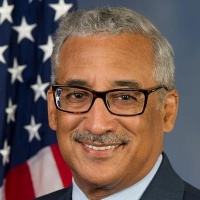
Robert Scott
Representative
VA
Robert Scott
Representative
VA
This resolution is an official request from the House of Representatives demanding the President and the Secretary of Education immediately transmit all unredacted documents related to any plans for downsizing or closing the Department of Education. The required records must detail staff reduction measures, internal communications, and any determinations made regarding the sufficiency of remaining staff to enforce major federal education laws. The documents must be provided to the House within 14 days of the resolution's adoption.
This act bans bump stocks and similar devices that increase the firing rate of semi-automatic firearms, requiring registration for any previously modified weapons.
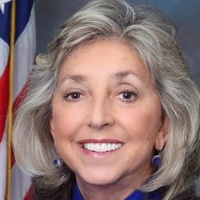
Dina Titus
Representative
NV
Dina Titus
Representative
NV
The Closing the Bump Stock Loophole Act of 2025 seeks to amend federal gun laws by banning devices and modifications that significantly increase the rate of fire of semiautomatic firearms, effectively treating them like machineguns. The bill specifically prohibits the manufacture, sale, or possession of such accessories and modified firearms after 120 days of enactment. Existing owners of previously modified firearms must register them under the National Firearms Act within that same timeframe to legally keep them.
This act establishes dedicated, long-term federal funding for Title X family planning clinics, including funds for facility improvements, while mandating neutral pregnancy counseling and referral options for patients.
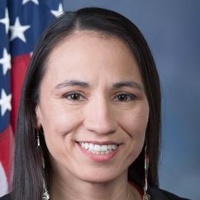
Sharice Davids
Representative
KS
Sharice Davids
Representative
KS
The Expanding Access to Family Planning Act establishes a dedicated Title X Clinic Fund managed by HHS to ensure stable, increased national funding for family planning services. This legislation allocates \$512 million annually for ten years toward services and an additional \$50 million yearly for facility improvements. Furthermore, the bill mandates that any clinic receiving this funding must provide neutral, non-directive counseling on all pregnancy options—prenatal care, infant care/adoption, and termination—if the patient requests information.
This bill establishes the American Family Act, which revamps the Child Tax Credit into a system of refundable monthly advance payments for qualifying children and a separate credit for other dependents.

Rosa DeLauro
Representative
CT
Rosa DeLauro
Representative
CT
The American Family Act fundamentally overhauls the Child Tax Credit by replacing the annual lump sum with a system of advance, refundable monthly payments delivered directly to families. These monthly allowances vary based on the child's age, with higher amounts provided for younger children. The bill also establishes a separate, smaller credit for other dependents and outlines procedures for annual renewal and reconciliation of advance payments when filing taxes.
The Bolstering Research And Innovation Now (BRAIN) Act aims to accelerate brain tumor research, improve patient access to clinical trials and specialized care, and enhance long-term survivor support through new funding, transparency requirements, and public awareness campaigns.
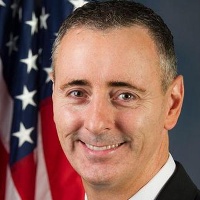
Brian Fitzpatrick
Representative
PA
Brian Fitzpatrick
Representative
PA
The Bolstering Research And Innovation Now (BRAIN) Act aims to significantly advance the fight against brain tumors by increasing research funding and improving patient access to care. This legislation establishes new networks for glioblastoma research, creates a public database for tracking biospecimens, and launches a national awareness campaign about clinical trials. Furthermore, the Act funds pilot programs to improve long-term care for survivors and directs the FDA to ensure brain tumor patients are not unfairly excluded from relevant clinical trials.
The Gas-Operated Semi-Automatic Firearms Exclusion (GOSAFE) Act prohibits the manufacture, sale, and possession of certain gas-operated semi-automatic firearms and large-capacity ammunition feeding devices, while establishing a formal process for firearm determinations and funding buy-back programs.
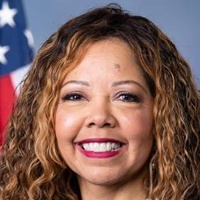
Lucy McBath
Representative
GA
Lucy McBath
Representative
GA
The Gas-Operated Semi-Automatic Firearms Exclusion Act (GOSAFE Act) prohibits the manufacture, sale, and possession of certain gas-operated semi-automatic firearms and large-capacity ammunition feeding devices (over 10 rounds). The bill establishes a formal process managed by the Attorney General and ATF to list prohibited firearms, while grandfathering existing possessions under strict transfer rules. Furthermore, it permits states to use federal Byrne grants for voluntary buy-back programs targeting these newly restricted items. Violations carry significant fines and potential prison sentences.
This resolution urges the United States to lead global efforts to halt the nuclear arms race, reduce existing stockpiles, and implement verifiable measures to prevent nuclear war.
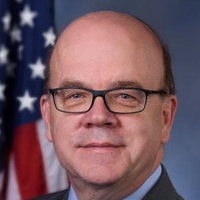
James McGovern
Representative
MA
James McGovern
Representative
MA
This resolution urges the United States to immediately prioritize global nuclear disarmament and lead the world back from the brink of nuclear war. It calls on the President to negotiate verifiable arms reduction treaties with all nuclear states to halt the arms race and prevent catastrophic conflict. Key actions include renouncing "first use," ending hair-trigger alert postures, and ceasing the development of new nuclear weapons. Furthermore, the bill demands comprehensive support, cleanup, and economic transition planning for communities and workers affected by past and present nuclear activities.
This Act establishes a specific P visa category for temporary workers employed by traveling carnivals, circuses, and associated concession providers, while subjecting them to existing H-2B temporary worker regulations.
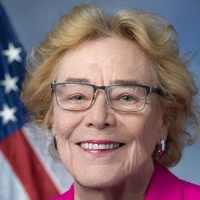
Zoe Lofgren
Representative
CA
Zoe Lofgren
Representative
CA
The Carnivals are Real Entertainment Act establishes a specific P visa pathway for temporary workers employed by traveling carnivals, circuses, and associated concession providers. This new classification ensures essential mobile entertainment staff can enter the U.S. while adhering to existing H-2B temporary worker program regulations. The law mandates that the Secretaries of Homeland Security and Labor develop and finalize the necessary rules within one year of enactment.
The VA Home Loan GRACE Act of 2025 modifies VA loan guarantee calculations, sets limits for loans shared by multiple veterans, establishes penalties for fraudulent certification, and updates loan fee reference dates.
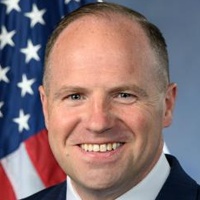
Timothy Kennedy
Representative
NY
Timothy Kennedy
Representative
NY
The VA Home Loan GRACE Act of 2025 modernizes how the VA guarantees home loans for veterans, particularly when multiple veterans share a loan, by adjusting maximum guarantee calculations. It also establishes significant civil penalties for veterans who knowingly provide false information on required loan certification forms. These changes aim to enhance the resiliency and clarity of the VA home loan program.
The Raise the Wage Act of 2025 gradually increases the federal minimum wage to \$17.00, phases out subminimum wages for tipped employees and workers with disabilities, and eliminates the subminimum wage for young workers.
Robert Scott
Representative
VA
Robert Scott
Representative
VA
The Raise the Wage Act of 2025 establishes a phased increase of the federal minimum wage, culminating in a \$17.00 per hour rate five years after enactment, followed by automatic annual adjustments tied to median wage growth. This bill also phases out the lower minimum wage for tipped employees and workers under 20, ensuring they eventually earn the standard federal minimum wage. Furthermore, it sets a schedule to eliminate subminimum wages for individuals with disabilities and prohibits the issuance of new special certificates allowing for lower pay.
This Act establishes federal minimum standards for public employee collective bargaining rights, allowing states to maintain their own laws if they meet or exceed these standards, otherwise the Federal Labor Relations Authority will enforce federal rules.
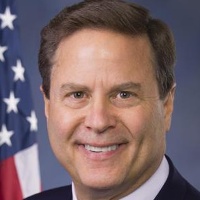
Donald Norcross
Representative
NJ
Donald Norcross
Representative
NJ
The Public Service Freedom to Negotiate Act of 2025 establishes federal minimum standards for collective bargaining rights for public employees across the nation. It requires the Federal Labor Relations Authority (FLRA) to review state laws to ensure they substantially provide these minimum rights, including the right to organize and bargain collectively. If a state fails to meet these standards, the FLRA will administer federal labor relations rules for the uncovered employees. The Act also prohibits strikes or lockouts that would measurably disrupt emergency or public safety services.
The Affordable Housing Credit Improvement Act of 2025 updates state allocation formulas, reforms tenant eligibility and credit determination rules, and enhances assistance for Native American and rural housing projects.
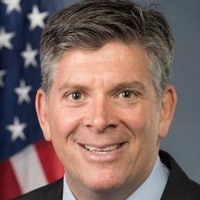
Darin LaHood
Representative
IL
Darin LaHood
Representative
IL
The Affordable Housing Credit Improvement Act of 2025 updates federal housing tax credit allocations to reflect current economic realities and boosts minimum state allotments. It reforms tenant eligibility rules to stabilize tenancy and enhance protections for vulnerable residents, including victims of abuse. The bill also provides disaster relief for property owners, increases incentives for housing the extremely low-income, and directs greater resources toward Native American and rural housing needs. Finally, it streamlines administrative processes and signals a future focus on data transparency and discouraging restrictive local zoning.
This resolution officially congratulates the Los Angeles Dodgers on winning the 2024 Major League Baseball World Series, recognizing their season success, key players, and championship achievement.
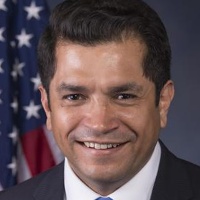
Jimmy Gomez
Representative
CA
Jimmy Gomez
Representative
CA
This resolution formally congratulates the Los Angeles Dodgers on winning the 2024 Major League Baseball World Series. It recognizes the team's dominant regular season, historic postseason performance, and the achievements of key players like MVP Freddie Freeman and record-breaker Shohei Ohtani. The bill directs that official copies of these congratulations be sent to the team's ownership, president, and manager.
This resolution expresses the House's sense that paraprofessionals and education support staff deserve fair compensation, benefits, job security, and safe working conditions.
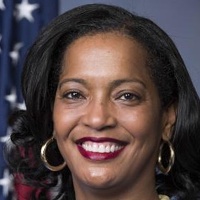
Jahana Hayes
Representative
CT
Jahana Hayes
Representative
CT
This resolution expresses the sense of the House of Representatives that paraprofessionals and education support staff deserve fair compensation, comprehensive benefits, and improved working conditions. It highlights the critical role these essential workers play in supporting millions of students nationwide. Ultimately, the bill calls for livable wages, job security, safe workplaces, and meaningful input into school policies for these staff members.
The No Tax Breaks for Union Busting Act denies businesses tax deductions for expenses incurred while influencing employees regarding union organization and activities.
Donald Norcross
Representative
NJ
Donald Norcross
Representative
NJ
The No Tax Breaks for Union Busting (NTBUB) Act aims to disallow businesses from deducting federal income taxes for expenses incurred while attempting to influence employees regarding union organization or activities. This change is intended to stop companies from subsidizing anti-union campaigns through tax write-offs. The bill also establishes new, significant reporting requirements and penalties for businesses and third-party consultants who engage in these influence expenditures.
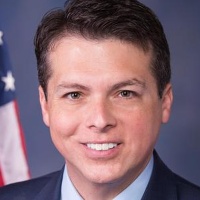
This Act allows employees to fully deduct union dues above the line and restores the itemized deduction for certain other job-related business expenses.
Brendan Boyle
Representative
PA
Brendan Boyle
Representative
PA
The Tax Fairness for Workers Act restores key federal tax deductions for employees, effective after 2024. This legislation makes union dues fully deductible "above the line," meaning they reduce Adjusted Gross Income without itemizing. Additionally, it allows itemizers to deduct certain other job-related business expenses that were previously limited.
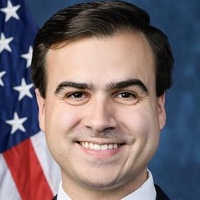
The TRICARE Equality Act standardizes TRICARE Prime coverage administration, expands travel benefits, and improves health data sharing for beneficiaries in Puerto Rico.
Pablo José Hernández Rivera
Representative
PR
Pablo José Hernández Rivera
Representative
PR
The TRICARE Equality Act aims to ensure military health coverage in Puerto Rico is administered consistently with the 50 states. This includes standardizing TRICARE Prime Area designations and expanding travel and transportation allowances for beneficiaries on the island. The bill also mandates improved coordination for sharing health data between federal and Puerto Rico health agencies.