Legislative Activity
Track Richard's sponsored bills, co-sponsored legislation, and voting record
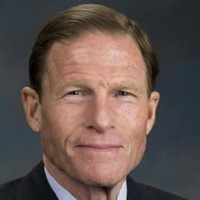
The SECURE Act creates a pathway to permanent residency for certain immigrants with Temporary Protected Status or Deferred Enforced Departure history, while strictly protecting their application information from general immigration enforcement.

Chris Van Hollen
Senator
MD
Chris Van Hollen
Senator
MD
The Safe Environment from Countries Under Repression and Emergency (SECURE) Act creates a new pathway for certain immigrants with Temporary Protected Status (TPS) history to apply for permanent residency within the U.S. This legislation also establishes strict confidentiality protections for applicants against immigration enforcement actions based on their application information. Furthermore, the bill mandates detailed reporting to Congress regarding the conditions in countries whose TPS designations are terminated. Finally, it ensures that eligibility for this new status does not preclude applicants from seeking other immigration benefits.
The Broadcast VOICES Act establishes an FCC-administered tax certificate program to incentivize the sale of broadcast stations to socially disadvantaged individuals and creates a tax credit for donating stations to qualifying training organizations.
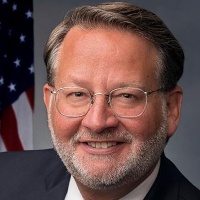
Gary Peters
Senator
MI
Gary Peters
Senator
MI
The Broadcast VOICES Act aims to increase ownership diversity in the broadcasting industry by incentivizing sales to socially disadvantaged individuals through a temporary tax certificate program. It also requires the FCC to report on current ownership statistics and recommend future growth strategies. Furthermore, the bill establishes a new tax credit for donating broadcast stations to qualified training organizations.
This Act enhances mental health support and resources within the military's Transition Assistance Program and the VA's Solid Start Program to better support servicemembers transitioning to veteran status and reduce suicide risk.

Sheldon Whitehouse
Senator
RI
Sheldon Whitehouse
Senator
RI
This Act, named in honor of Daniel J. Harvey, Jr. and Adam Lambert, aims to reduce veteran suicide by strengthening mental health resources during the transition from military service to civilian life. It mandates updated mental health and suicide risk briefings within the Department of Defense's Transition Assistance Program (TAP). Furthermore, the bill enhances the VA's Solid Start Program by requiring specific outreach regarding healthcare enrollment and mental health services.
This Act mandates that certain Bureau of Prisons employees currently receiving the "Rest of US" locality pay rate will be reassigned to the nearest, potentially higher-paying locality rate or receive a higher prevailing wage rate based on their location.
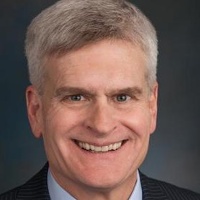
Bill Cassidy
Senator
LA
Bill Cassidy
Senator
LA
The Pay Our Correctional Officers Fairly Act aims to increase pay for certain Bureau of Prisons (BOP) employees currently receiving the "Rest of US" locality rate. This is achieved by reassigning their worksites to the nearest established pay locality offering a potentially higher adjustment. The bill also mandates that prevailing rate employees in specific "Rest of US" wage areas receive a higher wage rate based on the nearest comparable locality or the highest rate within their broader pay zone. These changes will take effect 180 days after the date the Act is signed into law.
The State Public Option Act establishes a new Medicaid buy-in option for certain individuals, updates Medicaid quality measures and primary care payment floors, adjusts enhanced federal funding timelines, and mandates state coverage for comprehensive sexual and reproductive health care services starting in 2026.
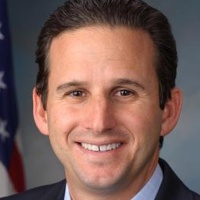
Brian Schatz
Senator
HI
Brian Schatz
Senator
HI
The State Public Option Act establishes a new Medicaid buy-in option for eligible individuals starting in 2026, with federal support for state administrative costs. The bill also mandates that Medicaid payments for certain primary care services must meet Medicare Part B rates and requires states to cover comprehensive sexual and reproductive health care services, including abortions. Finally, it updates federal funding timelines for newly eligible individuals and directs a review of Medicaid quality measures.
The HCBS Relief Act of 2025 provides a temporary 10-percentage-point boost to the federal share of Medicaid funding for states that commit to improving their Home and Community-Based Services programs, primarily by increasing provider pay and expanding access.
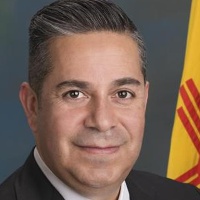
Ben Luján
Senator
NM
Ben Luján
Senator
NM
The HCBS Relief Act of 2025 significantly increases federal Medicaid funding for states that commit to improving their Home and Community-Based Services (HCBS) programs. This temporary boost requires states to use the extra funds to raise provider reimbursement rates, increase worker compensation, and expand access to services for eligible individuals. States must ensure this new federal money supplements, rather than replaces, existing state spending on HCBS.
The STOP CSAM Act of 2025 overhauls federal court protections for child victims, mandates stricter reporting of online child exploitation to NCMEC, and expands civil remedies for victims against perpetrators and online platforms.
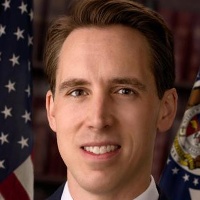
Joshua Hawley
Senator
MO
Joshua Hawley
Senator
MO
The STOP CSAM Act of 2025 significantly overhauls federal protections for child victims and witnesses in court proceedings by expanding definitions of abuse and strengthening rules around protecting personal information. It mandates stricter reporting requirements for online service providers regarding child sexual exploitation material and imposes substantial penalties for non-compliance. Furthermore, the Act expands civil remedies, allowing victims to sue online platforms directly for damages related to hosting or promoting such content. Finally, it facilitates the payment of restitution to vulnerable victims by allowing for the appointment of trustees to manage those funds.
This Act restricts consumer reporting agencies from sharing mortgage loan applicant reports with third parties unless the request is tied to a firm offer of credit or the recipient is directly involved in the applicant's existing mortgage or has explicit authorization.
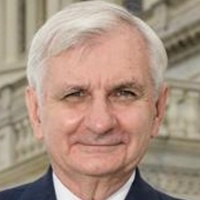
John Reed
Senator
RI
John Reed
Senator
RI
The Homebuyers Privacy Protection Act restricts how consumer reporting agencies can share your credit report when you are seeking a residential mortgage loan. Specifically, it limits the sharing of these reports unless they are connected to a firm offer of credit or are being sent to parties directly involved in your current mortgage, such as the originator or servicer. This ensures that your sensitive financial information is only accessed by relevant parties during the home loan process.
This Act adds comprehensive dental, vision, and hearing benefits to Medicare and increases the federal matching rate for states covering these services under Medicaid for adults.

Angela Alsobrooks
Senator
MD
Angela Alsobrooks
Senator
MD
The Medicare and Medicaid Dental, Vision, and Hearing Benefit Act of 2025 expands essential healthcare coverage under both programs. This bill mandates that Medicare begin covering routine dental, vision, and hearing services, including hearing aids, through a phased-in payment schedule reaching 80% coverage by the eighth year. Additionally, it increases the federal matching rate to 90% for states covering these specific dental, vision, and hearing services for certain adults under Medicaid. These comprehensive changes aim to integrate crucial preventative and restorative care into federal health programs.
This Act permanently protects inventoried roadless areas within National Forests from new road construction and logging by mandating adherence to the existing Roadless Rule.

Maria Cantwell
Senator
WA
Maria Cantwell
Senator
WA
The Roadless Area Conservation Act of 2025 aims to provide lasting protection for inventoried roadless areas within our National Forests. This legislation mandates that the Secretary of Agriculture must adhere to the existing "Roadless Rule," prohibiting the construction of new roads, the reconstruction of old roads, and timber harvesting within these designated areas. The Act seeks to preserve critical watersheds, support wildlife, and maintain areas for traditional recreation without imposing new restrictions outside of these roadless zones.
The Choose Medicare Act establishes new government-run "Medicare Part E" health plans, caps out-of-pocket spending for traditional Medicare, enhances ACA subsidies using gold-plan benchmarks, and mandates employer referrals to ACA navigators.

Jeff Merkley
Senator
OR
Jeff Merkley
Senator
OR
The Choose Medicare Act establishes a new "Medicare Part E Public Health Plan" offering comprehensive, gold-level coverage that mandates the inclusion of reproductive health services, overriding state restrictions. It also caps annual out-of-pocket costs for traditional Medicare Part A and B services starting in 2027. Furthermore, the bill enhances ACA premium subsidies by using gold plans as the benchmark for calculation and removes the income cap for eligibility. Finally, it requires certain employers to refer uninsured full-time employees to ACA navigators for coverage assistance.
The CLASS Act of 2025 prohibits mandatory arbitration and restricts institutions receiving federal aid from limiting students' rights to pursue legal claims against them.

Richard Durbin
Senator
IL
Richard Durbin
Senator
IL
The Court Legal Access and Student Support Act of 2025 (CLASS Act) prohibits institutions of higher education receiving federal aid from forcing students into mandatory arbitration or waiving their right to sue the school in court. This legislation exempts student enrollment agreements from federal arbitration requirements, ensuring students retain the ability to pursue legal claims against their institutions. These new provisions will take effect one year after the bill is enacted into law.
The My Body, My Data Act of 2025 grants individuals new rights to control, access, correct, and delete their personal reproductive and sexual health information held by regulated entities, while strictly limiting what data those entities can collect and share.

Mazie Hirono
Senator
HI
Mazie Hirono
Senator
HI
The My Body, My Data Act of 2025 establishes strict rules for how businesses (regulated entities) can collect, use, and share sensitive reproductive and sexual health information. This Act grants individuals the rights to access, correct, and delete their personal health data held by these entities. Furthermore, it mandates transparent privacy policies and explicitly prohibits entities from retaliating against individuals who exercise their new privacy rights.
This Act establishes a federal right to access fertility treatments, like IVF, based on widely accepted medical standards and preempts state laws that create unnecessary roadblocks or interfere with patient and provider choices.

Tammy Duckworth
Senator
IL
Tammy Duckworth
Senator
IL
The Protect IVF Act establishes a federal right to access fertility treatments, such as IVF, based on widely accepted medical standards. It prohibits states from enacting or enforcing rules that create unnecessary roadblocks or conflict with these established medical practices. The law empowers individuals, providers, and insurers to sue to strike down restrictive state laws that interfere with evidence-based fertility care. Ultimately, this Act ensures that decisions regarding fertility treatment remain between patients and their doctors, overriding conflicting state regulations.
The Runaway and Homeless Youth and Trafficking Prevention Act of 2025 overhauls federal programs to provide comprehensive shelter, prevention, and support services for runaway and homeless youth, with an increased focus on trauma-informed care and combating trafficking.

Susan Collins
Senator
ME
Susan Collins
Senator
ME
The Runaway and Homeless Youth and Trafficking Prevention Act of 2025 comprehensively updates federal support for vulnerable youth by modernizing grant programs for basic centers and transitional living. This legislation enhances services by mandating trauma-informed care, improving coordination with other federal agencies, and explicitly addressing the needs of youth experiencing homelessness and trafficking. Furthermore, it expands outreach methods to include digital communication and establishes new funding streams specifically for prevention services.
This Act streamlines the VA appeals process by mandating new efficiency reports, establishing guidelines for expedited reviews, improving tracking of specific claim types, and granting the BVA and CAVC new tools for aggregating and limiting remands.
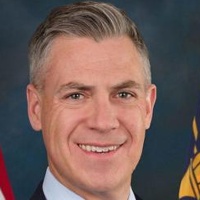
Jim Banks
Senator
IN
Jim Banks
Senator
IN
The Veterans Appeals Efficiency Act of 2025 aims to significantly speed up the Department of Veterans Affairs (VA) claims and appeals process through new reporting requirements and procedural changes. It mandates increased transparency on claim processing times and requires the VA to establish clearer guidelines for expediting cases. Furthermore, the bill grants the Board of Veterans Appeals (BVA) new authority to group similar appeals and expands the Court of Appeals for Veterans Claims' (CAVC) jurisdiction regarding class actions.
This bill redefines the term "franchise fee" for cable services to make the definition more specific and potentially limit what local governments can charge cable operators.
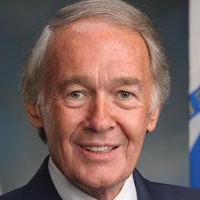
Edward Markey
Senator
MA
Edward Markey
Senator
MA
The Protecting Community Television Act revises the definition of a "franchise fee" under the Communications Act of 1934. This change modifies the language from "includes" to "means" and adds "other monetary assessment" to clarify what payments local governments can charge cable operators. Ultimately, this bill refines how franchise fees are calculated and assessed.
This Act expands Medicare coverage for intensive behavioral therapy for obesity by authorizing more providers and mandates future Part D coverage for obesity and weight management medications.
Bill Cassidy
Senator
LA
Bill Cassidy
Senator
LA
The Treat and Reduce Obesity Act of 2025 addresses the growing public health crisis of obesity, particularly among Medicare beneficiaries. This bill expands Medicare coverage for intensive behavioral therapy by allowing more types of qualified healthcare providers to furnish the treatment. Furthermore, it amends Medicare Part D to allow coverage for prescription medications used to treat obesity or weight management in individuals with related health conditions. Finally, the Act requires the Secretary of HHS to report regularly to Congress on the implementation and coordination of federal obesity-related efforts.
This bill awards the Congressional Gold Medal to the service members of MACVSOG to recognize their highly specialized and secret service during the Vietnam War.
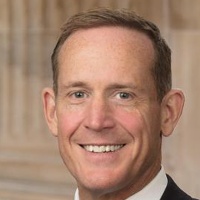
Ted Budd
Senator
NC
Ted Budd
Senator
NC
This bill officially authorizes the presentation of a Congressional Gold Medal to recognize the exceptional service and sacrifice of the members of the Military Assistance Command Vietnam – Studies and Observation Group (MACVSOG). Congress acknowledges MACVSOG's critical, highly secret missions during the Vietnam War, which set the standard for modern special operations forces. After presentation, the original medal will be given to the Smithsonian Institution for display and research. The Act also permits the creation and sale of bronze duplicates to cover production costs.
The ABC-ED Act of 2025 expands public health data grants to track real-time hospital capacity, mandates CMMI pilot programs for improving emergency care for older adults and psychiatric crises, and directs a study on best practices for hospital capacity data systems.
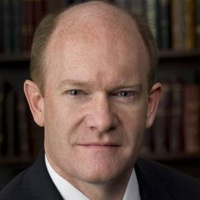
Christopher Coons
Senator
DE
Christopher Coons
Senator
DE
The ABC-ED Act of 2025 aims to improve emergency department efficiency by allowing public health grants to fund real-time hospital bed capacity tracking systems. It also mandates the Center for Medicare and Medicaid Innovation to pilot programs focused on enhancing emergency care for older adults and those in acute psychiatric crises. Finally, the bill directs a study on best practices for these capacity tracking systems and their impact on emergency wait times.