Legislative Activity
Track Sanford's sponsored bills, co-sponsored legislation, and voting record
The Religious Workforce Protection Act extends nonimmigrant status and provides job flexibility for religious workers caught in long green card backlogs, while also waiving the one-year foreign residence requirement for those who left due to the R-1 visa time limit.
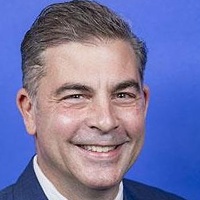
Mike Carey
Representative
OH
Mike Carey
Representative
OH
The Religious Workforce Protection Act aims to support religious workers facing long green card backlogs by allowing extensions of their nonimmigrant status beyond the usual five-year limit until their permanent residency application is processed. It also modifies job flexibility rules for certain delayed applicants and exempts religious workers who left the U.S. due to the five-year R-1 visa limit from the mandatory one-year foreign residence requirement before reapplying.
The DART Act of 2025 expands federal justice grant funding for evidence-based diversion and rehabilitation programs while establishing a national clearinghouse to support these efforts.
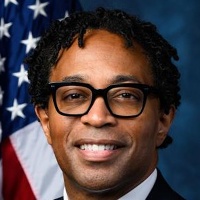
Wesley Bell
Representative
MO
Wesley Bell
Representative
MO
The DART Act of 2025 aims to reduce crime and recidivism by shifting focus toward rehabilitation and diversion programs over incarceration. This legislation expands the use of federal Justice Assistance Grant (JAG) funds to support pre-arrest diversion, specialty courts, and post-release services. Furthermore, it establishes a National Clearinghouse to promote evidence-based, trauma-informed practices in these justice reform efforts.
The No Tax Breaks for Union Busting Act denies businesses tax deductions for expenses incurred while influencing employees regarding union organization and activities.
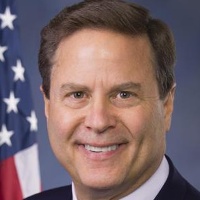
Donald Norcross
Representative
NJ
Donald Norcross
Representative
NJ
The No Tax Breaks for Union Busting (NTBUB) Act aims to disallow businesses from deducting federal income taxes for expenses incurred while attempting to influence employees regarding union organization or activities. This change is intended to stop companies from subsidizing anti-union campaigns through tax write-offs. The bill also establishes new, significant reporting requirements and penalties for businesses and third-party consultants who engage in these influence expenditures.
The Community First Act establishes federal grants to help local partnerships analyze data and implement strategies to significantly reduce local jail populations and associated equity disparities.
Wesley Bell
Representative
MO
Wesley Bell
Representative
MO
The Community First Act establishes a new federal grant program managed by the Attorney General to help local governments significantly reduce their jail populations and the length of pretrial detention. These grants fund both data analysis for planning and the implementation of evidence-based strategies like reducing cash bail and expanding pretrial services. Grantees must meet strict annual goals for incarceration rate reduction, or risk losing their funding. The Act prioritizes ambitious plans from high-incarceration areas while ensuring rural and mid-sized communities receive funding opportunities.
This Act allows employees to fully deduct union dues above the line and restores the itemized deduction for certain other job-related business expenses.
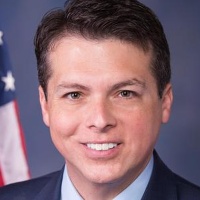
Brendan Boyle
Representative
PA
Brendan Boyle
Representative
PA
The Tax Fairness for Workers Act restores key federal tax deductions for employees, effective after 2024. This legislation makes union dues fully deductible "above the line," meaning they reduce Adjusted Gross Income without itemizing. Additionally, it allows itemizers to deduct certain other job-related business expenses that were previously limited.
The IDEA Full Funding Act establishes mandatory, increasing funding levels for the Individuals with Disabilities Education Act (IDEA) from 2026 through 2035, contingent upon offsetting budget cuts.
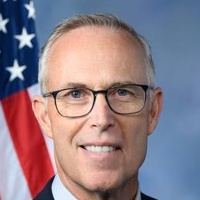
Jared Huffman
Representative
CA
Jared Huffman
Representative
CA
The IDEA Full Funding Act establishes mandatory, increasing funding levels for the Individuals with Disabilities Education Act (IDEA) programs through fiscal year 2035. This legislation sets specific appropriation targets based on student counts and national average spending to ensure greater financial support for special education services. Furthermore, the bill requires that these new IDEA appropriations adhere to "cut-as-you-go" budget offset rules.
This Act imposes sweeping, mandatory sanctions, tariffs, and investment prohibitions on the Russian Federation and its affiliates until Russia negotiates a lasting peace with Ukraine.
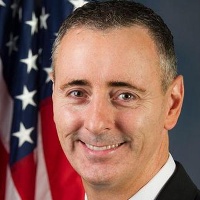
Brian Fitzpatrick
Representative
PA
Brian Fitzpatrick
Representative
PA
The Sanctioning Russia Act of 2025 imposes sweeping economic penalties on the Russian Federation in response to its aggression against Ukraine. This legislation mandates severe, immediate sanctions against key Russian officials, financial institutions, and energy sector entities, including asset freezes and trade prohibitions. Furthermore, the Act dramatically increases import duties on Russian goods and requires the President to review and reimpose these measures until Russia negotiates a lasting peace with Ukraine.
This bill prohibits the use of federal funds for the removal of 3 percent or more of the Department of Health and Human Services (HHS) employees or any of its sub-agencies within any 60-day period.
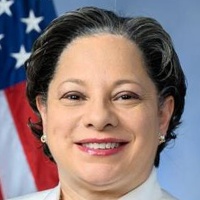
Jennifer McClellan
Representative
VA
Jennifer McClellan
Representative
VA
This bill restricts the use of federal funds to carry out large-scale removals of employees within the Department of Health and Human Services (HHS). Specifically, it prohibits using federal money for terminations if 3% or more of the total HHS workforce, or 3% or more of any individual sub-agency's staff, are removed within a 60-day period. This measure aims to prevent sudden, mass layoffs across the department and its major divisions.
The Secure Family Futures Act of 2025 modifies tax code provisions for applicable insurance companies by excluding certain debt from being treated as a capital asset and extending the capital loss carryover period to ten years for specific losses incurred after 2025.
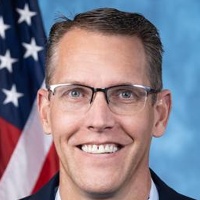
Randy Feenstra
Representative
IA
Randy Feenstra
Representative
IA
The Secure Family Futures Act of 2025 modifies tax treatment for certain debt holdings of applicable insurance companies, excluding specific debt instruments from being treated as capital assets for tax purposes. Additionally, this Act extends the capital loss carryover period to 10 years for specified losses incurred by these insurance companies. These changes apply only to transactions occurring after December 31, 2025.
This Act establishes a federal grant program to fund specialized mental health crisis response training for state, local, and Tribal law enforcement and corrections officers.

Marcy Kaptur
Representative
OH
Marcy Kaptur
Representative
OH
The Law Enforcement Training for Mental Health Crisis Response Act of 2025 establishes a grant program to fund specialized behavioral health crisis response training for state, local, and Tribal law enforcement and corrections officers. This initiative aims to improve officer and public safety by equipping personnel with the necessary skills to safely de-escalate encounters involving individuals experiencing mental health emergencies. Grants will be administered by the Attorney General to supplement existing agency funds dedicated to this critical training.
The Nutrition CARE Act of 2025 expands Medicare coverage to include medical nutrition therapy services provided by registered dietitians for beneficiaries diagnosed with an eating disorder, effective January 1, 2026.
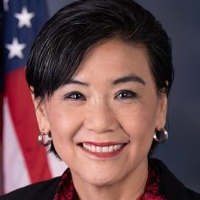
Judy Chu
Representative
CA
Judy Chu
Representative
CA
The Nutrition CARE Act of 2025 addresses the critical need for comprehensive eating disorder treatment under Medicare. This bill expands Medicare coverage to include essential medical nutrition therapy services for beneficiaries diagnosed with an eating disorder, starting January 1, 2026. It establishes initial and ongoing annual coverage limits for these crucial dietitian-led services, requiring a referral from a physician or psychologist. By covering this vital component of care, the Act aims to improve health outcomes and reduce the significant economic burden associated with these serious mental illnesses.
The Hunger-Free Future Act of 2025 mandates that any adjustment to the Thrifty Food Plan used for SNAP benefits cannot result in an increase in household food insecurity.

Shontel Brown
Representative
OH
Shontel Brown
Representative
OH
The Hunger-Free Future Act of 2025 mandates that any adjustment to the Thrifty Food Plan used for calculating SNAP benefits must not result in an increase in food insecurity. This ensures that updates to the cost of the food plan do not negatively impact households' ability to afford adequate nutrition.
This resolution designates March 27, 2025, as "National Women in Agriculture Day" to recognize the vital contributions of women to U.S. agriculture and encourage public support for their roles.
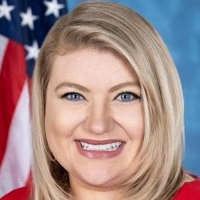
Katherine Cammack
Representative
FL
Katherine Cammack
Representative
FL
This resolution officially designates March 27, 2025, as "National Women in Agriculture Day" to honor the significant contributions of women across all sectors of U.S. agriculture. It recognizes women as vital producers, leaders, and mentors who drive economic success and support the next generation in farming. The bill encourages the public to celebrate and support the essential role women play in ensuring the nation's food supply and global trade.
This act requires federal agencies to conduct detailed cost-benefit analyses for significant job relocations, which are then reviewed by the Inspector General and reported to Congress to ensure transparency.
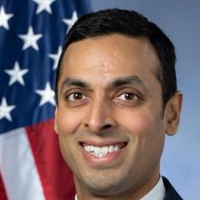
Suhas Subramanyam
Representative
VA
Suhas Subramanyam
Representative
VA
The COST of Relocations Act mandates that Federal agencies conduct a detailed, OMB-guided cost-benefit analysis before executing any "covered relocation" of jobs. Agencies must submit this analysis to their Inspector General (OIG), who then reviews the methodology and findings before reporting directly to Congress. This process ensures transparency and rigorous economic justification for significant federal job moves.
This bill mandates a study comparing the quality of mental health and addiction therapy care provided to veterans by the VA versus non-VA providers.
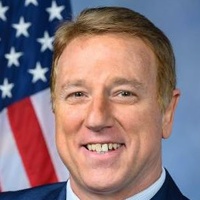
Patrick Fallon
Representative
TX
Patrick Fallon
Representative
TX
This bill mandates a comprehensive, independent study comparing the quality of mental health and addiction therapy provided to veterans by the Department of Veterans Affairs (VA) versus non-VA providers. The study will assess outcomes, treatment methods, coordination, and patient experience across various care settings. The final report will be submitted to Congress and made public to inform future quality improvements.
The SCREENS for Cancer Act of 2025 reauthorizes and updates the National Breast and Cervical Cancer Early Detection Program to enhance cancer prevention, reduce disparities, and ensure equitable access to screening services through increased funding and new reporting requirements.
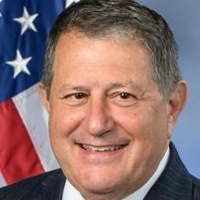
Joseph Morelle
Representative
NY
Joseph Morelle
Representative
NY
The **SCREENS for Cancer Act of 2025** seeks to reauthorize and update the National Breast and Cervical Cancer Early Detection Program (NBCCEDP). This legislation expands the program's focus to include cancer prevention and aims to reduce health disparities in screening access. The bill authorizes $235 million annually for fiscal years 2026 through 2030 and mandates a GAO study on program eligibility and service trends.
This resolution supports designating March 2025 as Endometriosis Awareness Month to highlight the need for increased education, research, and timely diagnosis for this common and debilitating condition.
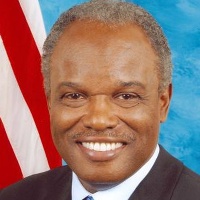
David Scott
Representative
GA
David Scott
Representative
GA
This resolution supports the designation of March 2025 as Endometriosis Awareness Month to highlight the severe impact of this common, painful condition. It recognizes the urgent need to reduce the long diagnostic delays and significant personal and economic burdens caused by endometriosis. The bill encourages public education, better provider training, and continued commitment to research for improved treatments and a potential cure.
This Act removes existing restrictions and clarifies eligibility requirements for striking workers seeking Supplemental Nutrition Assistance Program (SNAP) benefits.
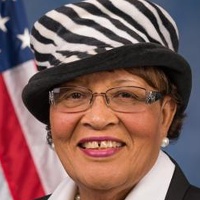
Alma Adams
Representative
NC
Alma Adams
Representative
NC
The Food Secure Strikers Act of 2025 aims to clarify and simplify eligibility rules for striking workers seeking Supplemental Nutrition Assistance Program (SNAP) benefits. This legislation removes outdated restrictions and clarifies the precise conditions under which participation in a labor strike affects a worker's SNAP eligibility. The goal is to streamline the existing law regarding striker access to food assistance.
This Act renames the Ocmulgee Mounds National Historical Park to a National Park, establishes an adjacent National Preserve, authorizes land acquisition without eminent domain, creates a joint management plan with the Muscogee (Creek) Nation, and transfers specific tribal land into federal trust status.
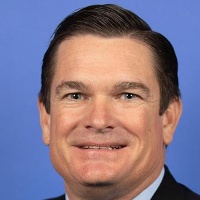
Austin Scott
Representative
GA
Austin Scott
Representative
GA
This Act officially redesignates the Ocmulgee Mounds National Historical Park as the Ocmulgee Mounds National Park and establishes a new Ocmulgee Mounds National Preserve, both managed as a single unit. The Secretary of the Interior is authorized to acquire additional non-condemned land to expand the Park and establish the Preserve. The legislation also creates an Advisory Council to guide management planning, which must prioritize the cultural resources and interests of the Muscogee (Creek) Nation, and transfers specific tribal land into federal trust status for the Tribe.
This resolution formally recognizes the persistent gender wage gap and reaffirms Congress's commitment to achieving pay equity.
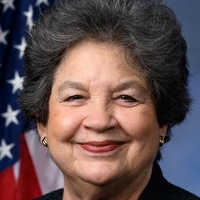
Lois Frankel
Representative
FL
Lois Frankel
Representative
FL
This resolution formally recognizes the significant and persistent wage gap between men and women in the United States, highlighting statistics that show women earn substantially less. It serves as a strong public statement reaffirming Congress's commitment to achieving pay equity. The measure does not enact new laws but emphasizes the economic harm caused by unequal pay for women and their families.