Legislative Activity
Track Sanford's sponsored bills, co-sponsored legislation, and voting record
This resolution officially designates the week of May 5 through May 9, 2025, as Teacher Appreciation Week to honor public school teachers and affirms the need to incorporate their expertise into education policy decisions.

Jahana Hayes
Representative
CT
Jahana Hayes
Representative
CT
This resolution officially designates the week of May 5 through May 9, 2025, as "Teacher Appreciation Week" to honor the dedication of public school teachers nationwide. It recognizes the crucial support teachers offer for key educational policies, including funding for students with disabilities and loan forgiveness programs. Furthermore, the bill affirms that teachers must have a voice in shaping federal, state, and local education policy.
This resolution urges the Secretary of Health and Human Services to withdraw any reduction in public notice and comment opportunities during the rulemaking process.

Lizzie Fletcher
Representative
TX
Lizzie Fletcher
Representative
TX
This House resolution urges the Secretary of Health and Human Services (HHS) to withdraw a recent notice that would reduce opportunities for public comment on new regulations. It affirms the importance of robust public input in the rulemaking process, which directly affects millions of Americans. The resolution calls for HHS to maintain its existing, open procedures for gathering feedback before finalizing any policy changes.
The SALUTE Act establishes a pilot program allowing certain active military members and their dependents to purchase supplemental, self-funded insurance to cover out-of-pocket cancer-related medical expenses not covered by TRICARE.
Brian Jack
Representative
GA
Brian Jack
Representative
GA
The SALUTE Act establishes a pilot program to allow certain active-duty service members and their dependents to purchase supplemental private insurance for uncovered cancer-related medical expenses. This optional coverage will be offered through agreements with selected insurance companies, with participants paying the full premium cost. The Department of Defense must report on the program's success after three years to determine if it should become permanent.
The SERVE Act aims to boost military recruitment by increasing recruiter access to high schools, expanding JROTC opportunities, establishing a pilot program to recognize military-friendly schools, and granting priority consideration to applicants from high-performing enlistment schools.
Jennifer Kiggans
Representative
VA
Jennifer Kiggans
Representative
VA
The SERVE Act addresses the military's severe recruiting challenges by increasing recruiter access to high schools, formalizing JROTC partnership options, and establishing incentives for schools that promote military service. Key provisions mandate regular recruiter visits, allow students to join nearby JROTC programs, and create a pilot program to recognize "Military-Friendly schools." Furthermore, the bill grants priority consideration in service academy admissions to graduates from high schools with above-average enlistment rates.
This bill directs the Secretary of Health and Human Services to establish a dedicated Office of Rural Health within the CDC to focus on research, policy, and outreach for rural health challenges.

Michael Guest
Representative
MS
Michael Guest
Representative
MS
This bill directs the Secretary of Health and Human Services to establish a dedicated Office of Rural Health within the Centers for Disease Control and Prevention (CDC). This new office will serve as the central point for coordinating research, developing best practices, and sharing information to address the unique public health challenges facing rural communities. Its mission is to improve health outcomes and access to care for rural populations across the nation.
The Better CARE for Animals Act of 2025 strengthens the enforcement of the Animal Welfare Act by expanding investigative authority, establishing new civil penalties up to \$10,000 per day, and explicitly granting the Attorney General power to file civil actions, including seeking seizure and forfeiture of animals.
Nicole Malliotakis
Representative
NY
Nicole Malliotakis
Representative
NY
The Better CARE for Animals Act of 2025 significantly strengthens enforcement of the Animal Welfare Act by clarifying definitions and expanding the scope of investigations. It grants the Attorney General explicit authority to file civil actions seeking penalties up to $10,000 per day, and mandates that collected fines help cover temporary animal care costs. The bill also requires the Secretary of Agriculture and the Attorney General to establish a formal agreement for coordinated enforcement.
The Equality Act comprehensively prohibits discrimination based on sex, sexual orientation, and gender identity across key areas including public accommodations, employment, housing, credit, and jury service.
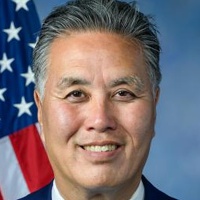
Mark Takano
Representative
CA
Mark Takano
Representative
CA
The Equality Act comprehensively expands federal civil rights protections against discrimination based on sex, sexual orientation, and gender identity across key areas of American life. It amends existing laws to prohibit discrimination in public accommodations, housing, credit, employment, and federal funding. The purpose of the bill is to provide consistent, explicit, and comprehensive remedies for individuals facing bias in these essential sectors.
This bill limits the Social Security Administration's recovery of benefit overpayments to a maximum of 10 percent of a monthly benefit unless the recipient agrees to a higher withholding rate.
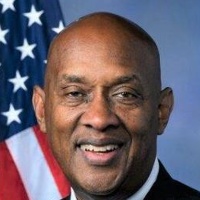
Dwight Evans
Representative
PA
Dwight Evans
Representative
PA
This bill amends the Social Security Act to limit the amount the Social Security Administration can withhold from a person's monthly benefit to recover an overpayment. Unless the individual agrees to a higher rate, the SSA can withhold no more than 10 percent of a monthly benefit payment to recoup accidental overpayments. This new limit applies to existing and future unrecovered overpayments under Title II benefits.
This resolution officially designates April 2025 as Community College Month to recognize the vital role over 1,000 community colleges play in providing accessible education, workforce training, and economic prosperity across the United States.

Joe Courtney
Representative
CT
Joe Courtney
Representative
CT
This resolution officially designates April 2025 as "Community College Month" to celebrate the vital role of over 1,000 community colleges nationwide. It recognizes these institutions for providing accessible, affordable higher education and critical workforce training. The bill highlights their significant economic contributions and commitment to local community needs.
The Historic Tax Credit Growth and Opportunity Act of 2025 modifies rehabilitation tax credits by increasing rates for small projects, eliminating basis adjustments, and changing eligibility rules for various building improvements.

Darin LaHood
Representative
IL
Darin LaHood
Representative
IL
The Historic Tax Credit Growth and Opportunity Act of 2025 significantly enhances historic rehabilitation tax incentives. It establishes a permanent 20% credit rate for qualified expenditures and introduces an optional 30% credit for smaller projects, which includes the ability to transfer the credit. Furthermore, the bill simplifies calculations by eliminating the requirement to reduce the property's basis when claiming the credit.
This resolution supports designating Black Maternal Health Week to highlight the urgent need to address the severe and preventable maternal health crisis disproportionately affecting Black women and birthing people in the United States.
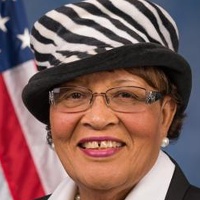
Alma Adams
Representative
NC
Alma Adams
Representative
NC
This resolution officially designates the week of April 11–17, 2025, as the eighth annual Black Maternal Health Week to raise national awareness of the severe maternal and reproductive health crisis facing Black women and birthing people. It highlights the unacceptable disparity where Black women are significantly more likely to die from pregnancy-related causes, emphasizing that most of these deaths are preventable. The bill calls for targeted investments, policy changes addressing systemic barriers, and the centering of Black women's voices in developing solutions to achieve equitable maternal health outcomes.
The SOAR Act of 2025 reforms Medicare oxygen benefits by removing competitive bidding, establishing specific supplier responsibilities, enhancing fraud protection through electronic documentation, and enshrining patient rights for supplemental oxygen recipients.

David Valadao
Representative
CA
David Valadao
Representative
CA
The SOAR Act of 2025 aims to significantly reform Medicare access to supplemental oxygen by removing it from the competitive bidding program and establishing new payment rates. The bill also mandates clearer documentation requirements for medical necessity using electronic templates and restores clinical judgment in claim audits. Finally, it establishes specific rights for oxygen beneficiaries and improves reimbursement for respiratory therapists.
This Act secures \$5 million annually in grants for youth organizations from fiscal years 2026 through 2030.
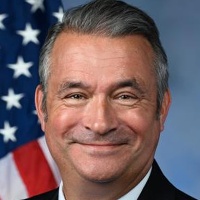
Don Bacon
Representative
NE
Don Bacon
Representative
NE
The Youth Lead Act establishes dedicated federal funding for youth organizations by setting aside \$5 million annually for grants between fiscal years 2026 and 2030. This legislation amends existing law to ensure consistent financial support for these organizations.
The Neighborhood Homes Investment Act establishes a new federal tax credit to incentivize the development and substantial rehabilitation of affordable starter homes in low-income communities by closing the financing gap between construction costs and sale prices.

Mike Kelly
Representative
PA
Mike Kelly
Representative
PA
The Neighborhood Homes Investment Act establishes a new federal tax credit designed to close the financing gap hindering the construction and rehabilitation of affordable starter homes in distressed communities. This credit incentivizes developers to build or substantially renovate housing in specific low-income census tracts and sell it affordably to qualified moderate-income homeowners. State agencies will manage the allocation of these credits, ensuring projects meet affordability standards and promoting revitalization in struggling neighborhoods.
This bill establishes the American Family Act, which revamps the Child Tax Credit into a system of refundable monthly advance payments for qualifying children and a separate credit for other dependents.

Rosa DeLauro
Representative
CT
Rosa DeLauro
Representative
CT
The American Family Act fundamentally overhauls the Child Tax Credit by replacing the annual lump sum with a system of advance, refundable monthly payments delivered directly to families. These monthly allowances vary based on the child's age, with higher amounts provided for younger children. The bill also establishes a separate, smaller credit for other dependents and outlines procedures for annual renewal and reconciliation of advance payments when filing taxes.
The ENLIST Act mandates that secondary schools receiving federal funds must prominently display and make accessible to students information regarding military recruiting.
Jennifer Kiggans
Representative
VA
Jennifer Kiggans
Representative
VA
The ENLIST Act mandates that secondary schools receiving federal funding must prominently display and ensure student access to military recruiting information during school hours. This ensures that information about military service and training opportunities is readily available to students.
Recognizes the life, achievements, and legacy of Henry Louis "Hank" Aaron as a baseball legend, civil rights icon, and symbol of American determination.
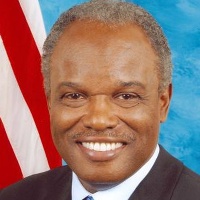
David Scott
Representative
GA
David Scott
Representative
GA
This bill honors the life and legacy of Henry Louis "Hank" Aaron, recognizing his achievements as a baseball player, his impact as a civil rights figure, and his embodiment of the American spirit. It acknowledges his overcoming of adversity and his status as one of the greatest athletes in U.S. history.
This Act establishes federal minimum standards for public employee collective bargaining rights, allowing states to maintain their own laws if they meet or exceed these standards, otherwise the Federal Labor Relations Authority will enforce federal rules.
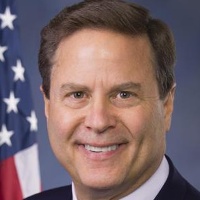
Donald Norcross
Representative
NJ
Donald Norcross
Representative
NJ
The Public Service Freedom to Negotiate Act of 2025 establishes federal minimum standards for collective bargaining rights for public employees across the nation. It requires the Federal Labor Relations Authority (FLRA) to review state laws to ensure they substantially provide these minimum rights, including the right to organize and bargain collectively. If a state fails to meet these standards, the FLRA will administer federal labor relations rules for the uncovered employees. The Act also prohibits strikes or lockouts that would measurably disrupt emergency or public safety services.
This resolution expresses the House's sense that paraprofessionals and education support staff deserve fair compensation, benefits, job security, and safe working conditions.
Jahana Hayes
Representative
CT
Jahana Hayes
Representative
CT
This resolution expresses the sense of the House of Representatives that paraprofessionals and education support staff deserve fair compensation, comprehensive benefits, and improved working conditions. It highlights the critical role these essential workers play in supporting millions of students nationwide. Ultimately, the bill calls for livable wages, job security, safe workplaces, and meaningful input into school policies for these staff members.
This bill eliminates reduced-price school meals while expanding eligibility for free meals by raising the income threshold and allowing direct certification for children receiving Medicaid.
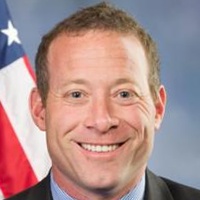
Josh Gottheimer
Representative
NJ
Josh Gottheimer
Representative
NJ
The Expanding Access to School Meals Act of 2025 aims to simplify school meal programs by eliminating the "reduced-price" meal category for both breakfast and lunch. It significantly expands eligibility for free school meals by raising the federal poverty level threshold to 224% and allowing automatic certification for children receiving Medicaid benefits. Additionally, the bill enhances financial support for schools by allowing retroactive reimbursement claims and increasing the multiplier for the Community Eligibility Program.