Legislative Activity
Track Yassamin's sponsored bills, co-sponsored legislation, and voting record
This bill establishes a universal, comprehensive national health insurance program called "Medicare for All" that eliminates patient cost-sharing and transitions the nation away from private insurance duplication.
Pramila Jayapal
Representative
WA
Pramila Jayapal
Representative
WA
The Medicare for All Act establishes a universal, nationwide health insurance program providing comprehensive coverage for all U.S. residents with no out-of-pocket costs. It fundamentally restructures healthcare financing by implementing global budgets for institutions and a new fee schedule for individuals, while phasing out existing federal programs like Medicare and Medicaid. The legislation also sets strict quality standards for providers and creates a dedicated Trust Fund to manage the system's finances.
This Act authorizes the President to impose sanctions, including asset freezes and visa bans, on foreign individuals involved in violence, property destruction, or displacement in the West Bank.
Jerrold Nadler
Representative
NY
Jerrold Nadler
Representative
NY
The West Bank Violence Prevention Act of 2025 declares extreme settler violence and displacement in the West Bank a threat to U.S. national security interests. This Act mandates the President to impose sanctions, including asset freezes and visa bans, on foreign individuals responsible for undermining peace and stability in the region. The Treasury Department must report to Congress on the implementation of these sanctions every 90 days.
This Act establishes and protects the right of tenants in federally assisted housing to organize, communicate concerns, and receive support for their participation in housing matters.
Delia Ramirez
Representative
IL
Delia Ramirez
Representative
IL
The Tenants’ Right to Organize Act establishes and protects the right of tenants receiving federal rental assistance, including Section 8 voucher holders and those in LIHTC projects, to form and participate in tenant organizations without fear of retaliation. The bill mandates that Public Housing Agencies and property owners must recognize these legitimate groups, consider their concerns, and respond to their feedback. Furthermore, it creates new enforcement mechanisms, allows tenants to sue for violations, and establishes funding for technical assistance and training for tenant groups.
This bill limits the Social Security Administration's recovery of benefit overpayments to a maximum of 10 percent of a monthly benefit unless the recipient agrees to a higher withholding rate.
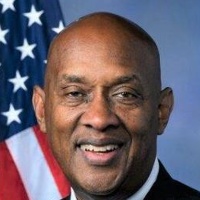
Dwight Evans
Representative
PA
Dwight Evans
Representative
PA
This bill amends the Social Security Act to limit the amount the Social Security Administration can withhold from a person's monthly benefit to recover an overpayment. Unless the individual agrees to a higher rate, the SSA can withhold no more than 10 percent of a monthly benefit payment to recoup accidental overpayments. This new limit applies to existing and future unrecovered overpayments under Title II benefits.
This resolution expresses support for honoring Earth Day, recognizes past environmental achievements, warns against undermining current climate laws, and urges the President to issue a proclamation encouraging environmental action.
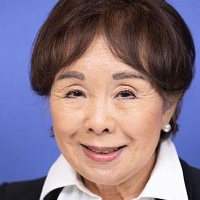
Doris Matsui
Representative
CA
Doris Matsui
Representative
CA
This resolution expresses strong support for honoring Earth Day and recognizes its historical importance in launching the modern environmental movement. It highlights ongoing challenges like climate change while celebrating recent landmark investments in clean energy and infrastructure. Ultimately, the bill urges the President to issue a proclamation recognizing Earth Day and encourages all Americans to take sustained action to protect the environment for future generations.
The Housing for All Act of 2025 is a comprehensive bill that dramatically increases federal funding and establishes new programs to expand affordable housing, guarantee rental assistance, combat homelessness, and promote community-driven solutions.
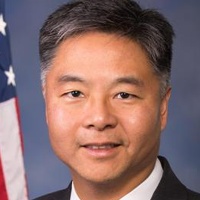
Ted Lieu
Representative
CA
Ted Lieu
Representative
CA
The Housing for All Act of 2025 is a comprehensive bill designed to aggressively combat the national housing shortage and homelessness crisis through massive federal investment. It establishes long-term funding for housing development, dramatically expands rental assistance programs like Section 8 vouchers, and creates new grants for supportive services and community-driven solutions. Ultimately, the Act aims to increase the supply of affordable and supportive housing while providing legal and crisis intervention resources for vulnerable populations.
The Pursuing Equity in Mental Health Act increases funding for mental health programs, mandates research into racial and ethnic minority mental health disparities, and establishes new outreach and training initiatives to address these inequities.
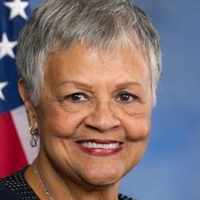
Bonnie Watson Coleman
Representative
NJ
Bonnie Watson Coleman
Representative
NJ
The Pursuing Equity in Mental Health Act aims to reduce mental health disparities among racial and ethnic minority groups through several key actions. It increases funding for existing grant programs and authorizes significant new funding for the NIH and NIMHD to support relevant research and community engagement. Furthermore, the bill mandates a comprehensive study on mental health research gaps and establishes a national strategy for culturally competent mental health outreach and education.
This Act establishes an advisory committee to systematically review and recommend replacements for offensive place names on federal lands to promote reconciliation and dignity.
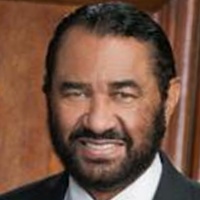
Al Green
Representative
TX
Al Green
Representative
TX
The Reconciliation in Place Names Act establishes a new Advisory Committee to systematically review and recommend replacements for offensive geographic names on federal lands. This committee, composed of diverse experts and tribal representatives, will advise the Board on Geographic Names regarding proposed changes. The Board must then approve or reject these renaming proposals within three years, prioritizing changes unless a compelling public interest dictates otherwise. This process aims to foster reconciliation by removing derogatory and prejudiced place names across the United States.
The WISE Act aims to remove barriers for immigrant survivors of crime and abuse seeking legal status, while significantly reforming and expanding protections within the U-visa program and other victim-based immigration relief.
Pramila Jayapal
Representative
WA
Pramila Jayapal
Representative
WA
The Working for Immigrant Safety and Empowerment (WISE) Act aims to strengthen protections and streamline legal pathways for non-citizen survivors of crime and abuse, including domestic violence and trafficking. The bill reforms the U-visa program by eliminating its annual cap and speeding up work authorization for victims. It also establishes new protections against detention and deportation for victims with pending humanitarian applications and expands access to public benefits for certain lawfully present noncitizens.
This Act establishes an Advisory Council to survey needs, identify best practices, and disseminate comprehensive resources for victims of all forms of gun violence.
Dwight Evans
Representative
PA
Dwight Evans
Representative
PA
The Resources for Victims of Gun Violence Act of 2025 establishes an Advisory Council, led by HHS, to assess the needs of gun violence victims and service providers. This Council will survey stakeholders, review existing support programs, and identify best practices for medical, financial, and mental health assistance. Its primary function is to compile and widely distribute a comprehensive list of available federal, state, and nonprofit resources to ensure victims can easily access necessary aid.
This resolution demands the President swiftly provide the House with all unredacted documents concerning Elon Musk's potential conflicts of interest and government involvement.

Gerald Connolly
Representative
VA
Gerald Connolly
Representative
VA
This resolution is an official request from the House of Representatives demanding the President promptly transmit all documents related to Elon Musk's potential conflicts of interest and his involvement with the Federal Government. The information must be unredacted and cover his roles, business holdings, and any related government contracts. The President is required to provide these materials within 14 days of the resolution's passage.
This resolution demands the President transmit all records related to the removal, reassignment, or administrative leave of federal employees and Inspectors General since January 20, 2025, particularly those influenced by outside parties like Elon Musk or concerning DEI staff layoffs.
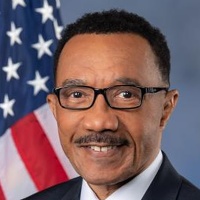
Kweisi Mfume
Representative
MD
Kweisi Mfume
Representative
MD
This resolution is an official request from the House of Representatives demanding the President transmit specific documents regarding federal personnel actions taken since January 20, 2025. It seeks records related to the termination, removal, or reassignment of federal employees and Inspectors General that may have been influenced by outside parties, including Elon Musk and Trump-related groups. The request also specifically targets communications concerning the layoff guidance for Diversity, Equity, and Inclusion (DEI) staff.
This act bans bump stocks and similar devices that increase the firing rate of semi-automatic firearms, requiring registration for any previously modified weapons.
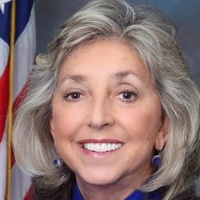
Dina Titus
Representative
NV
Dina Titus
Representative
NV
The Closing the Bump Stock Loophole Act of 2025 seeks to amend federal gun laws by banning devices and modifications that significantly increase the rate of fire of semiautomatic firearms, effectively treating them like machineguns. The bill specifically prohibits the manufacture, sale, or possession of such accessories and modified firearms after 120 days of enactment. Existing owners of previously modified firearms must register them under the National Firearms Act within that same timeframe to legally keep them.
This bill establishes the American Family Act, which revamps the Child Tax Credit into a system of refundable monthly advance payments for qualifying children and a separate credit for other dependents.
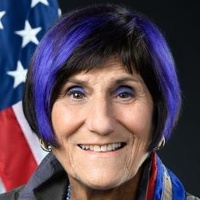
Rosa DeLauro
Representative
CT
Rosa DeLauro
Representative
CT
The American Family Act fundamentally overhauls the Child Tax Credit by replacing the annual lump sum with a system of advance, refundable monthly payments delivered directly to families. These monthly allowances vary based on the child's age, with higher amounts provided for younger children. The bill also establishes a separate, smaller credit for other dependents and outlines procedures for annual renewal and reconciliation of advance payments when filing taxes.
This act permanently extends and significantly expands the Earned Income Tax Credit for workers without qualifying children, lowers the minimum claiming age, removes the maximum age limit, increases credit amounts, and allows taxpayers to elect to use higher prior-year earned income for calculation.
Dwight Evans
Representative
PA
Dwight Evans
Representative
PA
The Tax Cut for Workers Act of 2025 significantly expands the Earned Income Tax Credit (EITC) for workers without qualifying children by permanently lowering the minimum age, eliminating the maximum age, and substantially increasing the credit amount. It also allows taxpayers to elect to use higher prior-year earned income when calculating the current year's credit. Furthermore, the bill removes expiration dates for applying EITC rules in certain U.S. territories.
This resolution demands the President transmit all documents detailing the Administration's use of insecure electronic communication platforms for official business and its compliance with federal recordkeeping laws.
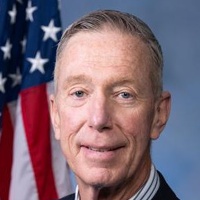
Stephen Lynch
Representative
MA
Stephen Lynch
Representative
MA
This resolution is an official inquiry demanding the President transmit documents detailing the Administration's use of insecure electronic communication platforms, such as Signal, for official business. Congress specifically seeks records related to compliance with federal recordkeeping laws, especially concerning sensitive national security information and the prevention of automatic message deletion. The request mandates the delivery of these unredacted materials to the House within 14 days of the resolution's passage.
This Act establishes federal minimum standards for public employee collective bargaining rights, allowing states to maintain their own laws if they meet or exceed these standards, otherwise the Federal Labor Relations Authority will enforce federal rules.
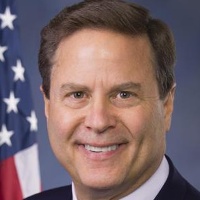
Donald Norcross
Representative
NJ
Donald Norcross
Representative
NJ
The Public Service Freedom to Negotiate Act of 2025 establishes federal minimum standards for collective bargaining rights for public employees across the nation. It requires the Federal Labor Relations Authority (FLRA) to review state laws to ensure they substantially provide these minimum rights, including the right to organize and bargain collectively. If a state fails to meet these standards, the FLRA will administer federal labor relations rules for the uncovered employees. The Act also prohibits strikes or lockouts that would measurably disrupt emergency or public safety services.
The Raise the Wage Act of 2025 gradually increases the federal minimum wage to \$17.00, phases out subminimum wages for tipped employees and workers with disabilities, and eliminates the subminimum wage for young workers.
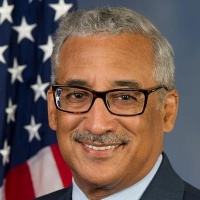
Robert Scott
Representative
VA
Robert Scott
Representative
VA
The Raise the Wage Act of 2025 establishes a phased increase of the federal minimum wage, culminating in a \$17.00 per hour rate five years after enactment, followed by automatic annual adjustments tied to median wage growth. This bill also phases out the lower minimum wage for tipped employees and workers under 20, ensuring they eventually earn the standard federal minimum wage. Furthermore, it sets a schedule to eliminate subminimum wages for individuals with disabilities and prohibits the issuance of new special certificates allowing for lower pay.
This Act preempts state and local laws that mandate minimum parking requirements for new developments located near qualifying public transit stops.
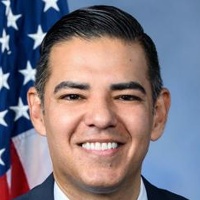
Robert Garcia
Representative
CA
Robert Garcia
Representative
CA
The People Over Parking Act of 2025 preempts state and local laws that mandate minimum parking requirements for new developments located within half a mile of qualifying public transit stops. This federal standard allows developers of residential, retail, commercial, or industrial projects near transit to determine the appropriate amount of parking, overriding local mandates. The goal is to encourage transit use by removing parking minimums in highly accessible areas.
The No Tax Breaks for Union Busting Act denies businesses tax deductions for expenses incurred while influencing employees regarding union organization and activities.
Donald Norcross
Representative
NJ
Donald Norcross
Representative
NJ
The No Tax Breaks for Union Busting (NTBUB) Act aims to disallow businesses from deducting federal income taxes for expenses incurred while attempting to influence employees regarding union organization or activities. This change is intended to stop companies from subsidizing anti-union campaigns through tax write-offs. The bill also establishes new, significant reporting requirements and penalties for businesses and third-party consultants who engage in these influence expenditures.