Legislative Activity
Track Alma's sponsored bills, co-sponsored legislation, and voting record
This bill reauthorizes the Accelerating Access to Critical Therapies for ALS Act through 2031 while enhancing grant oversight, safety reporting requirements, and FDA strategic planning for rare neurodegenerative diseases.

Mike Quigley
Representative
IL
Mike Quigley
Representative
IL
The Accelerating Access to Critical Therapies for ALS Reauthorization Act of 2026 extends vital funding for ALS research and clinical trial programs through 2031. This legislation strengthens oversight by enhancing grant review processes, improving safety reporting requirements, and mandating a comprehensive five-year FDA action plan to accelerate the development of treatments for rare neurodegenerative diseases.
The MOMMIES Act strengthens maternal health outcomes by extending Medicaid and CHIP postpartum coverage to one year, mandating comprehensive oral health benefits, and establishing demonstration projects to improve maternity care access and equity.
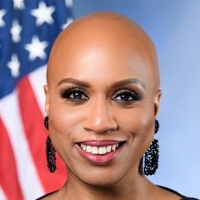
Ayanna Pressley
Representative
MA
Ayanna Pressley
Representative
MA
The MOMMIES Act aims to improve maternal health outcomes by expanding Medicaid and CHIP coverage for pregnant and postpartum individuals to a full year. The bill mandates comprehensive benefits, including oral health services, and establishes a maternity care home demonstration project to provide coordinated, culturally appropriate care. Additionally, it increases provider reimbursement rates for primary care, promotes access to doula services, and requires federal studies to address disparities and improve telehealth access in maternal care.
The Justice for Incarcerated Moms Act aims to improve maternal health outcomes for incarcerated individuals by prohibiting the shackling of pregnant prisoners and establishing federal and state programs to provide comprehensive prenatal and postpartum care.
Ayanna Pressley
Representative
MA
Ayanna Pressley
Representative
MA
The Justice for Incarcerated Moms Act aims to improve maternal health outcomes and reduce disparities for pregnant and postpartum individuals in the criminal justice system. The bill mandates the end of shackling for pregnant individuals in federal and state facilities and establishes comprehensive model programs to provide prenatal and postpartum care. Additionally, it creates a grant program for state and local facilities to improve maternal health services and requires a federal report to identify and address systemic barriers to care.
The Mamas First Act mandates that state Medicaid programs provide comprehensive, no-cost coverage for pregnancy and postpartum services delivered by doulas, midwives, and lactation support providers.
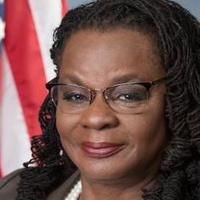
Gwen Moore
Representative
WI
Gwen Moore
Representative
WI
The Mamas First Act aims to improve maternal health outcomes and reduce mortality rates by mandating Medicaid coverage for doula, midwife, and lactation support services. This legislation ensures that these essential prenatal, labor, and postpartum care services are provided without out-of-pocket costs to patients. By expanding access to these culturally congruent care providers, the bill seeks to address significant disparities in maternal health across the United States.
This bill mandates electronic prior authorization, increases transparency through required data reporting, and establishes faster decision timelines for Medicare Advantage plans to improve timely access to care for seniors.
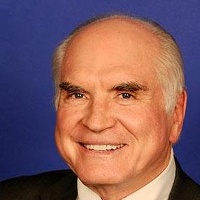
Mike Kelly
Representative
PA
Mike Kelly
Representative
PA
The Improving Seniors’ Timely Access to Care Act of 2025 aims to streamline and modernize the prior authorization process within Medicare Advantage plans. This bill mandates the adoption of electronic prior authorization systems and significantly increases transparency regarding approval rates and decision times starting in 2027. Furthermore, it establishes new enrollee protections and grants the Secretary authority to enforce faster decision timeframes for medical services.
The TEACH Improvement Act of 2026 reforms the TEACH Grant program by updating award amounts, establishing stricter institutional accountability for loan conversions, and creating a streamlined process for borrowers to reinstate grants.
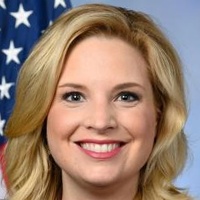
Ashley Hinson
Representative
IA
Ashley Hinson
Representative
IA
The TEACH Improvement Act of 2026 reforms the TEACH Grant program by updating award amounts, streamlining the service obligation process, and establishing new oversight measures for participating institutions. The bill introduces stricter accountability for schools with high grant-to-loan conversion rates and creates a formal process for borrowers to have erroneously converted loans reinstated as grants. Additionally, it mandates expanded reporting and enhanced servicer accountability to ensure the program effectively supports future educators.
This resolution honors and commends Danette Anthony Reed for her exemplary leadership and service as the 31st International President and CEO of Alpha Kappa Alpha Sorority, Inc.
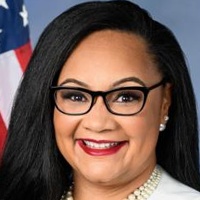
Nikema Williams
Representative
GA
Nikema Williams
Representative
GA
This resolution honors Danette Anthony Reed for her distinguished 50-year membership and her leadership as the 31st International President and CEO of Alpha Kappa Alpha Sorority, Inc. It recognizes her commitment to advancing initiatives that empower families, promote economic wealth, and advocate for social justice within local communities.
The Fresh Bucks for Fresh Produce Act establishes a pilot program providing low-income households with $60 in monthly benefits to increase access to fresh fruits and vegetables at local retailers.

Pramila Jayapal
Representative
WA
Pramila Jayapal
Representative
WA
The Fresh Bucks for Fresh Produce Act establishes a federal pilot program that provides $60 in monthly benefits to low-income households for the purchase of fresh fruits and vegetables. By awarding grants to states, the program aims to increase food security, expand access to healthy produce, and support local retailers in underserved communities.
This resolution congratulates the Carolina Hurricanes on winning the 2026 Stanley Cup Championship, recognizing their dominant playoff run, significant community impact, and the achievements of their players and staff.
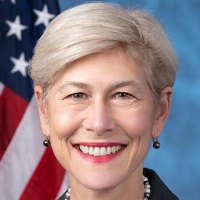
Deborah Ross
Representative
NC
Deborah Ross
Representative
NC
This resolution congratulates the Carolina Hurricanes on winning the 2026 Stanley Cup Championship, their first in 20 years. It celebrates their dominant playoff run, significant economic impact on Wake County, and extensive community contributions. The bill also recognizes the outstanding performances of the players, coaches, and staff who brought the championship back to Raleigh.
The Save MEDICARE Act of 2026 reforms Medicare Advantage by tightening payment accuracy, enhancing audit and enforcement authority, and requiring private insurers to reimburse the VA for veteran healthcare services.

Lloyd Doggett
Representative
TX
Lloyd Doggett
Representative
TX
The Save MEDICARE Act of 2026 aims to increase transparency and accountability within the Medicare Advantage program by reforming payment methodologies, tightening oversight of diagnosis coding, and accelerating audit processes. The bill also enhances the Department of Veterans Affairs' ability to recover healthcare costs from private insurers and empowers states to enforce federal requirements for Medicare Advantage plans. These measures are designed to ensure more accurate payments, reduce deceptive practices, and protect resources for all Medicare enrollees.
This act strengthens worker protections by increasing pay transparency, expanding recovery for wage theft, and establishing grants to combat illegal pay practices.

Rosa DeLauro
Representative
CT
Rosa DeLauro
Representative
CT
The Wage Theft Prevention and Wage Recovery Act strengthens worker protections by amending the Fair Labor Standards Act to mandate pay transparency, guarantee timely final pay, and significantly increase penalties for wage theft. It also extends the statute of limitations for filing wage claims and establishes a federal grant program to support local efforts in preventing wage theft and assisting workers with recovery. Overall, the bill aims to ensure workers receive the full wages they are owed through stricter enforcement and greater accountability for employers.
The Freedom of Association in Higher Education Act of 2026 prohibits colleges and universities that receive federal funding from taking adverse actions against students or organizations based on their participation in single-sex social groups.
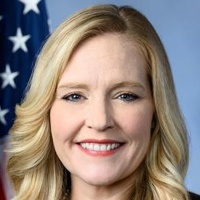
Erin Houchin
Representative
IN
Erin Houchin
Representative
IN
The Freedom of Association in Higher Education Act of 2026 protects students and single-sex social organizations from adverse actions by colleges and universities that receive federal funding. The bill ensures that students can freely join or lead these organizations without facing institutional bias or discrimination based on their membership. It establishes clear standards to prevent schools from penalizing students or organizations solely for maintaining single-sex membership policies.
The LIFT the BAR Act restores federal public benefit eligibility, including SNAP, Medicaid, and housing assistance, for many lawfully present noncitizens by repealing restrictions from the 1996 welfare law and updating terminology.
Pramila Jayapal
Representative
WA
Pramila Jayapal
Representative
WA
The LIFT the BAR Act repeals decades-old restrictions that barred many lawfully present noncitizens from accessing essential federal public benefits. This legislation restores eligibility for programs like SNAP, Medicaid, CHIP, and housing assistance for qualified noncitizens. The bill also updates terminology, replacing "alien" with "noncitizen" throughout relevant statutes.
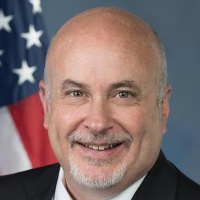
This act doubles the maximum Pell Grant award, makes funding mandatory, extends eligibility to Dreamer students, restores previous eligibility limits, and reforms Satisfactory Academic Progress rules.
Mark Pocan
Representative
WI
Mark Pocan
Representative
WI
The Pell Grant Preservation and Expansion Act of 2026 aims to significantly strengthen federal student aid by doubling the maximum Pell Grant award and funding it through mandatory appropriations. This bill also expands eligibility to include Dreamer students, restores Pell Grant eligibility for students with certain scholarships, and reforms Satisfactory Academic Progress (SAP) rules to make regaining aid easier after academic setbacks. These changes are designed to stabilize and expand access to postsecondary education for millions of students.
This bill significantly strengthens child labor protections under federal law by expanding definitions of oppressive labor, increasing penalties, enhancing supply chain accountability, and imposing new requirements on federal contractors.
Rosa DeLauro
Representative
CT
Rosa DeLauro
Representative
CT
The CHILD Labor Act significantly strengthens protections against child labor by expanding the definition of oppressive child labor and requiring updated regulations for hazardous work under the Fair Labor Standards Act. It enhances enforcement through supply chain accountability, extended "hot goods" restrictions, liability for successor businesses, and increased civil and criminal penalties for violations. Furthermore, the Act imposes strict child labor requirements on federal contractors and recipients of federal financial assistance.
This bill, the "Protect Local Funding Act," prohibits the finalization, implementation, or enforcement of the proposed "Regulation for Federal Financial Assistance" rule published on May 29, 2026, or any substantially similar rule.

Haley Stevens
Representative
MI
Haley Stevens
Representative
MI
This bill, the "Protect Local Funding Act," prohibits the finalization, implementation, or enforcement of the proposed "Regulation for Federal Financial Assistance" published on May 29, 2026, or any substantially similar rule. It prevents federal agencies from enacting this specific regulation concerning federal financial assistance.
This bill mandates that mortgage lenders must consider specific, borrower-authorized alternative credit data, such as rent payments, to expand access to credit for those with thin credit files.
Nikema Williams
Representative
GA
Nikema Williams
Representative
GA
This bill, the "Expanding Access to Credit through Consumer-Permissioned Data Act," amends the Equal Credit Opportunity Act to require mortgage lenders to consider additional, consumer-permissioned credit information, such as rent payments, when evaluating loan applications. This aims to expand mortgage access for millions of consumers whose credit history is not fully reflected in traditional reports. Lenders must provide applicants with a notice explaining this right, and underwriting systems must be updated to process this alternative data.
This act repeals the federal tax credit for contributions to scholarship organizations and eliminates the income exclusion for certain scholarship amounts received from those organizations.
Gwen Moore
Representative
WI
Gwen Moore
Representative
WI
The Keep Public Funds in Public Schools Act of 2026 aims to redirect funding by eliminating federal tax incentives for private school scholarships. Specifically, it repeals the tax credit for contributions to scholarship-granting organizations and removes the income exclusion for certain scholarship amounts received. These changes are set to take effect starting in 2027.
This bill mandates an EPA study on the environmental impacts of AI data centers, establishes a NIST consortium to develop measurement standards, and requires large AI data centers to publicly report their environmental impacts.

Donald Beyer
Representative
VA
Donald Beyer
Representative
VA
This bill, the "Artificial Intelligence Environmental Impacts Act of 2026," mandates a comprehensive study by the EPA on the environmental and energy impacts of AI data centers and infrastructure. It also requires the National Institute of Standards and Technology to establish a consortium to develop measurement standards for these impacts. Finally, the legislation establishes an annual public reporting system for large AI data centers detailing their environmental footprint.
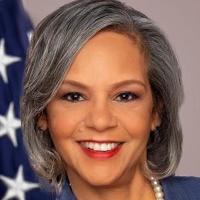
This bill expresses support for designating June 5, 2026, as "National Gun Violence Awareness Day" and June 2026 as "National Gun Violence Awareness Month" to honor victims and promote awareness of gun violence.
Robin Kelly
Representative
IL
Robin Kelly
Representative
IL
This bill expresses support for designating June 5, 2026, as "National Gun Violence Awareness Day" and the entire month of June 2026 as "National Gun Violence Awareness Month." The designations aim to honor the nearly 47,000 people killed by gunfire each year and raise public awareness about the devastating impact of gun violence. The resolution encourages the public to wear orange on that day and focus on community efforts to promote gun safety.