Legislation
This resolution recognizes the vital role of the Older Americans Act nutrition programs in combating senior hunger, malnutrition, and isolation while improving the health and quality of life for millions of older adults.
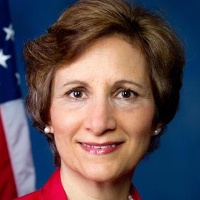
Suzanne Bonamici
Representative
OR
Suzanne Bonamici
Representative
OR
This resolution recognizes the vital role of the Older Americans Act (OAA) nutrition programs in combating hunger, malnutrition, and social isolation among seniors and individuals with disabilities. It highlights how these essential services improve health outcomes and reduce long-term medical costs while calling on Congress to support local providers through sustained funding and active volunteer participation.
The Conflict Prevention Act establishes a dedicated center within the Department of State to enhance U.S. capabilities in analyzing, preventing, and mitigating global violent conflict.

Sara Jacobs
Representative
CA
Sara Jacobs
Representative
CA
The Conflict Prevention Act establishes a dedicated Center for Conflict Analysis, Planning, and Prevention within the Department of State to better anticipate and mitigate global violent conflict. By providing expert analysis, strategic planning, and specialized training, the Center aims to strengthen U.S. diplomatic efforts in peace processes and complex political negotiations. This initiative ensures that the Department of State is better equipped to protect national security interests by proactively addressing emerging conflict hotspots.
This resolution honors the 97th anniversary of Dr. Martin Luther King, Jr.’s birth by reaffirming his legacy of equality, condemning hate, and promoting tolerance and civil discourse.

Shontel Brown
Representative
OH
Shontel Brown
Representative
OH
This resolution honors the 97th anniversary of the birth of Reverend Dr. Martin Luther King, Jr. by celebrating his legacy of equality, diversity, and civil discourse. It reaffirms a national commitment to his values of justice and tolerance while explicitly condemning all forms of hate, discrimination, and prejudice.
The Data Driven Diplomacy Act mandates the use of public opinion research to inform and optimize U.S. international media outreach and strategic communications.
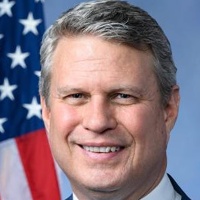
Bill Huizenga
Representative
MI
Bill Huizenga
Representative
MI
The Data Driven Diplomacy Act mandates that the Bureau of Global Public Affairs utilize public opinion research to better understand international cultural contexts and audience attitudes. By leveraging this data, the initiative aims to strategically inform and optimize the reach of U.S.-funded media outlets worldwide.
The Purple Heart Freedom to Work Act allows Purple Heart recipients to return to the workforce without losing their Social Security Disability Insurance benefits by adjusting earnings thresholds and implementing a gradual benefit offset.
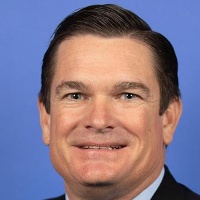
Austin Scott
Representative
GA
Austin Scott
Representative
GA
The Purple Heart Freedom to Work Act supports veterans by allowing Purple Heart recipients to return to the workforce without losing their Social Security Disability Insurance (SSDI) benefits. The bill increases the earnings threshold for "substantial gainful activity" and implements a gradual benefit reduction rather than a total cutoff, ensuring veterans can work while maintaining financial security.
The Pregnant Students’ Rights Act requires colleges and universities to inform students of their rights, available accommodations, and support resources regarding pregnancy and parenting.

Ashley Moody
Senator
FL
Ashley Moody
Senator
FL
The Pregnant Students’ Rights Act requires colleges and universities to provide students with clear information regarding their rights, available accommodations, and support resources for carrying a pregnancy to term. Institutions must distribute this information through various channels, including student handbooks, orientations, and official websites, to ensure students are aware of their protections under Title IX.
This resolution expresses the Senate’s support for Operation Absolute Resolve, the U.S. military and law enforcement mission that successfully captured Nicolás Maduro to face justice for his regime's criminal activities and human rights abuses.
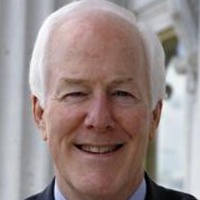
John Cornyn
Senator
TX
John Cornyn
Senator
TX
This resolution expresses the Senate's formal support for Operation Absolute Resolve, the U.S. military and law enforcement mission that resulted in the capture of Nicolás Maduro. It details the regime's history of election fraud, involvement in international drug trafficking, and ties to designated terrorist organizations. The Senate commends the administration for this decisive action and reaffirms its commitment to supporting the Venezuelan people in their pursuit of freedom.
This act directs the Department of Veterans Affairs to identify high-growth emerging technology careers and streamlines access to the education and training programs necessary for veterans to secure them.
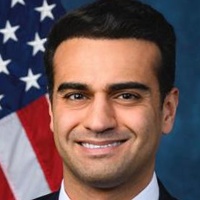
Abraham Hamadeh
Representative
AZ
Abraham Hamadeh
Representative
AZ
The Improving Emerging Tech Opportunities for Veterans Act directs the Department of Veterans Affairs to identify high-growth industries and educational programs related to emerging technologies, such as artificial intelligence and semiconductors. The bill streamlines the approval process for these courses and expands existing veteran technology training programs to ensure veterans are better prepared for the future job market.
This bill prohibits the export of petroleum-related equipment and services to Russia and mandates sanctions on foreign persons who facilitate such transactions.
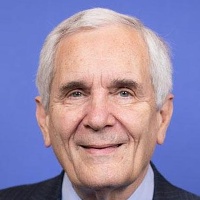
Lloyd Doggett
Representative
TX
Lloyd Doggett
Representative
TX
The No Aid for Russian Energy Act prohibits U.S. persons and entities from exporting petroleum-related equipment, technology, and services to the Russian Federation. It further mandates strict sanctions, including asset blocking and visa restrictions, against any foreign persons or companies that facilitate such trade with Russia. The bill provides limited exceptions for humanitarian aid and medical supplies while granting the President authority to issue temporary national security waivers.
The Renewed Hope Act strengthens child exploitation investigations by mandating increased staffing, specialized training, and improved interagency coordination within the Department of Homeland Security.

Laurel Lee
Representative
FL
Laurel Lee
Representative
FL
The Renewed Hope Act strengthens efforts to combat child sexual exploitation by mandating the hiring of additional forensic analysts and investigators within the Department of Homeland Security. The bill establishes specialized training programs, improves inter-agency coordination, and provides direct hiring authority to accelerate the rescue of victims. Additionally, it implements strict privacy protections to ensure that sensitive victim information is handled securely by law enforcement.
This bill requires the Secretary of State to provide Congress with 15 days' advance notice before obligating more than $37,500 for specific art, design, or cultural heritage purchases.

Tim Burchett
Representative
TN
Tim Burchett
Representative
TN
This bill requires the Secretary of State to provide Congress with at least 15 days' advance notice before obligating more than $37,500 for art, design, or cultural heritage projects at U.S. diplomatic facilities. The notification must detail the purpose, cost, and location of the purchase to ensure greater oversight of these expenditures.
This bill prohibits the importation of energy products refined outside of Russia if they were produced using Russian crude oil.
Lloyd Doggett
Representative
TX
Lloyd Doggett
Representative
TX
The Ending Importation of Laundered Russian Oil Act closes a loophole in existing sanctions by banning the import of petroleum products refined outside of Russia if they were produced using Russian crude oil. This legislation ensures that energy products derived from Russian sources cannot enter the U.S. market, subjecting violators to the same penalties as those who import Russian oil directly.
The National Scam Prevention Coordination Act establishes a temporary Office of the National Fraud and Scam Prevention within the Executive Office of the President to coordinate federal strategy, incident response, and data sharing to combat fraud and scams.
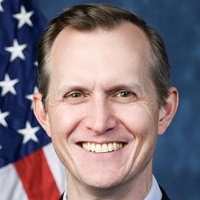
George Whitesides
Representative
CA
George Whitesides
Representative
CA
The National Scam Prevention Coordination Act establishes a new Office of the National Fraud and Scam Prevention within the Executive Office of the President to lead a unified federal strategy against fraud. This office will coordinate interagency responses to significant scam campaigns, facilitate data sharing with the private sector, and provide strategic guidance to protect Americans from financial deception. The Act creates a centralized authority to improve the nation's fraud prevention posture through a five-year, targeted initiative.
This bill designates the United States Postal Service facility located at 2121 Meridian Park Boulevard in Concord, California, as the "Carl Jefferson Post Office Building."
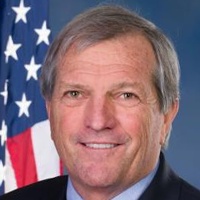
Mark DeSaulnier
Representative
CA
Mark DeSaulnier
Representative
CA
This bill officially designates the United States Postal Service facility located at 2121 Meridian Park Boulevard in Concord, California, as the "Carl Jefferson Post Office Building." All future official references to this location will bear this name.
This bill directs the Secretary of Defense to establish a collaborative cybersecurity educational program with academic institutions to develop curricula, foster workforce development, and address national cyber challenges.
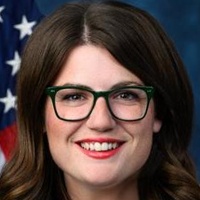
Sarah Elfreth
Representative
MD
Sarah Elfreth
Representative
MD
The Establishing Cyber Security Educational Programs at Academic Institutions Act directs the Secretary of Defense to create a collaborative program that develops cybersecurity curricula and workforce competencies in partnership with academic institutions. By coordinating with federal agencies and industry experts, the initiative aims to standardize cyber education and strengthen the national cyber workforce. The program focuses on designating qualified institutions to address cybersecurity challenges while ensuring effectiveness through rigorous reporting and data-driven metrics.
The SHIELD Act of 2025 prohibits federal funding to state and local jurisdictions that interfere with, arrest, or prosecute federal law enforcement officers performing their immigration enforcement duties.
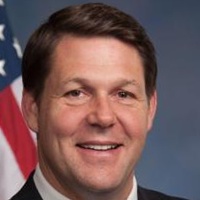
Jodey Arrington
Representative
TX
Jodey Arrington
Representative
TX
The SHIELD Act of 2025 prohibits state and local governments from arresting, prosecuting, or obstructing federal officers engaged in lawful immigration enforcement. Jurisdictions that interfere with these federal duties will be ineligible to receive federal financial assistance. This legislation ensures that federal authorities can carry out their immigration responsibilities without local interference.
The Disaster Survivors Tax Relief and Recovery Act provides targeted tax relief, retirement account flexibility, and housing credit support for individuals and businesses affected by major federally declared disasters occurring in 2025.
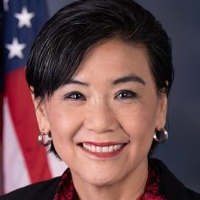
Judy Chu
Representative
CA
Judy Chu
Representative
CA
The Disaster Survivors Tax Relief and Recovery Act provides essential financial support to individuals and businesses impacted by major disasters occurring in 2025. The bill offers temporary tax relief, including flexible income calculations for tax credits, penalty-free access to retirement funds, and expanded deductions for charitable contributions and casualty losses. Additionally, it incentivizes the development of affordable housing in disaster-stricken areas and extends tax exclusions for wildfire-related compensation.
The HAULS Act of 2025 establishes a year-round, distance-based federal exemption for the transportation of agricultural commodities and livestock feed, while standardizing the definition of these goods across federal regulations.
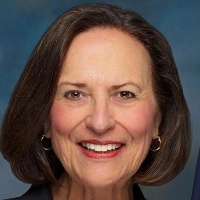
Deb Fischer
Senator
NE
Deb Fischer
Senator
NE
The HAULS Act of 2025 streamlines federal motor carrier safety exemptions by establishing a year-round, 150-air-mile radius standard for transporting agricultural commodities and livestock feed, eliminating inconsistent state-level seasonal restrictions. Additionally, the bill updates and clarifies the definition of "agricultural commodity" to ensure consistent regulatory coverage for a wide range of farm products, including livestock, forestry, and minimally processed produce.
The Beginning Farmer Tax Incentive Act provides income tax exclusions for landowners who sell or lease qualifying farmland to beginning farmers to encourage the transfer of agricultural land to the next generation.
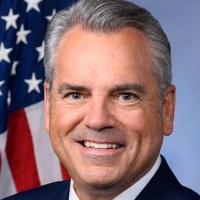
Mark Alford
Representative
MO
Mark Alford
Representative
MO
The Beginning Farmer Tax Incentive Act encourages the transfer of agricultural land to the next generation by providing federal income tax relief to landowners. It offers capital gains exclusions for the sale of farmland and tax-free treatment for rental income when property is leased to certified beginning farmers. These incentives aim to lower barriers to entry for new farmers while ensuring the long-term preservation of farmland.
The ARMENIA Security Partnership Act mandates a review of U.S. security assistance for Armenia and restricts aid to Azerbaijan unless specific conditions regarding regional peace and human rights are met.

Gus Bilirakis
Representative
FL
Gus Bilirakis
Representative
FL
The ARMENIA Security Partnership Act requires the Secretary of Defense to certify that Azerbaijan has taken specific steps toward peace and regional stability before continuing certain security waivers. If this certification cannot be made, the Act mandates a comprehensive review of Armenia’s defense needs and restricts the President’s authority to waive security assistance limitations. This legislation aims to bolster Armenia’s self-defense capabilities and deter regional aggression.