Legislation
This bill establishes a five-year pilot program allowing military family members to enroll in TRICARE Select upon pregnancy, treating it as a qualifying life event.

Tammy Duckworth
Senator
IL
Tammy Duckworth
Senator
IL
This Act establishes a five-year pilot program treating pregnancy as a qualifying event for enrollment in TRICARE Select. This allows eligible military family members to sign up for expanded coverage upon becoming pregnant. The Department of Defense is required to submit annual reports to Congress detailing enrollment changes under this new provision.
The SPIES Act eliminates the statute of limitations for prosecuting certain serious offenses related to espionage and unlawful procurement of citizenship used to aid foreign governments.

John Cornyn
Senator
TX
John Cornyn
Senator
TX
The Strengthening Prosecution Integrity for Espionage Statutes (SPIES) Act eliminates the statute of limitations for prosecuting serious offenses related to espionage and acting as an unregistered agent of a foreign government. This change allows the government to charge individuals at any time for these specific national security crimes. The bill also removes the statute of limitations for related immigration fraud committed to aid in espionage activities.
This Act allows Medicare to apply existing temporary coverage rules, similar to those for doctors, when a physical therapist uses a temporary substitute provider.
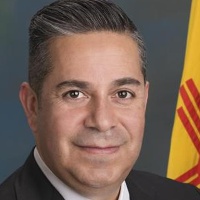
Ben Luján
Senator
NM
Ben Luján
Senator
NM
The Prevent Interruptions in Physical Therapy Act of 2025 ensures continuity of care by allowing physical therapists to utilize locum tenens arrangements under Medicare. This legislation updates existing rules to ensure that temporary coverage for outpatient physical therapy services is treated the same way as coverage for physicians' services. The goal is to prevent disruptions in patient access to necessary physical therapy.
The PART Act establishes new federal requirements for marking catalytic converters, creates a grant program for VIN stamping to deter theft, and imposes strict record-keeping and payment restrictions on sales, alongside new criminal penalties for theft and trafficking.

Amy Klobuchar
Senator
MN
Amy Klobuchar
Senator
MN
The PART Act aims to combat catalytic converter theft by mandating new federal standards for permanently marking these devices on all new vehicles. It establishes a grant program to fund the visible stamping of identification numbers onto existing converters to deter theft. Furthermore, the bill strengthens tracking requirements for sellers of used converters and introduces new federal criminal penalties for theft and trafficking of these components.
This Act expands retirement savings options for independent workers by allowing them to participate in pooled employer plans and Simplified Employee Pensions (SEPs) and establishes pilot programs for automatic savings.

Bill Cassidy
Senator
LA
Bill Cassidy
Senator
LA
The Independent Retirement Fairness Act aims to expand retirement savings options for independent workers by allowing them to participate in pooled employer plans and Simplified Employee Pensions (SEPs) as if they were traditional employees. The bill also establishes pilot programs to facilitate automatic retirement savings through methods like rounding up paychecks. Furthermore, it simplifies certain auditing requirements for grouped retirement plans.
This bill exempts the Department of Defense from key environmental protection laws for activities certified as necessary to counter threats from China.

Tom Cotton
Senator
AR
Tom Cotton
Senator
AR
The Necessary Environmental Exemptions for Defense Act exempts the Department of Defense (DOD) from key environmental laws, including NEPA and the Endangered Species Act, for activities specifically certified as necessary to counter threats from China. This exemption applies retroactively and prevents judicial review of the DOD's designation or related actions. While exempt from mandated reviews, the Secretary of Defense must periodically review and update internal policies on environmental mitigation.
This Act prevents the government from classifying independent workers as employees solely based on the provision of portable or standard benefits.
Bill Cassidy
Senator
LA
Bill Cassidy
Senator
LA
The Unlocking Benefits for Independent Workers Act ensures that offering portable or standard employee benefits will not, by itself, cause a worker to be classified as an employee under federal law. This change allows companies to offer valuable benefits to independent workers without automatically triggering employee status for tax or labor purposes. The legislation aims to encourage the provision of portable benefits to the independent workforce.
This Act establishes sweeping new restrictions on the Department of Defense's use of foreign-made additive manufacturing technology while simultaneously creating programs to advance domestic dual-use manufacturing, accelerate the qualification of 3D-printed military parts, and improve related supply chains and international coordination.

Elissa Slotkin
Senator
MI
Elissa Slotkin
Senator
MI
The Future of Defense Manufacturing Act of 2025 aims to strengthen U.S. defense readiness by heavily restricting the Department of Defense's use of additive manufacturing (3D printing) machines linked to adversarial foreign nations. The bill simultaneously mandates significant investments in domestic advanced manufacturing capabilities, including establishing dual-use innovation hubs and setting aggressive goals for qualifying one million domestically manufactured parts by 2027. Furthermore, it creates several new programs to rapidly certify 3D-printed replacement parts for aging military systems and improve international coordination with allies on these critical technologies.
The Nikolas Hughey SAFE Homes for Kids Act mandates specialized foster care training for military counselors and improves online access to state-specific foster care information for military families.
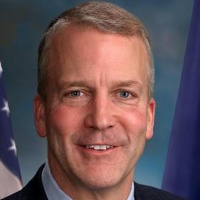
Dan Sullivan
Senator
AK
Dan Sullivan
Senator
AK
The Nikolas Hughey SAFE Homes for Kids Act aims to better support military families navigating the foster care system. It mandates specialized training for military counselors to become "foster care liaisons" knowledgeable about local foster care rules. Additionally, the bill requires Military OneSource to provide easily accessible, state-specific foster care information for service members.
This Act mandates that defense contractors provide the Department of Defense with fair and reasonable access to necessary repair parts, tools, and technical information for the equipment they supply.

Elizabeth Warren
Senator
MA
Elizabeth Warren
Senator
MA
The Warrior Right to Repair Act of 2025 mandates that defense contractors provide the Department of Defense (DoD) with fair and reasonable access to necessary repair parts, specialized tools, and technical information. This ensures the DoD can maintain and fix the equipment it purchases without being unduly reliant on the original manufacturer. The Act also requires the DoD to review existing contracts to remove intellectual property constraints hindering their self-repair capabilities. Finally, the Comptroller General must report to Congress on the implementation of these new repair access requirements.
The Resilient Transit Act of 2025 establishes new federal grants to help public transportation systems improve resilience against climate change impacts, while also updating definitions and authorizing increased funding levels.
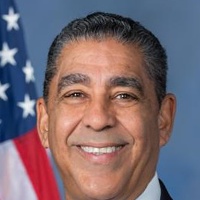
Adriano Espaillat
Representative
NY
Adriano Espaillat
Representative
NY
The Resilient Transit Act of 2025 establishes a new grant program to help public transportation agencies harden their systems against climate change impacts like flooding and extreme weather. These grants will fund specific resilience improvements, such as installing flood barriers and upgrading heat-vulnerable equipment. The bill also defines key vulnerable communities for priority consideration and mandates annual reporting on how the funds are used. Finally, it increases funding authorizations for related transportation programs.
This resolution officially congratulates the Louisiana State University Fighting Tigers baseball team for winning the 2025 NCAA Division I College World Series.
Bill Cassidy
Senator
LA
Bill Cassidy
Senator
LA
This resolution formally congratulates the Louisiana State University (LSU) Fighting Tigers baseball team for winning the 2025 NCAA Division I College World Series. It recognizes their undefeated performance in Omaha and celebrates the achievements of the players and coaching staff. The Senate is also honoring the dedication of LSU fans and the entire state in supporting the championship team.
The SAMS Act of 2025 codifies several existing Executive Orders related to critical minerals into permanent federal law.
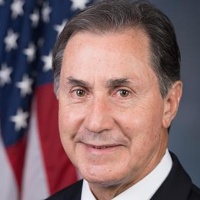
Gary Palmer
Representative
AL
Gary Palmer
Representative
AL
The SAMS Act of 2025 codifies several previous Executive Orders into permanent law, specifically focusing on policies related to critical minerals. This action elevates existing presidential directives concerning these vital resources to the full force and effect of statutory law. The bill ensures the long-term legal standing of established critical mineral supply chain strategies.
This resolution designates June 23, 2025, as "Social Media Harms Victim Remembrance Day" to honor those harmed or killed by social media and to promote online safety awareness.
Amy Klobuchar
Senator
MN
Amy Klobuchar
Senator
MN
This resolution officially designates June 23, 2025, as "Social Media Harms Victim Remembrance Day." The day is established to honor victims, survivors, and their families affected by the dangers of social media, including cyberbullying and exploitation. It encourages public awareness, education, and collaborative efforts to improve online safety and digital well-being.
This bill grants the President the authority to extend special legal privileges and immunities to CERN, the European Organization for Nuclear Research.
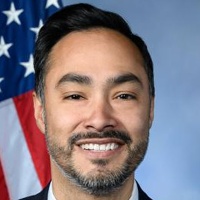
Joaquin Castro
Representative
TX
Joaquin Castro
Representative
TX
The Strengthening Science Through Diplomacy Act of 2025 grants the President the authority to extend special legal privileges and immunities to CERN (the European Organization for Nuclear Research). This action would align CERN's legal status in the U.S. with that of other international organizations with which the United States cooperates. The President will determine the specific terms and conditions of this extension.
This bill mandates the SEC to study, report on, and update its definition of "small entity" to ensure it accurately reflects current market conditions and covers a meaningful number of businesses.

Ann Wagner
Representative
MO
Ann Wagner
Representative
MO
The Small Entity Update Act mandates that the Securities and Exchange Commission (SEC) periodically study and update its definition of "small entity" for regulatory purposes. This process requires the SEC to report findings and recommendations to Congress to ensure the definition aligns with market growth and covers a meaningful number of businesses. Following these studies, the SEC must revise its rules and periodically adjust any associated dollar thresholds for inflation.
This bill allows DACA recipients to enlist in the Armed Forces and modernizes the naturalization process for non-citizens serving in the military.
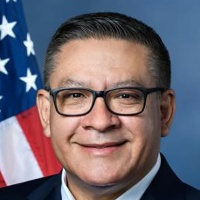
Salud Carbajal
Representative
CA
Salud Carbajal
Representative
CA
The Fight for the American Dream Act amends eligibility requirements to allow individuals with DACA status and an employment authorization document to enlist in the U.S. Armed Forces. The bill also modernizes and streamlines the naturalization process for non-citizens serving in the military by updating relevant sections of the Immigration and Nationality Act. These changes simplify service requirements and update terminology for military naturalization benefits.
This bill directs the U.S. Postal Service to assign single, unique ZIP Codes to 66 specific communities across the nation.

Lauren Boebert
Representative
CO
Lauren Boebert
Representative
CO
This bill directs the United States Postal Service (USPS) to assign a single, unique ZIP Code to 66 specific communities across numerous states. The USPS is required to complete this designation process within 270 days of the law's enactment. This measure aims to ensure these designated towns and areas each have their own distinct postal code.
This resolution congratulates the LSU Shreveport baseball team for achieving the first undefeated season in collegiate baseball history and winning the 2025 NAIA Baseball World Series.

John Kennedy
Senator
LA
John Kennedy
Senator
LA
This resolution congratulates the Louisiana State University Shreveport (LSU Shreveport) baseball team for achieving the first undefeated season in collegiate baseball history. It specifically recognizes their perfect 59-0 record and their victory in the 2025 National Association of Intercollegiate Athletics (NAIA) World Series. The measure also honors the team's top performers and Head Coach Brad Neffendorf for bringing significant pride to the university and the State of Louisiana.
This bill directs a study to analyze the direct and indirect costs associated with Initial Public Offerings (IPOs) for middle-market companies and compare them to alternative financing methods.
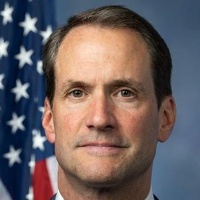
James Himes
Representative
CT
James Himes
Representative
CT
The Middle Market IPO Cost Act mandates a comprehensive study, led by the Comptroller General in coordination with the SEC and FINRA, to analyze the direct and indirect costs associated with Initial Public Offerings (IPOs) for small and medium-sized companies. This analysis will compare IPO expenses against alternative financing methods and assess the impact of these costs on capital formation and retail investors. The final report, due within 360 days, must include findings and recommendations for legislative or administrative changes.