Legislation
This bill aims to increase clarity and predictability in the FDA's process for switching prescription drugs to over-the-counter status through early meetings, new guidance, and stakeholder engagement.
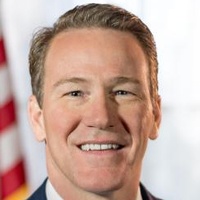
Jon Husted
Senator
OH
Jon Husted
Senator
OH
This bill aims to increase clarity and predictability for switching prescription drugs (Rx) to over-the-counter (nonprescription) status. It establishes new procedures, including early meetings with the FDA, and mandates the agency to issue clear guidance on the evidence required for these applications. Furthermore, the legislation requires a stakeholder engagement plan and a GAO report to review the current switch process and identify potential improvements.
This act expands the Work Opportunity Tax Credit for employers who hire veterans currently utilizing federal educational assistance benefits.

Jacky Rosen
Senator
NV
Jacky Rosen
Senator
NV
The Hire Student Veterans Act expands the Work Opportunity Tax Credit (WOTC) to incentivize employers for hiring veterans actively using federal educational assistance benefits. This legislation modifies eligibility requirements, allowing employers to claim the tax credit for hiring veterans utilizing benefits like the Post-9/11 GI Bill. Furthermore, it removes the standard minimum employment period requirement for these specific veteran hires, potentially allowing employers to claim the credit sooner.
This act amends regulations to clarify which passenger vessels qualify for coastwise endorsements, allowing travel between U.S. ports even with a stop at a foreign port.
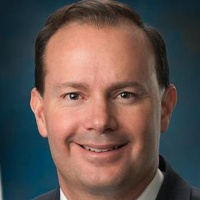
Mike Lee
Senator
UT
Mike Lee
Senator
UT
The Protecting Jobs in American Ports Act updates regulations governing which passenger vessels can operate between U.S. ports. This change clarifies that a ship can qualify for coastwise endorsement even if it makes a stop at a foreign port, provided the itinerary connects U.S. locations where coastwise laws apply. The bill aims to modernize rules for domestic passenger travel while ensuring compliance with all other applicable U.S. laws.
This Act establishes policies and financial incentives to lower remittance costs, encourage formal investment, and support the economic development of African and Caribbean diaspora communities.
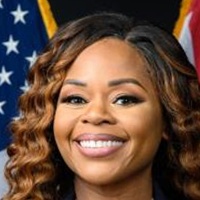
Sheila Cherfilus-McCormick
Representative
FL
Sheila Cherfilus-McCormick
Representative
FL
The African Diaspora Investment and Development Act (AIDA) aims to strengthen U.S. relationships with African and Caribbean nations by empowering diaspora communities. The bill focuses on lowering the high costs of sending remittances, encouraging formal diaspora investment through new financial tools, and providing tax incentives for sending money home for essential needs. Ultimately, AIDA seeks to treat the millions of diaspora members as strategic economic partners to foster development across Africa and the Caribbean.
This act bans the use of specific artificial food dyes, including Red No. 40 and Yellow No. 5, in food products starting in 2027.
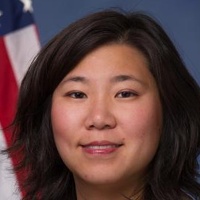
Grace Meng
Representative
NY
Grace Meng
Representative
NY
The Ban Harmful Food Dyes Act prohibits the use of several specific artificial food color additives, including Red No. 40 and Yellow No. 5, in food products. Beginning in 2027, any food containing these banned dyes will be deemed adulterated under federal law. This legislation aims to remove these specific color additives from the food supply.
This bill officially designates specific segments of the Gallatin, Madison, and Yellowstone River tributaries in Montana as components of the National Wild and Scenic Rivers System to protect their natural qualities while preserving existing water rights and infrastructure operations.
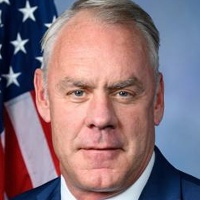
Ryan Zinke
Representative
MT
Ryan Zinke
Representative
MT
The Greater Yellowstone Recreation Enhancement And Tourism Act seeks to protect vital sections of the Gallatin, Madison, and Yellowstone Rivers, along with several tributaries in Montana, by designating them as components of the National Wild and Scenic Rivers System. This designation aims to preserve the clean water, recreational opportunities, and ecological value of these cherished rivers for future generations. The bill explicitly ensures that private property rights, existing water rights, and the operation of current infrastructure like the Hebgen and Madison Dams will not be negatively affected by these new protections.
The SEEK HELP Act provides federal Good Samaritan protections for individuals who administer overdose reversal drugs or seek medical assistance during a drug overdose, while also funding public awareness campaigns and mandating a GAO study on the effectiveness of these protections.
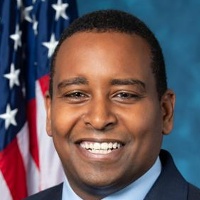
Joe Neguse
Representative
CO
Joe Neguse
Representative
CO
The Samaritan Efforts to Ensure Key Health Emergency and Life-saving Protections Act (SEEK HELP Act) establishes federal Good Samaritan protections for individuals who administer opioid overdose reversal drugs or seek medical help during an overdose. It shields these individuals from civil liability and certain criminal prosecution related to controlled substance possession when seeking aid. Furthermore, the Act mandates public awareness campaigns and a comprehensive GAO study to evaluate the effectiveness of these overdose protection laws across the states.
This bill prohibits the Department of Transportation from using, procuring, or contracting for LiDAR technology originating from specified foreign adversaries.
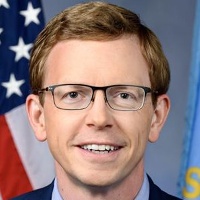
Dusty Johnson
Representative
SD
Dusty Johnson
Representative
SD
The Securing Infrastructure from Adversaries Act of 2025 prohibits the Department of Transportation (DOT) from procuring or contracting for the use of certain foreign-made LiDAR technology identified in related defense legislation. This ban applies to purchases, contracts, and the use of federal loan or grant funds for this restricted technology, generally beginning in mid-2026. The Secretary of Transportation may only waive this prohibition if it is certified to be in the national interest of the United States. Certain safety testing and regulatory exemption activities remain exempt from these restrictions.
This act repeals the prohibition on Medicaid payments to certain healthcare entities and mandates retroactive payment for services already rendered under the repealed ban.
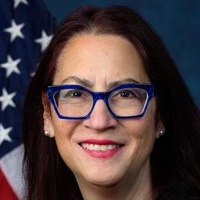
Laura Friedman
Representative
CA
Laura Friedman
Representative
CA
The Restoring Essential Healthcare Act repeals an outdated ban that prevented Medicaid from making payments to certain healthcare providers. This legislation ensures that these previously prohibited entities will now be reimbursed for medical services rendered between the enactment of the original ban and the passage of this Act. In short, it restores payment eligibility and retroactively covers past services.
The FAIR Act removes the existing restriction on how the Federal Reserve handles earnings on certain reserve balances, effective 180 days after enactment.
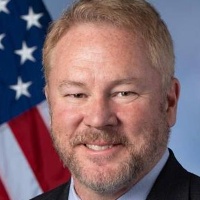
Warren Davidson
Representative
OH
Warren Davidson
Representative
OH
The FAIR Act, or Fiscal Accountability for Interest on Reserves Act, modifies how the Federal Reserve handles earnings on certain balances held by its banks. This legislation specifically removes a previous restriction regarding these earnings. The change will take effect 180 days after the Act is signed into law.
This bill requires the District of Columbia to allow Members of Congress with valid concealed carry permits from their home states to carry concealed firearms within the District.
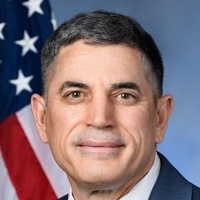
Andrew Clyde
Representative
GA
Andrew Clyde
Representative
GA
This bill would require the District of Columbia to recognize valid concealed carry permits or the legal right to carry a concealed firearm held by Members of Congress from their home states. Specifically, it allows Senators, Representatives, Delegates, and Resident Commissioners to carry a concealed firearm in D.C. provided they meet federal eligibility requirements and carry proper identification.
This bill ensures the continued strength and staffing of the United States Geological Survey (USGS) by exempting it from federal hiring freezes, workforce reductions, and certain property lease cancellations.

Debbie Dingell
Representative
MI
Debbie Dingell
Representative
MI
The Keep USGS Strong Act ensures the continued vital scientific work of the U.S. Geological Survey (USGS) by exempting it from federal hiring freezes and workforce reduction mandates. This legislation recognizes the USGS's critical role in monitoring natural hazards, managing water resources, and providing essential scientific data for public safety and resource management. The bill protects current staffing levels and property leases, safeguarding the agency's ability to serve the nation.
This Act establishes a legal remedy for service members wrongfully discharged due to non-compliance with the COVID-19 vaccination mandate, allowing them to seek back pay, service time restoration, and retirement benefits through the U.S. Court of Federal Claims.
Ryan Zinke
Representative
MT
Ryan Zinke
Representative
MT
The COVID-19 Military Backpay Act of 2025 establishes a legal remedy for service members discharged due to non-compliance with the COVID-19 vaccination mandate. Covered members can sue in the U.S. Court of Federal Claims if their discharge is deemed involuntary or unlawful. If successful, the court must award remedies including back pay for missed training, continuous service credit, and adjustments to retirement eligibility. This legislation ensures that service records and benefits are corrected as if the wrongful discharge never occurred.
The EATS Act of 2025 expands eligibility for SNAP benefits by removing previous restrictions for students enrolled at least half-time in recognized educational programs.
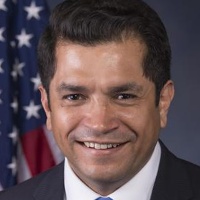
Jimmy Gomez
Representative
CA
Jimmy Gomez
Representative
CA
The EATS Act of 2025 significantly updates eligibility for the Supplemental Nutrition Assistance Program (SNAP) by removing previous restrictions that often disqualified students. This legislation explicitly includes bona fide students enrolled at least half-time in recognized educational programs as eligible participants for food assistance. These changes take effect on January 2, 2026.
This act establishes a strategic defense innovation partnership between the U.S. and Taiwan to boost defense technology collaboration, counter Chinese influence, and accelerate joint research and development in key areas.
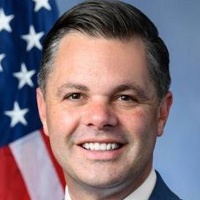
Zachary (Zach) Nunn
Representative
IA
Zachary (Zach) Nunn
Representative
IA
The U.S.-Taiwan Defense Innovation Partnership Act establishes a strategic partnership between the U.S. Department of Defense and Taiwan's defense agencies. This initiative aims to boost defense industry collaboration, accelerate joint research and development, and strengthen Taiwan's defense manufacturing capabilities. The partnership will focus on emerging technologies like AI, microchips, and drones to enhance security cooperation.
This Act codifies Executive Order 14267 into federal law, making its directives legally binding.
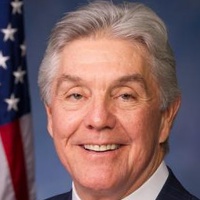
Roger Williams
Representative
TX
Roger Williams
Representative
TX
The Freedom to Compete Act of 2025 officially codifies Executive Order 14267 into federal law. This action elevates the directives and requirements of the Executive Order to the full authority of statute. The bill ensures the established rules carry the full weight of federal law moving forward.
The Easy Returns Act mandates that large retailers must include a pre-paid return shipping label with online orders for physical goods, unless an equally convenient return method is offered.
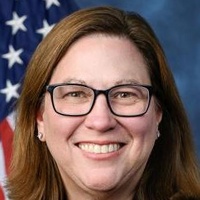
Julie Johnson
Representative
TX
Julie Johnson
Representative
TX
The Easy Returns Act mandates that large retailers (with 500+ employees) selling physical goods online must include a pre-paid return shipping label with the original shipment. This requirement aims to simplify the return process for consumers, unless the seller offers an equally convenient alternative return method. The FTC is tasked with establishing enforcement regulations for this new requirement, which takes effect one year after enactment.
The EACH Act of 2025 mandates that all federally funded health programs and facilities must cover and provide abortion services, while also prohibiting federal interference with private insurance coverage.
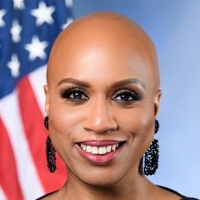
Ayanna Pressley
Representative
MA
Ayanna Pressley
Representative
MA
The EACH Act of 2025 aims to ensure equal access to abortion coverage by requiring all federally funded health programs and facilities to cover abortion services. This legislation prohibits federal interference with state or private insurance coverage of abortion and repeals Section 1303 of the Affordable Care Act. Ultimately, the bill seeks to eliminate financial and insurance barriers to abortion care, particularly for low-income individuals relying on programs like Medicaid.
This bill mandates the placement of a full-time, resident Nuclear Regulatory Commission inspector at permanently shut-down nuclear power plants to oversee decommissioning and spent fuel transfer activities.
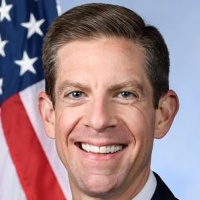
Mike Levin
Representative
CA
Mike Levin
Representative
CA
The INSPECT Act of 2025 mandates that the Nuclear Regulatory Commission (NRC) place a full-time, resident inspector at every permanently shut-down commercial nuclear power plant. This inspector will oversee the decommissioning process and the transfer of spent nuclear fuel into dry storage. The resident inspector remains on site until all spent fuel has been moved into secure dry canisters.
This bill directs the Air Force to integrate depot-level maintenance coordination planning into at least one annual multinational exercise within the U.S. Indo-Pacific Command area of operations with key allies.
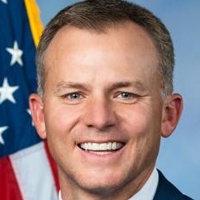
Blake Moore
Representative
UT
Blake Moore
Representative
UT
This bill directs the Secretary of the Air Force to integrate specific depot-level maintenance coordination planning into at least one annual multinational exercise within the U.S. Indo-Pacific Command area of operations. The goal is to enhance cooperation with key allies on deep repair work to improve logistical resilience and reduce shipping needs during contingencies. Furthermore, the Secretary must report to Congress on maintenance partnership progress specifically with Australia and the Republic of Korea.