Legislation
This act removes the qualified immunity defense that shields individual ICE agents from being personally sued for civil rights violations.

Shri Thanedar
Representative
MI
Shri Thanedar
Representative
MI
The Ending Qualified Immunity for ICE Agents Act removes the special legal protection known as qualified immunity for Immigration and Customs Enforcement (ICE) agents in civil rights lawsuits. This change means ICE agents can be held personally liable when sued for allegedly violating an individual's constitutional rights. Consequently, agents will no longer be able to use "good faith" belief or unclear legal precedent as defenses against such claims.
The GO Ag Act establishes a competitive grant program, capped at \$100,000 per recipient, to fund the creation of new high school agricultural education programs through fiscal year 2028.
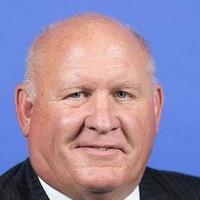
Glenn Thompson
Representative
PA
Glenn Thompson
Representative
PA
The Growing Opportunities in Agriculture Act (GO Ag Act) establishes a new competitive grant program to fund the creation of innovative, high-quality agricultural education programs in high schools. These grants, limited to $100,000 per entity, are intended to develop new curricula, support work-based learning, and fund leadership training. Recipients must report annually on program performance, with a total authorization of $5 million through FY 2028.
This act prohibits 501(c)(3) organizations from directly or indirectly funding state or local election administration.
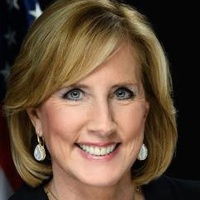
Claudia Tenney
Representative
NY
Claudia Tenney
Representative
NY
The Safeguarding Trust in Our Politics Act prohibits tax-exempt 501(c)(3) organizations from providing any direct or indirect funding for the administration of public office elections. This measure aims to prevent these organizations from financially supporting the mechanics of running elections at the state or local level. The restrictions take effect for tax years beginning after December 31, 2025.
This resolution expresses support for recognizing August 17-23, 2025, as "Warehouse Worker Recognition Week" to honor the essential contributions and acknowledge the difficult conditions faced by logistics industry workers.
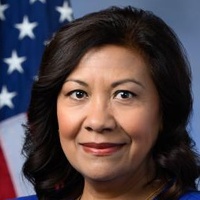
Norma Torres
Representative
CA
Norma Torres
Representative
CA
This resolution expresses strong support for recognizing August 17 through August 23, 2025, as "Warehouse Worker Recognition Week." It honors the critical role over 1.8 million warehouse workers play in the national supply chain and economy. Furthermore, the resolution acknowledges the demanding and often hazardous working conditions these essential employees face.
This resolution celebrates Bruce Springsteen's life, career, and the 50th anniversary of his landmark album, *Born to Run*.
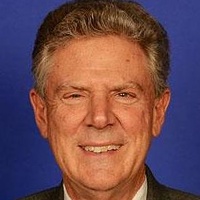
Frank Pallone
Representative
NJ
Frank Pallone
Representative
NJ
This resolution celebrates the 50th anniversary of Bruce Springsteen's iconic album, *Born to Run*, recognizing his profound impact on American music and New Jersey culture. It highlights his extensive career achievements, numerous awards, and national honors. The bill serves as a formal commendation of Springsteen and the E Street Band without enacting any new laws. It also encourages continued federal support for the arts.
This resolution formally condemns Representative Delia Ramirez's statement prioritizing allegiance to Guatemala over the United States, affirming that U.S. representatives must put American interests first.
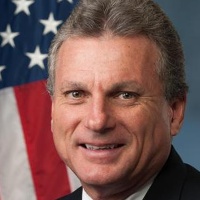
Earl Carter
Representative
GA
Earl Carter
Representative
GA
This resolution formally condemns Representative Delia Ramirez of Illinois for remarks suggesting allegiance to the Republic of Guatemala over the United States. Congress expresses concern that such statements conflict with a representative's oath to prioritize the interests and well-being of their American constituents. The action serves as a formal disapproval, affirming that the loyalty of elected officials must remain solely with the United States.
This bill restricts the travel within New York City for officials from Iran, designated Foreign Terrorist Organizations, and non-member UN organizations attending United Nations meetings.
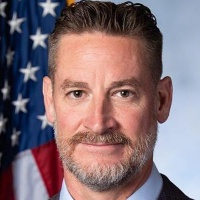
W. Steube
Representative
FL
W. Steube
Representative
FL
The Limiting Extremist Travel to the United Nations Act imposes strict travel conditions on certain foreign officials attending UN meetings in New York City. These restrictions specifically target officials from Iran, those linked to Foreign Terrorist Organizations (FTOs), and representatives from non-member UN organizations. The bill severely limits the movement of Iranian and FTO-linked officials to direct routes between airports, the UN, and their lodging, while others are restricted to a 25-mile radius and banned from educational institutions.
This Act establishes a process for reporting on and creating a plan to mitigate the cybersecurity and national security risks posed by future cryptographically-relevant quantum computers.
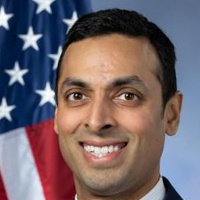
Suhas Subramanyam
Representative
VA
Suhas Subramanyam
Representative
VA
The Quantum Encryption Readiness and Resilience Act mandates a comprehensive review of the cybersecurity and national security risks posed by advanced quantum computers. It requires the establishment of a detailed risk mitigation plan focusing on the adoption of post-quantum cryptography across federal agencies and critical economic sectors. The bill also directs regular follow-up reports to Congress tracking the progress of these essential security upgrades.
The AIRFARE Act establishes an expedited TSA system allowing caregivers to receive gate passes to accompany minors or passengers needing assistance directly to their departing flights.
W. Steube
Representative
FL
W. Steube
Representative
FL
The AIRFARE Act establishes a system to expedite gate passes and security access for caregivers accompanying minors or passengers needing assistance to their departing flights. This requires the TSA to create procedures allowing up to two designated helpers to walk these individuals directly to the gate. The system aims to streamline the process for family members and guardians needing to provide essential support at the airport.
This act establishes a new Medicare payment category and designation criteria for hospitals specializing in long-term care for catastrophic spinal cord and acquired brain injuries.
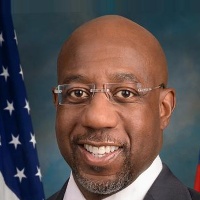
Raphael Warnock
Senator
GA
Raphael Warnock
Senator
GA
The Catastrophic Specialty Hospital Act of 2025 establishes a new designation for hospitals specializing in long-term care for severe injuries like spinal cord or acquired brain injuries. This designation exempts qualifying hospitals from standard Medicare payment rules, implementing a new payment structure tailored to their specialized services. Hospitals must meet strict criteria regarding patient volume, continuum of care, and research commitment to receive and maintain this three-year designation.
This Act mandates detailed annual reporting by the State Department on the status of reproductive rights, access to care, and related coercion globally, framing these issues as fundamental human rights.
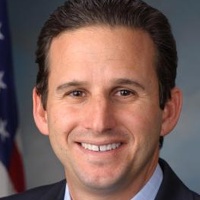
Brian Schatz
Senator
HI
Brian Schatz
Senator
HI
The Reproductive Rights Are Human Rights Act of 2025 asserts that access to sexual and reproductive healthcare is a fundamental human right, citing international agreements. This bill mandates that the U.S. Secretary of State comprehensively detail the status of reproductive rights, including access to contraception, abortion care, and freedom from coercion, in the annual Country Reports on Human Rights Practices. Furthermore, it requires detailed reporting on disparities in reproductive health outcomes based on identity, such as race, sexual orientation, or disability. The Act emphasizes the need to hold governments accountable for denying these essential health services globally.
This Act establishes a new federal program to provide dedicated, long-term funding to states for improving election administration, security, and accessibility, overseen by a new federal office.
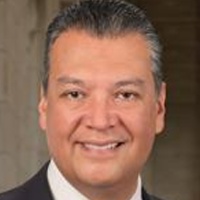
Alejandro Padilla
Senator
CA
Alejandro Padilla
Senator
CA
The Sustaining Our Democracy Act establishes a new federal program to provide annual funding to states specifically for improving election administration, security, and accessibility. This funding is sourced from a dedicated Trust Fund and administered by a new federal office. States must submit detailed plans outlining how they will use the money for upgrades like cybersecurity and expanded voting options, while being prohibited from using funds for voter intimidation or other prohibited activities.
This Act strengthens the Office of Credit Risk Management's oversight, enforcement, and annual risk reporting for the 504 loan program while clarifying environmental compliance procedures for Certified Development Companies.

Todd Young
Senator
IN
Todd Young
Senator
IN
The 504 Credit Risk Management Improvement Act of 2025 strengthens the oversight of the 504 loan program by granting the Office of Credit Risk Management new authority to supervise Certified Development Companies (CDCs). This includes mandatory file reviews, the ability to impose enforcement actions and civil penalties for violations, and the requirement for an annual risk analysis report to Congress. Furthermore, the bill mandates the SBA to establish clear procedures for CDCs to comply with existing National Environmental Policy Act requirements.
This Act reduces local matching fund requirements and prioritizes technical assistance and application approval for USDA grants benefiting governments within High-Density Public Land Counties.
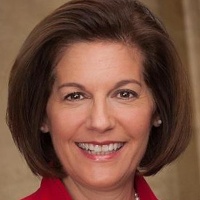
Catherine Cortez Masto
Senator
NV
Catherine Cortez Masto
Senator
NV
The MORE USDA Grants Act aims to boost economic opportunities in rural areas, specifically targeting counties with significant federal land ownership and low populations. This bill lowers the required local matching funds by 50% for qualifying USDA grants in these designated areas. It also mandates priority consideration and enhanced technical assistance for grant applications submitted by local and Tribal governments within these counties. Furthermore, the Secretary of Agriculture is empowered to offer flexibility in grant scoring and requirements that disadvantage smaller, isolated communities.
The RECHARGE Act mandates the installation of electric vehicle charging stations at rest areas along the Interstate Highway System to alleviate range anxiety.

Jeff Merkley
Senator
OR
Jeff Merkley
Senator
OR
The RECHARGE Act mandates the installation of electric vehicle (EV) charging stations at rest areas along the Interstate Highway System. This legislation ensures access to necessary charging infrastructure to alleviate range anxiety for EV drivers. It clarifies that this allowance is strictly for EV charging and does not open rest areas to general commercial activity.
This Act establishes a new Community-based Refugee Reception Program allowing vetted citizen groups to directly sponsor and provide initial resettlement services for refugees admitted to the U.S. outside of standard quotas.

Christopher Murphy
Senator
CT
Christopher Murphy
Senator
CT
The Community-based Refugee Reception Act of 2025 establishes a new program allowing vetted community sponsorship groups to directly refer and resettle refugees, supplementing existing federal efforts. This initiative aims to expand citizen involvement in welcoming refugees and supporting their initial 90 days of settlement. Refugees admitted through this community sponsorship track will not count against the annual numerical cap of the U.S. Refugee Admissions Program. The Act mandates the creation of training and support systems for these local groups while ensuring refugees maintain access to all other eligible public benefits.
This bill prohibits workforce reductions and hiring freezes at public naval shipyards to protect essential jobs and operational capacity.
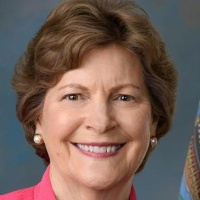
Jeanne Shaheen
Senator
NH
Jeanne Shaheen
Senator
NH
The Protecting Public Naval Shipyards Act of 2025 aims to secure the jobs at vital public naval shipyards by prohibiting workforce reductions and hiring freezes. This legislation specifically protects essential roles, including welders, engineers, and nuclear maintenance staff, from budget-driven cuts. The Act ensures the stability of the shipyard workforce while preserving the Secretary of Defense's authority to address individual employee performance or misconduct.
This bill strengthens global anti-trafficking efforts through foreign policy integration, increases federal funding authorizations for victim protection programs, and mandates greater Congressional oversight of the State Department's annual trafficking report and waiver decisions.

James Risch
Senator
ID
James Risch
Senator
ID
The International Trafficking Victims Protection Reauthorization Act of 2025 strengthens global anti-trafficking efforts by integrating these measures into U.S. foreign policy and development aid. It extends and increases authorization for federal programs combating trafficking and child exploitation through 2030. Furthermore, the bill mandates increased transparency by requiring the State Department to immediately brief Congress on the annual Trafficking in Persons Report rankings and any granted anti-trafficking waivers.
This Act mandates that transportation safety standards allow organizations to implement flexible, risk-based approaches to compliance.
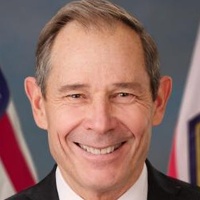
John Curtis
Senator
UT
John Curtis
Senator
UT
The Modern Risk Detection Act of 2025 mandates that transportation safety standards allow organizations to implement risk-based approaches when meeting regulatory requirements. This shifts the focus from rigid, one-size-fits-all rules to methods that prioritize managing specific, identified risks. The goal is to encourage the use of risk-based concepts in achieving overall safety compliance.
This bill, the DOCTORS Act, establishes a process for redistributing unused J-1 visa residency requirement waivers from states that did not utilize their full allotment to other eligible states.

Joni Ernst
Senator
IA
Joni Ernst
Senator
IA
The DOCTORS Act, or the Directing Our Country’s Transfer of Residency Slots Act, establishes a new system for reallocating unused J-1 visa residency requirement waivers among states. Starting in 2026, states must report unused waivers annually, which the Secretary of State will then redistribute to eligible states for the following year. A portion of these reallocated waivers must be used to staff facilities serving medically underserved areas.