Legislation
This Act mandates transparency for digital labor platforms regarding algorithmic decision-making and electronic monitoring, caps platform take rates, ensures detailed pay disclosures, and establishes strong enforcement mechanisms and worker protections.
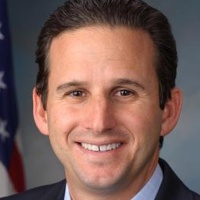
Brian Schatz
Senator
HI
Brian Schatz
Senator
HI
The Empowering App-Based Workers Act aims to increase transparency and accountability for digital labor platforms by requiring detailed disclosures about electronic monitoring, automated decision-making, and pay calculations. The bill establishes strict limits on platform "take rates" for ride-hailing services and prohibits the use of personal data to unfairly set compensation. Furthermore, it grants app-based workers new enforcement rights, including the ability to sue for violations and invalidates pre-dispute arbitration clauses.
This bill strengthens advocacy for long-term care residents by updating volunteer training standards, ensuring the Director of the Ombudsman Programs is a full-time position, and commissioning a study on the effectiveness of state Ombudsman programs.
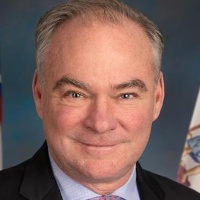
Timothy Kaine
Senator
VA
Timothy Kaine
Senator
VA
The Strengthening Advocacy for Long-Term Care Residents Act aims to improve support for residents in long-term care facilities. This bill updates volunteer training standards for the Long-Term Care Ombudsman Program to ensure relevance and efficiency. It also mandates that the Director of the Office of Long-Term Care Ombudsman Programs serve in a full-time capacity. Finally, the Act calls for a comprehensive study on the effectiveness and staffing ratios of state Ombudsman programs.
This bill establishes a federal tax credit for investments made in projects that mitigate natural disaster risks to qualifying working waterfront properties.
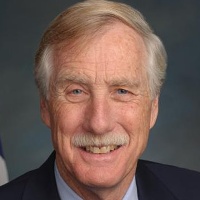
Angus King
Senator
ME
Angus King
Senator
ME
The Working Waterfront Disaster Mitigation Tax Credit Act establishes a new federal tax credit for investments made to protect waterfront businesses from natural disasters. This credit equals 30% of qualified investments in eligible mitigation projects, subject to an annual cap of $300,000 per taxpayer. Qualifying projects must utilize specific hazard reduction techniques to protect property used for water-dependent commercial activities.
This Act adjusts maritime regulations, including exemptions from the PVSA and Jones Act for very large passenger vessels, and modifies temporary landing procedures for alien crewmen.
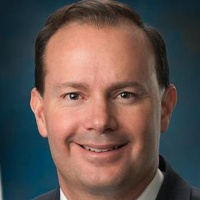
Mike Lee
Senator
UT
Mike Lee
Senator
UT
The Safeguarding American Tourism Act adjusts existing maritime laws, primarily exempting very large passenger vessels (800+ berths) from certain requirements under the Passenger Vessel Safety Act and the Jones Act regarding crewing and citizenship. Additionally, the bill clarifies the discretionary authority of officers regarding temporary landing permits for alien crewmen. This legislation ensures that these exemptions do not override other applicable U.S. laws governing coastwise trade.
This bill reauthorizes and extends funding for key addiction and recovery justice grant programs through fiscal year 2030.

Sheldon Whitehouse
Senator
RI
Sheldon Whitehouse
Senator
RI
The Comprehensive Addiction and Recovery Justice Grant Reauthorization Act extends the authorization period for key addiction and recovery justice programs. This legislation removes previous funding caps and extends the program authorization from 2023 to 2030. This ensures continued federal support for vital community-based justice initiatives addressing substance use disorders.
This bill establishes comprehensive reproductive and fertility preservation assistance for active-duty service members and expands fertility treatment and adoption support for eligible veterans.
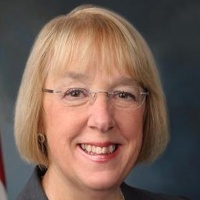
Patty Murray
Senator
WA
Patty Murray
Senator
WA
The Veteran Families Health Services Act of 2025 expands reproductive and fertility preservation assistance for active-duty service members and provides comprehensive fertility treatment and adoption support for eligible veterans through the VA. This bill mandates coverage for fertility services, including IVF, regardless of marital status or sexual orientation, for both current service members and veterans. It also requires proactive measures, such as pre-deployment material preservation for service members and seamless care coordination between the DoD and VA.
This Act mandates reporting on the U.S. DOGE Service's data access across federal systems and requires the Comptroller General to audit the security of DOGE and other key federal agency IT infrastructure.
Sheldon Whitehouse
Senator
RI
Sheldon Whitehouse
Senator
RI
The Pick Up After Your DOGE Act mandates that the U.S. DOGE Service report all its data access activities across other federal systems to Congress and the GAO. Furthermore, the Comptroller General is tasked with conducting security audits of the DOGE Service's systems and prioritizing reviews of high-impact agencies like Social Security and HHS. Agencies receiving audit reports must swiftly address identified vulnerabilities and report back on their remediation efforts.
This Act repeals certain Passenger Vessel Safety Act requirements and adjusts Jones Act regulations to create exceptions for passenger vessels operating between U.S. ports, even with foreign stops.
Mike Lee
Senator
UT
Mike Lee
Senator
UT
The Open America's Ports Act significantly reforms maritime regulations by repealing domestic requirements under the Passenger Vessel Safety Act (PVSA). This legislation creates specific exemptions to the Jones Act requirements for vessels transporting passengers between U.S. ports, even if the itinerary includes a foreign stop. The bill also adjusts citizenship and crew requirements for these specified passenger vessels. Finally, it includes conforming amendments to ensure consistency across related maritime laws.
The EATS Act of 2025 revises the definition of a "bona fide student" for SNAP eligibility and removes specific restrictions on student participation in the program, effective January 2, 2026.

Kirsten Gillibrand
Senator
NY
Kirsten Gillibrand
Senator
NY
The EATS Act of 2025 revises eligibility rules for students seeking Supplemental Nutrition Assistance Program (SNAP) benefits by clarifying the definition of a "bona fide student." This legislation removes specific restrictions that previously barred many higher education students from receiving SNAP. The changes, including technical renumbering of relevant sections, will take effect on January 2, 2026.
The CAP Act of 2025 eliminates the exemption for H-1B nonimmigrants employed by institutions of higher education from the annual numerical visa limitations.
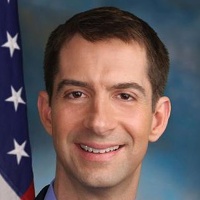
Tom Cotton
Senator
AR
Tom Cotton
Senator
AR
The CAP Act of 2025 eliminates the special exemption that allowed institutions of higher education to hire H-1B visa holders outside of the annual numerical cap. Under this new law, H-1B workers employed by colleges and universities will now be subject to the same annual numerical limits and lottery system as all other H-1B applicants. This change standardizes the process for foreign nationals seeking employment in higher education roles.
This Act requires the Treasury Secretary and OMB to annually assess the federal government's financial risks and impacts from major national or international emergencies in the existing fiscal report.
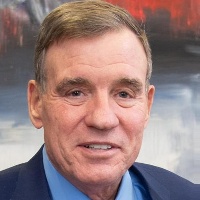
Mark Warner
Senator
VA
Mark Warner
Senator
VA
The Fiscal Contingency Preparedness Act mandates that the Secretary of the Treasury, in coordination with the OMB, must now include an analysis of potential financial risks to the federal government from major national or international emergencies in their annual fiscal report. This new requirement forces an examination of the short-term and long-term financial impacts of various crises, such as recessions, pandemics, or cyber attacks. The Government Accountability Office (GAO) will review the initial analysis to ensure the methodology is sound.
This Act establishes a federal funding mechanism to mandate and support states in setting and achieving minimum living wages and salaries for all school paraprofessionals and support staff.
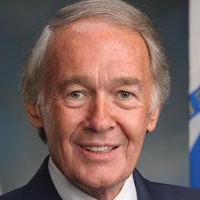
Edward Markey
Senator
MA
Edward Markey
Senator
MA
The Pay Paraprofessionals and Support Staff Act establishes a new federal funding stream to mandate that states set and meet minimum living wage standards for all school paraprofessionals and support staff. This legislation sets baseline minimum salaries and hourly wages, which increase with experience and are adjusted for inflation after 2030. States must apply for funding and create a four-year plan to ensure all local districts comply with these new pay requirements, using federal funds to supplement, not supplant, existing local education budgets.
This act grants the NCUA Board the authority to determine which credit unions are eligible to be agents within a Federal Credit Union's agent group.
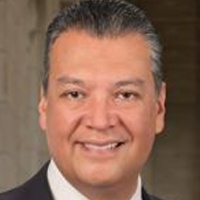
Alejandro Padilla
Senator
CA
Alejandro Padilla
Senator
CA
The NCUA Central Liquidity Facility Enhancements Act grants the NCUA Board the authority to determine which credit unions are eligible to serve as agents within an agent group. This change updates existing law by replacing a specific list of eligible credit unions with broader discretionary power for the Board.
This act officially renames the Africa Center for Strategic Studies to the James M. Inhofe Africa Center for Strategic Studies.
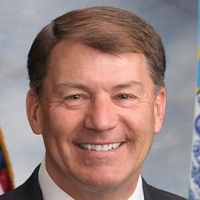
Mike Rounds
Senator
SD
Mike Rounds
Senator
SD
The Chairman James Mountain Inhofe Recognition Act of 2025 officially renames the Africa Center for Strategic Studies. This act ensures that the center will now be known as the James M. Inhofe Africa Center for Strategic Studies across all federal documents and records.
The Equal Shot Act of 2025 prohibits the Small Business Administration from denying financial assistance to qualified firearm entities, affiliates, or trade associations solely based on their connection to the firearms industry.

James Risch
Senator
ID
James Risch
Senator
ID
The Equal Shot Act of 2025 aims to prevent discrimination against businesses within the firearms industry when applying for financial assistance from the Small Business Administration (SBA). This legislation explicitly prohibits the SBA from denying loans or guarantees solely based on an applicant's status as a firearm entity, affiliate, or trade association. The Act first establishes clear definitions for these industry participants to ensure fair and equal consideration for all qualified applicants.
This Act establishes national, standardized phrases—"BEST If Used By" for quality and "USE By" for discard—for food date labeling to clarify product freshness and safety.
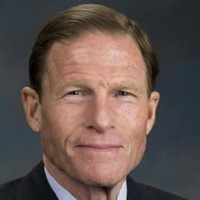
Richard Blumenthal
Senator
CT
Richard Blumenthal
Senator
CT
The Food Date Labeling Act of 2025 establishes national standards for food date labeling, requiring manufacturers to use specific phrases like "BEST If Used By" for quality dates and "USE By" for discard dates. This legislation clarifies the meaning of these dates for consumers and prevents states from creating conflicting terminology. The new labeling requirements will take effect two years after the bill is enacted.
This Act establishes federal research, grant programs for states, and reporting requirements to improve the early detection, intervention, and treatment of uterine fibroids.

Angela Alsobrooks
Senator
MD
Angela Alsobrooks
Senator
MD
The Uterine Fibroid Intervention and Gynecological Health Treatment Act of 2025 aims to improve outcomes for those affected by uterine fibroids. This legislation mandates federal research into early detection and intervention strategies for fibroids. It also establishes grant programs for states to enhance screening, treatment access, and public awareness regarding these conditions. Finally, the Act requires regular reporting to Congress on the progress and findings from the funded research and programs.
The Medicaid Bump Act establishes a temporary 90% federal matching rate for state spending increases on Medicaid behavioral health services, provided states meet supplement and service improvement requirements.

Tina Smith
Senator
MN
Tina Smith
Senator
MN
The Medicaid Bump Act establishes a temporary, higher federal matching rate of 90% for state spending increases on Medicaid behavioral health services above a specified baseline. To qualify for this enhanced funding, states must ensure the new federal dollars supplement existing state spending and are used to improve service delivery, such as raising provider payment rates. The bill also mandates that the Secretary of HHS issue guidance defining covered services and submit an annual report to Congress detailing state payment rates and utilization data for these services.
The Safe Response Act updates first responder training by expanding covered medical tools, revising substance terminology, and increasing program funding through 2030.

Tammy Baldwin
Senator
WI
Tammy Baldwin
Senator
WI
The Safe Response Act updates the First Responder Training Program to broaden the scope of medical tools covered and modernize terminology related to Native American governing bodies. It revises the focus of drug training by removing the specific term "opioid" while expanding coverage to include "other drug" in overdose response training. Crucially, the bill significantly increases the annual funding for this program from \$36 million to \$57 million for fiscal years 2026 through 2030.
This bill repeals provisions of a previous act that altered Medicaid cost-sharing requirements and created an exclusion for orphan drugs under the Drug Price Negotiation Program.
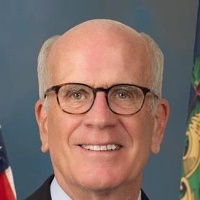
Peter Welch
Senator
VT
Peter Welch
Senator
VT
The Repealing the Trump Sick Tax Act aims to reverse previous legislative changes affecting Medicaid and drug pricing. Specifically, it eliminates prior modifications to Medicaid cost-sharing requirements and repeals changes concerning the exclusion of orphan drugs from the Drug Price Negotiation Program. This effectively restores the original rules governing these areas under the Social Security Act.