Legislation
This resolution condemns socialism in all its forms while reaffirming support for election security measures, including the requirement that only U.S. citizens participate in American elections.
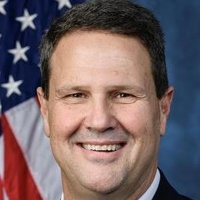
Jeff Crank
Representative
CO
Jeff Crank
Representative
CO
This resolution formally condemns socialism in all its forms, asserting that its ideology is incompatible with American values and the U.S. Constitution. It reaffirms the necessity of secure, citizen-only elections and calls for the enactment of the SAVE America Act to prevent noncitizen voting and strengthen election integrity.
This resolution reaffirms the United States' commitment to a strong, enduring partnership with the Pacific Islands Forum to promote regional stability, economic prosperity, and disaster resilience.
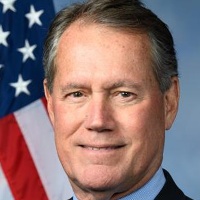
Ed Case
Representative
HI
Ed Case
Representative
HI
This resolution reaffirms the United States' commitment to its enduring partnership with the Pacific Islands Forum (PIF) to promote regional stability, security, and prosperity. It recognizes the PIF as the premier organization for Pacific cooperation and pledges continued U.S. support for Pacific-led initiatives, including disaster resilience, economic development, and maritime security. The bill further encourages ongoing high-level diplomatic engagement to advance a shared vision for a peaceful and resilient Blue Pacific.
This resolution declares an unconditional war on racism and invidious discrimination and mandates the creation of a Cabinet-level Department of Reconciliation to implement a comprehensive national strategy for their elimination.
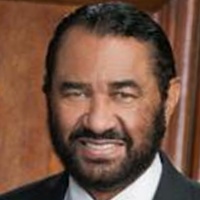
Al Green
Representative
TX
Al Green
Representative
TX
This resolution declares an unconditional war on racism and invidious discrimination, committing Congress to the comprehensive elimination of these systemic issues across all facets of American life. It mandates the establishment of a Cabinet-level Department of Reconciliation, tasked with developing a national strategy and receiving dedicated funding to ensure long-term progress.
This bill imposes significant tax penalties and potential loss of tax-exempt status on 501(c) organizations that use funds from foreign nationals to contribute to political entities.
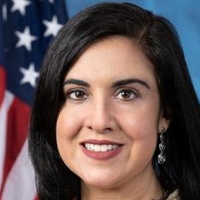
Nicole Malliotakis
Representative
NY
Nicole Malliotakis
Representative
NY
The Stopping Foreign Influence in Elections Act of 2026 aims to prevent foreign money from entering U.S. elections by imposing strict financial penalties on tax-exempt organizations that contribute to political entities after receiving foreign donations. Under this bill, organizations that violate these rules face significant excise taxes and the potential loss of their tax-exempt status.
The Foreign Funding Transparency Act requires tax-exempt organizations meeting specific financial thresholds to disclose annual contributions received from foreign sources.
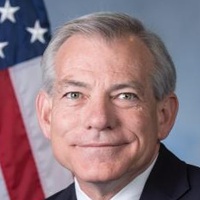
David Schweikert
Representative
AZ
David Schweikert
Representative
AZ
The Foreign Funding Transparency Act requires certain tax-exempt organizations to disclose contributions received from foreign sources on their annual tax returns. Under this legislation, organizations meeting specific financial thresholds must report total foreign contributions, broken down by the donor's country of origin. This measure aims to increase transparency regarding foreign financial influence within tax-exempt entities.
The Local Access to Courts Act of 2026 establishes College Station, Texas, and El Centro, California, as additional locations for holding federal district court sessions.
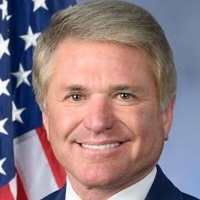
Michael McCaul
Representative
TX
Michael McCaul
Representative
TX
The Local Access to Courts Act (LACA) of 2026 expands federal judicial accessibility by establishing new court locations in College Station, Texas, and El Centro, California. This legislation amends existing federal law to require the U.S. District Courts in these regions to hold sessions in these additional cities, reducing travel burdens for local residents and legal professionals.
This bill authorizes a land exchange between the Stanislaus National Forest and Yosemite National Park to improve administrative management of approximately 330 acres in Tuolumne County, California.
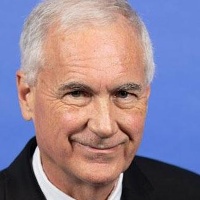
Tom McClintock
Representative
CA
Tom McClintock
Representative
CA
This bill authorizes a land exchange between the U.S. Forest Service and the National Park Service in Tuolumne County, California. By transferring approximately 160 acres to Yosemite National Park and 170 acres to the Stanislaus National Forest, the legislation aims to improve administrative efficiency and land management. The act also provides provisions for minor boundary adjustments and ensures that all existing land rights and permits remain protected.
This bill officially designates the Christiansted Bandstand at the Christiansted National Historic Site in St. Croix as the "Peter G. Thurland, Sr. Bandstand."
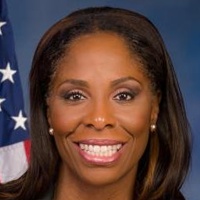
Stacey Plaskett
Representative
VI
Stacey Plaskett
Representative
VI
This bill officially designates the Christiansted Bandstand at the Christiansted National Historic Site in St. Croix, U.S. Virgin Islands, as the "Peter G. Thurland, Sr. Bandstand." All future federal references to this landmark will reflect this new name.
The Northeast Lobsterman Protection Act of 2026 extends the expiration date of specific North Atlantic right whale regulations from 2028 to 2035.
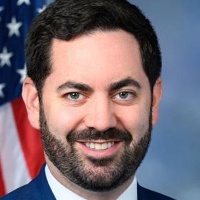
Michael Lawler
Representative
NY
Michael Lawler
Representative
NY
The Northeast Lobsterman Protection Act of 2026 extends the current regulatory framework concerning North Atlantic right whale protections. By amending the Consolidated Appropriations Act of 2023, this bill pushes the expiration date for these specific regulations from 2028 to 2035.
This bill establishes a 15-day minimum notification period for emergency medical services received by Indians outside of the Indian Health Service system.
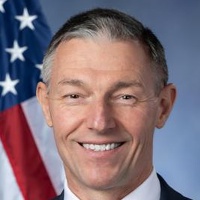
Mike Kennedy
Representative
UT
Mike Kennedy
Representative
UT
The Indian Health Service Emergency Claims Parity Act establishes a minimum 15-day notification period for Indians receiving emergency medical care from non-IHS providers. This legislation ensures consistent reporting timelines for emergency claims while preserving existing protections for elderly and disabled patients.
This bill streamlines geothermal energy development on federal lands by establishing categorical exclusions from certain environmental review requirements for specific exploration projects and activities.
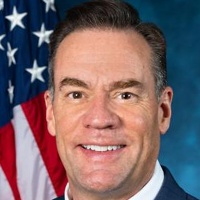
Russ Fulcher
Representative
ID
Russ Fulcher
Representative
ID
The Enhancing Geothermal Production on Federal Lands Act aims to accelerate geothermal energy development by streamlining the regulatory process for exploration projects on federal lands. The bill establishes specific criteria for "geothermal exploration projects" and "covered activities," exempting them from the requirement to prepare detailed environmental impact statements under the National Environmental Policy Act (NEPA). By implementing these categorical exclusions, the legislation seeks to reduce administrative hurdles and expedite the approval of geothermal energy exploration.
This bill expands the Bureau of Reclamation’s authority to develop hydropower projects at its facilities while modernizing regulatory processes and terminology to support rural economic growth.
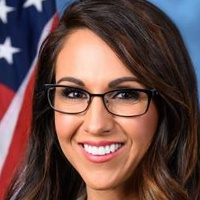
Lauren Boebert
Representative
CO
Lauren Boebert
Representative
CO
The Rural Jobs and Hydropower Expansion Act modernizes the Reclamation Project Act of 1939 to broaden the Bureau of Reclamation’s authority to develop hydropower across its facilities. By updating regulatory terminology and streamlining Federal Energy Regulatory Commission oversight, the bill aims to facilitate new energy projects and support economic growth in rural communities.
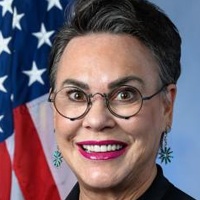
This bill renames the National Historic Trails Interpretive Center in Casper, Wyoming, as the "Barbara L. Cubin National Historic Trails Interpretive Center."
Harriet Hageman
Representative
WY
Harriet Hageman
Representative
WY
This bill officially renames the National Historic Trails Interpretive Center in Casper, Wyoming, to the "Barbara L. Cubin National Historic Trails Interpretive Center." It also mandates that all official federal records, maps, and documents be updated to reflect this new designation.
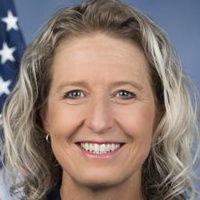
The Safe Beaches, Safe Swimmers Act authorizes the Secretary of the Interior to partner with local governments to address lifeguard staffing shortages at federal swimming areas and ensure visitor safety.
Jennifer Kiggans
Representative
VA
Jennifer Kiggans
Representative
VA
The Safe Beaches, Safe Swimmers Act authorizes the Secretary of the Interior to address lifeguard staffing shortages at federal swimming areas by partnering with local government agencies. Under this legislation, local lifeguards can be deployed to federal sites to ensure visitor safety, with the federal government providing full reimbursement for all reasonable costs incurred.
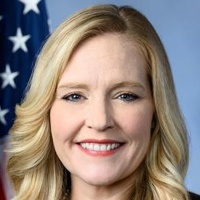
The Freedom of Association in Higher Education Act of 2026 prohibits colleges and universities that receive federal funding from taking adverse actions against students or organizations based on their participation in single-sex social groups.
Erin Houchin
Representative
IN
Erin Houchin
Representative
IN
The Freedom of Association in Higher Education Act of 2026 protects students and single-sex social organizations from adverse actions by colleges and universities that receive federal funding. The bill ensures that students can freely join or lead these organizations without facing institutional bias or discrimination based on their membership. It establishes clear standards to prevent schools from penalizing students or organizations solely for maintaining single-sex membership policies.
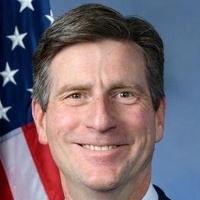
This bill elevates the leadership of the Indian Health Service by replacing the Director position with an Assistant Secretary for Indian Health who reports directly to the Secretary of Health and Human Services.
Greg Stanton
Representative
AZ
Greg Stanton
Representative
AZ
The Stronger Engagement for Indian Health Needs Act of 2025 elevates the leadership of the Indian Health Service by replacing the position of Director with an Assistant Secretary for Indian Health. This change ensures the agency head reports directly to the Secretary of Health and Human Services, streamlining administration and increasing the position's federal authority and pay classification.
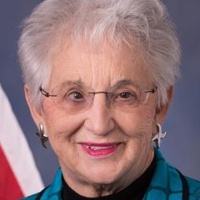
This bill mandates that higher education institutions receiving federal student aid or Title VI funding must refrain from participating in commercial boycotts of major U.S. strategic partners and ensure equitable academic collaboration with those nations.
Virginia Foxx
Representative
NC
Virginia Foxx
Representative
NC
The Protect Economic and Academic Freedom Act of 2026 mandates that higher education institutions maintain academic and commercial engagement with major U.S. strategic partners, specifically Israel, to remain eligible for federal student aid and Title VI funding. The bill prohibits institutions from participating in nonexpressive commercial boycotts against these partners and requires annual certification that they will not restrict academic exchanges or collaborative research. Failure to comply with these requirements results in the loss of federal funding.
This bill establishes a program to create regional strike teams within the U.S. Fish and Wildlife Service dedicated to the early detection, rapid response, and management of invasive species across the National Wildlife Refuge System.
Ed Case
Representative
HI
Ed Case
Representative
HI
The National Wildlife Refuge System Invasive Species Strike Team Act of 2025 establishes a dedicated program to identify and combat invasive species threats within and adjacent to National Wildlife Refuge lands. By creating specialized strike teams in every U.S. Fish and Wildlife Service region, the bill promotes early detection, rapid response, and collaborative habitat restoration. This initiative authorizes $10 million annually through 2033 to protect native ecosystems through improved management, research, and partnerships with local, state, and Tribal stakeholders.
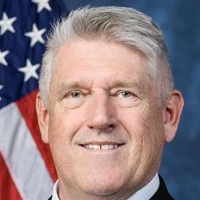
This legislation amends the Crow Tribe Water Rights Settlement Act of 2010 to update project definitions, restructure settlement funding, and extend the timeline for infrastructure development at the Yellowtail Dam.
Troy Downing
Representative
MT
Troy Downing
Representative
MT
The Crow Tribe Water Rights Settlement Amendments Act of 2025 updates the 2010 settlement to refine water infrastructure project definitions and establish a dedicated MRI Projects Account. This legislation provides the Crow Tribe with greater flexibility to manage funds for water-related infrastructure and land acquisition while extending the timeline for specific projects at the Yellowtail Dam.
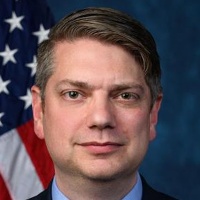
This Act clarifies the legal sale of authentic Alaska Native handicrafts containing migratory bird parts by establishing formal bilateral procedures and updated regulatory guidelines.
Nicholas Begich
Representative
AK
Nicholas Begich
Representative
AK
The Archie Cavanaugh Migratory Bird Treaty Clarification Act seeks to establish clear legal procedures for the sale of authentic Alaska Native handicrafts containing nonedible migratory bird parts. The bill directs federal agencies to coordinate with international partners to ensure these traditional crafts comply with existing treaty obligations while protecting bird populations. Additionally, it mandates the development of outreach resources to help artisans understand and navigate these regulatory requirements.