Legislation
This bill establishes a federal grant program to support states in creating and maintaining dedicated offices of women’s health to improve public education, address health disparities, and coordinate essential resources for women across their lifespan.
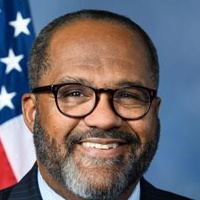
Troy Carter
Representative
LA
Troy Carter
Representative
LA
The State Offices of Women’s Health Support and Expansion Act establishes a federal grant program to help states create or maintain dedicated offices focused on improving women’s health outcomes. These offices will coordinate public education, address social determinants of health, and develop evidence-based policy recommendations through community-led advisory panels. The bill also includes robust privacy protections for health data and prohibits the use of grant funds to restrict access to or misrepresent medically accurate reproductive health information.
The PAID OFF Act of 2025 restricts Foreign Agents Registration Act (FARA) exemptions for agents representing entities controlled by designated foreign adversaries and establishes a formal congressional process for updating that list of countries.

John Cornyn
Senator
TX
John Cornyn
Senator
TX
The PAID OFF Act of 2025 restricts foreign agents representing entities from specific adversarial nations—including China, Russia, and Iran—from utilizing certain registration exemptions under the Foreign Agents Registration Act (FARA). The bill also establishes a formal congressional process for the Secretary of State to update the list of "countries of concern" and includes a five-year sunset provision for these new requirements.
The Medicaid Dental Benefit Act of 2026 mandates comprehensive dental coverage for adults under state Medicaid programs while establishing new federal quality standards, reporting requirements, and outreach initiatives to improve oral health equity.
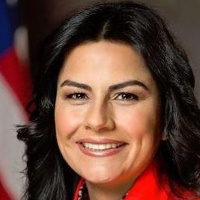
Nanette Barragán
Representative
CA
Nanette Barragán
Representative
CA
The Medicaid Dental Benefit Act of 2026 mandates that all state Medicaid programs provide comprehensive dental and oral health coverage for adults beginning January 1, 2027. To support this transition, the bill provides three years of 100% federal funding for these core services and establishes new national quality and equity reporting standards. Additionally, the legislation requires federal outreach programs to improve access to care and mandates a comprehensive report on the state of adult oral health in the United States.
The CLEAR LABELS Act mandates increased supply chain transparency by requiring drug labels to disclose the original manufacturers of active pharmaceutical ingredients and finished drug products.
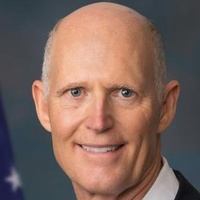
Rick Scott
Senator
FL
Rick Scott
Senator
FL
The CLEAR LABELS Act enhances pharmaceutical transparency by requiring drug labels to clearly identify the original manufacturers of both active ingredients and finished products. It mandates that this supply chain information be accessible through digital tools like QR codes or barcodes, while ensuring paper copies remain available upon request. Additionally, the bill streamlines regulatory compliance by exempting these products from redundant customs country-of-origin marking requirements.
This bill authorizes Taiwanese government officials and military personnel to display the flag and official symbols of the Republic of China during official U.S. engagements and ceremonies.

Ted Cruz
Senator
TX
Ted Cruz
Senator
TX
This bill authorizes government representatives and military personnel from Taiwan to display the flag and official insignia of the Republic of China while conducting official business. This permission applies to the wearing of uniforms, participation in government-hosted ceremonies, and official social media engagements.
This bill reauthorizes the United States Commission on International Religious Freedom and extends its funding and operations through September 30, 2028.

Ted Budd
Senator
NC
Ted Budd
Senator
NC
The United States Commission on International Religious Freedom Reauthorization Act of 2026 extends the operations and funding of the Commission through September 30, 2028. This legislation ensures the continued mandate of the Commission in monitoring and promoting religious freedom globally.
The SAFE Drugs Act of 2026 strengthens FDA oversight of compounded drug products by limiting the replication of commercial drugs, mandating new reporting requirements, and increasing regulatory standards for large-scale outsourcing facilities.
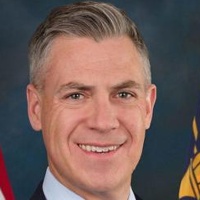
Jim Banks
Senator
IN
Jim Banks
Senator
IN
The SAFE Drugs Act of 2026 strengthens federal oversight of compounded drug products to enhance patient safety. The bill limits the compounding of copies of commercially available drugs, mandates new reporting for interstate compounding, and increases inspection and registration requirements for large-scale outsourcing facilities. Additionally, it authorizes the Secretary of Health and Human Services to adjust establishment fees to ensure adequate funding for safety oversight.
This legislation establishes a regular biennial appointment schedule for Supreme Court justices and implements term-based limits on the number of justices eligible to hear appellate cases.

Sheldon Whitehouse
Senator
RI
Sheldon Whitehouse
Senator
RI
The Supreme Court Biennial Appointments and Term Limits Act of 2026 establishes a regularized appointment schedule, requiring the President to nominate one new Supreme Court justice every two years. The bill limits the Court to 18 total justices, with the nine most recently appointed members presiding over appellate cases. This legislation aims to create a predictable rotation for judicial appointments and modernize the structure of the Supreme Court.
The STRONG Kids Act establishes a federal grant program to expand access to safe, inclusive, and developmentally positive youth sports and physical activity programs across the country.

Mike Carey
Representative
OH
Mike Carey
Representative
OH
The Sports Training, Recreation, and Opportunities for the Next Generation (STRONG Kids) Act establishes a federal grant program to expand access to youth sports and physical activity. By providing funding to national and regional organizations, the bill supports local initiatives that improve program quality, promote athlete safety, and reduce barriers to participation for underserved youth.
The CHARTS Act establishes a grant program to help long-term and post-acute care providers adopt health information technology to improve care coordination and data exchange.
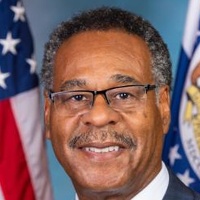
Emanuel Cleaver
Representative
MO
Emanuel Cleaver
Representative
MO
The CHARTS Act establishes a grant program to help long-term and post-acute care providers adopt advanced health information technology. This initiative aims to improve care coordination, streamline data exchange, and enhance patient outcomes by facilitating seamless transitions between healthcare settings.
The Alzheimer’s Early Detection Act of 2026 mandates that private health insurance plans and Medicaid provide equitable, streamlined coverage for Alzheimer’s biomarker testing to improve early diagnosis and patient management.
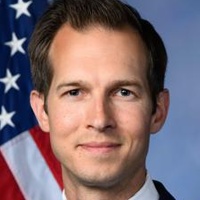
Jake Auchincloss
Representative
MA
Jake Auchincloss
Representative
MA
The Alzheimer’s Early Detection Act of 2026 mandates that private health insurance plans and Medicaid provide comprehensive coverage for Alzheimer’s biomarker testing. By prohibiting restrictive cost-sharing, step therapy, and lengthy authorization delays, the bill aims to ensure equitable and timely access to essential diagnostic tools. Additionally, the Act requires the NIH to conduct ongoing studies to evaluate the clinical value of these tests in the detection and management of Alzheimer’s disease.
The S Corporation Modernization Act of 2026 updates tax regulations to increase shareholder limits, expand eligibility for foreign and retirement account investors, and simplify rules regarding passive income, inherited stock, and deferred compensation.
Mike Carey
Representative
OH
Mike Carey
Representative
OH
The S Corporation Modernization Act of 2026 introduces comprehensive reforms to the Internal Revenue Code to increase flexibility and growth opportunities for S corporations. Key provisions include raising the shareholder limit to 250, allowing IRAs and nonresident aliens as eligible shareholders, and easing restrictions on passive investment income. Additionally, the bill simplifies tax treatment for inherited stock, preserves suspended losses upon a shareholder's death, and repeals Section 409A regarding nonqualified deferred compensation.
The MOMMIES Act strengthens maternal health outcomes by extending Medicaid and CHIP postpartum coverage to one year, mandating comprehensive oral health benefits, and establishing demonstration projects to improve maternity care access and equity.
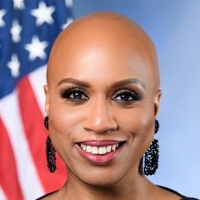
Ayanna Pressley
Representative
MA
Ayanna Pressley
Representative
MA
The MOMMIES Act aims to improve maternal health outcomes by expanding Medicaid and CHIP coverage for pregnant and postpartum individuals to a full year. The bill mandates comprehensive benefits, including oral health services, and establishes a maternity care home demonstration project to provide coordinated, culturally appropriate care. Additionally, it increases provider reimbursement rates for primary care, promotes access to doula services, and requires federal studies to address disparities and improve telehealth access in maternal care.
The Data Center Water and Energy Transparency Act of 2026 mandates that large-scale data centers report their annual energy and water consumption to state or federal authorities to improve transparency and environmental oversight.
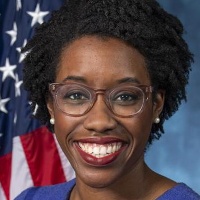
Lauren Underwood
Representative
IL
Lauren Underwood
Representative
IL
The Data Center Water and Energy Transparency Act of 2026 mandates that large-scale data centers report their annual energy and water consumption to state or federal authorities. This legislation aims to increase transparency by requiring operators to disclose efficiency metrics and future usage projections. The collected data will be used to publish annual public reports detailing the environmental and economic impacts of data centers on local communities and utility infrastructure.
The National Security Interstate Pipeline Act establishes an expedited federal approval process for interstate oil and natural gas pipelines designated as critical to national security, streamlining permitting and preempting state and local regulations.
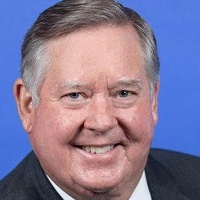
Ken Calvert
Representative
CA
Ken Calvert
Representative
CA
The National Security Interstate Pipeline Act establishes an expedited federal approval process for oil and natural gas pipelines designated by the President as essential to national security. The bill streamlines permitting by granting the Federal Energy Regulatory Commission exclusive authority, imposing strict deadlines for agency reviews, and preempting state and local regulations. Additionally, it authorizes the use of eminent domain for project development and allows the President to waive certain environmental laws to prevent project delays.
The Children’s Safe Welcome Act of 2026 establishes comprehensive protections for migrant children in government custody by banning family detention, mandating humane care standards, guaranteeing legal representation, and prioritizing rapid family reunification.
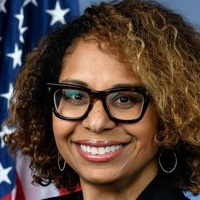
Sydney Kamlager-Dove
Representative
CA
Sydney Kamlager-Dove
Representative
CA
The Children’s Safe Welcome Act of 2026 establishes comprehensive, child-centered standards for the treatment, placement, and legal representation of noncitizen children in government custody. The bill mandates humane conditions, prohibits family detention, and prioritizes rapid reunification with sponsors while ensuring children have access to legal counsel and independent advocates. By strengthening oversight and protecting sensitive data, the legislation aims to shift the immigration system toward a welfare-based approach that upholds the rights and dignity of vulnerable youth.
The Tuskegee Airmen Memorial Act of 2026 authorizes the establishment of a privately funded commemorative work in Washington, D.C., to honor the Tuskegee Airmen of World War II.
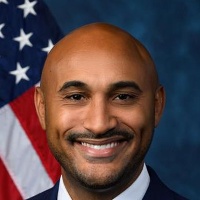
Shomari Figures
Representative
AL
Shomari Figures
Representative
AL
The Tuskegee Airmen Memorial Act of 2026 authorizes Tuskegee Airmen, Inc. to establish a commemorative work on federal land in Washington, D.C., to honor the original Tuskegee Airmen of World War II. The project will be funded entirely through private donations, with no federal funds permitted for its construction or maintenance.
This bill ensures that individuals receiving child’s insurance benefits remain eligible for Medicaid by treating them as Supplemental Security Income (SSI) recipients.

Debbie Dingell
Representative
MI
Debbie Dingell
Representative
MI
The Childhood Disability Benefits Fairness Act ensures that individuals receiving child’s insurance benefits maintain consistent access to Medicaid. By treating these beneficiaries as if they receive Supplemental Security Income (SSI), the bill prevents the loss of healthcare coverage due to their benefit status. This change simplifies eligibility requirements to ensure vulnerable individuals remain protected.
The Improving CARE for Youth Act prohibits state Medicaid programs from denying payment for mental health, substance use, or primary care services solely because they are provided on the same day.
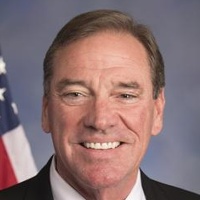
Neal Dunn
Representative
FL
Neal Dunn
Representative
FL
The Improving CARE for Youth Act aims to increase access to integrated healthcare by prohibiting state Medicaid programs from denying payment for same-day primary care and mental health or substance use disorder services. By removing these billing barriers, the bill ensures that patients can receive comprehensive, coordinated care during a single visit.
The Public Safety Officers’ Benefits Enhancement Act of 2026 simplifies the claims process for survivors by expanding the qualifying window for heart-related duty deaths and removing barriers to benefit eligibility.
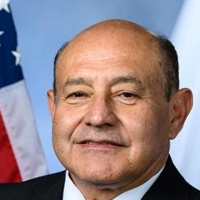
J. Correa
Representative
CA
J. Correa
Representative
CA
The Public Safety Officers’ Benefits Enhancement Act of 2026 simplifies the process for survivors to receive death benefits following an officer's heart attack or stroke. It removes barriers by eliminating the use of pre-existing health conditions as a basis for claim denial and extends the qualifying window for duty-related events from 24 to 72 hours. These changes ensure that families receive support more efficiently by strengthening the presumption that such medical events are connected to an officer's service.