Legislation
The Small Business Development Centers Improvement Act of 2026 enhances the transparency, operational efficiency, and data collection standards of Small Business Administration entrepreneurial development programs while increasing support for small business counseling and marketing.
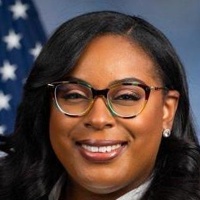
LaMonica McIver
Representative
NJ
LaMonica McIver
Representative
NJ
The Small Business Development Centers Improvement Act of 2026 enhances the transparency, accountability, and operational efficiency of Small Business Administration (SBA) entrepreneurial development programs. The bill mandates stricter reporting requirements, establishes a data collection working group, and provides centers with greater flexibility in marketing and funding. Additionally, it strengthens confidentiality protections for small businesses and streamlines administrative processes to better support small business growth.
The Federal Employee Financial Protection Act of 2026 prohibits credit reporting agencies from recording negative information against federal employees during government shutdowns and encourages private lenders to offer payment flexibility.
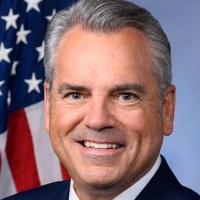
Mark Alford
Representative
MO
Mark Alford
Representative
MO
The Federal Employee Financial Protection Act of 2026 prevents credit reporting agencies from recording negative information against federal employees who miss payments due to a government shutdown. The bill mandates that these missed payments be treated as timely and encourages private lenders to offer forbearance and fee waivers to affected workers.
This resolution commemorates the 61st anniversary of Medicare, recognizing its historic role in providing essential health care security to millions of older Americans and individuals with disabilities.
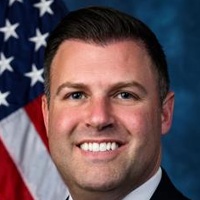
Ryan Mackenzie
Representative
PA
Ryan Mackenzie
Representative
PA
This resolution commemorates the 61st anniversary of Medicare, recognizing its vital role in providing health security to millions of seniors and individuals with disabilities. It honors the health care providers and staff who sustain the program while underscoring the importance of ensuring its long-term solvency for future generations.
This bill strengthens public health emergency preparedness by expanding program eligibility, funding, and support for Indian Tribes, Tribal organizations, and urban Indian organizations.
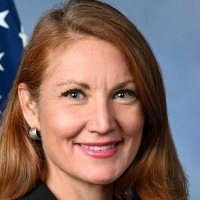
Melanie Stansbury
Representative
NM
Melanie Stansbury
Representative
NM
The CDC Tribal Public Health Security and Preparedness Act strengthens national emergency response by formally integrating Indian Tribes, Tribal organizations, and urban Indian organizations into public health preparedness programs. The bill increases overall funding and establishes a dedicated 5% Tribal set-aside, ensuring these entities have direct access to resources and flexible administrative requirements. Additionally, it mandates a comprehensive review to evaluate program effectiveness and identify further improvements for Tribal public health infrastructure.
This resolution expresses support for designating July 2026 as "American Grown Flower and Foliage Month" to promote the domestic floral industry and encourage the purchase of U.S.-grown products.
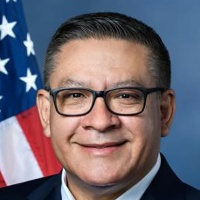
Salud Carbajal
Representative
CA
Salud Carbajal
Representative
CA
This resolution expresses support for designating July 2026 as "American Grown Flower and Foliage Month." It highlights the economic importance of the domestic floral industry and encourages consumers to choose U.S.-grown products to support American farmers, small businesses, and jobs.
This resolution expresses support for designating July as "Disability Pride Month" to promote awareness, celebrate the disability community, and combat discrimination.
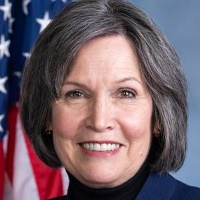
Betty McCollum
Representative
MN
Betty McCollum
Representative
MN
This resolution supports the designation of July as "Disability Pride Month." It encourages communities across the United States to observe the month with celebrations while actively working to end discrimination and exclusion against people with disabilities.
The Wildfire Reduction Market Expansion Act of 2026 amends the Clean Air Act to expand the definition of "renewable biomass," incentivizing the use of forest management by-products and wildfire risk-reduction materials for renewable energy.
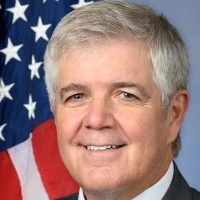
Cliff Bentz
Representative
OR
Cliff Bentz
Representative
OR
The Wildfire Reduction Market Expansion Act of 2026 amends the Clean Air Act to broaden the definition of "renewable biomass." By including forest manufacturing by-products, wildfire risk-reduction materials, and vegetation from defensible spaces, the bill incentivizes the removal of hazardous fuels from public and private lands. This legislation streamlines the certification process to support sustainable forest management and expand the market for renewable energy feedstocks.
This resolution celebrates the opening of the Gordie Howe International Bridge as a landmark symbol of the enduring partnership, economic cooperation, and friendship between the United States and Canada.
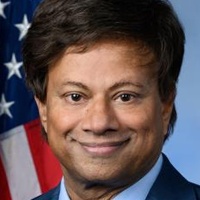
Shri Thanedar
Representative
MI
Shri Thanedar
Representative
MI
This resolution celebrates the opening of the Gordie Howe International Bridge as a landmark symbol of the enduring partnership and friendship between the United States and Canada. It recognizes the project’s role in boosting regional commerce, creating high-quality jobs, and fostering long-term economic growth for both nations. By connecting Detroit and Windsor, the bridge stands as a testament to the successful collaboration and shared perseverance of both countries.
The Daycare Not Detentions Act of 2026 reallocates $70 billion from federal immigration enforcement agencies to expand funding for child care, Head Start, and early education programs through 2029.
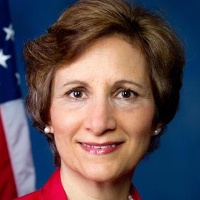
Suzanne Bonamici
Representative
OR
Suzanne Bonamici
Representative
OR
The Daycare Not Detentions Act of 2026 provides $70 billion in supplemental funding to expand and support child care, Head Start, and early education programs through 2029. This legislation offsets the cost by rescinding an equal amount of unobligated funding previously allocated to U.S. Customs and Border Protection and Immigration and Customs Enforcement.
The Glenwood Hot Springs Protection Act prohibits the expansion of limestone mining operations on specific Bureau of Land Management lands in Garfield County, Colorado.
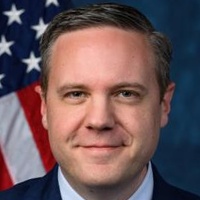
Jeff Hurd
Representative
CO
Jeff Hurd
Representative
CO
The Glenwood Hot Springs Protection Act prohibits the expansion of the Mid-Continent Limestone Quarry in Garfield County, Colorado. By restricting new mineral operations and sales contracts on specific Bureau of Land Management lands, the bill aims to protect the area surrounding the historic hot springs.
This bill amends the Public Health Service Act to streamline the regulatory review process for biosimilar biological products.

Ashley Moody
Senator
FL
Ashley Moody
Senator
FL
This bill amends the Public Health Service Act to streamline the regulatory review process for biosimilar biological products. By removing specific administrative requirements, the legislation aims to simplify and accelerate the approval pathway for these products.
This joint resolution disapproves and nullifies a Small Business Administration rule regarding citizenship and residency requirements for 7(a) and 504 loan programs.
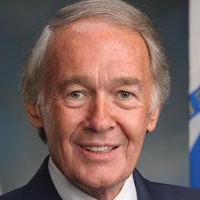
Edward Markey
Senator
MA
Edward Markey
Senator
MA
This joint resolution exercises congressional authority to disapprove a Small Business Administration rule regarding ownership, citizenship, and residency requirements for 7(a) and 504 loan programs. By passing this resolution, Congress renders the rule null and void, ensuring it has no force or effect.
This resolution designates July 25, 2026, as "National Day of the American Cowboy" to honor the historical, cultural, and economic contributions of cowboys and cowgirls to the United States.
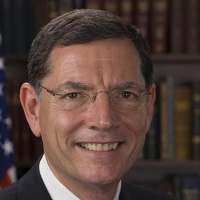
John Barrasso
Senator
WY
John Barrasso
Senator
WY
This resolution designates July 25, 2026, as "National Day of the American Cowboy" to honor the historical and cultural significance of cowboys and cowgirls. It recognizes their vital role in shaping the American West and celebrates the enduring values, economic contributions, and community spirit they continue to embody today.
This resolution reaffirms the commitment to the Americans with Disabilities Act and the Olmstead decision by protecting the right of individuals with disabilities to live independently in their communities rather than in segregated institutions.

Andy Kim
Senator
NJ
Andy Kim
Senator
NJ
This resolution reaffirms the fundamental right of individuals with disabilities to live independently in their communities, as established by the Americans with Disabilities Act and the *Olmstead* decision. It condemns recent efforts to weaken integration mandates and calls on federal agencies to prioritize accessible housing, employment, and community-based services. Furthermore, the bill advocates for the protection of Medicaid funding and the removal of barriers to ensure full equality and self-sufficiency for all people with disabilities.
This resolution commemorates the 179th anniversary of the arrival of Latter-day Saint pioneers in the Great Salt Lake Valley, honoring their legacy of resilience, faith, and their foundational role in shaping the American West.
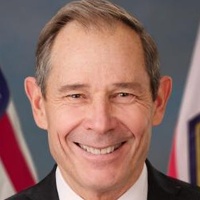
John Curtis
Senator
UT
John Curtis
Senator
UT
This resolution commemorates the 179th anniversary of the arrival of The Church of Jesus Christ of Latter-day Saints pioneers in the Great Salt Lake Valley. It honors their historic journey in pursuit of religious freedom and recognizes their foundational role in settling the American West. Furthermore, it celebrates the enduring pioneer spirit of resilience and industry that continues to shape the American story today.
The Lunar Landing Day Act designates July 20 as a national day of observance to commemorate the historic 1969 Apollo 11 moon landing and promote continued excellence in space exploration.
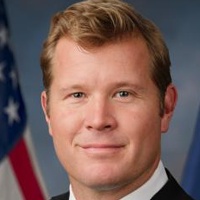
Tim Sheehy
Senator
MT
Tim Sheehy
Senator
MT
The Lunar Landing Day Act officially designates July 20 as a national day of observance to commemorate the historic 1969 Apollo 11 moon landing. This legislation encourages citizens, organizations, and government entities to honor this milestone through educational activities and celebrations that inspire future leadership in space exploration.
The Staged Accident Fraud Prevention Act of 2026 establishes federal criminal penalties for intentionally staging motor vehicle collisions involving commercial vehicles.
Ashley Moody
Senator
FL
Ashley Moody
Senator
FL
The Staged Accident Fraud Prevention Act of 2026 establishes federal criminal penalties for individuals who intentionally stage collisions with commercial motor vehicles. The bill imposes severe sentencing, including mandatory minimums, for incidents resulting in serious bodily injury or death, while also holding those who arrange such accidents equally accountable. To ensure legal fairness, the Act includes provisions to prevent federal prosecution if an individual has already been tried for the same offense at the state or local level.
This bill expands Tribal access to CDC public health emergency preparedness funding by establishing a dedicated set-aside, providing administrative flexibility, and mandating Tribal consultation and reporting.
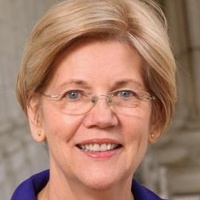
Elizabeth Warren
Senator
MA
Elizabeth Warren
Senator
MA
The CDC Tribal Public Health Security and Preparedness Act amends the Public Health Service Act to formally include Indian Tribes and Tribal organizations as eligible entities for federal public health emergency preparedness funding. The bill authorizes $750 million annually for this program, with a dedicated 5% set-aside for Tribal entities and exemptions from traditional matching-fund requirements. Additionally, it mandates federal consultation with Tribal leaders to ensure program flexibility and requires a comprehensive report to Congress on the effectiveness of Tribal implementation.
The Lainie Jones Comprehensive Cancer Survivorship Act of 2026 establishes a national framework to improve long-term health outcomes, employment support, and insurance coverage for cancer survivors through enhanced care coordination, research, and dedicated survivorship programs.

Amy Klobuchar
Senator
MN
Amy Klobuchar
Senator
MN
The Lainie Jones Comprehensive Cancer Survivorship Act of 2026 establishes a national framework to improve the long-term health, quality of life, and employment security of cancer survivors. The bill mandates expanded Medicare and Medicaid coverage for survivorship care planning and fertility services, while creating new federal programs to assist with employment barriers and care transitions. Additionally, it formalizes the Office of Cancer Survivorship within the National Cancer Institute to lead research and coordinate evidence-based support for survivors throughout their lives.
The SEARCH Act of 2026 aims to promote competition in the digital search and AI markets by prohibiting exclusionary conduct, mandating data sharing, and ensuring user choice for default search engines.
Amy Klobuchar
Senator
MN
Amy Klobuchar
Senator
MN
The SEARCH Act of 2026 aims to foster competition in the digital search and AI markets by prohibiting major platforms from engaging in exclusionary conduct and self-preferencing. The legislation mandates that dominant search providers share essential data and search results with competitors, while also requiring them to offer users meaningful choices for default search engines. Additionally, the bill establishes strict transparency, compliance, and enforcement mechanisms overseen by the Federal Trade Commission to ensure a fair and open digital marketplace.