Legislation
This Act establishes a comprehensive federal strategy to combat rising antisemitism through policy statements, enhanced security grants, improved hate crime reporting, and specific mandates for educational institutions and federal agencies, while prohibiting the weaponization of antisemitism for partisan goals.
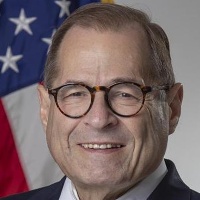
Jerrold Nadler
Representative
NY
Jerrold Nadler
Representative
NY
The Antisemitism Response and Prevention Act of 2025 aims to combat rising antisemitism through comprehensive federal action, emphasizing evidence-based strategies consistent with democratic values. The bill establishes new offices within the DOJ and FBI to coordinate counter-efforts and improve hate crime data collection. Furthermore, it mandates specific compliance and reporting requirements for colleges regarding civil rights and prohibits partisan conditions on nonprofit security grants.
The Housing Crisis Response Act of 2025 makes a massive federal investment across four titles to create, preserve, and make affordable housing more accessible, while also boosting homeownership opportunities and strengthening HUD administration.
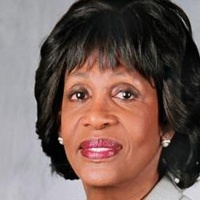
Maxine Waters
Representative
CA
Maxine Waters
Representative
CA
The Housing Crisis Response Act of 2025 is a comprehensive bill making major federal investments across four key areas to address the national housing crisis. It allocates over $78 billion to create, preserve, and repair affordable housing, expand rental assistance, and improve housing accessibility and efficiency. The Act also introduces significant new programs to boost first-time and first-generation homeownership through downpayment assistance and new mortgage products. Finally, it provides funding to strengthen HUD administration and build the capacity of local housing organizations.
This bill mandates increased Small Business Administration engagement, outreach, and assistance related to employee ownership and cooperatives.
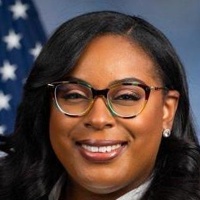
LaMonica McIver
Representative
NJ
LaMonica McIver
Representative
NJ
This bill, the Improving SBA Engagement on Employee Ownership Act, aims to strengthen the Small Business Administration's (SBA) involvement in employee ownership. It mandates the SBA Administrator to participate in relevant federal working groups and expands outreach efforts to investors in small business investment companies. Furthermore, it requires the SBA to implement enhanced outreach and assistance specifically for employee-owned businesses.
This Act creates a temporary state-certified pathway for financially struggling rural hospitals to qualify as Critical Access Hospitals, mandates a study on rural hospital payment systems, and adjusts bed limit requirements for territories.
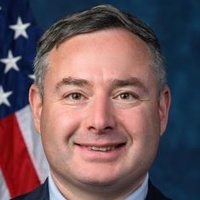
Eugene Vindman
Representative
VA
Eugene Vindman
Representative
VA
The Rural Hospital Closure Relief Act of 2025 establishes a temporary pathway allowing certain financially vulnerable rural hospitals to qualify as Critical Access Hospitals, even if they do not meet the standard 35-mile rule, provided they meet specific criteria and state certification. The bill also mandates studies by MedPAC and the GAO to examine rural hospital payment systems and the effectiveness of these new designations. Finally, it adjusts bed limit requirements for Critical Access Hospitals located in U.S. territories.
This Act mandates the VA to provide telehealth, mail-order pharmacy, and travel benefits to eligible veterans in the Freely Associated States and extends a specific pension payment limitation.
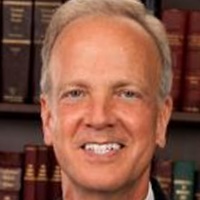
Jerry Moran
Senator
KS
Jerry Moran
Senator
KS
This Act mandates the Department of Veterans Affairs to expand essential services, including telehealth and mail-order pharmacy benefits, to eligible veterans residing in the Freely Associated States. It also requires the VA to provide beneficiary travel payments to these veterans and submit regular progress reports to Congress. Additionally, the bill extends a current limitation on pension payments by two months.
This resolution designates November 2025 as National Hospice and Palliative Care Month to recognize the vital role of these services in improving the quality of life for individuals with serious illnesses.

Jacky Rosen
Senator
NV
Jacky Rosen
Senator
NV
This resolution designates November 2025 as National Hospice and Palliative Care Month to recognize the critical role these services play in improving the quality of life for individuals with serious illnesses and their families. It highlights the comprehensive, interdisciplinary care provided, which focuses on symptom management, emotional support, and caregiver assistance. The resolution encourages increased public awareness of hospice and palliative care options and honors the dedication of the professionals and volunteers who provide this essential support.
This bill removes age restrictions for disabled survivors to receive full Social Security benefits, increases the age limit for child-in-care benefits, and introduces new rules to increase survivor benefits for those who delay claiming.
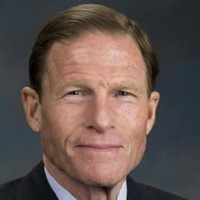
Richard Blumenthal
Senator
CT
Richard Blumenthal
Senator
CT
The Surviving Widow(er) Income Fair Treatment Act (SWIFT Act) of 2025 aims to significantly improve Social Security benefits for surviving spouses and divorced spouses. It removes the age restriction for disabled survivors to receive full benefits and introduces new incentives for delaying the claiming of survivor benefits. Furthermore, the bill raises the age limit for a child to qualify a parent for child-in-care benefits from 16 to 18. These major changes are set to take effect on January 1, 2027.
This bill reauthorizes the State and Local Cybersecurity Grant Program, sets federal funding shares for FY2026, authorizes $300 million, and extends the CFATS program authorization through FY2026.
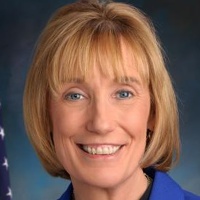
Margaret Hassan
Senator
NH
Margaret Hassan
Senator
NH
This bill reauthorizes the State and Local Cybersecurity Grant Program and sets the federal funding share for state and tribal cybersecurity grants for fiscal year 2026. It authorizes $300 million for these programs in FY2026. Additionally, the bill extends the authorization for the Chemical Facility Anti-Terrorism Standards (CFATS) program by one year.
This Act establishes the Fort Ontario Holocaust Refugee Shelter National Historical Park and designates the America's National Churchill Museum as a National Historic Landmark, while also mandating a study on its potential inclusion in the National Park System.
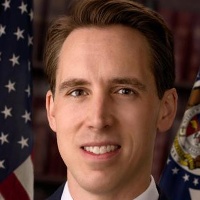
Joshua Hawley
Senator
MO
Joshua Hawley
Senator
MO
This Act establishes the Fort Ontario Holocaust Refugee Shelter National Historical Park in New York to preserve the stories of WWII refugees. It also designates the America's National Churchill Museum in Missouri as a National Historic Landmark. Furthermore, the bill mandates a study to evaluate the feasibility of incorporating the Churchill Museum into the National Park System.
This Act establishes the Mental Health in Aviation Act of 2025 to review and reform FAA policies regarding mental health for pilots and air traffic controllers, aiming to reduce stigma and improve access to care.
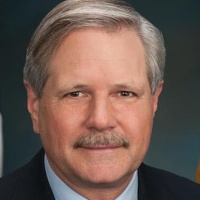
John Hoeven
Senator
ND
John Hoeven
Senator
ND
The Mental Health in Aviation Act of 2025 directs the FAA to establish a committee to review and recommend updates to policies regarding the medical certification of pilots and air traffic controllers with mental health conditions. The bill mandates regulatory updates to encourage aviation personnel to seek mental health care without fear of penalty. Furthermore, it allocates funding to enhance the FAA's capacity to process reviews and launches a public campaign to reduce mental health stigma within the industry.
This act prohibits individuals convicted of a misdemeanor hate crime or who received an enhanced sentence for such a crime from obtaining or possessing firearms.
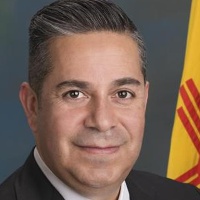
Ben Luján
Senator
NM
Ben Luján
Senator
NM
The Disarm Hate Act prohibits individuals convicted of a misdemeanor hate crime, or those who received an enhanced sentence for a misdemeanor motivated by hate or bias, from purchasing or possessing firearms. This legislation specifically targets convictions involving threats or physical force motivated by bias against protected characteristics. It also makes it illegal for others to transfer firearms to these prohibited persons.
The RECAPTURE Act redirects unspent BEAD program funds that result from eligible entities missing deadlines to a combination of the original entity and the Treasury's general fund for deficit reduction.

Joni Ernst
Senator
IA
Joni Ernst
Senator
IA
The RECAPTURE Act amends the Infrastructure Investment and Jobs Act to change how unspent federal broadband (BEAD) grant funds are handled when states or entities miss deadlines. Under this bill, any unallocated remaining grant funds that were not designated for a specific purpose will be deposited into the U.S. Treasury for deficit reduction. The remaining funds designated for specific purposes may still be made available to the eligible entity.
This bill establishes the NIH IMPROVE Act to fund a new initiative dedicated to reducing preventable maternal deaths, addressing health disparities, and improving health for pregnant and postpartum women.
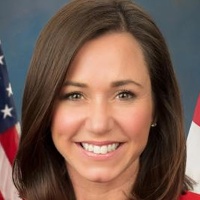
Katie Britt
Senator
AL
Katie Britt
Senator
AL
The NIH IMPROVE Act establishes a new initiative within the National Institutes of Health dedicated to significantly improving maternal health outcomes across the United States. This program will fund research and community-based interventions aimed at reducing preventable maternal deaths and severe complications. A key focus of the initiative is addressing and reducing existing health disparities among disproportionately affected populations before, during, and after pregnancy.
This bill mandates the Director of National Intelligence to create a strategy for coordinating and sharing intelligence on critical and emerging technologies across the government.

Todd Young
Senator
IN
Todd Young
Senator
IN
This bill mandates the Director of National Intelligence to develop a comprehensive strategy for coordinating and sharing intelligence related to critical and emerging technologies across the intelligence community. The strategy must also detail how this intelligence will be shared with relevant federal departments and agencies involved in regulation, research, and national security. The Director is required to report the completed strategy to the congressional intelligence committees shortly after its development.
The Health Savings Accounts For All Act of 2025 significantly expands HSA accessibility by increasing contribution limits, removing the HDHP requirement, broadening qualified expenses, and offering enhanced rollover and bankruptcy protections.

Rand Paul
Senator
KY
Rand Paul
Senator
KY
The Health Savings Accounts For All Act of 2025 significantly expands access and utility for Health Savings Accounts (HSAs). It dramatically increases annual contribution limits and removes the requirement that individuals must be enrolled in a High-Deductible Health Plan (HDHP) to contribute. Furthermore, the bill expands qualified medical expenses to include wellness items like gym memberships and vitamins, and allows for tax-free rollovers to parents or children.
This act caps the interest rate at 6% for student loans that servicemembers consolidate or refinance during active duty, provided the original loans were incurred before their service began.
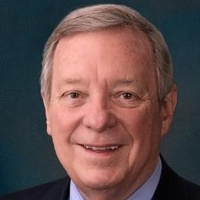
Richard Durbin
Senator
IL
Richard Durbin
Senator
IL
This act extends the existing 6% interest rate cap under the Servicemembers Civil Relief Act to cover new student loan consolidation or refinancing debts incurred by servicemembers *during* their active military service. This protection specifically applies when servicemembers refinance pre-service student loans. The reduced interest rate takes effect immediately upon the creation of the new refinancing loan.
This bill expands funding flexibility and technical assistance for the Medicare rural hospital flexibility program to support critical access hospitals, rural emergency hospitals, and other small rural facilities.
Margaret Hassan
Senator
NH
Margaret Hassan
Senator
NH
The Rural Hospital Flexibility Act of 2025 aims to strengthen rural healthcare infrastructure by expanding the uses of Medicare rural hospital flexibility program grants. This includes supporting the transition of critical access hospitals to rural emergency hospitals and providing assistance for graduate medical education recruitment. The bill also establishes new technical assistance grants and modifies the Small Rural Hospital Improvement Grant Program to streamline funding for eligible small rural hospitals.
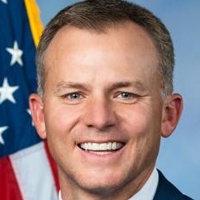
The MAPWaters Act of 2025 mandates federal agencies to standardize, digitize, and publish comprehensive, up-to-date geospatial data on public access restrictions for federal waterways and fishing areas.
Blake Moore
Representative
UT
Blake Moore
Representative
UT
The MAPWaters Act of 2025 aims to modernize public access to federal waterways by requiring federal agencies to standardize, digitize, and publish comprehensive geospatial data on water restrictions and access points. This legislation mandates the creation of a unified, publicly accessible online database detailing fishing restrictions, waterway closures, and access facility locations. The Act explicitly clarifies that it does not alter existing legal definitions of navigable waters or the authority of agencies to regulate fisheries and water use.
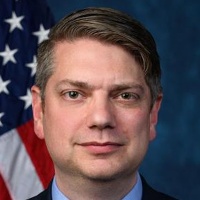
This bill extends the deadline for the Alaska Native Vietnam Era Veterans Land Allotment Program from five years to ten years.
Nicholas Begich
Representative
AK
Nicholas Begich
Representative
AK
This bill, the Alaska Native Vietnam Era Veterans Land Allotment Extension Act of 2025, extends the deadline for the Alaska Native Vietnam Era Veterans Land Allotment Program. Specifically, it amends existing law to change the application period from five years to ten years. This extension provides more time for eligible veterans to participate in the program.
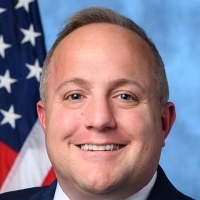
The Kayla Hamilton Act mandates stricter placement determinations and enhanced vetting for unaccompanied alien children to ensure their safety and appearance at immigration proceedings.
Russell Fry
Representative
SC
Russell Fry
Representative
SC
The Kayla Hamilton Act significantly tightens the requirements for placing unaccompanied alien children in federal custody. It mandates extensive background checks and consultations with Homeland Security and the Attorney General before placement decisions are made. The bill also establishes stricter criteria for secure facility placement and prohibits placement with sponsors who have serious criminal histories. Furthermore, it exempts certain implementation procedures from standard administrative rulemaking requirements to ensure swift action.