This bill mandates the Secretary of State to report regularly on participation in U.S. and Chinese educational and cultural exchange programs to assess their impact on U.S. strategic interests.
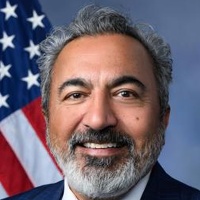
Ami Bera
Representative
CA-6
This bill mandates that the Secretary of State submit regular, detailed reports to Congress regarding participation in U.S. and Chinese educational and cultural exchange programs. These reports aim to assess the impact of these exchanges on U.S. national security and strategic interests. The required data includes specific metrics on U.S. program effectiveness and a country-by-country list of participants in both U.S. and Chinese-sponsored programs.
State Department Must Now Track Chinese Exchange Participants and Measure U.S. Program Soft Power
This legislation requires the Secretary of State to submit a detailed report to Congress on both U.S. and Chinese educational and cultural exchange programs. The first report is due 180 days after the law passes, with updates every five years. Essentially, the bill says we need to know exactly what our exchange programs are doing, how much they cost, and whether they are actually winning hearts and minds overseas—especially compared to what China is doing.
The Geopolitical Scorecard
Congress is framing this bill around national security and strategic competition, noting that international exchanges are a critical tool for diplomacy. The core idea here is that soft power—the ability to influence others through culture and values—is a serious tool of foreign policy, and we need to treat it like one. This means moving beyond just counting how many people attend the Fulbright Program or the Mandela Washington Fellowship and starting to measure the actual diplomatic return on investment.
New Metrics for Soft Power
For the specified U.S. exchange programs—like Fulbright, YALI, and the Future Leaders Exchange—the State Department will now have to collect some serious data. This isn't just about the number of participants and the dollars spent. They must track things like the percentage of participants who report having a “more favorable opinion” of the U.S. government, citizens, and culture after the program. Even more specific, they must track the percentage who agree with “statements supporting democratic values” and those who are more likely to recommend the U.S. as a place to study. If you run one of these programs, get ready for a significant administrative headache, as you’ll need to create new, detailed surveys and tracking systems to meet these requirements.
Who’s Going to China?
The bill also mandates that the report include a country-by-country list of individuals who participated in educational or cultural exchange programs sponsored or funded by the People's Republic of China in the previous year. This is a significant requirement. While the intent is to gauge the reach of Chinese influence, collecting and reporting data on individuals who participated in a foreign government's program—even if it's just a list by country—raises flags. If this data were ever misused or made public, it could potentially subject those foreign participants to unwanted scrutiny or even political repercussions in their home countries, especially if those countries are viewed as strategic competitors by the U.S.
What This Means for the Everyday
For the average person, this bill won't change how you file your taxes or commute to work. However, it’s a big deal for the folks managing these exchange programs, who will see their administrative load increase dramatically as they track all these new metrics. More importantly, it signals a deeper shift in how the U.S. views its international cultural outreach: less as a feel-good exercise and more as a measurable, strategic tool in the global competition for influence. This is Congress essentially saying, “Show us the receipts on democracy and diplomacy.” The result should be more data-driven, and hopefully, more effective, U.S. soft power programs, but it comes with the complexity of tracking subjective metrics like 'democratic values' and the potential for increased scrutiny on foreign participants.