This bill restricts participation in federal agency rulemaking and public comment periods to U.S. citizens and entities, excluding those from foreign adversary nations.
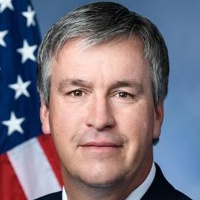
Barry Moore
Representative
AL-1
The Safeguarding US Rulemaking Act amends the Administrative Procedure Act to restrict participation in the federal public comment process for proposed rules. This legislation specifically prohibits foreign governments designated as adversaries, along with their nationals and entities, from submitting comments or petitioning for rulemaking. The goal is to limit input on federal regulations to U.S. citizens and domestic entities.
Proposed Rule: Foreign Adversaries Barred from Commenting on US Federal Regulations
The Safeguarding US Rulemaking Act is a short but potent piece of legislation aimed at tightening the gates around how federal agencies develop new rules. Essentially, this bill amends the Administrative Procedure Act (APA)—the foundational law that dictates how agencies like the EPA or FDA make rules—to limit who gets a seat at the public comment table.
The New Gatekeepers: Who’s Out?
Right now, when a federal agency proposes a new rule (say, new safety standards for car seats or updated requirements for filing taxes), the public comment period is open to pretty much everyone. This bill changes that by explicitly barring two groups from submitting comments or petitioning an agency for new rules: first, any foreign government designated by the Secretary of Commerce as a “foreign adversary,” and second, any national or entity incorporated in one of those designated adversary countries (SEC. 2). Think of it this way: if you’re a US citizen or a US-incorporated business, you’re still good to go. But if you’re a researcher working for a university in a designated adversary country, or a company based there, your input on the proposed rule is automatically rejected.
The Real-World Impact: Less Input, More Security?
The stated goal here is national security—preventing adversarial governments from influencing US domestic policy through the regulatory process. On the surface, that sounds reasonable. However, the regulatory process relies heavily on diverse, expert input to craft effective rules. For example, if the EPA proposes a new standard for a specific chemical, the most detailed, cutting-edge research might come from an international entity that is now barred from commenting. This restriction could mean US agencies are making decisions based on incomplete technical or economic data, simply because the best information available globally was submitted by someone deemed ineligible.
For a US company that relies on international supply chains or sells products globally, this could create headaches. If a foreign entity can’t comment on a rule that directly affects their ability to do business with that US company, the resulting rule might be impractical or costly to implement. The rule might be technically sound from a purely domestic viewpoint, but fail to account for global realities that affect the costs and logistics for US businesses and consumers. The bill is clear: the designation of a foreign adversary is based on existing regulations (15 C.F.R. § 791.4(a)), meaning the executive branch already has the power to define the scope of who is excluded, adding a layer of executive discretion to the regulatory process.