Legislation
The American Shipyard Investment Act of 2026 establishes a tax credit for the construction and modernization of domestic facilities dedicated to building and repairing commercial and military vessels.

Nathaniel Moran
Representative
TX
Nathaniel Moran
Representative
TX
The American Shipyard Investment Act of 2026 establishes a new tax credit to incentivize the construction and modernization of domestic shipyard facilities. By providing a 25% to 35% credit for qualified investments, the bill aims to bolster the capacity for building and repairing commercial and military vessels. The legislation also includes flexible financial provisions, such as direct pay and transferability options, to encourage widespread investment in the U.S. maritime industrial base through 2033.
The Private Detention Corporate Accountability Act of 2026 establishes legal pathways for families to hold private detention facilities and their employees liable for wrongful deaths occurring in custody.
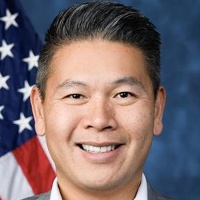
Derek Tran
Representative
CA
Derek Tran
Representative
CA
The Private Detention Corporate Accountability Act of 2026 establishes a legal framework to hold private detention facilities and their employees directly accountable for wrongful deaths occurring in custody. The bill empowers families to seek significant damages in federal court and explicitly strips employees of qualified or absolute immunity defenses. This legislation ensures that private entities contracting with the federal government remain liable for the actions of their staff.
The Swatting Registry Best Practices Act directs the Attorney General to develop federal guidance for state and local governments on establishing secure, voluntary registries to help emergency responders identify and safely manage swatting incidents.

James Walkinshaw
Representative
VA
James Walkinshaw
Representative
VA
The Swatting Registry Best Practices Act directs the Attorney General to develop and issue federal guidance to help state and local governments establish voluntary, secure swatting registries. This guidance will provide best practices for protecting privacy and civil liberties while helping public safety agencies improve their response to potential swatting incidents. The Act also authorizes technical assistance to support jurisdictions that choose to implement these voluntary programs.
The SCREEN Act establishes a federal tax credit for theater owners to offset 30% of the costs associated with revitalizing and improving older movie venues through 2030.

Claudia Tenney
Representative
NY
Claudia Tenney
Representative
NY
The SCREEN Act establishes a federal tax credit to support the revitalization of older movie theaters across the United States. Eligible theater owners can claim a 30% credit on renovation costs, subject to screen-count-based caps, for improvements made through 2030. This initiative aims to preserve cinema infrastructure by incentivizing upgrades to existing indoor and outdoor movie venues.
The Indigenous Students Excel through Parity Act of 2026 mandates a study to identify the funding and resources necessary to bring Bureau of Indian Education schools into salary and operational parity with other public school systems.

Melanie Stansbury
Representative
NM
Melanie Stansbury
Representative
NM
The Indigenous Students Excel through Parity Act of 2026 mandates a comprehensive study to identify the funding and resources necessary to bring Bureau of Indian Education schools into parity with other public school systems. This legislation focuses on updating the Indian School Equalization Formula to ensure competitive salaries for educators and staff while exploring sustainable revenue sources. Ultimately, the Act aims to provide a high-quality, equitable education for students in Bureau-funded and tribally controlled schools.
This bill updates the Department of Education’s recognition process for accrediting agencies and establishes stricter federal oversight for colleges seeking to change their primary accreditor.
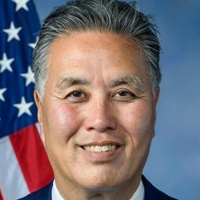
Mark Takano
Representative
CA
Mark Takano
Representative
CA
The Higher Education Accreditation Accountability Act strengthens federal oversight of the college accreditation process. It establishes stricter criteria for the recognition of accrediting agencies and implements a rigorous approval process for institutions seeking to change their primary accreditor. These measures are designed to ensure institutional quality and protect students by preventing colleges from switching accreditors to avoid oversight or disciplinary action.
The Polling Place Standards Act establishes federal requirements for minimum polling station density and staffing levels to ensure accessible and efficient voting, supported by a new federal grant program for states.
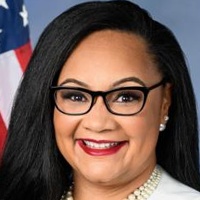
Nikema Williams
Representative
GA
Nikema Williams
Representative
GA
The Polling Place Standards Act establishes federal requirements for polling place availability, mandating at least one location for every 2,000 registered voters to ensure geographic diversity and efficient access. The bill also sets specific staffing standards to maintain security and minimize wait times, while providing a grant program to help states implement these improvements. These requirements are waived for states that provide universal mail-in or drop-box voting options.
The CHILE Act of 2026 establishes a permanent $5 billion emergency assistance framework to provide direct financial support to specialty crop growers impacted by adverse agricultural events.
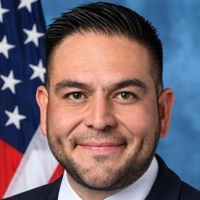
Gabriel (Gabe) Vasquez
Representative
NM
Gabriel (Gabe) Vasquez
Representative
NM
The CHILE Act of 2026 establishes a permanent emergency assistance framework to provide direct financial support to specialty crop growers impacted by adverse events. By authorizing $5 billion in funding, the bill ensures that producers receive aid tailored to the unique high-value and high-input nature of specialty crops. This legislation streamlines the delivery of federal support to help stabilize local agricultural economies during times of crisis.
This bill prohibits the construction and operation of artificial intelligence data centers and their associated infrastructure on federal lands while mandating the removal of any existing facilities.
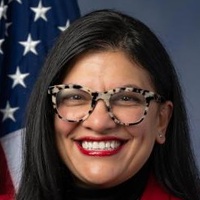
Rashida Tlaib
Representative
MI
Rashida Tlaib
Representative
MI
The No AI Data Centers on Federal Lands Act prohibits the construction and operation of artificial intelligence data centers and their associated infrastructure on federal land. The bill mandates the immediate cessation of any existing projects and requires agencies to oversee the removal and environmental restoration of these sites.
This bill mandates that the Department of Defense expand its data collection efforts to better track the costs and impacts of extreme weather and natural disasters on military installations.
James Walkinshaw
Representative
VA
James Walkinshaw
Representative
VA
The Military Installation Readiness and Resilience Act of 2026 mandates that the Department of Defense systematically track the costs and operational impacts of extreme weather and natural disasters on military facilities. By expanding current data collection efforts, this bill aims to improve the long-term resilience and readiness of military installations against environmental threats.
The GPS Modernization Acceleration Act directs the President to expedite the upgrade of the GPS satellite constellation and ground systems to improve national security, enhance signal resilience, and protect critical infrastructure from interference.
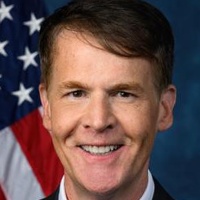
Jefferson Shreve
Representative
IN
Jefferson Shreve
Representative
IN
The GPS Modernization Acceleration Act directs the President to expedite the upgrade of the aging GPS satellite constellation and its ground control systems to counter emerging threats like signal jamming and spoofing. The bill mandates a comprehensive plan to improve military and civilian positioning, navigation, and timing resilience while prioritizing the development of a long-overdue terrestrial backup system. Additionally, it requires annual reports to Congress to ensure interagency coordination and the rapid deployment of secure, next-generation receiver technology across critical infrastructure and defense systems.
The Disability Community Act of 2026 provides an increased federal Medicaid match for state regulatory compliance costs and updates outdated terminology throughout the Social Security Act to reflect person-first language.
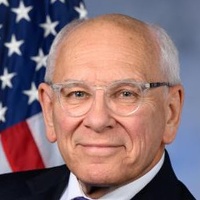
Paul Tonko
Representative
NY
Paul Tonko
Representative
NY
The Disability Community Act of 2026 provides states with an increased federal Medicaid matching rate (90%) from 2027 to 2029 to help cover costs associated with regulatory compliance for intellectual and developmental disability services. Additionally, the bill modernizes the Social Security Act by replacing outdated, offensive terminology with respectful, person-first language throughout Title XIX.
The Enhancing K–12 Cybersecurity Act directs CISA to establish a national information exchange, a voluntary incident registry, and a technology improvement program to bolster cybersecurity defenses and resources for schools nationwide.

Doris Matsui
Representative
CA
Doris Matsui
Representative
CA
The Enhancing K–12 Cybersecurity Act directs CISA to establish a centralized information exchange, providing schools with essential cybersecurity resources, training, and funding opportunities. The bill also creates a voluntary incident registry to track cyber threats and launches a technology improvement program to help schools deploy effective defense strategies. These initiatives aim to strengthen the digital security of elementary and secondary educational institutions nationwide.
This bill increases criminal penalties for fentanyl and synthetic opioid trafficking by lowering quantity thresholds, clarifying legal definitions, and providing funding to enhance detection capabilities within the U.S. Postal Service.
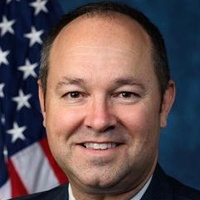
Marlin Stutzman
Representative
IN
Marlin Stutzman
Representative
IN
The "No Leniency for Fentanyl Dealers Act" strengthens federal drug enforcement by significantly lowering the quantity thresholds required to trigger mandatory minimum penalties for fentanyl and other synthetic opioid analogues. The bill also mandates updates to federal sentencing guidelines and authorizes $9 million to enhance the U.S. Postal Service’s capacity to detect and intercept illicit narcotics shipments.
This legislation amends the Child Abuse Prevention and Treatment Act (CAPTA) to improve support, resources, and placement prioritization for children raised by relatives and kinship caregivers.

Mary Scanlon
Representative
PA
Mary Scanlon
Representative
PA
The Help Grandfamilies Prevent Child Abuse Act amends the Child Abuse Prevention and Treatment Act (CAPTA) to better support kinship families—children raised by relatives or close family friends. The bill prioritizes kinship placements within the child welfare system, mandates improved resources and training for kinship caregivers, and ensures these families are better represented in national and state-level prevention programs.
This act mandates that the Department of Defense report on current electronic health record delivery delays and establish new standards to ensure timely access for transitioning service members.
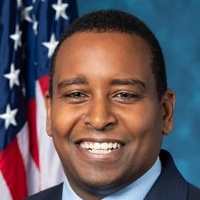
Joe Neguse
Representative
CO
Joe Neguse
Representative
CO
The Timely Electronic Health Record Transfers for Transitioning Servicemembers Act of 2026 mandates that the Department of Defense improve the delivery process for electronic health records during the transition from military to civilian life. The bill requires the Secretary of Defense to report on current wait times and establish clear, enforceable standards to ensure veterans receive their records in a timely manner.
The Investing in State Energy Act of 2026 establishes mandatory deadlines for the distribution of federal energy assistance funds and increases authorized appropriations for the State Energy Program through 2031.

Chris Pappas
Representative
NH
Chris Pappas
Representative
NH
The Investing in State Energy Act of 2026 streamlines the delivery of federal energy support by establishing mandatory deadlines for the distribution of funds and application guidance under the Weatherization Assistance and State Energy Programs. Additionally, the bill authorizes increased funding for the State Energy Program through 2031 to support state-led energy conservation efforts.
This bill mandates that the Department of Defense publicly report and publish key performance metrics regarding appointment wait times and referral processing speeds at military medical facilities.
Joe Neguse
Representative
CO
Joe Neguse
Representative
CO
The Reducing Military Health Care Wait Times Act mandates increased transparency regarding the performance of military medical facilities. It requires the Department of Defense to publicly report specific appointment wait times and referral processing metrics to ensure service members and their families receive timely care.
The Inclusive Democracy Act of 2026 protects the right of all citizens to vote in federal elections regardless of criminal conviction and mandates that carceral facilities provide incarcerated individuals with the necessary resources to register and vote.

Ayanna Pressley
Representative
MA
Ayanna Pressley
Representative
MA
The Inclusive Democracy Act of 2026 prohibits the federal government and states from denying any citizen the right to vote in federal elections due to a criminal conviction. The bill mandates that carceral facilities provide incarcerated individuals with access to voter registration, absentee ballots, and election information. Additionally, it establishes enforcement mechanisms to ensure these voting rights are protected and upheld in all federal elections.
The Afghanistan TPS Act of 2026 designates Afghanistan for Temporary Protected Status through July 1, 2029, establishing expedited application procedures and fee waivers for eligible Afghan nationals.
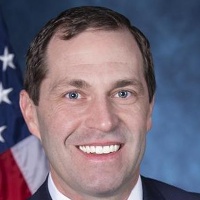
Jason Crow
Representative
CO
Jason Crow
Representative
CO
The Afghanistan TPS Act of 2026 designates Afghanistan for Temporary Protected Status (TPS) through July 1, 2029, allowing eligible Afghan nationals currently in the United States to live and work legally. The bill mandates an expedited 90-day adjudication process for applications and provides for fee waivers for those who qualify under this designation.