Legislation
The Transportation for Reentry Act mandates that federally funded transit agencies provide one year of free public transportation to individuals recently released from prison to support their successful reintegration into the community.
Emanuel Cleaver
Representative
MO
Emanuel Cleaver
Representative
MO
The Transportation for Reentry Act requires federally funded transit agencies to provide one year of free public transportation to individuals recently released from prison. By removing barriers to reliable travel, this program aims to support successful community reintegration, improve access to essential services, and reduce recidivism rates. The bill provides federal funding and administrative support to help transit agencies implement and manage these reentry services.
The Federal Naming Standards Act prohibits naming federal buildings, facilities, or programs after elected officials or political appointees until at least 10 years after they leave office.
Bill Foster
Representative
IL
Bill Foster
Representative
IL
The Federal Naming Standards Act prohibits federal buildings, facilities, and programs from being named after elected officials or political appointees until at least 10 years after they leave office. This legislation aims to prevent the politicization of public property by establishing strict waiting periods and oversight by agency inspectors general. It includes specific exemptions for deceased individuals and historical or educational contexts.
This act promotes grid reliability and lowers energy costs by streamlining the environmental review process for transmission upgrades and expanding tax credits for high-performance grid modernization projects.
George Whitesides
Representative
CA
George Whitesides
Representative
CA
The Lowering Energy Costs through Grid Modernization Act aims to improve electrical grid efficiency and reliability by incentivizing the use of advanced transmission conductors. The bill streamlines the environmental review process for modernization projects and expands clean electricity investment tax credits to include high-performance transmission upgrades. These measures are designed to increase capacity, reduce congestion, and lower energy costs for consumers.
The Women’s Business Centers Improvement Act of 2026 modernizes and strengthens the SBA’s Women’s Business Center Program by enhancing grant oversight, establishing accreditation standards, and expanding entrepreneurial resources for women-owned small businesses.
Hillary Scholten
Representative
MI
Hillary Scholten
Representative
MI
The Women’s Business Centers Improvement Act of 2026 overhauls the Small Business Administration’s Women’s Business Center Program to better support women entrepreneurs through enhanced counseling, training, and financial assistance. The bill establishes a structured grant framework, introduces mandatory accreditation standards, and strengthens oversight to ensure centers effectively serve socially and economically disadvantaged business owners. Additionally, it authorizes $31.5 million in annual funding through 2029 to expand the reach and operational viability of this nationwide network.
This bill directs the Small Business Administration to develop and distribute multilingual educational resources to help small business owners and their employees understand their rights and responsibilities regarding immigration enforcement and compliance.
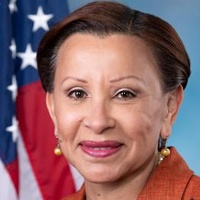
Nydia Velázquez
Representative
NY
Nydia Velázquez
Representative
NY
The Businessowner Immigration Rights and Responsibilities Information Act of 2026 directs the Small Business Administration to develop and distribute comprehensive educational resources regarding immigration enforcement. These materials will provide small business owners and their employees with clear guidance on their legal rights, compliance responsibilities, and best practices for handling enforcement actions. Available in multiple languages, these resources aim to ensure businesses are well-informed and prepared while navigating complex immigration regulations.
This Act mandates an independent, comprehensive evaluation of artificial intelligence systems used by the Veterans Health Administration to ensure patient safety, clinical integrity, and accountability.
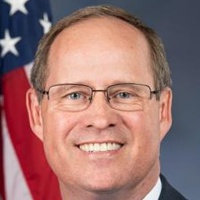
Gregory Murphy
Representative
NC
Gregory Murphy
Representative
NC
The Responsible Artificial Intelligence for Veterans Act of 2026 mandates an independent, comprehensive evaluation of AI systems used by the Veterans Health Administration to ensure patient safety, clinical integrity, and data security. This legislation requires the Department of Veterans Affairs to identify and address risks in AI deployment, submit detailed corrective action plans to Congress, and undergo oversight by the Comptroller General. The act aims to ensure that AI tools are transparent, equitable, and effectively integrated into veteran healthcare.
This bill mandates that states require documentary proof of U.S. citizenship for voter registration or face the withholding of federal highway funds.
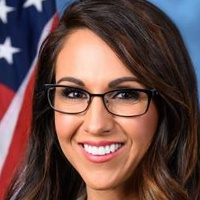
Lauren Boebert
Representative
CO
Lauren Boebert
Representative
CO
The Trump-Reagan Election Enforcement Act mandates that states require documentary proof of U.S. citizenship to register for federal elections. States that fail to implement these verification requirements, including procedures to remove noncitizens from voter rolls, will face a progressive withholding of federal highway funds. The bill also establishes legal and criminal accountability for election officials who register individuals without verified citizenship.
The American Dream Accounts Act of 2026 establishes tax-advantaged savings accounts designed to help U.S. citizens save for and achieve their first-time home purchase.
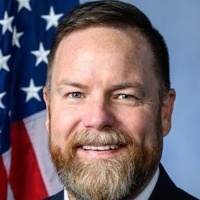
Aaron Bean
Representative
FL
Aaron Bean
Representative
FL
The American Dream Accounts Act of 2026 establishes tax-advantaged savings accounts designed to help U.S. citizens save for a first-time home purchase. Eligible individuals can contribute up to $7,500 annually—increasing to $10,000 for those 35 and older—toward a lifetime limit of $250,000. Distributions used for a qualified first-time home purchase are tax-free, while non-qualified withdrawals are subject to income tax and a 10% penalty.
The Deputy Darren Almendarez Act establishes federal criminal penalties for the illicit trafficking of catalytic converters and the unauthorized sale of their precious metals.
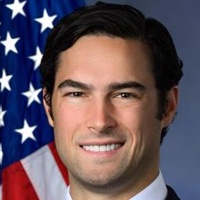
Brandon Gill
Representative
TX
Brandon Gill
Representative
TX
The Deputy Darren Almendarez Act establishes a new federal crime for the illegal trafficking of catalytic converters. This legislation imposes significant fines and prison sentences for the unauthorized possession or sale of these devices, while providing clear exemptions for legitimate automotive repair, recycling, and manufacturing businesses.
This bill designates the United States Postal Service facility located at 114 John Street in New York, New York, as the "Jack Greenberg Post Office."

Dan Goldman
Representative
NY
Dan Goldman
Representative
NY
This bill officially designates the United States Postal Service facility located at 114 John Street in New York, New York, as the "Jack Greenberg Post Office." All official federal records and documents will be updated to reflect this new name.
The LEARN AI Act directs the Department of Labor to promote workforce readiness by supporting the integration of artificial intelligence training into registered apprenticeship programs.
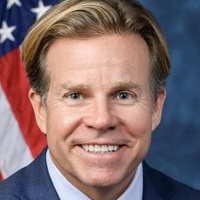
Mike Haridopolos
Representative
FL
Mike Haridopolos
Representative
FL
The LEARN AI Act promotes workforce readiness by encouraging the integration of artificial intelligence training into registered apprenticeship programs. It authorizes the Department of Labor to provide best practices, technical assistance, and resources to help employers and educators adapt to technological advancements. Notably, the bill supports these initiatives without mandating changes to existing apprenticeship standards.
The Rural Hospital Cybersecurity Enhancement Act mandates the development of a national workforce strategy and free instructional resources to improve cybersecurity training and staffing within rural healthcare facilities.
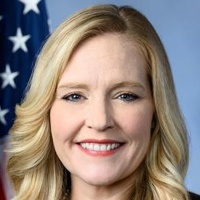
Erin Houchin
Representative
IN
Erin Houchin
Representative
IN
The Rural Hospital Cybersecurity Enhancement Act directs the Secretary of Health and Human Services to develop a comprehensive workforce strategy to address cybersecurity staffing shortages in rural healthcare facilities. The bill also mandates the creation and promotion of free, accessible cybersecurity training materials to help rural hospital staff implement essential digital security practices. These initiatives aim to strengthen the cyber resilience of rural health systems through interagency collaboration and education without requiring additional federal appropriations.
The FIXER Act allows state and local authorities to exempt bonds for the preservation and rehabilitation of affordable housing from federal volume caps, ensuring continued access to low-income housing tax credits.
Dan Goldman
Representative
NY
Dan Goldman
Representative
NY
The Federal Investment Exception for Essential Rehabilitation Act (FIXER Act) allows state and local authorities to exempt certain affordable housing bonds from federal volume caps. By facilitating the rehabilitation and preservation of existing low-income properties, this legislation ensures these projects remain eligible for critical low-income housing tax credits.
The DHS Acquisition Documentation Integrity Act mandates rigorous documentation standards and formal breach reporting requirements for all major Department of Homeland Security acquisition programs.
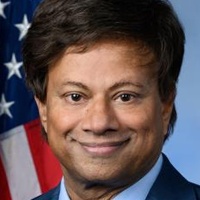
Shri Thanedar
Representative
MI
Shri Thanedar
Representative
MI
The DHS Acquisition Documentation Integrity Act mandates rigorous documentation and reporting standards for all major Department of Homeland Security acquisition programs. It requires programs to maintain comprehensive, data-backed records for costs, schedules, and performance to ensure accountability. Additionally, the bill establishes strict notification requirements for Congress whenever a program experiences a significant breach in its baseline parameters.
This Act directs the Secretary of Defense to establish national airspace corridors for the research, testing, and training of small unmanned aircraft systems and advanced counter-drone technologies.
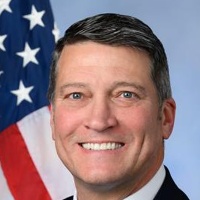
Ronny Jackson
Representative
TX
Ronny Jackson
Representative
TX
The Small Unmanned Aircraft Systems Operational Test, Evaluation, and Training Corridor Act directs the Secretary of Defense to establish specialized corridors within U.S. airspace for testing and training on drone and counter-drone technologies. This initiative aims to accelerate the development, integration, and deployment of advanced autonomous systems, sensors, and weapon capabilities. By utilizing both new and existing facilities, the Act seeks to streamline the field-readiness of critical defense technologies in realistic operational environments.
The Super Pay-As-You-Go Act of 2026 strengthens federal fiscal discipline by requiring that any new legislation increasing direct spending or reducing revenue be offset by at least double the amount in savings.
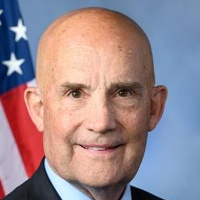
Keith Self
Representative
TX
Keith Self
Representative
TX
The Super Pay-As-You-Go Act of 2026 strengthens federal budget enforcement by requiring that any new legislation affecting direct spending or revenues must provide savings equal to at least twice the cost of the measure. It implements stricter criteria for emergency spending designations, mandates transparent reporting on deficit reduction, and establishes rigorous congressional points of order to ensure fiscal sustainability. By replacing existing scorecards with "Super PAYGO" tracking, the Act mandates automatic spending cuts if these new, more stringent deficit-reduction targets are not met.
This bill directs the Government Accountability Office to conduct a comprehensive review of indoor air quality, ventilation, and HVAC performance across all federal facilities to ensure compliance with safety standards and improve building health.
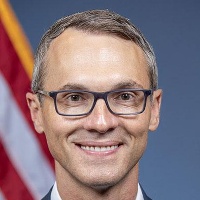
James Walkinshaw
Representative
VA
James Walkinshaw
Representative
VA
The Federal Facilities Indoor Air Quality Assessment Act directs the Government Accountability Office (GAO) to conduct a comprehensive review of indoor air quality, ventilation, and HVAC performance across all federal buildings. This assessment will evaluate agency compliance with industry standards, identify existing deficiencies, and examine the qualifications of personnel performing maintenance and installation. Following the report, agencies with identified issues must submit formal corrective action plans to Congress to ensure safer and more efficient building environments.
This bill mandates the expansion of the Department of State’s Regional Technology Officer program to recruit and train experts in biotechnology to advance U.S. diplomatic, security, and innovation interests globally.
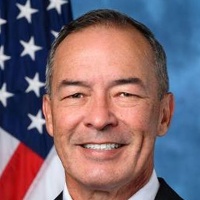
James (Jim) Moylan
Representative
GU
James (Jim) Moylan
Representative
GU
The Biotechnology Diplomacy and Expertise Enhancement Act of 2026 mandates the integration of biotechnology expertise into the Department of State’s Regional Technology Officer program. By recruiting specialized experts and providing comprehensive training, the bill aims to strengthen U.S. diplomatic leadership, security, and innovation in the global biotechnology sector.
This bill requires the Small Business Administration to follow standard public notice-and-comment procedures when issuing rules related to loans, grants, contracts, and other benefits.
Nydia Velázquez
Representative
NY
Nydia Velázquez
Representative
NY
The Maintaining Small Business Engagement Act of 2026 requires the Small Business Administration (SBA) to follow formal notice-and-comment rulemaking procedures for all rules involving loans, grants, benefits, and contracts. By removing existing exemptions, this bill ensures greater transparency and public participation in the creation of SBA policies that impact small businesses.
The PILOT Act directs the Department of Defense to report on the feasibility of expanding military testing opportunities to graduates of accredited civilian test pilot schools.
George Whitesides
Representative
CA
George Whitesides
Representative
CA
The PILOT Act directs the Department of Defense to evaluate the feasibility of expanding opportunities for graduates of accredited civilian test pilot schools to support military flight testing. The legislation requires a comprehensive report by 2027 assessing current testing capacity and the potential for integrating civilian-trained pilots and engineers into military activities.