Legislation
This bill strengthens federal protections for domestic violence survivors by closing loopholes to prohibit individuals subject to protective orders from purchasing or possessing firearms and establishing a grant program to assist in the removal of firearms from adjudicated abusers.
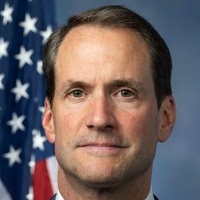
James Himes
Representative
CT
James Himes
Representative
CT
The Lori Jackson-Nicolette Elias Domestic Violence Survivor Protection Act strengthens federal law to better protect victims of domestic violence by closing loopholes that allow abusive dating partners and those under temporary restraining orders to access firearms. The bill expands the definition of "intimate partner" and "misdemeanor crime of domestic violence," while prohibiting individuals subject to qualifying protective orders from purchasing or possessing firearms. Additionally, it establishes a federal grant program to assist states and local governments in implementing effective procedures for the removal and safe storage of firearms from individuals under domestic violence protection orders.
The Wildfire Research Coordination Act of 2026 mandates interagency collaboration between the Departments of Defense, Agriculture, and the Interior to align and streamline federal fire science research and technology priorities.
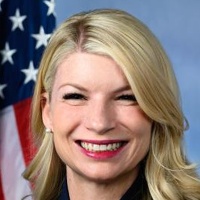
Brittany Pettersen
Representative
CO
Brittany Pettersen
Representative
CO
The Wildfire Research Coordination Act of 2026 mandates a formal partnership between the Departments of Defense, Agriculture, and the Interior to align federal fire science research and technology priorities. By coordinating efforts across key programs, the Act aims to improve wildfire mitigation, modeling, and post-fire recovery strategies. Additionally, the legislation requires a report to Congress detailing the implementation of this interagency collaboration.
This bill authorizes the Forest Service to enter into cooperative agreements with state and local governments to improve the detection, treatment, and mitigation of mountain pine beetle infestations.
Brittany Pettersen
Representative
CO
Brittany Pettersen
Representative
CO
The Mountain Pine Beetle Coordination Act authorizes the U.S. Forest Service to enter into cooperative agreements with state, local, and tribal governments to combat pine beetle infestations. This legislation facilitates coordinated monitoring, treatment, and mitigation efforts to reduce wildfire risks and manage the impact of beetle-killed timber. Additionally, it provides for technical assistance from the Animal and Plant Health Inspection Service to support these collaborative management strategies.
The Spotted Wing Abatement Trust Act of 2026 establishes a $6.5 million annual fund within the Department of Agriculture to support research and mitigation efforts against the invasive spotted wing drosophila pest.
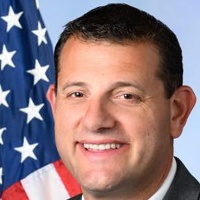
David Valadao
Representative
CA
David Valadao
Representative
CA
The Spotted Wing Abatement Trust (SWAT) Act of 2026 establishes a dedicated Department of Agriculture fund to combat the invasive spotted wing drosophila, which causes significant economic damage to U.S. fruit crops. The legislation authorizes $6.5 million annually for five years to support research and mitigation efforts aimed at controlling the pest.
This bill directs the EPA to study the feasibility of establishing a national database to track recycling infrastructure, material recovery outcomes, and access to waste management services.
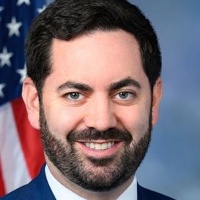
Michael Lawler
Representative
NY
Michael Lawler
Representative
NY
The Recycling Infrastructure and Data Accountability Act directs the EPA to conduct a comprehensive study on the feasibility of establishing a standardized national database to track recycling infrastructure, material recovery outcomes, and landfill diversion. If deemed feasible, the EPA will be required to create a publicly accessible online database to identify gaps in recycling access and improve national waste management performance. This initiative aims to increase transparency and provide data-driven recommendations to modernize recycling facilities across the country.
This Act amends the Higher Education Act of 1965 to expand and modernize federal support for international research, foreign language instruction, and global professional education programs.
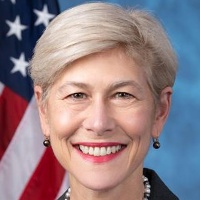
Deborah Ross
Representative
NC
Deborah Ross
Representative
NC
The Advancing International and Foreign Language Education Act updates the Higher Education Act of 1965 to strengthen U.S. capacity in global education and language proficiency. The bill establishes new grant programs for international research, innovation, and global professional training to better align higher education with national security and workforce needs. Additionally, it streamlines existing programs by repealing duplicative requirements and expanding support for diverse institutions, including community colleges and minority-serving institutions.
This bill designates the United States Postal Service facility at 4640 Cass Street in San Diego, California, as the "Mary Wilding Memorial Post Office Building."

Scott Peters
Representative
CA
Scott Peters
Representative
CA
This bill designates the United States Postal Service facility located at 4640 Cass Street in San Diego, California, as the "Mary Wilding Memorial Post Office Building." All official federal references to this facility will be updated to reflect this new name.
The Disabled Access Credit Modernization Act expands tax credits for small businesses to cover a broader range of accessibility improvements and reasonable accommodations for individuals with disabilities.
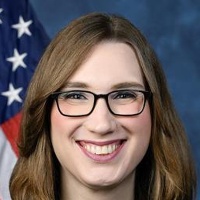
Sarah McBride
Representative
DE
Sarah McBride
Representative
DE
The Disabled Access Credit Modernization Act expands tax incentives for small businesses to invest in accessibility improvements for individuals with disabilities. The bill broadens the scope of qualifying expenses—including communication services and equipment—and clarifies that businesses can claim these credits even for accommodations that exceed ADA requirements. Additionally, the Act mandates new outreach programs to ensure small business owners are informed of these expanded tax benefits.
The Stealth Bot Prohibition Act bans the use of deceptive or harmful automated bots that scrape websites or impersonate human users, establishing federal and state enforcement mechanisms to protect digital platforms.
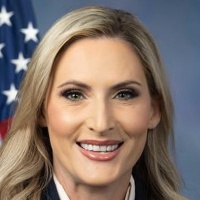
Laurel Lee
Representative
FL
Laurel Lee
Representative
FL
The Stealth Bot Prohibition Act bans the use of automated bots that access websites without proper disclosure or that intentionally impersonate human users. This legislation empowers the Federal Trade Commission and state attorneys general to enforce these rules through civil penalties and legal action to protect digital platforms from deceptive or harmful automated activity.
The Citizenship Act of 2026 restricts birthright citizenship by excluding children born in the United States to individuals classified as "invaders," including those unlawfully present or engaged in birth tourism.
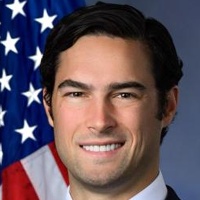
Brandon Gill
Representative
TX
Brandon Gill
Representative
TX
The Citizenship Act of 2026 codifies the federal declaration of an invasion at the U.S. border to restrict birthright citizenship. Under this legislation, children born in the United States to individuals unlawfully present or engaged in birth tourism and commercial surrogacy schemes would no longer be considered subject to U.S. jurisdiction for citizenship purposes. Additionally, the bill prohibits judicial review of the government's determination that an invasion exists.
This bill prohibits the waiver or reduction of U.S. citizenship application fees, with specific exceptions for current and former members of the Armed Forces.
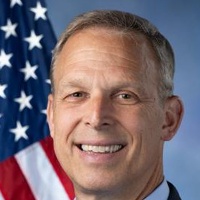
Scott Perry
Representative
PA
Scott Perry
Representative
PA
The "No Discounts for Foreigners Act" prohibits the Secretary of Homeland Security from waiving or reducing fees for U.S. citizenship applications. The bill includes a specific exception for current and former members of the United States Armed Forces.
The Wildfire Responder Protection Act expands federal employment protections to include a broader range of fire management roles, such as fuels specialists and prescribed fire crews.
Brittany Pettersen
Representative
CO
Brittany Pettersen
Representative
CO
The Wildfire Responder Protection Act expands federal employment protections to include a broader range of wildfire management roles, such as fuels specialists, burn bosses, and prescribed fire crew members. The bill updates existing statutes to ensure that personnel involved in planned ignitions and fuels reduction activities receive the same coverage as those engaged in traditional fire suppression.
The Shipbuilding Investment and Workforce Act establishes "maritime prosperity zones" to provide tax incentives for investments in projects that support the construction, repair, and operation of shipyards, ports, and vessels.
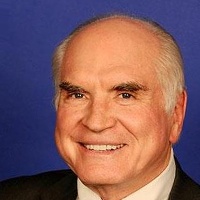
Mike Kelly
Representative
PA
Mike Kelly
Representative
PA
The Shipbuilding Investment and Workforce Act establishes "maritime prosperity zones" to incentivize long-term investment in the domestic maritime industry. By designating up to 100 census tracts as qualified opportunity zones, the bill provides targeted tax benefits for businesses and investors focused on the construction, repair, and support of shipyards and vessels.
The Farmers Lifeline to Overcoming Disasters (FLOOD) Act expands the Emergency Watershed Protection Program to provide critical disaster relief and recovery support for agricultural communities.
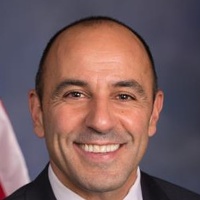
Jimmy Panetta
Representative
CA
Jimmy Panetta
Representative
CA
The Farmers Lifeline to Overcoming Disasters (FLOOD) Act strengthens federal support for agricultural recovery by integrating emergency watershed protection measures into the Food Security Act. This legislation ensures farmers have more robust resources to address and recover from environmental disasters.
The PATH Act expands the criteria for federal transit grant applications by allowing transit agencies to incorporate population growth and development planning into their ridership forecasts.
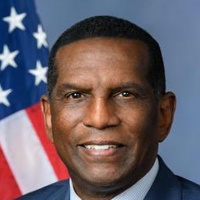
Clarence Owens
Representative
UT
Clarence Owens
Representative
UT
The Promoting Access to Transit in High-Growth Communities (PATH) Act modernizes the federal transit grant application process by expanding the criteria used to forecast project ridership. By allowing applicants to incorporate factors like population growth rates and development planning, the bill provides greater flexibility for communities to demonstrate the necessity of new transit infrastructure. This update ensures that transit funding better reflects the needs of rapidly evolving, high-growth regions.
The Safe Sips Act of 2026 mandates a uniform, accessible color-coding system for the packaging of all single-serving intoxicating beverages, including alcohol, THC, and Kratom products, to improve consumer safety and identification.
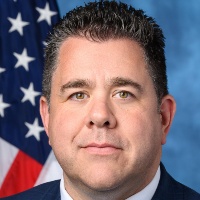
Nicolas LaLota
Representative
NY
Nicolas LaLota
Representative
NY
The Safe Sips Act of 2026 mandates a uniform, standardized color-coding system for the packaging of single-serving intoxicating beverages, including alcohol, THC, and Kratom-related products. This legislation requires manufacturers to mark the dispensing points of these drinks with a specific color and non-color identifier to help consumers easily identify intoxicating contents. By establishing these federal packaging standards, the bill aims to improve consumer safety and transparency across the beverage industry.
This bill prohibits performance bonuses for the Postmaster General and Deputy Postmaster General unless the Postal Service achieves a 95 percent on-time delivery rate.
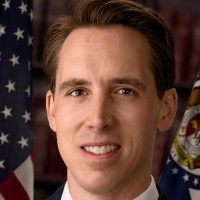
Joshua Hawley
Senator
MO
Joshua Hawley
Senator
MO
The "No Bonuses for Bad Service Act" prohibits the Postmaster General and Deputy Postmaster General from receiving bonuses unless the United States Postal Service achieves at least a 95 percent on-time delivery rate for all market-dominant products. Additionally, the bill mandates that the Postal Service submit its annual performance report directly to the Postal Regulatory Commission.
The Patients First Act of 2026 reforms Medicare physician payment systems to ensure more stable, predictable reimbursement for providers while improving patient access to primary care and value-based services.
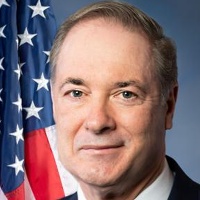
John Joyce
Representative
PA
John Joyce
Representative
PA
The Patients First Act of 2026 is comprehensive legislation designed to stabilize Medicare physician payments, improve patient access to primary care, and transition the current quality reporting system to a more clinician-led framework. By modernizing reimbursement formulas, reducing financial volatility for providers, and increasing transparency in value-based care models, the bill aims to ensure a more sustainable and predictable healthcare environment. These reforms seek to lower out-of-pocket costs for patients while supporting the long-term viability of medical practices.
The Stop Prison Price Gouging Act of 2026 mandates that the Bureau of Prisons cap commissary item prices at fair market value and prohibits revenue-sharing in vendor contracts to ensure fair pricing for incarcerated individuals.

Valerie Foushee
Representative
NC
Valerie Foushee
Representative
NC
The Stop Prison Price Gouging Act of 2026 mandates that the Bureau of Prisons cap commissary item prices at or below the fair market value of comparable goods in the surrounding state. The bill prohibits revenue-sharing contracts, requires competitive bidding, and establishes rigorous oversight through monthly price reviews, annual congressional reporting, and independent audits.
The TPS Review Act strengthens judicial oversight and establishes congressional review for decisions to terminate Temporary Protected Status, ensuring that such actions are evidence-based and subject to legal challenge.
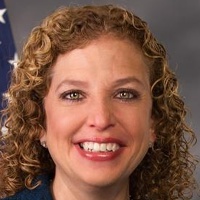
Debbie Wasserman Schultz
Representative
FL
Debbie Wasserman Schultz
Representative
FL
The Temporary Protected Status (TPS) Review Act strengthens oversight of government decisions to terminate TPS designations by reinstating judicial review and requiring that such decisions be supported by a comprehensive administrative record. The bill also subjects TPS terminations to congressional review under the Congressional Review Act, ensuring these decisions are subject to greater accountability. Additionally, it provides legal protections for beneficiaries by automatically staying terminations during the pendency of any legal challenges.