Legislation
This bill elects Mr. McCormick to the House Committee on Foreign Affairs.
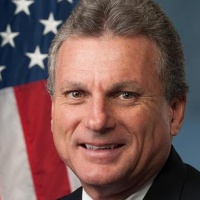
Earl Carter
Representative
GA
Earl Carter
Representative
GA
This bill officially elects Mr. McCormick to serve on the House Committee on Foreign Affairs. It is a straightforward measure to fill a vacancy or add a member to this important committee.
This bill establishes a nonprofit corporation to support the athletic programs of the United States Merchant Marine Academy through funding, contracts, and trademark licensing.
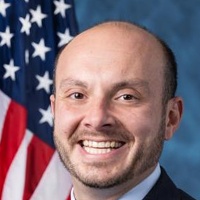
Andrew Garbarino
Representative
NY
Andrew Garbarino
Representative
NY
This act establishes a nonprofit corporation to exclusively support the athletic programs of the United States Merchant Marine Academy (USMMA). The legislation authorizes the Secretary of Transportation to enter into agreements with this corporation for contracts, property leases, and the transfer of existing athletic support assets. Furthermore, it clarifies the authority for licensing USMMA trademarks and retaining associated fees for use in recruiting activities.
This act updates executive branch reorganization authority by expanding presidential objectives, redefining covered entities, removing certain restrictions, and extending the relevant deadlines to 2026.
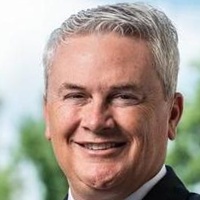
James Comer
Representative
KY
James Comer
Representative
KY
The Reorganizing Government Act of 2025 updates the laws governing presidential executive reorganization plans. This bill expands the objectives for these plans to include reducing federal employees and eliminating burdensome regulations. It also extends the authority for the President to submit reorganization plans to Congress until the end of 2026.
This Act mandates that secondary school student identification cards and district websites prominently display essential mental health and suicide prevention contact information, such as the 988 Lifeline.
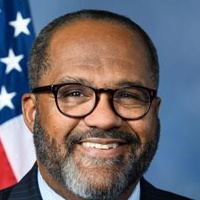
Troy Carter
Representative
LA
Troy Carter
Representative
LA
The Raising Awareness for Youth Suicide Prevention Act (RAYS Act) mandates that local school districts provide critical mental health and suicide prevention contact information on secondary student identification cards. This includes the 988 Suicide and Crisis Lifeline and the Crisis Text Line. For districts not issuing physical IDs, this information must be prominently displayed on their websites and regularly used digital platforms.
This bill, the CRUISE Act, centralizes and expedites the Department of Veterans Affairs' payment process to automobile sellers for vehicles purchased for disabled veterans.
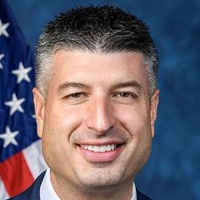
Tom Barrett
Representative
MI
Tom Barrett
Representative
MI
The CRUISE Act aims to improve the process by which the Department of Veterans Affairs reimburses automobile sellers for vehicles purchased for disabled veterans. This legislation mandates timely payments to sellers, requiring the VA to adhere to federal payment standards and publicly report delays. Furthermore, it centralizes the payment process within the VA's Central Office to ensure better tracking and resolution of outstanding claims.
This act increases the maximum voluntary separation incentive payment for federal employees to up to six months of their prior pay.
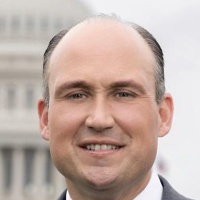
Nicholas Langworthy
Representative
NY
Nicholas Langworthy
Representative
NY
This act establishes the Federal Workforce Early Separation Incentives Act, allowing federal agencies to offer voluntary separation incentive payments to employees. These payments can be up to six months of the employee's prior salary, as determined by the agency head.
This bill establishes a Department of Veterans Affairs research program to study and facilitate veteran access to innovative and emerging treatments, including psychedelic-assisted therapies, for conditions like PTSD and chronic pain.
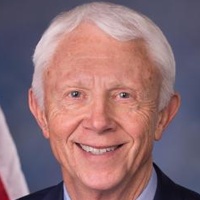
Jack Bergman
Representative
MI
Jack Bergman
Representative
MI
This bill establishes a Department of Veterans Affairs (VA) research program to study innovative and emerging therapies, such as psychedelic-assisted treatments, for conditions like PTSD and chronic pain. The program will facilitate clinical trials and compassionate access protocols for eligible veterans. The VA Secretary must report on the program's progress and outcomes within one year of enactment.
The PARK Act prohibits waiving or reducing entrance fees to National Parks and Wildlife Refuges to celebrate a sitting President's birthday, unless that day is already a Federal holiday.
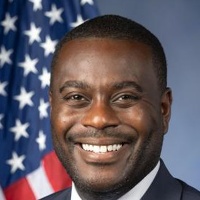
Gabe Amo
Representative
RI
Gabe Amo
Representative
RI
The PARK Act, or Protecting Americas Resources from Kings Act, amends existing law to prohibit the waiving or reduction of entrance fees at National Parks and Wildlife Refuges to celebrate a sitting President's birthday. This restriction applies unless the birthday also falls on a recognized Federal holiday.
This bill establishes a new charitable tax deduction for property use donated to qualified community learning centers for afterschool programs.
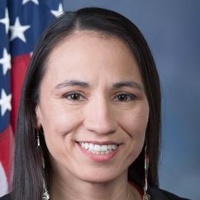
Sharice Davids
Representative
KS
Sharice Davids
Representative
KS
The Afterschool ACCESS Act creates a new federal tax deduction for property owners who donate the free use of their property or vehicles to qualified community learning centers. This deduction specifically covers the use of real property for educational purposes or vehicles used for student transportation. The goal is to encourage support for afterschool programs by providing a financial incentive for property donations.
This bill supports designating May 2025 as Renewable Fuels Month and establishes a council to develop legislative solutions for the renewable fuels industry, focusing on E15, refinery capacity, and the Renewable Fuel Standard.
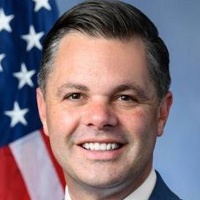
Zachary (Zach) Nunn
Representative
IA
Zachary (Zach) Nunn
Representative
IA
This bill expresses support for designating May 2025 as Renewable Fuels Month to highlight the benefits of renewable fuels, such as reducing carbon emissions and supporting rural economies. It also establishes the E15 Rural Domestic Energy Council to develop legislative solutions addressing challenges in the renewable fuels sector. The Council is tasked with investigating key areas like E15 sales and the Renewable Fuel Standard, with recommendations due to Congress by early 2026.
This bill establishes tax deductions for estates and gifts made to qualifying non-profit cemeteries and allows private foundations to count distributions to these cemeteries toward their required annual payout.
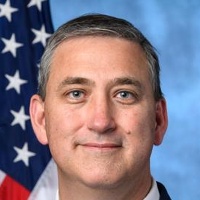
Nathaniel Moran
Representative
TX
Nathaniel Moran
Representative
TX
The Grave Injustice Parity Act amends the Internal Revenue Code to allow tax deductions for estate and gift transfers made to qualifying non-profit cemetery organizations. It also modifies rules to permit private foundations to make tax-free distributions to these same cemetery companies, counting them toward required annual payouts. This legislation aims to provide parity in charitable giving rules for certain cemetery organizations.
This bill officially designates a portion of Interstate Route 680 in Omaha, Nebraska, as the "Hal Daub Freeway."
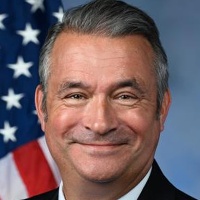
Don Bacon
Representative
NE
Don Bacon
Representative
NE
This bill officially designates a specific section of Interstate Route 680 in Omaha, Nebraska, as the "Hal Daub Freeway." The designation covers the portion from mile post 0 to the Missouri River. All federal records and documents will be updated to reflect this new official name.
This bill expands the grounds for the government to revoke U.S. citizenship for naturalized individuals who committed specific acts, such as fraud, terrorism affiliation, or aggravated felonies, within ten years of naturalization.
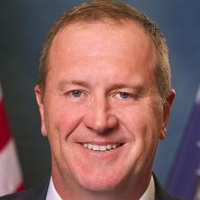
Eric Schmitt
Senator
MO
Eric Schmitt
Senator
MO
The SCAM Act establishes new grounds and procedures for the government to revoke U.S. citizenship from naturalized individuals. It allows for denaturalization if a person, within ten years of naturalization, defrauds a government program, associates with a terrorist organization, or commits an aggravated felony or espionage offense. This revocation is retroactive, treating the original citizenship as void from the date it was granted.
This bill invests in California lands by restoring forests, expanding recreational opportunities, and permanently protecting over 600,000 acres of wilderness and vital waterways.
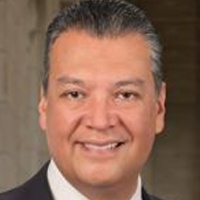
Alejandro Padilla
Senator
CA
Alejandro Padilla
Senator
CA
This bill focuses on improving California's public lands through major forest restoration, expanding outdoor recreation opportunities, and permanently protecting over 600,000 acres of new wilderness and scenic rivers. It establishes partnerships to clean up lands damaged by illegal activities and mandates updated fire management plans to increase forest resilience. The legislation also ensures existing utility infrastructure and Tribal access rights are respected within the newly designated conservation areas.
This bill reauthorizes and updates the NOAA Chesapeake Bay Office to enhance its role in coordinating science, education, and restoration efforts across the watershed.
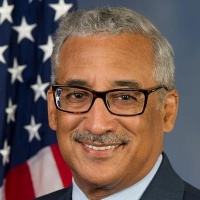
Robert Scott
Representative
VA
Robert Scott
Representative
VA
The Chesapeake Bay WATERS Act reauthorizes and updates the National Oceanic and Atmospheric Administration (NOAA) Chesapeake Bay Office. This legislation solidifies the Office's role as NOAA's primary representative in the watershed, focusing its functions on coordination, education, and scientific support. The bill authorizes specific programs for integrated coastal observations, watershed education and training, and the management of coastal and living resources.
This bill establishes a mandatory national ranked choice voting system for all federal elections for U.S. Senators and Representatives, while providing federal funding for implementation and prohibiting subsequent runoff elections.
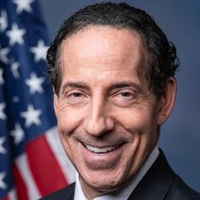
Jamie Raskin
Representative
MD
Jamie Raskin
Representative
MD
This bill establishes a national requirement for all U.S. Senate and House elections to use a ranked choice voting system, replacing traditional runoff elections. It mandates specific ballot designs, sets out a multi-round vote tabulation process, and prohibits separate runoff elections for federal offices. The legislation also provides federal funding to states to help implement these changes, which take effect for elections held on or after January 1, 2030.
The CHARGE Act of 2025 establishes a grant program to fund solar energy systems and energy storage technologies at Federally Qualified Health Centers.
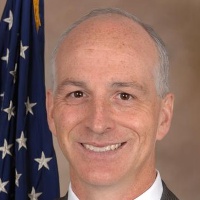
Adam Smith
Representative
WA
Adam Smith
Representative
WA
The CHARGE Act of 2025 establishes a grant program to fund the installation of solar energy systems and energy storage technologies at Federally Qualified Health Centers (FQHCs). This initiative aims to enhance the energy resilience of these vital community health providers. The program authorizes $50 million annually from 2026 through 2030 for qualifying projects.
This bill mandates the installation of security cameras at all United States Postal Service facilities, funded by new appropriations.

Eleanor Norton
Representative
DC
Eleanor Norton
Representative
DC
This bill establishes the Postal Facilities Security Camera Act, mandating the installation of security cameras at all United States Postal Service facilities to enhance the safety of employees, customers, and property. The Act authorizes Congress to appropriate necessary funds from the Treasury's general fund to implement this security program.
This bill enhances the annual report on international narcotics control by adding specific requirements for reporting on countries' improvements in combating narcotics-related money laundering and mandates a report on consistent Bank Secrecy Act examinations.
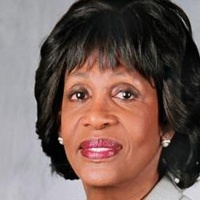
Maxine Waters
Representative
CA
Maxine Waters
Representative
CA
This bill, the International Financial Access Improvements Act, enhances reporting requirements on how countries combat narcotics-related money laundering in the President's annual report. It mandates that the Treasury Secretary consult on and produce a separate volume of the report detailing money laundering issues for specific Congressional committees. Furthermore, the Secretary of the Treasury must report on steps being taken to ensure more consistent Bank Secrecy Act examinations across relevant agencies.
The IDEAL Act establishes findings celebrating the 50th anniversary of IDEA and transfers certain unobligated Department of Education funds to IDEA special education grants for fiscal years 2026 through 2029.
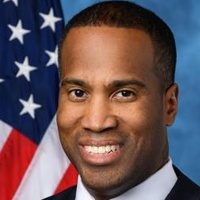
John James
Representative
MI
John James
Representative
MI
The IDEAL Act establishes findings celebrating the 50th anniversary of the Individuals with Disabilities Education Act (IDEA) and its impact on student access to education. The bill also mandates the transfer of certain unobligated Department of Education funds from fiscal year 2026 into the IDEA special education grant program for fiscal years 2026 through 2029. This transfer is contingent upon maintaining current regular IDEA funding levels and requires reporting on the canceled and allocated amounts.