Legislation
This bill establishes federal licensing for ammunition dealers and mandates in-person sales with ID verification, while also requiring recordkeeping for large purchases.
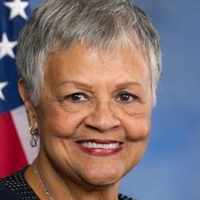
Bonnie Watson Coleman
Representative
NJ
Bonnie Watson Coleman
Representative
NJ
The Stop Online Ammunition Sales Act of 2026 establishes new federal requirements for the sale and transfer of ammunition. This includes mandating federal licensing for all ammunition dealers and requiring all sales to be conducted face-to-face with ID verification. The bill also institutes recordkeeping for large-quantity sales and restricts interstate ammunition shipments that violate local laws.
This bill establishes a statutory definition for "essential health system" based on financial criteria related to serving Medicaid and low-income patients, and requires MACPAC to create an index and report on these hospitals.
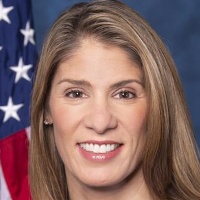
Lori Trahan
Representative
MA
Lori Trahan
Representative
MA
This bill establishes a statutory definition for an "essential health system" based on the volume of care provided to low-income and Medicaid patients. It requires the Secretary of Health and Human Services to designate qualifying hospitals for a five-year period. Furthermore, the bill mandates MACPAC to create an annual index ranking all relevant hospitals based on these financial criteria and to review payment policies supporting these essential systems.
This bill establishes a grant program to provide legal assistance and resources for individuals seeking extreme risk protection orders and shields petitioners from most federal lawsuits related to filing those orders.
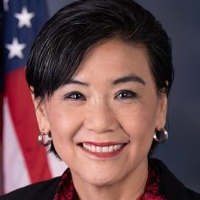
Judy Chu
Representative
CA
Judy Chu
Representative
CA
The Fair Legal Access Grants Act establishes a grant program to provide legal assistance and resources for individuals seeking extreme risk protection orders. This funding will help ensure petitioners have access to lawyers, translation services, and educational resources regarding the order process. Additionally, the bill protects individuals who file these petitions from being sued in federal court, unless the petition is false or harassing.
This bill mandates the establishment of a new national veterans cemetery in Hawaii to address the lack of accessible burial options for veterans in the state.
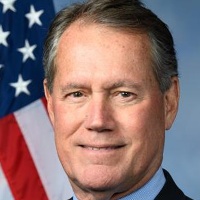
Ed Case
Representative
HI
Ed Case
Representative
HI
This bill establishes the **Hawai‘i National Cemetery Act** to address the severe lack of burial options for veterans in Hawaii. It mandates the Secretary of Veterans Affairs to immediately begin establishing a new national cemetery in the state. This action is necessary because Hawaii's only existing national cemetery is closing to new casketed burials and will soon stop accepting cremated remains, forcing veterans to travel thousands of miles for in-ground burial.
This act mandates that thirty specified federal officials must provide an annual briefing to designated congressional committees.
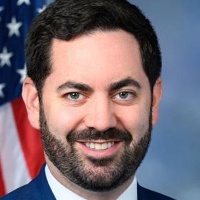
Michael Lawler
Representative
NY
Michael Lawler
Representative
NY
The Executive Transparency Act mandates that 30 specified high-level federal officials must provide annual briefings to designated congressional committees. This legislation aims to enhance oversight by requiring regular, detailed reports from key executive branch leaders to relevant legislative bodies. These briefings will cover the officials' respective areas of responsibility as determined by the committees.
This act establishes a loan repayment program for general surgeons who commit to working in underserved areas and mandates a study to better define and designate general surgery shortage areas.
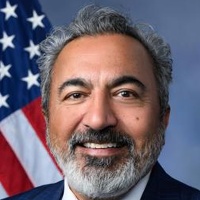
Ami Bera
Representative
CA
Ami Bera
Representative
CA
The Ensuring Access to General Surgery Act of 2026 establishes a federal program to address the shortage of general surgeons in underserved communities. This program offers loan repayment assistance of up to $200,000 over four years for eligible surgeons who commit to working in designated shortage areas. Additionally, the bill mandates a comprehensive study to develop a standardized methodology for accurately identifying and designating general surgery shortage areas across the nation.
This resolution designates January 2026 as National Stalking Awareness Month to raise awareness and encourage the prevention of stalking.
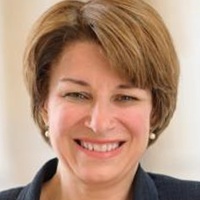
Amy Klobuchar
Senator
MN
Amy Klobuchar
Senator
MN
This resolution designates January 2026 as "National Stalking Awareness Month." It aims to raise awareness about stalking and applaud the efforts of those working to combat this crime and support victims. The resolution encourages increased awareness and continued support for stalking victims' services across various sectors.
This act prohibits the taking or transmitting of video recordings of defense information.
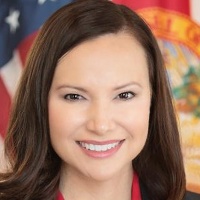
Ashley Moody
Senator
FL
Ashley Moody
Senator
FL
The Drone Espionage Act strengthens federal law to explicitly prohibit the unauthorized recording or transmission of video of sensitive defense information. This amendment updates existing statutes to specifically cover video recordings, addressing modern surveillance capabilities.
This act prohibits knowingly assisting foreign nationals in making contributions or donations in connection with U.S. elections.
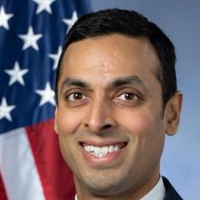
Suhas Subramanyam
Representative
VA
Suhas Subramanyam
Representative
VA
The Campaign and Election Accountability Act strengthens federal election law by prohibiting any person from knowingly assisting a foreign national in making contributions or donations related to U.S. elections. This amendment specifically targets and criminalizes providing such assistance to foreign nationals.
This Act mandates that federal agencies use specific sex-based terms like "female" or "mother" instead of "birthing person" in official communications.
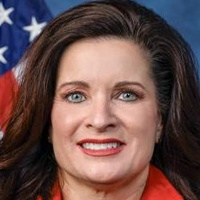
Sheri Biggs
Representative
SC
Sheri Biggs
Representative
SC
The Protecting Motherhood Act mandates that federal agencies use specific, sex-based terminology such as "mother," "woman," or "female" instead of the term "birthing person" in all official documents. This legislation defines the required terms to ensure consistency in federal communications regarding pregnancy and parenthood.
The PRESS Act establishes a new federal crime and associated penalties for manufacturing or distributing drug-making equipment with the intent that it will be used to produce drugs illegally imported into the United States.
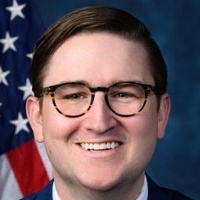
Addison McDowell
Representative
NC
Addison McDowell
Representative
NC
The PRESS Act establishes a new federal crime for manufacturing or distributing equipment used to make illegal drugs if that equipment is intended for substances that will be unlawfully imported into the United States. This legislation amends the Controlled Substances Act to create specific prison sentences for these supply chain offenses. The Act also directs the Sentencing Commission to update federal guidelines to reflect these new penalties.
This act exempts veterans from the work requirements for the Supplemental Nutrition Assistance Program (SNAP).
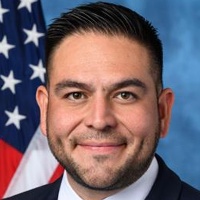
Gabriel (Gabe) Vasquez
Representative
NM
Gabriel (Gabe) Vasquez
Representative
NM
The Feed Our Veterans Act permanently exempts all veterans from the work requirements associated with receiving Supplemental Nutrition Assistance Program (SNAP) benefits. This legislation ensures that veterans have consistent access to food assistance without meeting specific employment criteria.
This resolution calls for the immediate elimination of race-based Native American logos, mascots, and names from state educational institutions and sports franchises due to their harmful impact on Native American youth.
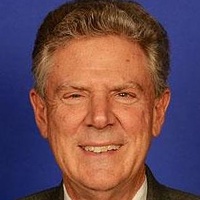
Frank Pallone
Representative
NJ
Frank Pallone
Representative
NJ
This resolution calls on the Secretary of Education to work with stakeholders to immediately eliminate race-based Native American logos, mascots, and names from state educational institutions due to their documented harmful effects on Native youth. It also urges state schools and national sports franchises to cease the unsanctioned use of these symbols. The goal is to overcome stereotypes and ensure Native American students can achieve academically without discrimination.
This bill establishes a competitive grant program to fund workforce training and apprenticeships for skilled trades in historic preservation.
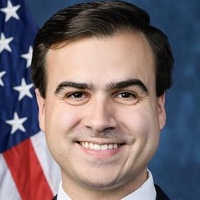
Pablo José Hernández Rivera
Representative
PR
Pablo José Hernández Rivera
Representative
PR
This bill establishes the Historic Infrastructure Management and Jobs Training Act to create a competitive grant program supporting workforce training and apprenticeships in skilled trades for historic preservation. The program, administered by the Secretary of the Interior, will fund projects that teach specialized skills needed to preserve historic properties and cultural resources. Priority will be given to projects serving areas with high unemployment or limited existing preservation expertise.
This Act establishes a voluntary grant program for states to develop secure, privacy-preserving digital identity systems, such as digital driver's licenses, to combat rising identity fraud and theft.
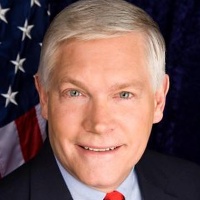
Pete Sessions
Representative
TX
Pete Sessions
Representative
TX
The Stop Identity Fraud and Identity Theft Act of 2026 addresses the rising threat of identity fraud by establishing a grant program for states. This funding will help states develop secure, digital versions of identity credentials, like driver's licenses, to combat fraud and deepfake attacks. Participation in this program is entirely voluntary for states. The goal is to enhance digital identity security and reliability for trusted online transactions.
This act nullifies the 2025 Memorandum of Understanding between HUD and DHS regarding housing and immigration enforcement.
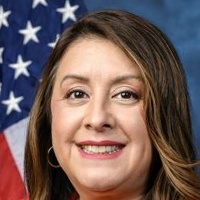
Luz Rivas
Representative
CA
Luz Rivas
Representative
CA
The Housing Without Fear Act of 2026 aims to nullify the existing Memorandum of Understanding between the Department of Housing and Urban Development (HUD) and the Department of Homeland Security (DHS) signed on March 24, 2025. This legislation specifically prohibits both Secretaries from implementing the terms of that agreement.
The Daylight Act of 2026 permanently establishes new, fixed standard time offsets across U.S. time zones and repeals Daylight Saving Time.
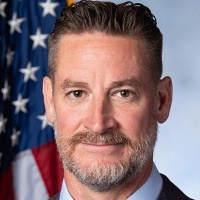
W. Steube
Representative
FL
W. Steube
Representative
FL
The Daylight Act of 2026 seeks to establish permanent standard time across the United States by amending existing time zone laws. This legislation would eliminate the practice of observing Daylight Saving Time, meaning clocks would no longer change twice a year. The bill sets specific, permanent offsets from Coordinated Universal Time (UTC) for all established time zones.
This bill phases out the H-1B visa program over ten years, restricts eligible occupations during that time, and ends Medicare funding for residency programs training non-citizen physicians.
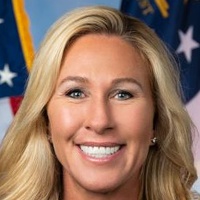
Marjorie Greene
Representative
GA
Marjorie Greene
Representative
GA
The "End H-1B Now Act" proposes to eliminate the H-1B visa program through a ten-year phase-out, starting in fiscal year 2026 and ending in 2036. During this phase-out, H-1B eligibility will be restricted only to physicians, surgeons, and nurses. Additionally, the bill prohibits Medicare funding for graduate medical education programs that train non-citizen physicians.
This act establishes national security priorities within the USDA, mandates a Senior Advisor for National Security, and requires regular reports to Congress on vulnerabilities in the food and agriculture sector.
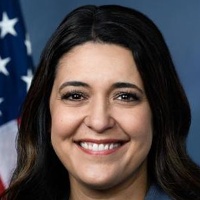
Stephanie Bice
Representative
OK
Stephanie Bice
Representative
OK
The Agriculture and National Security Act of 2026 formally recognizes food and agriculture as critical to national security. This bill establishes a Senior Advisor for National Security within the USDA to prioritize national security concerns alongside homeland security. It also mandates regular reporting to Congress on identified vulnerabilities, such as foreign influence and data control, and authorizes personnel exchanges with key defense and intelligence agencies.
This act creates a federal income tax exclusion for the wages of eligible K-12 public school teachers, up to \$50,000 or \$65,000 depending on the school's circumstances.
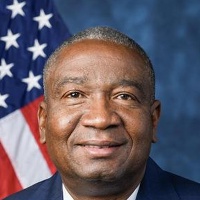
Cleo Fields
Representative
LA
Cleo Fields
Representative
LA
The Supporting Teachers Through Tax Fairness Act creates a new federal income tax exclusion for eligible K-12 public school educators. This provision allows teachers, counselors, and aides working at least 900 hours annually to exclude up to \$50,000 of their wages from federal income tax. The exclusion limit increases to \$65,000 for educators in high-need, rural, or specialized STEM/Special Education roles.