Legislation
The PLANT Act establishes a federal crime with severe penalties for the reckless importation of dangerous agricultural pathogens that threaten U.S. crops and livestock.
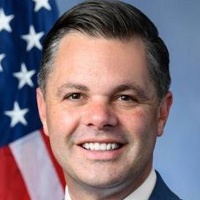
Zachary (Zach) Nunn
Representative
IA
Zachary (Zach) Nunn
Representative
IA
The Preventing Lethal Agricultural and National Threats (PLANT) Act establishes a new federal crime for the reckless importation of high-risk agricultural pathogens without proper authorization. This legislation imposes significant penalties, including up to 10 years in prison, which can increase to 20 years if the act involves foreign government ties or causes substantial economic damage. The Department of Agriculture is tasked with defining which specific pathogens are considered high-risk under this new law.
This Senate resolution expresses the sense that President Trump should be awarded the Nobel Peace Prize for ending Iran's nuclear program while simultaneously arguing for the revocation of President Obama's 2009 award.
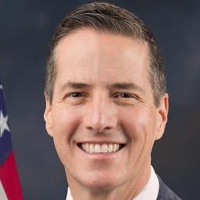
Bernie Moreno
Senator
OH
Bernie Moreno
Senator
OH
This Senate resolution formally expresses support for nominating former President Donald Trump for the Nobel Peace Prize based on his actions regarding Iran's nuclear program. The resolution simultaneously argues that former President Barack Obama should have his 2009 Nobel Peace Prize revoked due to his use of drone strikes and handling of the Iran nuclear deal. Ultimately, the Senate urges the Norwegian Nobel Committee to award the 2025 prize to President Trump for allegedly ending Iran's nuclear threat in 12 days.
The SALONS Stories Act increases federal crime control grants for states that mandate domestic violence awareness training for cosmetologists and barbers.
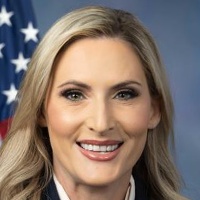
Laurel Lee
Representative
FL
Laurel Lee
Representative
FL
The SALONS Stories Act incentivizes states to train cosmetologists and barbers on recognizing and responding to domestic violence. States that mandate this specialized training for licensing become eligible for a grant increase of up to 10% on existing federal crime control funds. This funding boost is available for a maximum of three years to support these vital community-based prevention efforts.
This bill exempts specific fuel reduction and reforestation activities in Yosemite National Park from standard National Environmental Policy Act reviews to expedite forest management.
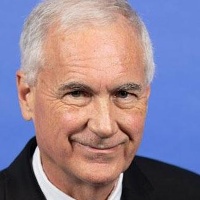
Tom McClintock
Representative
CA
Tom McClintock
Representative
CA
This bill exempts specific, limited forest management activities within Yosemite National Park from the full environmental review requirements of the National Environmental Policy Act (NEPA). This allows for the expedited planning and execution of projects focused on fuel reduction, such as brush clearing, and reforestation efforts. The goal is to streamline processes for necessary forest maintenance within the park.
This act establishes regional centers to research, develop, and train for enhanced cybersecurity across the American food and agriculture supply chain.
Zachary (Zach) Nunn
Representative
IA
Zachary (Zach) Nunn
Representative
IA
The Cybersecurity in Agriculture Act of 2025 establishes a program to create five Regional Agriculture Cybersecurity Centers. These centers will focus on research, development, and training to secure the nation's food supply chain against cyber threats. The bill authorizes $25 million annually through fiscal year 2030 to fund these university-led initiatives.
This Act mandates the Secretary of Defense to conduct activities commemorating the 50th anniversary of the Vietnam War, effective November 11, 2025.
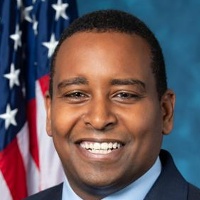
Joe Neguse
Representative
CO
Joe Neguse
Representative
CO
The Vietnam Veteran Commemoration Fund Act of 2025 mandates the Secretary of Defense to carry out activities commemorating the 50th anniversary of the Vietnam War. This bill amends existing law to change the commemoration from an optional activity to a required duty. These changes will officially take effect on November 11, 2025.
The STATES Act requires a state to reimburse the federal government for the full cost of deploying its National Guard if the deployment was necessitated by that state's negligence or action, effective retroactively to June 1, 2025.
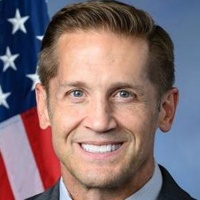
Rich McCormick
Representative
GA
Rich McCormick
Representative
GA
The STATES Act changes how the President can federalize the National Guard during specific national emergencies. If a state's negligence necessitates this federal deployment, the Act requires that state to reimburse the federal government for 100% of the incurred costs by reducing its federal funding. This provision applies retroactively to actions taken on or after June 1, 2025.
This bill authorizes a grant program to provide federal funding and technical assistance for remote, island, and Tribal communities to build resilient, local renewable energy systems.
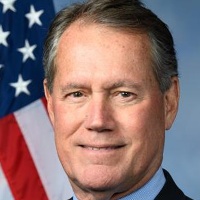
Ed Case
Representative
HI
Ed Case
Representative
HI
The Energy Transitions Initiative Authorization Act of 2025 establishes a new grant program to help remote, island, and Tribal communities build more resilient and reliable local energy systems. This initiative will provide federal funding, up to 90% of project costs, for eligible entities to deploy renewable energy infrastructure like solar, wind, and microgrids. The program emphasizes local partnership and will undergo annual oversight and auditing by the Government Accountability Office (GAO).
This act prohibits members of Congress, their spouses, and dependents from short selling stocks and other covered financial instruments.
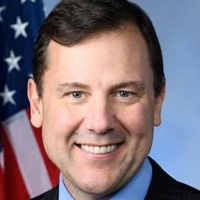
Thomas Kean
Representative
NJ
Thomas Kean
Representative
NJ
The No Shorting America Act prohibits Members of Congress, their spouses, and dependents from engaging in short sales of publicly traded securities. This legislation aims to prevent insider trading risks by banning these "covered individuals" from betting against the stock market. Violators face the inability to deduct resulting losses for tax purposes and potential civil penalties up to $50,000. Compliance requires public certification through congressional ethics offices.
This bill prohibits individuals convicted of assaulting a law enforcement officer or committing a felony during a riot that destroyed a small business from receiving Small Business Administration assistance.
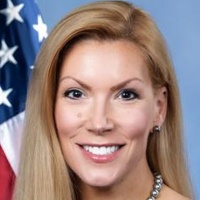
Beth Van Duyne
Representative
TX
Beth Van Duyne
Representative
TX
The Stop Funding Rioters Act prohibits individuals convicted of assaulting a law enforcement officer or committing a felony during a riot that resulted in the destruction of a small business from receiving assistance from the Small Business Administration (SBA). This legislation specifically bars those with such convictions from accessing SBA loans, grants, or other program benefits.
This Act ensures the President cannot violate the 1977 U.S.-Canada agreement concerning cross-border transit pipelines.

John Moolenaar
Representative
MI
John Moolenaar
Representative
MI
The Line 5 Act officially codifies and protects the 1977 U.S.-Canada Agreement Concerning Transit Pipelines. This legislation explicitly prevents the President or any executive branch official from unilaterally breaking or undermining this existing international treaty regarding cross-border pipelines. It ensures the long-standing pipeline agreement remains legally binding and enforceable.
This act clarifies Medicare coverage and payment rules for occupational therapy services when used to treat mental health or substance use disorders.
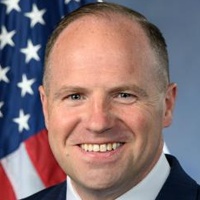
Timothy Kennedy
Representative
NY
Timothy Kennedy
Representative
NY
The Occupational Therapy Mental Health Parity Act aims to clarify and ensure proper coverage of occupational therapy services under Medicare for treating mental health and substance use disorders. It mandates the Secretary of Health and Human Services to educate stakeholders on billing and payment rules within the Medicare Benefit Policy Manual. This ensures providers are correctly reimbursed when using occupational therapy for mental health treatment.
This act updates federal infrastructure funding criteria to specifically include and support the establishment and operation of regular ferry services within the Commonwealth of the Northern Mariana Islands (CNMI).
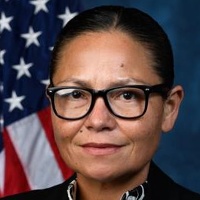
Kimberlyn King-Hinds
Representative
MP
Kimberlyn King-Hinds
Representative
MP
The CNMI Ferry Act updates federal law to ensure the Commonwealth of the Northern Mariana Islands (CNMI) is eligible for infrastructure funding dedicated to ferry services. This legislation broadens the definition of "ferry service" and explicitly designates all areas within the CNMI as "rural areas" for funding purposes. The Act mandates that funding rules must now include provisions for establishing and operating eligible ferry services within the CNMI.
This constitutional amendment proposes adding twelve Senators elected by the national popular vote and twelve at-large Electoral College votes for the presidential winner.
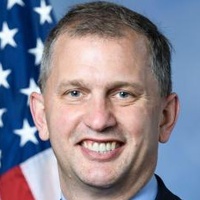
Sean Casten
Representative
IL
Sean Casten
Representative
IL
This proposed constitutional amendment would add twelve Senators to the U.S. Senate, elected nationally by popular vote to increase representation. It also creates twelve at-large Electoral College votes awarded to the winner of the national popular vote for President and Vice President. The amendment grants Congress the authority to establish the procedures for these national elections.
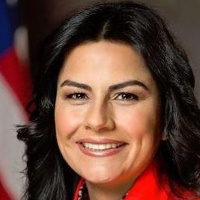
This resolution recognizes the right to peaceful protest while condemning violence and criticizing the federal government's controversial deployment of military forces during recent Los Angeles demonstrations.
Nanette Barragán
Representative
CA
Nanette Barragán
Representative
CA
This resolution formally recognizes the constitutional right to peaceful protest while strongly condemning violence and illegal acts committed during demonstrations. It criticizes the federal government's deployment of military forces during recent events, arguing the actions were an overreach that bypassed proper legal and state authority. Ultimately, the bill asserts the importance of transparency in law enforcement and denounces rhetoric that escalates community tensions.
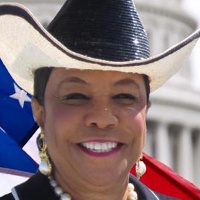
This resolution encourages members of Congress to conduct unannounced oversight visits to ICE detention facilities within their states to assess conditions following perceived lapses in DHS oversight.
Frederica Wilson
Representative
FL
Frederica Wilson
Representative
FL
This resolution encourages Members of Congress to conduct unannounced visits to Immigration and Customs Enforcement (ICE) detention facilities within their states. Congress feels this direct oversight is necessary due to perceived failures in internal Department of Homeland Security (DHS) monitoring. The goal is for members to gain firsthand knowledge of detention conditions to inform necessary reforms.
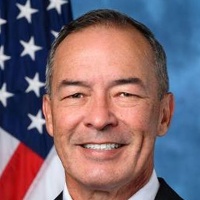
This resolution supports the designation of Guam War Survivors Remembrance Day to honor the loyalty and sacrifice of the CHamoru people during the Japanese occupation in World War II.
James (Jim) Moylan
Representative
GU
James (Jim) Moylan
Representative
GU
This resolution officially supports the designation of Guam War Survivors Remembrance Day to honor the CHamoru people who survived the harsh Japanese occupation during World War II. It recognizes their incredible loyalty and sacrifice while under duress, including aiding American service members. The bill calls for the entire nation to observe this day to ensure their stories of courage are never forgotten.
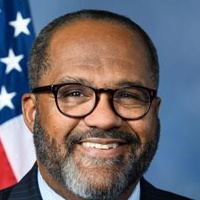
This resolution supports designating June 2025 as National Men's Health Month to raise awareness about preventable health issues and encourage early treatment for men and boys.
Troy Carter
Representative
LA
Troy Carter
Representative
LA
This resolution supports the designation of June 2025 as "National Men's Health Month" to raise awareness about significant health disparities affecting American men. It highlights lower life expectancy, higher rates of certain chronic diseases, and barriers to seeking preventive care. The goal is to encourage early detection and treatment for male-specific health issues through public education.
This Act establishes an FBI-led task force to combat oil theft in the Permian Basin, increases criminal penalties for related crimes, and allows states to use Byrne JAG funds for oil theft prevention.
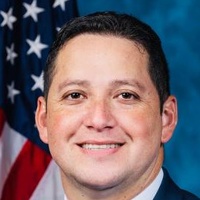
Ernest Gonzales
Representative
TX
Ernest Gonzales
Representative
TX
The Protect the Permian Act of 2025 establishes an FBI-led Permian Basin Oil Theft Task Force to combat rising oil theft in the region. The bill also significantly increases criminal penalties for tampering with pipelines, transporting stolen oil across state lines, and related fraud. Finally, it authorizes states to use existing Byrne JAG grant funds specifically for oil theft investigation and reduction programs.
This Act mandates federal agencies and contractors to review and eliminate unnecessary bachelor's degree requirements for job roles, prioritizing skills and experience.
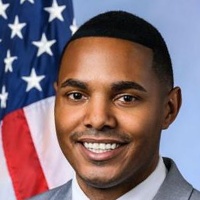
Ritchie Torres
Representative
NY
Ritchie Torres
Representative
NY
The Employment Abundance Act mandates a review of job requirements for federal contractors and executive agencies to ensure bachelor's degrees are only required when truly necessary for essential job functions. Agencies and contractors must analyze current degree requirements and develop plans to substitute them with relevant experience or skills where appropriate. This aims to broaden the pool of qualified candidates for federal work by focusing on actual job competency over unnecessary educational credentials.