Legislation
The Internet Reach and Access Now Act establishes a program to counter Iranian internet censorship by funding technologies like VPNs and eSIMs, safeguarding satellite access, and training civil society groups to ensure the free flow of information.
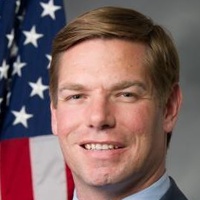
Eric Swalwell
Representative
CA
Eric Swalwell
Representative
CA
The Internet Reach and Access Now (IRAN) Act establishes a program to counter Iranian government censorship by providing technologies and support to help citizens access the open internet. It directs the Secretary of State to coordinate efforts, update strategies to ensure sanctions don't block access tools, and safeguard satellite coverage over Iran. The bill authorizes significant funding to support these initiatives, including cybersecurity training for Iranian civil society.
This resolution expresses support for designating 2026 as the "National Year of the Volunteer" to honor service and encourage nationwide community engagement.
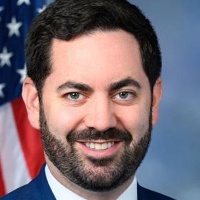
Michael Lawler
Representative
NY
Michael Lawler
Representative
NY
This resolution expresses support for designating 2026 as the "National Year of the Volunteer" to celebrate and recommit to community service. It recognizes the vital role volunteers play in strengthening communities despite recent declines in volunteer rates. The designation encourages nationwide efforts to highlight service opportunities in honor of the nation's 250th anniversary.
The HIRE DEA Act grants the Drug Enforcement Administration direct hire authority from 2027 through 2034 to expedite the appointment of personnel to critical roles combating drug trafficking.
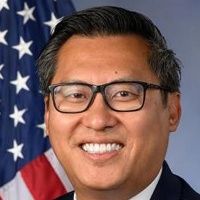
Vince Fong
Representative
CA
Vince Fong
Representative
CA
The HIRE DEA Act grants the Drug Enforcement Administration (DEA) special direct hire authority from 2027 through 2034. This allows the Attorney General to quickly appoint qualified candidates to critical roles, such as Special Agents and intelligence analysts, bypassing standard competitive hiring rules. This authority is intended to enhance the DEA's ability to combat evolving drug trafficking threats.
This act mandates expedited approval timelines and sets new maximum guarantee percentages for certain USDA farm and rural business loans.
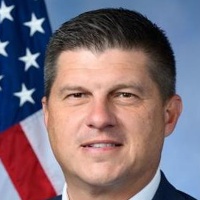
Brad Finstad
Representative
MN
Brad Finstad
Representative
MN
The USDA Express Loan Act of 2026 aims to speed up the approval process for certain USDA-guaranteed farm and rural business loans. It mandates a simplified application for farm loans up to $1,000,000, requiring a 5-day decision for Preferred Lenders. The bill also establishes new, tiered maximum government guarantee percentages for these farm loans.
This act imposes a 100% tax on civil damages received by a sitting U.S. President or related persons from lawsuits filed against the United States during their term in office.
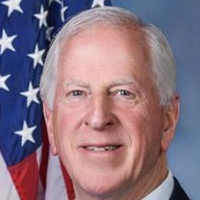
Mike Thompson
Representative
CA
Mike Thompson
Representative
CA
The Prevent Presidential Profiteering Act imposes a 100% tax on certain civil damages received by a sitting U.S. President or their related persons from lawsuits filed against the United States during their term in office. This tax is levied on the "qualified civil action amount" received from such litigation. These damages are specifically excluded from regular gross income for standard income tax purposes.
This bill grants NASA temporary authority to detect, identify, and counter drone threats to its high-risk facilities and assets through September 30, 2031.

Haley Stevens
Representative
MI
Haley Stevens
Representative
MI
The NASA C-UAS Act grants the National Aeronautics and Space Administration (NASA) temporary authority to detect, identify, and counter drone threats to its high-risk facilities and assets until September 30, 2031. This authority allows NASA to take necessary actions, including intercepting drone communications, after conducting risk assessments of its facilities. The bill mandates coordination with the Department of Transportation to ensure national airspace safety and includes specific privacy protections for intercepted communications. NASA must also regularly report its activities and policies to Congress.
The PORCUPINE Act amends the Arms Export Control Act to include Taiwan in existing certification and reporting requirements and mandates a feasibility study for expediting military equipment transfers to Taiwan from key allies.

Robert Wittman
Representative
VA
Robert Wittman
Representative
VA
The PORCUPINE Act amends the Arms Export Control Act to formally include Taiwan in existing certification and reporting requirements. It also mandates a feasibility study for expediting the licensing process for allied nations transferring U.S.-origin military equipment to Taiwan. The legislation is intended to enhance security cooperation while affirming that it does not alter existing U.S. policy as defined by the Taiwan Relations Act.
This resolution recognizes January 2026 as National Mentoring Month to honor mentors and promote quality mentoring programs for America's youth.

Mary Scanlon
Representative
PA
Mary Scanlon
Representative
PA
This resolution officially recognizes January 2026 as National Mentoring Month to honor the dedicated staff and volunteers in mentoring programs. It highlights the significant benefits of mentoring, such as boosting educational achievement and reducing juvenile delinquency. The bill encourages the growth of quality mentoring programs nationwide to ensure more young people have supportive adult connections.
This resolution establishes the House consideration process for bills modernizing firearms laws, streamlining fiber optic cable authorization in marine sanctuaries, securing critical energy resources, and adjusting emergency declaration timelines.
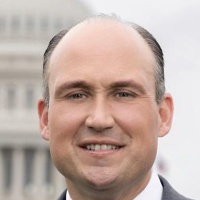
Nicholas Langworthy
Representative
NY
Nicholas Langworthy
Representative
NY
This resolution establishes the expedited House consideration process for three separate bills addressing firearms modernization, undersea fiber optic cables in marine sanctuaries, and securing critical energy resources. It sets strict debate limits and waives most procedural objections for each measure. Additionally, the resolution alters the timeline for congressional review of specific national emergency declarations.
This resolution sets the expedited process for the House to immediately consider and vote on H.R. 3310, which would grant Temporary Protected Status eligibility to Venezuelan nationals.
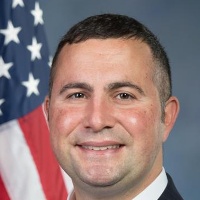
Darren Soto
Representative
FL
Darren Soto
Representative
FL
This resolution sets the expedited process for the House of Representatives to immediately consider H.R. 3310. The bill itself aims to designate Venezuela under the Immigration and Nationality Act to make its nationals eligible for Temporary Protected Status (TPS). The resolution establishes strict debate limits and waives standard procedural hurdles to quickly bring the bill to a final vote.
This bill establishes a federal crime and civil cause of action for performing an abortion based on a diagnosis or potential diagnosis of Turner syndrome.
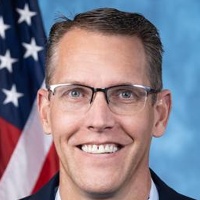
Randy Feenstra
Representative
IA
Randy Feenstra
Representative
IA
The Protecting Girls with Turner Syndrome Act of 2026 prohibits abortions sought solely because an unborn child has or may have Turner syndrome, creating new federal crimes and civil causes of action. This legislation makes it unlawful to perform, coerce, or facilitate such abortions, with penalties including fines and imprisonment. The Act allows specific family members and the Attorney General to file lawsuits seeking damages against those who violate these prohibitions.
This bill enhances U.S.-Israel cooperation, funding, and reporting requirements to counter the growing threat of Iranian unmanned aerial systems.
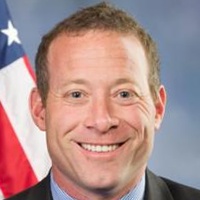
Josh Gottheimer
Representative
NJ
Josh Gottheimer
Representative
NJ
The U.S.-Israel Anti-Killer Drone Act of 2026 establishes a framework to significantly enhance joint U.S.-Israel cooperation specifically aimed at countering threats posed by Iranian unmanned aerial systems (drones). This legislation increases authorized funding for cooperative missile defense programs and mandates detailed annual reporting on joint counter-drone research, development, and deployment efforts. The goal is to accelerate the exchange of technology and expertise to defend against evolving drone attacks.
This resolution expresses support for designating February 2026 as American Heart Month to raise awareness and promote efforts to combat cardiovascular disease.
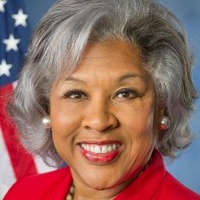
Joyce Beatty
Representative
OH
Joyce Beatty
Representative
OH
This resolution expresses strong support for designating February 2026 as American Heart Month. It highlights the severe impact of cardiovascular disease as the leading cause of death in the U.S. and emphasizes the need to promote awareness, support research, and improve access to care to combat this major health crisis. The bill encourages all Americans to learn about their personal risk factors.
This act mandates that incarcerated individuals be counted at their last known residence before incarceration for both census purposes and congressional redistricting.
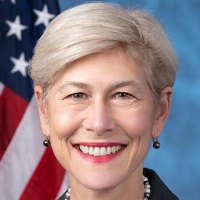
Deborah Ross
Representative
NC
Deborah Ross
Representative
NC
The End Prison Gerrymandering Act changes how incarcerated individuals are counted in the U.S. Census, requiring them to be counted at their last known home address before incarceration, starting with the 2030 census. This change mandates that states must use this pre-incarceration residence when drawing congressional districts. The goal is to prevent prison populations from artificially inflating the political power of districts where prisons are located.
This Act modifies the calculation of interest for antidumping and countervailing duty distributions and mandates a special one-time distribution of previously earned interest to eligible parties.
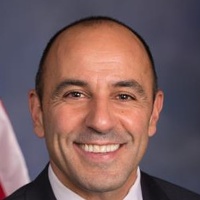
Jimmy Panetta
Representative
CA
Jimmy Panetta
Representative
CA
The Trade Cheating Restitution Act of 2026 modifies how interest is calculated for distributions of antidumping and countervailing duties, setting the relevant date back to October 1, 2000. The bill establishes a special, one-time distribution of previously earned interest to eligible parties who have received prior duty offset payments. This aims to provide restitution by distributing accumulated interest in two phases following enactment.
This act prohibits the use of images of living elected officials or political figures on the National Parks and Federal Recreational Lands Pass.
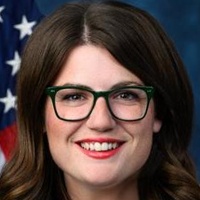
Sarah Elfreth
Representative
MD
Sarah Elfreth
Representative
MD
This bill, the Prohibit Partisan Park Passes Act, amends existing law to restrict the imagery allowed on the National Parks and Federal Recreational Lands Pass. Specifically, it prohibits the use of images of any living current or former elected official or living political figure on the pass.
This bill increases transparency for the Nonprofit Security Grant Program by requiring FEMA to submit detailed pre-grant and annual reports to Congress regarding grant applications, awards, and expenditures.
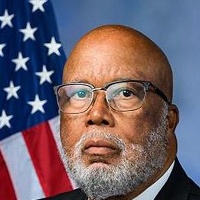
Bennie Thompson
Representative
MS
Bennie Thompson
Representative
MS
This bill, the Nonprofit Security Grant Program Transparency Act, enhances oversight of the Nonprofit Security Grant Program by requiring FEMA to submit detailed pre-award and annual reports to Congress. These reports will provide comprehensive data on grant applications, awards by state and high-risk area, and how recipient funds are ultimately spent. The goal is to increase transparency regarding the distribution and use of security grant funds for eligible nonprofits.
This bill mandates that voters present government photo identification and proof of U.S. citizenship to receive a ballot in federal elections, beginning with the November 2026 general election.
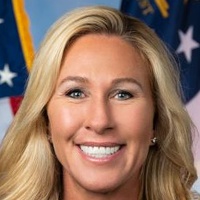
Marjorie Greene
Representative
GA
Marjorie Greene
Representative
GA
This Act amends federal election law to mandate that voters present both government photo identification and proof of U.S. citizenship when voting in federal elections, beginning in November 2026. These requirements apply to both in-person and mail-in voting procedures. The bill also establishes new federal criminal penalties for assisting noncitizens to vote or providing ballots to those who fail to meet the new identification standards.
This act establishes a refundable, five-year tax credit of up to $25,000 for first-time homebuyers, with accelerated payment for essential workers, subject to income and price limitations.
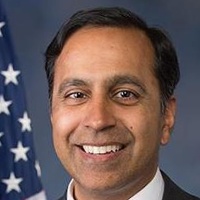
Raja Krishnamoorthi
Representative
IL
Raja Krishnamoorthi
Representative
IL
The First Home Affordability Act establishes a new refundable tax credit for first-time homebuyers, generally claimed over five years, up to a maximum of \$25,000. The credit amount is subject to phase-outs based on the buyer's income and the home's purchase price relative to local area medians. Special provisions allow certain essential workers (teachers, childcare workers, and first responders) to receive the full credit immediately, and taxpayers have the option to transfer the credit directly to their mortgage lender at closing.
This bill, the SCAM Act, establishes new grounds and procedures for the government to revoke the citizenship of naturalized individuals who commit specific serious offenses or fraud within ten years of naturalization.
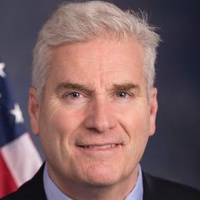
Tom Emmer
Representative
MN
Tom Emmer
Representative
MN
The SCAM Act establishes new grounds for the government to revoke the citizenship of naturalized individuals. It allows for denaturalization if a person commits fraud against the government, joins a terrorist organization, or commits an aggravated felony within ten years of naturalization. These actions are deemed proof that the individual lacked good moral character at the time they became a citizen. Revocation of citizenship under this Act is retroactive to the original date of naturalization.