Legislation
The State Boating Act authorizes states to collect and allocate specific boating fees to fund safety, search and rescue, and aquatic invasive species mitigation efforts.

Michael Crapo
Senator
ID
Michael Crapo
Senator
ID
The State Boating Act authorizes states to collect specific fees from boaters to fund essential maritime services, including search and rescue operations, safety initiatives, and aquatic invasive species mitigation. These funds are strictly restricted to activities that directly support recreational boating, boater safety, and waterway access.
This bill expands the expedited removal and mandatory detention of noncitizens convicted of specific crimes or affiliated with criminal gangs and terrorist organizations, while restricting their eligibility for asylum and other forms of immigration relief.
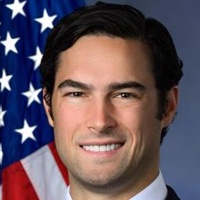
Brandon Gill
Representative
TX
Brandon Gill
Representative
TX
The Expedited Removal of Criminal Aliens Act expands the authority of the Department of Homeland Security to streamline the removal of noncitizens convicted of specific crimes or associated with criminal gangs and terrorist organizations. The bill mandates the detention of these individuals, restricts their eligibility for asylum and other forms of immigration relief, and creates new exceptions to existing protections against removal to countries where they may face persecution.
The Keep Jobs in California Act of 2026 prohibits states from imposing retroactive asset taxes on nonresident individuals.
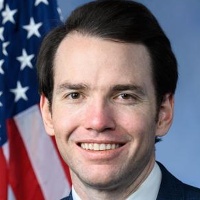
Kevin Kiley
Representative
CA
Kevin Kiley
Representative
CA
The Keep Jobs in California Act of 2026 prohibits states from imposing retroactive asset taxes on nonresident individuals. This legislation ensures that individuals cannot be taxed on the value of assets from periods prior to the enactment of a tax law if they were not residents of that state at the time the law was passed.
This bill reauthorizes and expands the National Domestic Preparedness Consortium, updating its member list and mission while providing $587 million in funding through 2031 to enhance emergency training for state, local, tribal, and territorial agencies.
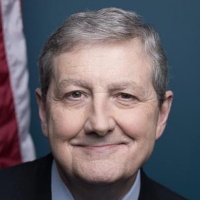
John Kennedy
Senator
LA
John Kennedy
Senator
LA
The National Domestic Preparedness Consortium Reauthorization Act updates and reauthorizes the consortium’s mission to provide critical training to state, local, tribal, and territorial public safety agencies. The bill expands the consortium's membership, modernizes its training focus, and authorizes $587 million in funding over five years. Additionally, it establishes protections to ensure consistent and equitable funding distribution among member organizations.
The SAFE Act reforms the Foreign Intelligence Surveillance Act (FISA) to strengthen privacy protections, increase judicial and congressional oversight, and restrict how government agencies collect and search the data of U.S. persons.
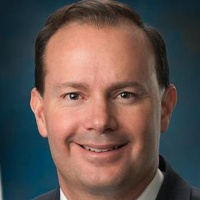
Mike Lee
Senator
UT
Mike Lee
Senator
UT
The SAFE Act is a comprehensive legislative reform of the Foreign Intelligence Surveillance Act (FISA) designed to strengthen privacy protections for U.S. persons. It imposes stricter oversight, warrant requirements, and accountability measures on government surveillance, while closing loopholes regarding the purchase of personal data from commercial brokers. Additionally, the bill mandates increased transparency and reporting to ensure greater public and congressional scrutiny of intelligence activities.
This act reforms the Public Safety Officers’ Benefits (PSOB) program by streamlining claims processing, establishing new benefits for permanent partial disabilities, and mandating expedited approvals for 9/11-related claims.
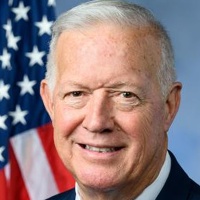
Randy Weber
Representative
TX
Randy Weber
Representative
TX
The Officer John Barnes and Chief Michael Ansbro Public Safety Officers’ Benefits Program Expansion Act of 2026 improves the Public Safety Officers’ Benefits (PSOB) program by establishing stricter timelines for claim processing, creating a new benefit for permanent partial disabilities, and mandating expedited approvals for 9/11-related claims. The bill also enhances program transparency through increased outreach, mandatory audits, and the implementation of key GAO recommendations to ensure timely support for officers and their families.
The Gateway Partnership Act authorizes a cooperative agreement between the National Park Service and the Gateway Arch Park Foundation to manage park operations and conduct a pilot project for hosting private events at Gateway Arch National Park.
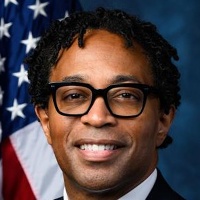
Wesley Bell
Representative
MO
Wesley Bell
Representative
MO
The Gateway Partnership Act authorizes a cooperative agreement between the Secretary of the Interior and the Gateway Arch Park Foundation to assist in the daily operations, maintenance, and programming of Gateway Arch National Park. Additionally, the Act establishes a five-year pilot project allowing the Foundation to host private events within park facilities under strict oversight to ensure public access and resource protection. All activities remain subject to National Park Service standards and federal audit requirements.
This bill reauthorizes and updates the Integrated Coastal and Ocean Observation System Act of 2009 to expand oceanographic research capabilities and authorize $47.5 million in annual funding through 2030.
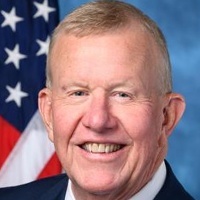
Mike Ezell
Representative
MS
Mike Ezell
Representative
MS
This bill reauthorizes the Integrated Coastal and Ocean Observation System Act of 2009, updating its governing structure and expanding the scope of its oceanographic research and data-sharing capabilities. It also mandates improved collaboration between regional and federal observing systems to enhance data integration. Additionally, the legislation authorizes $47.5 million in annual funding for these initiatives from fiscal years 2026 through 2030.
The BRAVE Burma Act strengthens U.S. sanctions and accountability measures against the Burmese military regime, extends existing oversight provisions, and establishes a dedicated Special Envoy to coordinate diplomatic efforts toward restoring democracy in Burma.

Chris Van Hollen
Senator
MD
Chris Van Hollen
Senator
MD
The BRAVE Burma Act strengthens U.S. pressure on the Burmese military regime by extending existing sanctions, mandating new assessments of state-owned enterprises and the jet fuel sector, and limiting Burma’s IMF shareholding. The bill also establishes a formal U.S. Special Envoy for Burma to lead diplomatic efforts, coordinate international sanctions, and support the restoration of a civilian-led democratic government.
The Federal Loan Systems Modernization Act of 2026 establishes "Lending.gov," a centralized, modernized platform designed to streamline the administration, oversight, and accessibility of federal loan programs.

Marsha Blackburn
Senator
TN
Marsha Blackburn
Senator
TN
The Federal Loan Systems Modernization Act of 2026 mandates the creation of "Lending.gov," a centralized, shared-services platform designed to modernize and streamline federal loan management. By replacing outdated agency-specific systems with standardized, commercially available technology, the Act aims to improve operational efficiency, reduce costs, and enhance the borrower experience. The legislation establishes clear oversight, performance standards, and a mandatory migration timeline for federal agencies to ensure a unified and secure digital lending infrastructure.
This bill establishes a Department of the Interior program to identify and restore federal and tribal lands damaged by wildfires, storms, and disease outbreaks through targeted reforestation projects.
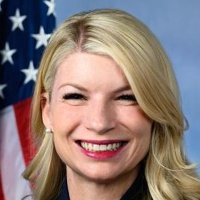
Brittany Pettersen
Representative
CO
Brittany Pettersen
Representative
CO
The Post-Disaster Reforestation and Restoration Act establishes a Department of the Interior program to restore federal and tribal lands damaged by wildfires, storms, and disease. The initiative prioritizes areas unlikely to recover naturally by funding reforestation projects through grants, contracts, and cooperative agreements. Additionally, the bill mandates annual reporting to Congress and requires outreach to tribal, state, and local stakeholders to ensure effective land recovery.
The Smarter Sentencing Act of 2026 reduces mandatory minimum prison sentences for certain federal drug offenses, establishes new sentencing guidelines for low-level couriers, and mandates comprehensive reporting on federal criminal statutes and regulatory offenses.
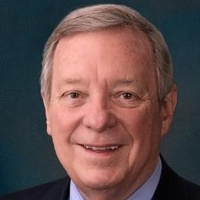
Richard Durbin
Senator
IL
Richard Durbin
Senator
IL
The Smarter Sentencing Act of 2026 reduces mandatory minimum prison sentences for certain federal drug offenses and creates a specific sentencing category for low-level drug couriers. The bill applies these reforms to both future and past cases, directs the Sentencing Commission to update its guidelines, and mandates new reporting requirements to increase transparency regarding federal criminal offenses and corrections spending.
The AI Fraud Accountability Act of 2026 establishes federal criminal and civil penalties for using AI-generated digital impersonations to commit fraud while mandating the development of national best practices to detect and prevent such deception.
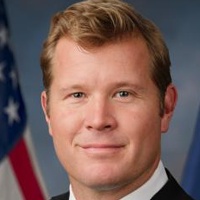
Tim Sheehy
Senator
MT
Tim Sheehy
Senator
MT
The AI Fraud Accountability Act of 2026 establishes federal criminal and civil penalties for using AI-generated digital impersonations to commit fraud. The bill mandates the creation of a NIST-led working group to develop best practices for detecting and preventing such fraud while fostering international cooperation to combat these crimes. It also includes a savings clause to protect First Amendment rights, such as parody, satire, and journalism.
The Rural Housing Regulatory Relief Act exempts certain rural infill housing projects from full environmental impact statements under the National Environmental Policy Act to streamline development and reduce administrative costs.
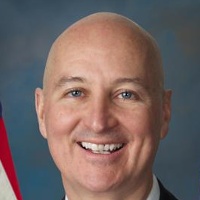
Pete Ricketts
Senator
NE
Pete Ricketts
Senator
NE
The Rural Housing Regulatory Relief Act streamlines the development of affordable rural housing by exempting specific infill construction projects from full environmental impact statements under the National Environmental Policy Act (NEPA). By focusing on sites already served by existing infrastructure, the bill aims to reduce administrative costs and project timelines. The legislation also mandates a report to Congress to evaluate the impact of these exemptions on rural housing development.
The Parks to People Active Transportation Act establishes a federal grant program to fund the construction and improvement of regionally and nationally significant multi-jurisdictional walking and biking greenways.
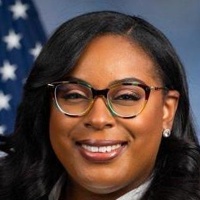
LaMonica McIver
Representative
NJ
LaMonica McIver
Representative
NJ
The Parks to People Active Transportation Act establishes a competitive grant program to fund the construction and improvement of regionally and nationally significant greenway paths for walking and biking. By connecting communities and transit hubs, this initiative aims to reduce traffic congestion, improve public safety, and enhance accessibility in underserved areas. The program authorizes $300 million annually to support these multi-jurisdictional projects through 2031.
The Mining Regulatory Clarity Act authorizes the location of multiple mill sites for hardrock mining operations and establishes a dedicated fund for the reclamation of abandoned mine lands.
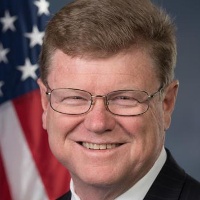
Mark Amodei
Representative
NV
Mark Amodei
Representative
NV
The Mining Regulatory Clarity Act amends federal law to allow hardrock mining operators to locate multiple mill sites on public land as reasonably necessary for their operations. It also establishes an Abandoned Hardrock Mine Fund, financed by mill site maintenance fees, to support the cleanup and reclamation of abandoned mine lands.
This bill mandates a federal study to identify strategies for removing housing barriers and improving supportive housing programs for elderly and disabled individuals.
Pete Ricketts
Senator
NE
Pete Ricketts
Senator
NE
The Improving Housing Access Act mandates a comprehensive study by the Comptroller General to identify strategies for removing barriers to housing for elderly and disabled individuals. This legislation specifically evaluates the potential impact of providing capital advances to enhance supportive housing programs under the Housing Act of 1959 and the Cranston-Gonzalez National Affordable Housing Act.
The Dalilah Law restricts commercial driver's license (CDL) eligibility to U.S. citizens, permanent residents, and specific visa holders, while mandating English-language proficiency and imposing federal funding penalties on non-compliant states.
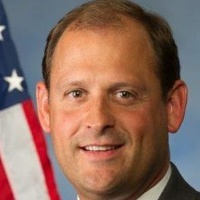
Garland Barr
Representative
KY
Garland Barr
Representative
KY
The Dalilah Law restricts the issuance of commercial driver's licenses (CDLs) to U.S. citizens, lawful permanent residents, and specific work visa holders. The bill mandates English language proficiency for all CDL applicants and requires states to recertify existing license holders. States that fail to comply with these eligibility and testing requirements face the loss of federal transportation funding.
This act extends the Heirs Property Intermediary Relending Program and establishes a new initiative providing free legal and accounting services to help heirs resolve complex ownership issues on agricultural and forest land.
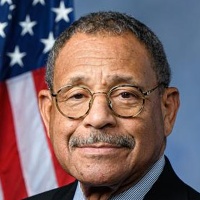
Sanford Bishop
Representative
GA
Sanford Bishop
Representative
GA
The Heirs Education and Investment to Resolve Succession of Property Act supports the stability of agricultural land by extending the Heirs Property Intermediary Relending Program through 2031. It also establishes a new initiative providing $60 million annually to help underserved heirs access free legal and accounting services to resolve complex property ownership issues. These measures aim to keep farmland in production and improve access to vital USDA programs for multi-owner properties.
The Protecting Our Produce Act establishes a five-year pilot program to provide financial assistance to eligible specialty crop producers who suffer losses due to import-driven price declines.
Sanford Bishop
Representative
GA
Sanford Bishop
Representative
GA
The Protecting Our Produce Act establishes a five-year pilot program to provide financial assistance to eligible producers of seasonal crops, such as asparagus, blueberries, and squash. The program offers payments to farmers when domestic market prices drop due to increased imports. This initiative aims to support the stability of specialty crop growers through $200 million in annual authorized funding.