The BRAVE Burma Act strengthens U.S. sanctions and accountability measures against the Burmese military regime, extends existing oversight provisions, and establishes a dedicated Special Envoy to coordinate diplomatic efforts toward restoring democracy in Burma.
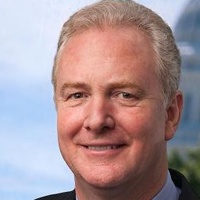
Chris Van Hollen
Senator
MD
The BRAVE Burma Act strengthens U.S. pressure on the Burmese military regime by extending existing sanctions, mandating new assessments of state-owned enterprises and the jet fuel sector, and limiting Burma’s IMF shareholding. The bill also establishes a formal U.S. Special Envoy for Burma to lead diplomatic efforts, coordinate international sanctions, and support the restoration of a civilian-led democratic government.
BRAVE Burma Act Targets Military Jet Fuel and Extends Sanctions to 2032
The BRAVE Burma Act is a legislative move to tighten the screws on the Burmese military regime by extending existing sanctions and creating a high-level diplomatic position to coordinate the global response. Specifically, it pushes the 'expiration date' of the 2022 Burma Act from eight years to ten, ensuring that the legal framework for holding the regime accountable doesn't disappear anytime soon. The bill also forces the White House to take a hard look at who is actually funding the military's operations, with a specific focus on the jet fuel supply chain and state-owned banks.
Cutting Off the Fuel Supply
One of the most direct parts of this bill involves a deep dive into the jet fuel sector. Within 180 days, and every year for the next seven, the President must identify any foreign person or company that is importing, selling, or transporting jet fuel into Burma. If you're a company currently profiting from these sales, this provision (Section 3) puts you squarely on the radar for potential sanctions. By targeting the fuel that powers military aircraft, the bill seeks to limit the regime's ability to conduct air strikes against its own people, effectively trying to ground the military's most lethal assets through financial pressure.
A New Diplomatic Quarterback
To make sure all these moving parts actually work together, the bill establishes a United States Special Envoy for Burma. This isn't just another title; this person will hold the rank of ambassador and be responsible for coordinating sanctions across different federal agencies. Think of them as the point person who has to sit down with leaders in India, Bangladesh, and even pressure China and Russia to stop supporting the Burmese military. Under Section 5, this envoy is also tasked with supporting non-governmental organizations and ethnic groups on the ground, making sure humanitarian aid actually reaches the people who need it while diplomatic relations remain frozen.
Limiting the Bank Account
The bill also takes the fight to the international stage by targeting Burma’s standing at the International Monetary Fund (IMF). Section 4 instructs U.S. representatives to use their 'voice and vote' to block any increase in Burma’s shareholding at the IMF as long as the military regime is in charge. While the President can waive this for 'national interest' reasons, the default setting is to keep the regime from gaining more financial influence or resources. For the average observer, this means the U.S. is trying to ensure that international financial institutions aren't being used to stabilize a government that seized power by force.