Legislation
The USA Act strengthens the role of NIST in promoting U.S. interests in international standards development, particularly for artificial intelligence and other critical technologies, through briefings, reporting, and a pilot program to host domestic standards meetings.
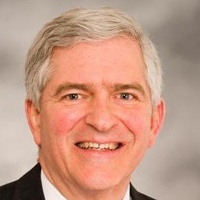
Daniel Webster
Representative
FL
Daniel Webster
Representative
FL
The USA Act strengthens the role of the National Institute of Standards and Technology (NIST) in promoting open, transparent, and private sector-led international standards development. It mandates briefings and the creation of a public portal to increase U.S. participation in setting standards for artificial intelligence and other critical technologies. Furthermore, the Act establishes a pilot program to provide grants for hosting standards meetings within the United States.
This act establishes strict reporting, notification, and high-level approval requirements for the disposition of U.S. defense equipment during significant force withdrawals or repositioning overseas to prevent future diversion to hostile actors.
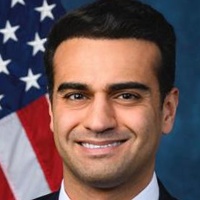
Abraham Hamadeh
Representative
AZ
Abraham Hamadeh
Representative
AZ
The No Equipment Left Behind Act of 2026 aims to prevent U.S.-provided defense equipment from falling into the hands of hostile actors following force withdrawals, as seen in Iraq and Afghanistan. The bill establishes strict new reporting, notification, and high-level approval requirements for the Department of Defense when disposing of accountable property during significant force repositioning overseas. It mandates comprehensive risk mitigation plans, detailed cost analyses, and senior leader sign-off for abandoning or destroying high-value equipment.
This Act requires the Department of Defense to report on its support for recovering and ensuring accountability for U.S. nationals held hostage, detained, missing, or deceased abroad, and to assess establishing a formal "No American Left Behind" doctrine.
Abraham Hamadeh
Representative
AZ
Abraham Hamadeh
Representative
AZ
The No American Left Behind Act requires the Department of Defense to submit a comprehensive report assessing its support for recovering and repatriating U.S. nationals held hostage, detained, missing, or deceased abroad. This report must analyze current operational planning, identify resource or policy gaps, and evaluate the feasibility of establishing a formal "No American Left Behind" doctrine. The goal is to ensure a sustained commitment to bringing all Americans home, regardless of location or circumstance.
This bill renames and revises the Great American Outdoors Act's maintenance fund, increases dedicated funding through new, higher fees for foreign visitors, and sets spending priorities for deferred maintenance across public lands agencies.
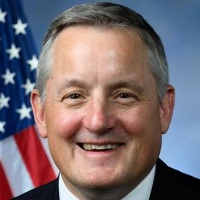
Bruce Westerman
Representative
AR
Bruce Westerman
Representative
AR
This bill, the Great American Outdoors Act 250, significantly reforms and renames the existing public lands restoration fund to the America’s Legacy Restoration Fund. It secures dedicated funding streams, primarily from energy revenues and new fees on foreign visitors, to address critical deferred maintenance across the National Park Service, Forest Service, and other public land agencies. The legislation establishes strict spending priorities for infrastructure repair while also creating pilot programs for enhancing outdoor recreation and sportsmen's access. Finally, it mandates increased transparency and accountability through standardized metrics and public reporting on all funded projects.
This act streamlines the federal permitting process for recreation projects by including them under the FAST Act's improvement provisions.
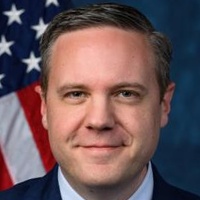
Jeff Hurd
Representative
CO
Jeff Hurd
Representative
CO
The Recreation Permitting Improvement Act aims to streamline the federal permitting process for recreation-related projects. This is achieved by officially designating "recreation" as a covered sector under existing permitting improvement laws. This change will allow recreation projects to benefit from expedited review timelines.
This act establishes grants to help schools obtain and administer emergency opioid overdose reversal drugs like naloxone, ensuring trained personnel are available during operating hours.
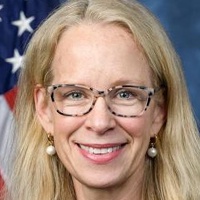
Kelly Morrison
Representative
MN
Kelly Morrison
Representative
MN
The School Access to Naloxone Act of 2026 expands federal grant funding to support both prescribing and administering opioid overdose reversal drugs. The bill establishes a new grant program specifically for elementary and secondary schools to acquire and maintain emergency opioid overdose reversal drugs and devices. To receive funding, schools must certify they have trained personnel, accessible supplies, and adequate state liability protections for administering the medication.
This Act establishes federal grants to support two-year, high-quality induction and mentorship programs designed to improve the effectiveness and retention of beginning public school teachers and school leaders, particularly in high-need areas.
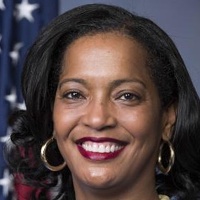
Jahana Hayes
Representative
CT
Jahana Hayes
Representative
CT
The Beginning Educator Mentorship and Retention Act aims to combat high teacher turnover by funding robust, two-year induction and mentorship programs for new educators and school leaders. This legislation establishes competitive grants for states to implement these programs, prioritizing support for high-need and rural schools. The goal is to improve teacher effectiveness, boost retention rates, and ultimately enhance student learning outcomes.
This bill bars entry to and allows for the deportation of individuals currently or previously employed by designated Chinese military companies or foreign institutions engaged in problematic activity.

John Moolenaar
Representative
MI
John Moolenaar
Representative
MI
The No PLA Employees Act of 2026 amends immigration law to establish new grounds for inadmissibility and deportability. These grounds specifically target individuals currently or previously employed by designated Chinese military companies or foreign institutions engaged in problematic activity. This legislation adds these employment-based restrictions to existing sections of the Immigration and Nationality Act.
This bill establishes a structured process for Puerto Rico to transition to independence, statehood, or a reformed Commonwealth status following a voter plebiscite.
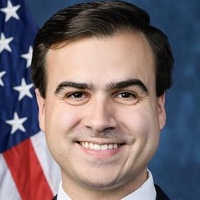
Pablo José Hernández Rivera
Representative
PR
Pablo José Hernández Rivera
Representative
PR
This bill outlines four distinct, mutually exclusive pathways for determining Puerto Rico's future political status: Independence, Commonwealth, Statehood, or Free Association with the United States. Each title establishes a detailed, step-by-step process for transition, including constitutional requirements, transfer of federal property, and the future status of citizenship and federal benefits, contingent upon voter approval for the chosen option. The legislation aims to provide a clear, democratic mechanism for resolving the island's territorial status.
The Timeshare Transparency Act establishes mandatory disclosures, a 14-day cancellation right, and FTC enforcement for timeshare purchases.
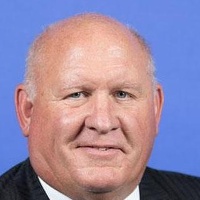
Glenn Thompson
Representative
PA
Glenn Thompson
Representative
PA
The Timeshare Transparency Act aims to protect consumers by establishing mandatory disclosure requirements for all timeshare purchases. This includes providing buyers with a complete, itemized cost breakdown and clear options for ending ownership. The Act also grants buyers a 14-day right to cancel the agreement without penalty, with enforcement handled by the Federal Trade Commission.
This Act protects local government decisions to block data center development, bars federal permits for developers suing local denials, and mandates community benefit agreements for data center tax credits.
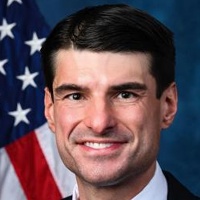
Robert Bresnahan
Representative
PA
Robert Bresnahan
Representative
PA
The Local Control Protection Act aims to bolster local government authority over data center development by limiting federal court challenges to local zoning denials. It also prohibits federal agencies from permitting data centers whose developers are actively suing local governments over denied zoning. Furthermore, the Act establishes a community benefit requirement, including local workforce utilization, for data centers seeking federal tax credits.
This bill mandates that group health plans and insurers cover at least three primary care visits and three behavioral health care visits annually without any patient cost-sharing.

Lauren Underwood
Representative
IL
Lauren Underwood
Representative
IL
The Primary and Behavioral Health Care Access Act of 2026 mandates that group health plans and insurers cover at least three primary care visits and three behavioral health care visits annually without any cost-sharing for patients. This requirement applies regardless of the plan's deductible status. The bill ensures these essential visits are treated equally to other covered services regarding limitations and reimbursement rates.
The ON TIME Act mandates that the VA ensure a suicide prevention coordinator is available at every VA medical center, including outside normal operating hours, without authorizing new hires.
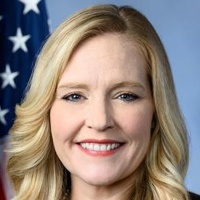
Erin Houchin
Representative
IN
Erin Houchin
Representative
IN
The ON TIME Act mandates that the Department of Veterans Affairs ensure a Suicide Prevention Coordinator is available at every VA medical center, including outside of normal operating hours, to assist veterans needing suicide prevention planning services. This requirement focuses on optimizing existing staffing resources rather than authorizing new hires.
This Act expands and modernizes paid family and medical leave for federal employees, congressional staff, and certain D.C. employees, adding coverage for victims of violence, fertility challenges, and surrogacy.
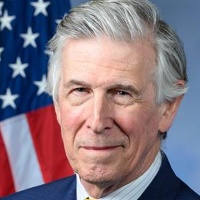
Donald Beyer
Representative
VA
Donald Beyer
Representative
VA
The Comprehensive Paid Leave for Federal Employees Act significantly expands and modernizes paid family and medical leave for federal workers across various agencies, including the Postal Service and Congressional staff. This legislation introduces new qualifying reasons for leave, such as recovery from domestic violence, sexual assault, or fertility challenges. It also adjusts service requirements, leave duration rules, and establishes repayment/work obligation agreements for certain paid leave.
This bill establishes a quarterly, weight-based mileage fee for mobile mounted concrete boom pump vehicles, with credits available for other existing vehicle taxes paid.
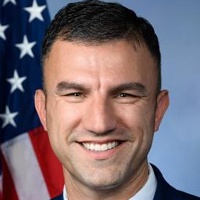
Rudy Yakym
Representative
IN
Rudy Yakym
Representative
IN
The Concrete Pump Tax Fairness Act establishes a new quarterly, mileage-based user fee for mobile mounted concrete boom pump vehicles, with rates varying by gross weight. This fee will be deposited into the Highway Trust Fund. The legislation also coordinates mileage tracking with the Department of Transportation and allows credits for other existing vehicle taxes paid.
This bill mandates that all refrigerated shipping containers display a pressurization warning placard for emergency responders and requires a study on formally classifying refrigerants as a separate hazardous material.
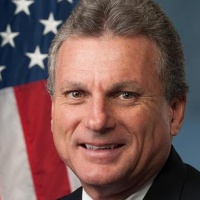
Earl Carter
Representative
GA
Earl Carter
Representative
GA
**Chief Chris Eddy's Law mandates that all refrigerated shipping containers must display a warning placard for emergency responders regarding potential pressurization, regardless of cargo. Additionally, the Secretary of Transportation is required to study whether refrigerants should be established as a distinct hazard category within hazardous materials regulations.**
This Act prohibits non-citizens from voting in federal elections and establishes inadmissibility and deportation as consequences for unlawful voting.
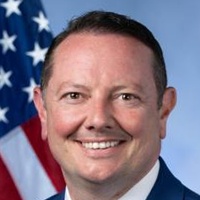
Eric Burlison
Representative
MO
Eric Burlison
Representative
MO
The No Exceptions for Non-Citizens Voting Act amends federal law to prohibit non-citizens from voting in federal elections by removing existing exceptions. Furthermore, the bill makes any alien who illegally votes in any federal, state, or local election inadmissible to the U.S. and subject to deportation.
This bill mandates that states operating the school lunch program must also participate in the Summer EBT program starting in 2027.
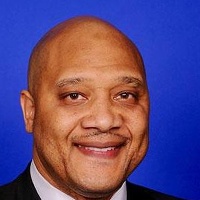
André Carson
Representative
IN
André Carson
Representative
IN
This bill amends the Richard B. Russell National School Lunch Act to mandate state participation in the Summer Electronic Benefits Transfer (EBT) program starting in the summer of 2027. While participation is voluntary through 2026, all states operating the school lunch program must implement Summer EBT thereafter. The legislation also updates administrative deadlines for program management and coverage for Indian Tribal organizations.
This bill extends the authorization period for the African American Civil Rights Network from seven to ten years.
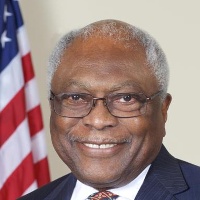
James Clyburn
Representative
SC
James Clyburn
Representative
SC
This bill, the Renewing the African American Civil Rights Network Act, extends the authorization period for the African American Civil Rights Network. It amends existing law to increase the network's authorization from seven years to ten years following the enactment of this Act.
This bill mandates a comprehensive report on the national security implications of child soldiering in Africa and assesses potential U.S. strategies to combat the practice globally.
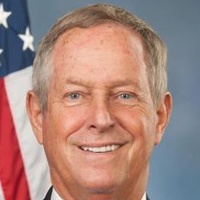
Joe Wilson
Representative
SC
Joe Wilson
Representative
SC
This Act mandates a comprehensive report detailing how the use of child soldiers in Africa impacts U.S. national security interests. The report must assess the links between child soldiering and regional instability, terrorism, and supply chain threats. Furthermore, it requires an evaluation of current prevention efforts and the feasibility of establishing an Africa-based center to share best practices and support counter-recruitment initiatives.