Legislation
The DEEP Act establishes a streamlined, expedited nationwide permit process for dredging projects in U.S. navigable waters, setting strict timelines for environmental review and state certification while limiting EPA enforcement authority.
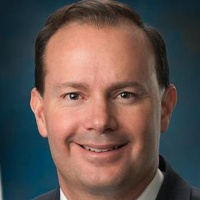
Mike Lee
Senator
UT
Mike Lee
Senator
UT
The DEEP Act mandates the creation of a new, 10-year nationwide permit for federal and non-federal port dredging projects, streamlining the environmental review process under NEPA with strict deadlines. It also establishes expedited and automatic approval timelines for state water quality certifications related to these permits. Furthermore, the bill limits the scope of EPA enforcement authority concerning these specific dredging activities and simplifies related statutory requirements for dredging and dredged material transport.
This resolution honors Cambodian veterans of the Khmer National Armed Forces for their sacrifices, support of U.S. forces, and defense of freedom in Southeast Asia.
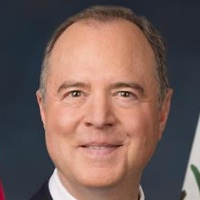
Adam Schiff
Senator
CA
Adam Schiff
Senator
CA
This resolution honors the veterans of the Khmer National Armed Forces (FANK) for their crucial service alongside U.S. forces in Southeast Asia. It recognizes their sacrifices, including support during the Vietnam War and the evacuation of U.S. personnel from Phnom Penh. The resolution also acknowledges the immense suffering these veterans and their families endured during the subsequent Khmer Rouge genocide. Finally, it celebrates their ongoing contributions to American society following their resettlement.
This act permits NATO-affiliated vessels to perform dredging in U.S. waters and removes transportation restrictions on the dredged material.
Mike Lee
Senator
UT
Mike Lee
Senator
UT
The Allied Partnership and Port Modernization Act amends federal maritime law to allow specific NATO-affiliated vessels to perform dredging operations in U.S. navigable waters. This legislation also removes existing transportation restrictions previously applied to dredged material. The goal is to streamline port maintenance through allied cooperation.
This bill establishes a mandatory, non-refundable fee of at least $100 for credible fear interviews required for individuals seeking asylum.
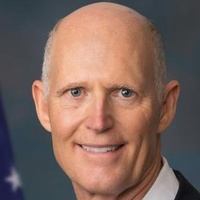
Rick Scott
Senator
FL
Rick Scott
Senator
FL
The Protecting Asylum Integrity Act establishes a mandatory fee, starting at a minimum of $100, for credible fear interviews conducted during the asylum process. This fee must be paid prior to the interview and will be adjusted annually for inflation starting in fiscal year 2027. Collected funds will be split, with half supporting USCIS operations and the other half going to the Treasury's general fund.
This bill extends certain surveillance authorities under Title VII of the Foreign Intelligence Surveillance Act (FISA) by one week, from June 12, 2026, to June 19, 2026.
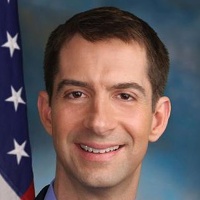
Tom Cotton
Senator
AR
Tom Cotton
Senator
AR
This bill proposes a minor, short-term extension of specific surveillance authorities under Title VII of the Foreign Intelligence Surveillance Act (FISA). It moves the expiration date for these authorities from June 12, 2026, to June 19, 2026.
This act establishes the Web of Biological Data, a centralized, secure resource managed by a National Laboratory to provide researchers with unified access to federally funded biological data, supported by a dedicated research and development program.

Todd Young
Senator
IN
Todd Young
Senator
IN
The Web of Biological Data Act of 2026 establishes a centralized "Web of Biological Data" resource, hosted by a National Laboratory, to provide researchers with unified access to federally funded biological data using advanced computational methods. This initiative includes establishing a supporting research and development program focused on data science and mandates a phased rollout with stringent cybersecurity safeguards. The Act also creates an advisory board to guide development and ensures that existing privacy and human-subject protection rules remain in effect.
This Act clarifies the application of the advanced manufacturing investment credit for semiconductor manufacturing facilities operating in outer space, including related transportation and support property.
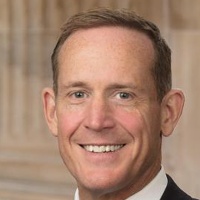
Ted Budd
Senator
NC
Ted Budd
Senator
NC
The Semiconductor Superiority Act amends tax law to clarify how the advanced manufacturing investment credit applies to semiconductor facilities located in outer space. This legislation ensures that property essential for space-based manufacturing, including transportation and support systems, qualifies for the credit. The Act specifically defines what constitutes qualified property for these advanced, off-world facilities.
This bill amends the Protection of Lawful Commerce in Arms Act to strengthen immunity for the firearms industry against civil lawsuits related to criminal misuse of their products, mandates the dismissal of pending cases, and establishes strict procedural hurdles for any exceptions.
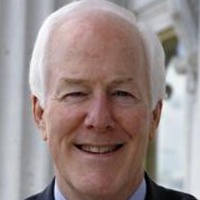
John Cornyn
Senator
TX
John Cornyn
Senator
TX
The Stopping Harmful and Outrageous Torts Act significantly amends existing law to provide broad immunity to the firearms industry from civil lawsuits related to the criminal or unlawful use of their products. This legislation mandates the immediate dismissal of pending lawsuits against the industry and establishes strict definitions and procedural hurdles for any claims attempting to use statutory exceptions. Furthermore, it preempts state and local laws that attempt to impose liability on manufacturers or sellers for harms resulting from criminal misuse of firearms.
The End Tuberculosis Now Act of 2026 establishes a comprehensive framework for U.S. foreign assistance to aggressively combat tuberculosis globally, setting ambitious targets for diagnosis, treatment, and prevention by 2030.
Todd Young
Senator
IN
Todd Young
Senator
IN
The End Tuberculosis Now Act of 2026 overhauls U.S. foreign assistance policy to make ending the global tuberculosis (TB) public health emergency a primary objective. It establishes aggressive 2030 targets for reducing TB incidence and mortality rates while prioritizing comprehensive diagnosis, treatment, and prevention strategies worldwide. The Act mandates robust monitoring, reporting, and coordination efforts to ensure accountability and accelerate progress against all forms of TB until its expiration in 2033.
This bill officially renames the Southeastern Post Office in San Diego, California, to the "Armando Rodriguez Post Office."
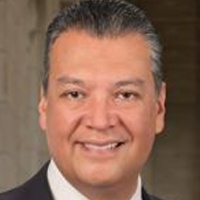
Alejandro Padilla
Senator
CA
Alejandro Padilla
Senator
CA
This bill officially renames the United States Postal Service facility at 2777 Logan Avenue in San Diego, California. The post office will now be known as the "Armando Rodriguez Post Office." This change will be reflected across all official records and documents.
This Act expands eligibility and increases funding for federal coastal infrastructure grants to support municipal pier improvements.
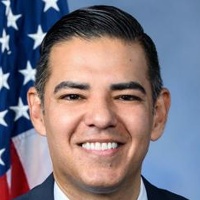
Robert Garcia
Representative
CA
Robert Garcia
Representative
CA
The Piers Reinvestment Act expands federal infrastructure grant programs to specifically include funding for municipal pier improvements. This legislation increases the total authorized funding for these coastal infrastructure efforts from $\$300$ million to $\$500$ million. The goal is to support the strengthening and upgrading of municipal piers across the nation.
This Act establishes a federal beautification program for D.C. and creates a commission to recommend actions on public safety and federal immigration enforcement in the District.
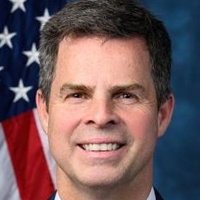
John McGuire
Representative
VA
John McGuire
Representative
VA
This Act establishes a temporary program to beautify and clean up public spaces across the District of Columbia through federal and local coordination. It also creates a temporary commission focused on recommending actions to improve public safety and enhance federal immigration enforcement within D.C. Both the beautification program and the commission will terminate on January 2, 2029.
This act requires the Department of Defense to review certain acquisitions of major defense suppliers by investment companies to safeguard national security interests.

Elizabeth Warren
Senator
MA
Elizabeth Warren
Senator
MA
The Critical Defense Ownership Review Act requires the Department of Defense (DoD) to review and approve certain acquisitions of major defense suppliers by investment companies that result in a 25% stake or control. This review assesses the impact on national security, the defense industrial base, and competition for DoD contracts. Additionally, the DoD must conduct a triennial review of all merger and acquisition activity involving major defense suppliers to assess its impact on the defense industrial base's health and supply chain.
This bill prohibits using federal funds for legal settlements benefiting the President and redirects $\$1.776$ billion to support law enforcement grant programs.

Jacky Rosen
Senator
NV
Jacky Rosen
Senator
NV
This bill prohibits the use of federal funds to pay legal settlements benefiting the President's personal or political interests. Instead, it redirects a specified amount of funds from the Treasury's general fund to support law enforcement through existing grant programs, including death benefits and hiring assistance.
The Drain the Swamp Act mandates ethics reforms for federal officials, limits congressional pay during government shutdowns, restructures Supreme Court appointments, proposes term limits, and strengthens campaign finance and voting rights laws.
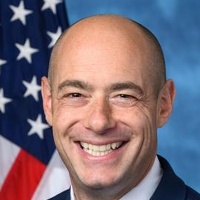
Greg Landsman
Representative
OH
Greg Landsman
Representative
OH
The Drain the Swamp Act is a comprehensive bill designed to increase government accountability and reduce conflicts of interest across all three branches. Key provisions include banning senior officials from trading individual stocks, establishing term limits for Supreme Court justices, and implementing stricter ethics and financial disclosure rules for the President and Congress. The Act also seeks to reform elections by proposing a constitutional amendment to overturn *Citizens United* and establishing nonpartisan redistricting standards nationwide.
This bill officially renames the U.S. Post Office facility in Georgetown, Ohio, as the "Ulysses S. Grant Post Office Building."
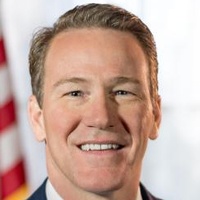
Jon Husted
Senator
OH
Jon Husted
Senator
OH
This bill officially renames the United States Postal Service facility located at 201 East Grant Avenue in Georgetown, Ohio. The building will now be known as the "Ulysses S. Grant Post Office Building." This designation standardizes its name across all federal records and documents.
This act prohibits any person or government from interfering with or punishing individuals who travel across state lines to receive or provide reproductive health care that is legal in the destination state.

Catherine Cortez Masto
Senator
NV
Catherine Cortez Masto
Senator
NV
The Freedom to Travel for Health Care Act of 2026 affirms the fundamental right of individuals to travel across state lines to receive reproductive health care that is legal in the destination state. This bill prohibits any government or person from restricting, sanctioning, or discriminating against individuals who travel for such care or those who assist them. It preempts conflicting state laws and establishes robust federal enforcement mechanisms, including civil actions for individuals and the Attorney General, while removing common immunity defenses for violators.
This bill mandates sweeping border wall construction, tightens asylum eligibility to near-impossible standards, expands detention capacity, and reforms immigration parole while penalizing visa overstays.
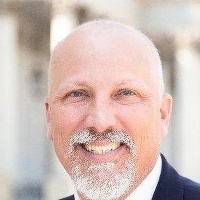
Chip Roy
Representative
TX
Chip Roy
Representative
TX
The Permanent Trump Secure Border Act mandates immediate and accelerated construction of the border wall, significantly tightens asylum eligibility standards by raising the "credible fear" threshold, and severely restricts the use of immigration parole. The bill also requires comprehensive technology upgrades for border security, mandates specific staffing levels for Border Patrol, and increases penalties for visa overstays. Overall, it represents a sweeping legislative effort to enhance physical barriers, restrict entry pathways, and increase interior immigration enforcement.
This Act mandates that online dating services notify users who have messaged an account subsequently banned for fraud, providing specific warnings and best practices.
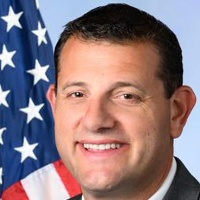
David Valadao
Representative
CA
David Valadao
Representative
CA
The Romance Scam Prevention Act mandates that online dating services notify users who have corresponded with an account subsequently banned for fraud. These notifications must include warnings about potential scams and guidance on protecting personal financial information. This legislation establishes a national standard for these alerts, enforced by the Federal Trade Commission and state attorneys general.
This Act establishes mandatory minimum prison sentences for federal offenses related to the smuggling or false reporting of biological agents and toxins.
Tom Cotton
Senator
AR
Tom Cotton
Senator
AR
The Biosecurity Smuggling Deterrence Act of 2026 establishes mandatory minimum prison sentences for federal crimes involving the smuggling or related false statements concerning biological agents or toxins. This legislation specifically targets offenses such as conspiracy, making false statements, and the act of smuggling biological materials into the U.S. The goal is to significantly deter the illegal importation of dangerous biological agents through strict sentencing guidelines.