Legislation
This Act directs the assessment of U.S. and allied air and missile defense capabilities in the Middle East, establishes a strategy for multinational acquisition, and creates a working group to share battlefield lessons against Iranian threats.

Jacky Rosen
Senator
NV
Jacky Rosen
Senator
NV
The OASIS Act of 2026 directs the Department of Defense to assess U.S. and allied air and missile defense capabilities in the Middle East. It mandates the creation of a strategy to build a multinational acquisition system for these defenses. Furthermore, the bill establishes a working group to systematically share battlefield lessons with regional partners.
This bill reauthorizes and modifies grant programs to improve outreach and assistance for socially disadvantaged, veteran, and beginning farmers and ranchers while increasing transparency through new demographic data collection requirements.

Tina Smith
Senator
MN
Tina Smith
Senator
MN
This bill reauthorizes and strengthens programs designed to support socially disadvantaged, veteran, and beginning farmers and ranchers through 2031. It mandates improved translation and interpretation services for accessing USDA programs and enhances transparency by requiring the collection and publication of detailed demographic data on farmer participation in agricultural programs. The legislation also adjusts grant priorities to favor entities providing language access services.
This bill reauthorizes and funds the C.W. Bill Young Cell Transplantation Program and extends the National Cord Blood Inventory program through 2031.
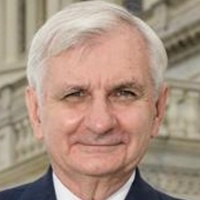
John Reed
Senator
RI
John Reed
Senator
RI
This bill reauthorizes and continues funding for the C.W. Bill Young Cell Transplantation Program. It also extends the authorization for the National Cord Blood Inventory program through 2031. The legislation supports vital stem cell therapies and research initiatives.
This Act requires digital asset kiosk operators to register their locations, implement anti-money laundering and anti-fraud measures, set transaction limits, and provide clear customer disclosures to combat scams.

Sean Casten
Representative
IL
Sean Casten
Representative
IL
The Stop Crypto ATM Scams Act aims to protect consumers by imposing federal registration and robust anti-money laundering requirements on digital asset kiosk operators. This legislation mandates the public disclosure of all kiosk locations and establishes strict transaction limits, mandatory fraud warnings, and clear customer disclosures regarding transaction irreversibility and asset risks. Furthermore, it requires operators to implement anti-fraud policies and provide avenues for customer refunds in cases of fraudulent inducement.
This Act establishes programs to strengthen the middle of the domestic food supply chain through infrastructure grants and a network of regional food systems hubs to support local and regional producers.
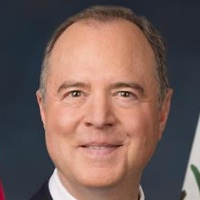
Adam Schiff
Senator
CA
Adam Schiff
Senator
CA
The American Food Supply Chain Resiliency Act aims to strengthen the domestic food supply chain by investing in local and regional infrastructure. It establishes a USDA program to fund middle-of-the-supply-chain activities like processing and storage, prioritizing underserved producers. Additionally, the Act creates a national network of regional food systems hubs to provide technical and financial assistance to farms and food businesses. These measures are intended to enhance food security, create new market opportunities, and improve producer revenue.
This Act establishes the Lone Star Coastal National Recreation Area in Texas as a National Park System unit, creating a management framework with local partners to conserve coastal resources while protecting existing local economies and private property rights.
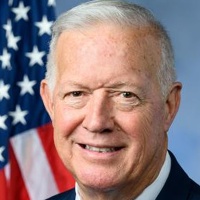
Randy Weber
Representative
TX
Randy Weber
Representative
TX
This Act establishes the **Lone Star Coastal National Recreation Area** in Texas as a unit of the National Park System to conserve natural and cultural resources while expanding public recreation and strengthening the local economy. The management framework emphasizes a **voluntary partnership** between federal, state, and local entities, including private landowners. A key requirement is the development of an **Integrated Resource Management Plan** to guide all activities, with strict prohibitions against using eminent domain for land acquisition. The designation explicitly **saves existing state/local jurisdiction** and protects current private property uses, including infrastructure and resource extraction rights.
This act authorizes the Secretary of Defense to impose financial restrictions, including limits on stock buybacks and executive pay, on defense contractors who fail to meet performance standards on large contracts.

Tim Burchett
Representative
TN
Tim Burchett
Representative
TN
The Prioritizing Warfighters in Defense Contracting Act empowers the Secretary of Defense to impose financial restrictions on major defense contractors who fail to meet performance standards. If a contractor misses deadlines, exceeds budgets, or underperforms due to underinvestment, the Secretary can prohibit stock buybacks, shareholder dividends, and excessive executive compensation over \$5 million. This measure aims to ensure defense contractors prioritize timely and effective delivery of goods and services to service members.
This bill establishes the annual Esther Coopersmith Award to recognize State Department personnel for contributions to advancing women's roles in peace and security efforts.
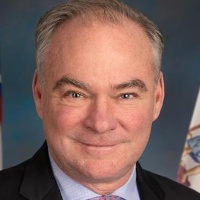
Timothy Kaine
Senator
VA
Timothy Kaine
Senator
VA
This bill establishes the annual Esther Coopersmith Award to recognize U.S. diplomatic personnel who significantly advance the goals of women's participation in peace and security efforts. The award specifically honors contributions that sustainably prevent or resolve conflict by promoting women's leadership and economic empowerment. Recipients will meet with the Secretary of State and attend a major global security conference. This Act is set to expire five years after enactment.
This bill designates February 1st as Blue Star Mothers Day to honor the service and sacrifice of Blue Star Mothers of America.

Joni Ernst
Senator
IA
Joni Ernst
Senator
IA
This act officially designates **February 1st as Blue Star Mothers Day** to honor the service, sacrifice, and contributions of the Blue Star Mothers of America, Inc. The legislation recognizes the organization's founding in 1942 and its ongoing support for servicemembers and military families. It encourages public and governmental recognition of this important day.
This bill mandates that Medicare Advantage plans report the allowed amount, member cost-sharing, and details regarding at-home health risk assessments in their encounter data starting in 2027.

Diana DeGette
Representative
CO
Diana DeGette
Representative
CO
The Medicare Advantage Cost Transparency Act mandates that Medicare Advantage plans report detailed financial information, including contracted rates and member cost-sharing amounts, within their encounter data starting in 2027. This legislation also requires plans to disclose whether their members received specific types of at-home health risk assessments during the plan year. The goal is to increase transparency regarding costs and assessment activities within Medicare Advantage plans.
This bill mandates the Secretary of Homeland Security to conduct a large-scale exercise within four years to test and improve national preparedness for agroterrorism incidents.
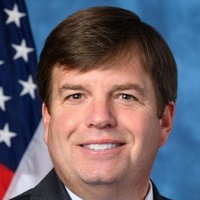
Dale Strong
Representative
AL
Dale Strong
Representative
AL
This bill requires the Secretary of Homeland Security to conduct a large-scale exercise focused on preparedness for agroterrorism incidents. The exercise must cover prevention, response, recovery, and mitigation of biological threats targeting the U.S. agriculture and food sectors. Following the exercise, a report detailing findings and recommendations will be submitted to Congress.
This resolution condemns Hezbollah's ceasefire violations and demands the Lebanese Government ensure Hezbollah immediately ceases attacks and disarms south of the Litani River.
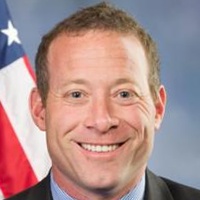
Josh Gottheimer
Representative
NJ
Josh Gottheimer
Representative
NJ
This resolution strongly condemns Lebanese Hezbollah for repeatedly violating ceasefire agreements through ongoing attacks against Israel. It calls upon the Lebanese Government to ensure Hezbollah immediately ceases all hostile actions and disarms south of the Litani River. Furthermore, the bill supports ongoing U.S.-brokered negotiations between Israel and Lebanon toward a comprehensive, sovereign agreement.
This bill mandates the Department of Defense to update guidance and evaluate the impact of the JROTC instructor pay scale on recruitment and retention.
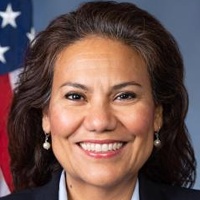
Veronica Escobar
Representative
TX
Veronica Escobar
Representative
TX
The JROTC POWER Act mandates the Department of Defense to update guidance for the JROTC instructor pay scale within 270 days of enactment. This update requires a comprehensive evaluation plan to measure how the current pay system impacts the recruitment and retention of JROTC instructors. The Secretary of Defense must then report findings and recommendations to Congress annually for three years.
The Lower Costs, More Transparency Act of 2026 mandates comprehensive price disclosure for hospitals, clinical diagnostic laboratories, imaging providers, and ambulatory surgical centers, alongside significantly expanded cost-sharing transparency requirements for health plans and issuers, all effective January 1, 2028.
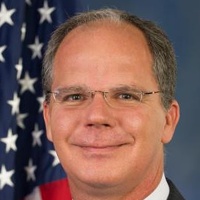
Brett Guthrie
Representative
KY
Brett Guthrie
Representative
KY
The Lower Costs, More Transparency Act of 2026 mandates sweeping new price transparency requirements across the healthcare system starting in 2028. This legislation requires hospitals, clinical diagnostic laboratories, imaging providers, and ambulatory surgical centers to publicly disclose detailed pricing information, including gross charges and negotiated rates. Furthermore, it significantly expands requirements for group health plans and insurers to provide consumers with real-time, personalized cost-sharing estimates for covered services. The bill establishes uniform formats for disclosure and outlines civil monetary penalties for noncompliance across all covered entities.
This bill establishes a free, voluntary program to provide veteran borrowers with expert support services to help them understand and navigate their VA home loan benefits.
Veronica Escobar
Representative
TX
Veronica Escobar
Representative
TX
The VA Home Loan Navigator Act establishes a new, free program to provide comprehensive housing loan support services to veteran borrowers. This program will offer education, guidance, and assistance navigating all aspects of their VA home loan benefits, from eligibility to foreclosure prevention. Services will be delivered by independent, neutral third-party organizations approved by the VA and HUD. Participation is entirely voluntary for the borrower.
This bill commemorates the 50th anniversary of women enrolling in U.S. military service academies and honors their distinguished contributions to national service.
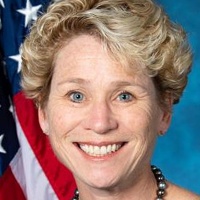
Chrissy Houlahan
Representative
PA
Chrissy Houlahan
Representative
PA
This resolution commemorates the 50th anniversary of women enrolling in U.S. military service academies, recognizing their significant growth and distinguished achievements since 1976. It honors the thousands of women graduates who have served with distinction across all branches of the armed forces and in national service. The bill also expresses support for designating a "50 Years of Women at the Service Academies Day."
This bill mandates that health plans and issuers publicly report detailed prior authorization denial rates and enhances transparency in health plan comparisons on Exchanges by including prescription drug cost data.
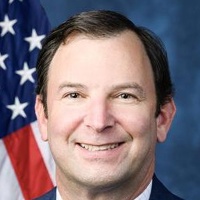
Craig Goldman
Representative
TX
Craig Goldman
Representative
TX
The Prior Authorization Accountability Act mandates that group health plans and insurance issuers publicly report detailed data on their prior authorization approval and denial rates, including appeal outcomes and processing times. This transparency requirement aims to give consumers and regulators a clearer view of how prior authorization decisions are made. Furthermore, the bill enhances plan comparisons on health insurance Exchanges by requiring the inclusion of historical prescription drug cost and coverage data for previously offered plans.
This bill requires Medicare Advantage organizations to report compensation paid to agents and brokers for enrollments, making certain aggregate data publicly available.

Alexandria Ocasio-Cortez
Representative
NY
Alexandria Ocasio-Cortez
Representative
NY
The Transparency in Medicare Advantage Steering Act mandates that Medicare Advantage organizations annually report detailed information about the agents and brokers who enroll beneficiaries, including compensation paid. Starting in 2030, key data regarding third-party enrollment and total compensation will be made publicly available on the CMS website. This aims to increase transparency regarding how beneficiaries are steered into specific Medicare Advantage plans.
This bill mandates that hospitals, ambulatory surgical centers, laboratories, and imaging providers must prominently post their discounted cash prices for shoppable services starting in 2028.
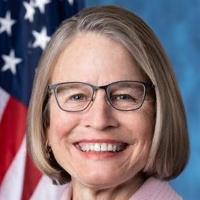
Mariannette Miller-Meeks
Representative
IA
Mariannette Miller-Meeks
Representative
IA
The Prices on the Wall Act of 2026 mandates that hospitals, ambulatory surgical centers, laboratories, and imaging providers must prominently post their discounted cash prices on their walls. This requirement applies to all services identified by CMS as "shoppable services." The goal is to increase price transparency for consumers scheduling care in advance.
This resolution sets the rules for the House to consider bills related to prohibiting specific credit card codes for firearms retailers, funding energy and water development, funding national security, and improving veterans' benefits.
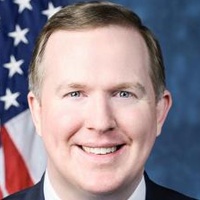
Brian Jack
Representative
GA
Brian Jack
Representative
GA
This resolution establishes the rules for the House to consider four separate bills concerning firearms retailer credit card codes, FY 2027 energy and water appropriations, FY 2027 national security appropriations, and improvements to veterans' benefits. It sets expedited procedures, limits debate, and waives certain procedural objections for each measure. The rules dictate how amendments will be offered and voted upon for these key legislative items.